Whether People Still Say Brittany Spaniel
It's a question that trips up so many new Brittany owners, and even some seasoned folks in the bird dog world: do people still say "Brittany Spaniel"? The truth is, while the official name for this wonderful pointing breed has changed, the older moniker still lingers in conversations, causing a little bit of confusion and sometimes even a passionate debate among enthusiasts. This guide aims to clear up the history and usage of the name, helping you understand why you hear both.
The Brittany's Original Roots and the "Spaniel" Designation
To truly understand why the name "Brittany Spaniel" was so common, we need to take a little trip back in time to the breed's origins in the beautiful, rugged northwest corner of France, in the province of Brittany. This isn't just about a name; it's about the very essence of what these dogs were, and still are, bred to do.
A Dog of the French Countryside
The Brittany's story isn't one of grand estates and aristocratic hunters initially, though they certainly became popular with them. No, the Brittany was, at its heart, a peasant's dog, working closely with hunters to put food on the table. Imagine a hunter on foot, perhaps without a gun in the earliest days, relying solely on his dog's keen nose and intelligence to locate game. These dogs needed to be agile, tireless, and utterly devoted. They were valued for their ability to find birds, point them, and then retrieve them, making them incredibly versatile. You might be interested in reading more about Where the Brittany Comes From.
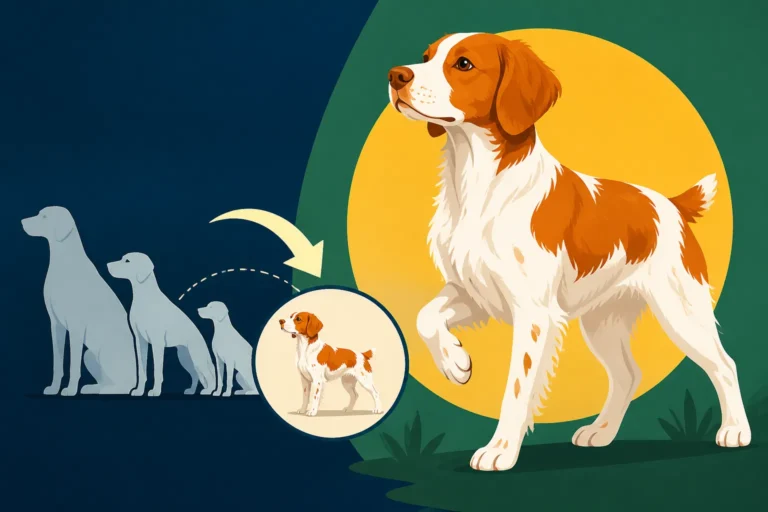
These dogs were often smaller, more compact, and quicker than some of the larger English pointers or setters. Their hunting style, while distinctly pointing, also had an element of covering ground efficiently, sometimes pushing through cover in a way that might have resembled a spaniel's drive, especially when retrieving. This dual nature might have contributed to the early classification.
The Influence of Other Breeds and Early Classification
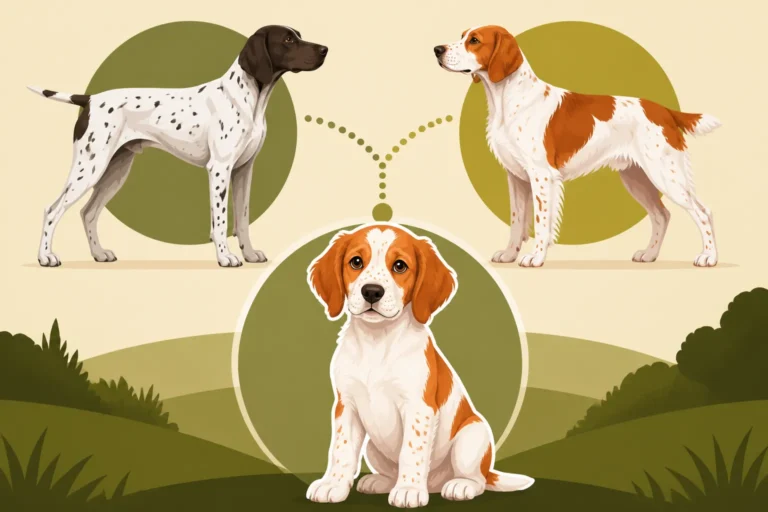
During the late 19th and early 20th centuries, as dog breeds started to be formalized and standards were written, there was a lot of cross-breeding and influence from various European sporting dogs. English setters and spaniels were brought to France by British sportsmen, and it's believed that some of these dogs were crossed with the native "Brittany type" land spaniels already present in the region. This exchange of genetics likely refined the Brittany's bird-finding abilities and appearance.
The term "spaniel" at the time often referred to a smaller, active gundog, particularly one that worked close to the hunter and was adept at finding and flushing game from thick cover. While the Brittany developed a strong pointing instinct, its compact size, biddable nature, and retrieving prowess made "spaniel" feel like a natural fit to many. They didn't range as wide as some of the larger pointers, making them ideal companions for a walking hunter, which was typical of the French countryside at the time. Therefore, the early name, Brittany Spaniel, reflected both its geographical origin and a perceived functional similarity to other spaniel types. It was simply the common understanding of what this wonderful little bird dog represented.
The American Kennel Club's Official Name Change
For decades, the breed was known in America and registered with the AKC as the "Brittany Spaniel." However, a significant change occurred that officially dropped the "Spaniel" from its name. This wasn't a casual decision; it was a move meant to better reflect the breed's true nature and primary function.
The Rationale Behind the Change
The fundamental reason for the AKC's decision in 1982 to shorten the name to simply "Brittany" lay in the dog's primary hunting style. Spaniels, by definition and historical purpose, are flushing dogs. They typically quarter the field, find game, and then flush it into the air for the hunter to shoot. Retrieving often follows, but the flush is their signature move.
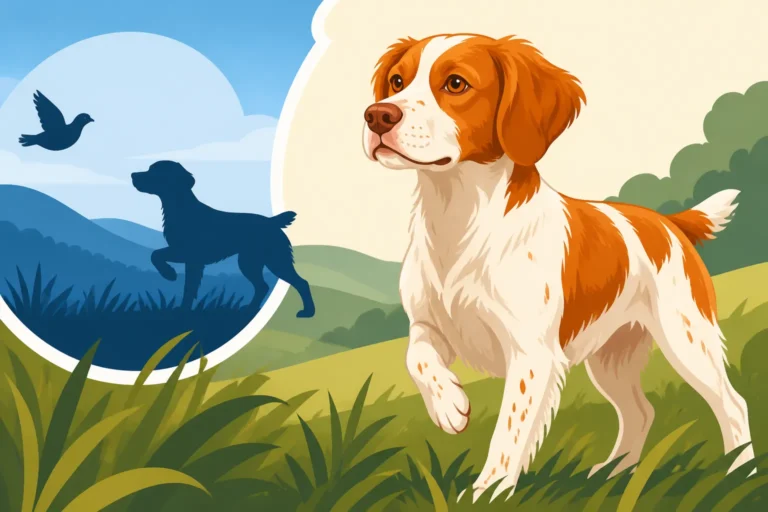
The Brittany, on the other hand, is unequivocally a pointing breed. Like setters, pointers, and German Shorthaired Pointers, a Brittany locates game and then freezes, indicating the bird's precise location by pointing with its nose, tail, and body. This crucial distinction, the steady point, is what separates a pointer from a flusher. Breed enthusiasts and the American Brittany Club felt strongly that the "Spaniel" designation was misleading and did not accurately represent the breed's inherent pointing ability, which is, after all, what makes them such exceptional bird dogs. It was a matter of identity and precise classification. You can read more about Why the AKC Changed the Brittany's Name.
The Year It Happened: 1982
The official date for this significant name alteration was 1982. This change was a culmination of years of discussion and advocacy within the Brittany community in the United States. While the breed had been recognized by the AKC since 1934, the original "Brittany Spaniel" title persisted. The shift to just "Brittany" was an effort to align the breed's name with its undeniable place among the pointing breeds in the sporting group.
It wasn't just a semantic change; it was a statement about the breed's unique capabilities. Owners and breeders wanted the name to accurately convey what this dog does in the field. Imagine trying to explain to someone new to hunting dogs that your "spaniel" actually points. It could create confusion about expectations. By officially recognizing them simply as "Brittany," the AKC solidified their status as true pointers, a distinction that is incredibly important in the world of gundog performance and competition. If you're curious about the specifics, check out When the AKC Dropped Spaniel From the Brittany's Name.
Why "Brittany Spaniel" Still Lingers in Conversation
Despite the official change over four decades ago, it’s undeniably true that you still hear people refer to them as "Brittany Spaniels." Walk into a rural feed store, mention your dog at a family reunion, or even browse some older dog forums, and you’ll likely encounter the full, original name. It’s not out of ignorance, but often a mix of tradition, familiarity, and a touch of nostalgia.
The Power of Habit and Tradition
Think about how difficult it is to change common parlance once it's deeply ingrained. For generations, these dogs were known by the longer name. Many people grew up with "Brittany Spaniels," their parents and grandparents used the term, and it simply stuck. It’s like how some people still call tissue "Kleenex" or refer to any adhesive bandage as a "Band-Aid"—the brand or original name becomes synonymous with the product or, in this case, the breed.
This is especially true in areas where hunting traditions run deep. Older hunters, who have seen countless Brittanys work in the field over many decades, might instinctively use the name they've always known. It’s not a slight against the breed or a misunderstanding of its pointing ability; it’s simply the comfortable echo of tradition. For many, it’s less about official registries and more about the dog they've always loved and admired.
Regional Differences and Casual Usage
The persistence of "Brittany Spaniel" can also vary geographically. In some regions, particularly those with a strong history of bird hunting and established dog communities, the older name might be more common. In other, perhaps more urban or newer dog-owning circles, the shorter "Brittany" might be exclusively used. It truly depends on who you're talking to and where you are.
Furthermore, in casual conversation, precision sometimes takes a backseat to clarity. If someone says "Brittany Spaniel," most people understand exactly which dog they mean. It’s a descriptive term that, for a long time, accurately conveyed both the breed's origin and its general type (a gundog, not a terrier or a hound). Even if technically incorrect by current AKC standards, it communicates the idea effectively. It's often harmless, a nod to history rather than a point of contention. The key is that the dog itself remains the same wonderful companion, regardless of whether you add "Spaniel" to its name.
The Impact on Breed Identity and Understanding
Does it truly matter what people call them? For the dog, of course not. They respond to their given name and your affection, not their breed designation. But for breed enthusiasts, breeders, and those trying to educate the public, the name does carry weight, impacting how the Brittany is perceived and understood.
Reinforcing the Pointing Dog Identity
The American Brittany Club and dedicated breeders have worked tirelessly to ensure the Brittany is recognized and respected as a premier pointing breed. Dropping "Spaniel" from the name was a critical step in solidifying this identity. When someone hears "Brittany," without the "Spaniel," the immediate association for those familiar with sporting dogs is usually "pointer." This helps to correctly categorize the breed in people's minds, especially those new to hunting dogs, and prevents misconceptions about its working style.
This clarity is particularly important in competitive dog sports, like field trials and hunt tests, where the distinction between pointing and flushing breeds is fundamental to the rules and judging criteria. Referring to a Brittany as a "spaniel" could subtly undermine its position within the pointing dog community or create confusion about its unique talents. It’s about ensuring the breed gets the credit it deserves for its distinct pointing prowess.
Potential for Confusion for New Owners
For someone new to the world of gundogs, the dual naming can be genuinely confusing. They might encounter references to "Brittany Spaniels" online or from older acquaintances and then see "Brittany" on official kennel club websites or from breeders. This can lead to questions like, "Are these two different breeds?" or "Is one type better than the other?" This is a common frustration for folks trying to learn about the breed.
Imagine doing your research, maybe on a site like Chewy, looking for appropriate food or training gear, and half the search results say "Brittany" while others say "Brittany Spaniel." It can make navigating information unnecessarily complicated. Educating potential owners about the name evolution helps them understand that it's the same fantastic dog, regardless of the historical appendage. This consistency in terminology assists in a clearer understanding of the breed's characteristics, temperament, and training needs from the outset.
Official vs. Common Usage: What to Call Your Dog
So, what's the verdict? Should you call your beloved orange and white companion a "Brittany" or a "Brittany Spaniel"? The answer often depends on context, but understanding the official stance and common parlance will help you navigate conversations with confidence.
When to Use "Brittany"
For all official purposes, "Brittany" is the correct and preferred name. This includes:
- Registration papers: When registering your dog with the American Kennel Club (AKC) or other official breed registries.
- Dog shows and hunt tests: All entries and official communications will use "Brittany."
- Veterinary records: Most veterinarians will use the official breed name.
- Breed club discussions: Members of the American Brittany Club or other regional Brittany clubs will almost exclusively use "Brittany."
- When educating others: If you're specifically trying to explain the breed's pointing nature or clarify its classification, using "Brittany" is best.
Using the official name shows respect for the breed standard and the efforts of breeders and clubs to accurately represent the dog's characteristics. It also helps reinforce the correct classification for anyone new to the breed.
Acknowledging "Brittany Spaniel"
While "Brittany" is the official name, you’ll undoubtedly still hear and see "Brittany Spaniel." There's no need to correct every single person you encounter, especially if they are older or it's a casual conversation. Here's why and when it's acceptable:
- Historical context: When discussing the breed's history, it's perfectly fine to acknowledge its original name.
- Older generations: Many seasoned hunters and dog lovers grew up with the term and continue to use it out of habit or affection. It's often a term of endearment, rather than a factual error in their minds.
- General public: Outside of dedicated dog circles, many people simply aren't aware of the name change and use the more familiar term.
- Search engines: Acknowledging that "Brittany Spaniel" is still a commonly searched term means you'll see it pop up when looking for things like breed information, reputable breeders, or products on sites like Chewy.
The most important thing is that the dog is loved and understood. As a Brittany owner, you become an ambassador for the breed. You can gently educate when appropriate, but largely, it's a matter of choosing your battles. The name may evolve, but the spirit of the lively, intelligent, and dedicated Brittany remains constant, whether you're hiking a field or curling up on the couch.
Beyond the Name: American Brittany vs. Epagneul Breton
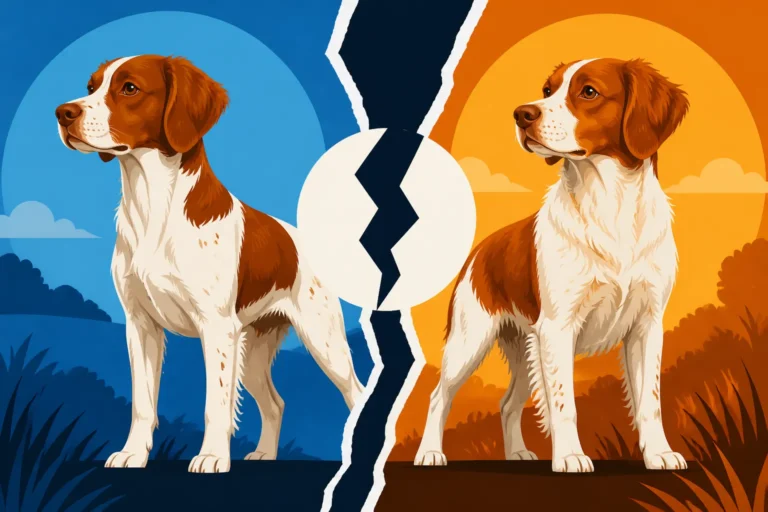
To add another layer of nuance to the discussion of names and identity, it's important to touch upon the distinction between the American Brittany and the Epagneul Breton, the original French version of the breed. While they share common ancestry, they have, over time, developed some subtle differences, which can sometimes influence discussions around names.
Two Sides of the Same Coin, Evolving Apart
The Epagneul Breton is the French-bred version of what we call the Brittany. "Epagneul" is the French word for spaniel, and "Breton" refers to the region of Brittany. So, literally, it translates to "Brittany Spaniel" in French. In France, and with the Fédération Cynologique Internationale (FCI), they are still formally recognized as Epagneul Breton.
Over decades, as the breed developed independently in the United States and France, slight variations in breed standards and desired traits emerged. The American Brittany, particularly those bred for field trials, often tends to be a bit larger, with a preference for a wider-ranging dog that can cover vast expanses of open country quickly. The French Brittany, or Epagneul Breton, often remains closer to the classic French standard of a compact, close-working dog, ideal for the walking hunter in denser cover. You can learn more about How a French Brittany Differs From an American One.
Key Differences and Similarities
While both are phenomenal pointing dogs and share the same core temperament—intelligent, biddable, and affectionate—there are some characteristics that tend to distinguish them.
| Feature | American Brittany (AKC) | Epagneul Breton (FCI/French) |
|---|---|---|
| Official Name | Brittany | Epagneul Breton |
| Typical Hunting Style | Often bred for wider range, covering large fields | Typically closer working, suited for walking hunters/dense cover |
| Average Size | Can be slightly taller (up to 20.5 inches), often leggier | Generally more compact, shorter (up to 20 inches) |
| Allowed Colors | Orange & white, liver & white, roan, tricolor | Same, but black & white/tricolor is allowed and recognized |
| Tail | Natural bobtail or docked | Natural bobtail or docked, similar to AKC |
| Temperament | Energetic, eager to please, highly intelligent | Very similar: biddable, energetic, affectionate, focused |
This comparison helps illustrate that even within the same ancestral breed, different kennel clubs and breeding goals can lead to subtle divergences, and indeed, different naming conventions. So, when someone asks if you have a "Brittany Spaniel," they might be unconsciously, or consciously, referring to the broader, historical European context of the breed. Ultimately, no matter which side of the pond your Brittany's lineage hails from, or what you call them, they are truly remarkable dogs. For those looking for a specific type, researching whether A French Brittany Suits an American Hunter might be a good idea.
Disclaimer
This article is for general informational purposes only and does not constitute professional advice. Laws, prices and regulations vary by location and change over time. Consult a qualified professional for guidance on your specific situation.