How Often an Aging Brittany Should Be Weighed
It’s a common worry for all of us who share our lives with a Brittany: as they age, how do we know if they’re truly thriving, or if a subtle health issue is brewing beneath the surface? One of the most silent yet powerful indicators of your senior Brittany's health is their weight. It's not just a number on a scale; it's a window into their metabolism, comfort, and overall well-being. This guide aims to empower you with the knowledge to monitor your aging Brittany's weight effectively, understand what those numbers mean, and partner with your vet to ensure their golden years are as healthy and happy as possible.
Why Monitoring Your Aging Brittany's Weight Is So Critical
As our beloved Brittanys transition into their senior years, their bodies undergo a symphony of changes. Their once boundless energy might mellow, their metabolism could slow, and various age-related health conditions might start to emerge. In this landscape of shifting needs, weight becomes a vital sign, a crucial piece of the puzzle that often tells us more than we realize. Dismissing a few extra pounds or a gradual decrease as "just old age" can mean missing early cues for conditions that are far easier to manage when caught in their nascent stages.
The Silent Language of Weight Fluctuations
Our senior Brittanys, especially those with that strong hunting instinct, are masters at stoicism. They'll often hide pain or discomfort until it becomes undeniable, a trait that makes them resilient but also challenges us to be ever-observant. This is where weight monitoring truly shines. A creeping weight gain might hint at a sluggish thyroid, or perhaps worsening joint pain that's making them less active. Conversely, a steady decline in weight, even if subtle, could be the first whisper of a dental issue making eating painful, kidney disease, a developing tumor, or even just inefficient nutrient absorption. These fluctuations are not just cosmetic; they are messages from your dog's internal system. By regularly checking their weight, you gain a unique insight, allowing you to investigate potential issues before they escalate. It's a proactive step in ensuring their comfort and extending their quality of life. Sometimes, these changes come alongside other shifts, making it important to also consider What Changes in an Aging Brittany.
Detecting Hidden Pain and Mobility Issues
Imagine carrying a backpack filled with five extra pounds all day, every day, especially if your knees or hips are already a bit creaky. That's essentially what an overweight senior Brittany experiences. Extra body fat puts increased stress on joints that may already be contending with age-related arthritis or old injuries from their working days. Even a modest weight increase can intensify conditions like hip dysplasia, making it harder to stand up, lie down, or navigate stairs. This discomfort, in turn, often leads to reduced activity, creating a vicious cycle of further weight gain and worsening mobility.
On the other side of the coin, a sudden or consistent weight loss might signify pain when chewing food, or that their body is expending more energy fighting an illness. They might also be losing muscle mass due to neurological issues or general frailty, which can impact their ability to move fluidly. Regular weigh-ins allow you to connect these numerical changes with your observations of their physical behavior, such as a reluctance to jump into the car, a slower pace on walks, or difficulty maintaining balance. This combined information is incredibly valuable for your veterinarian, offering a clearer diagnostic picture and guiding treatment options to keep them as comfortable as possible. You want to support them so they can continue to enjoy their favorite activities, even if How Far an Aging Brittany Should Still Run becomes a bit shorter.
Informing Dietary Adjustments and Medical Interventions
Accurate weight data forms the cornerstone of effective senior dog care. If your Brittany is tipping the scales upwards, it's a clear signal to re-evaluate their caloric intake and activity levels. If they're losing weight, it's a call to action for a veterinary investigation into potential underlying health conditions. This numerical record is indispensable for your vet, helping them track the progression of chronic diseases, assess the effectiveness of current medications, or fine-tune dosages. For example, precise weight is critical for calculating the correct dose of pain relievers, heart medications, or thyroid supplements, especially in older dogs whose kidney and liver function might be less robust. Without this vital information, medication dosages can become less precise, potentially leading to suboptimal treatment or unwanted side effects. It’s an integral part of Caring for an Old Brittany.
How Often and How to Accurately Weigh Your Senior Brittany
Understanding the why is the first step; the next is the how and how often. Many dog owners rely solely on the annual vet visit for a weight check, but for an aging Brittany, this infrequent measurement often misses the subtle shifts that warrant earlier intervention. Integrating regular weigh-ins into your home routine can provide a powerful proactive health monitoring tool.
Recommended Weighing Frequency for Senior Brittanys
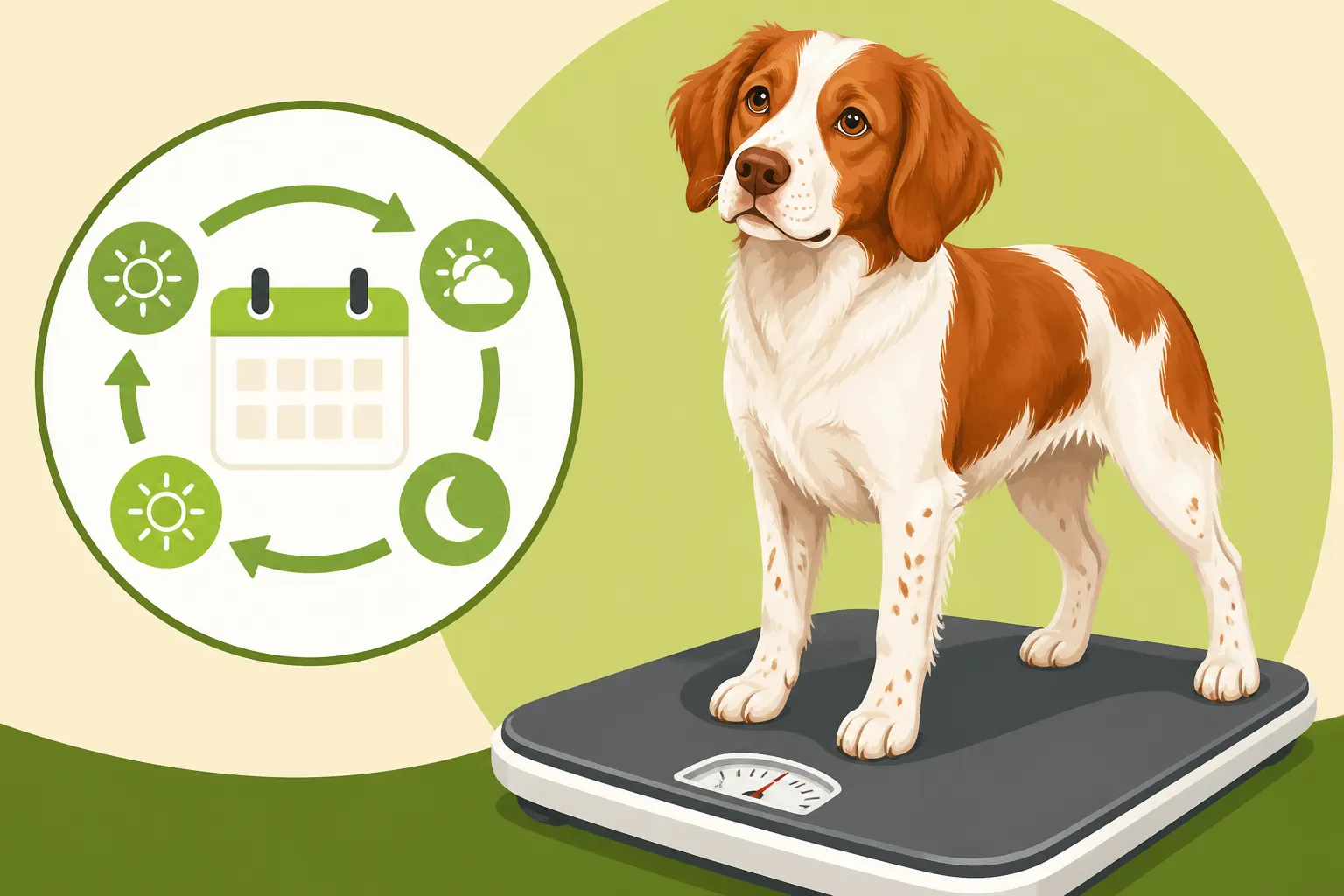
For most senior Brittanys enjoying good health, I strongly recommend a monthly weigh-in. This consistent cadence allows you to identify gradual weight changes—both gains and losses—before they become significant health concerns. If your Brittany has a known chronic condition that can impact weight, such as diabetes, heart disease, or a diagnosed thyroid issue, your veterinarian might suggest increasing the frequency, perhaps to weekly or bi-weekly checks.
The goal here is proactive observation. Think about it: catching a half-pound change over a month provides a much earlier opportunity for intervention than noticing a five-pound shift over six months. Early detection often means simpler, less invasive, and more effective treatments, potentially preventing conditions from escalating. This regular rhythm helps you stay intimately connected to your senior Brittany's physical state, allowing you to respond swiftly and thoughtfully to their evolving needs.
Practical Methods for Home Weighing
Weighing a dog at home, especially a medium-sized and sometimes wiggly Brittany, might sound like a challenge without a dedicated veterinary scale. However, there are several practical and effective methods you can employ to get accurate readings:
-
The "You-and-Your-Dog" Method (Bathroom Scale): This is the most common and easily accessible method for many owners.
- Step 1: First, step onto your bathroom scale and get an accurate reading of your own weight. Jot it down.
- Step 2: Next, carefully pick up your Brittany (only if it's safe and comfortable for both of you, especially if they are getting to the size where they need Whether an Aging Brittany Needs Help Into the Truck) and step onto the scale together. Note this combined weight.
- Step 3: Subtract your weight from the combined weight. The resulting number is your Brittany's weight.
- Pro Tip: For the most consistent results, always use the same scale, and try to weigh at roughly the same time of day, ideally before breakfast, to minimize fluctuations due to food or water intake.
-
Dedicated Pet Scales: For larger Brittanys, those who are difficult to lift, or simply for owners who want maximum convenience and accuracy, a specialized pet scale is a worthwhile investment.
- These scales are designed with a larger, sturdier platform and often a higher weight capacity than typical bathroom scales. Many come with features like weight hold (to capture the reading even if your dog moves) and even memory functions to track progress.
- Place the scale in a familiar and comfortable area for your Brittany, perhaps near their favorite bed or food bowl. Use positive reinforcement, like tasty treats from Chewy or Amazon, to encourage them to step on and stand still.
- While there's an initial cost, the ease of use, accuracy, and detailed data these scales provide can offer immense peace of mind for monitoring a senior dog's health.
-
Utilizing Vet Clinic Scales: While home weighing is crucial for regular monitoring, the professional, calibrated scales at your veterinary clinic serve as important benchmarks.
- These scales are typically more precise, and the vet staff can ensure your Brittany is positioned correctly for an accurate reading.
- If you have any doubts about the accuracy of your home scale, a quick check at the vet during another scheduled visit can help you calibrate your expectations for your home readings.
Remember, consistency is paramount. Whichever method you choose, stick with it and perform weigh-ins under similar conditions to accurately track trends over time.
Table: Practical Home Weighing Methods for Senior Brittanys
| Method | How It Works | Pros | Cons |
|---|---|---|---|
| You-and-Your-Dog | Weigh self, then self + dog; subtract self. | Cost-effective (uses existing scale), easy for smaller, cooperative dogs. | Can be less accurate for squirmy dogs; requires lifting; limited by scale capacity. |
| Dedicated Pet Scale | Dog stands on specialized large platform. | High accuracy, hands-free, designed for animal weight, often includes features. | Initial investment, takes up space, dog may need training to use. |
| Vet Clinic Scale | Professional scale at vet's office. | Most accurate due to calibration, staff assistance, official record. | Less frequent, requires travel, not practical for daily/weekly checks. |
Interpreting Normal Fluctuations vs. Red Flags
Simply recording a number is only half the battle; the true value comes from understanding what that number signifies for your aging Brittany. A slight fluctuation of a pound or two might be perfectly normal, but a consistent upward or downward trend is a clear signal that deserves your attention.
Normal Fluctuations vs. Concerning Trends:
It's quite typical for a dog's weight to vary by a small margin (e.g., 0.5-1.5 pounds) day-to-day or week-to-week, influenced by factors like hydration, recent meals, or even minor differences in how they stand on the scale. What you're truly looking for are patterns and trends over time. Is the weight steadily creeping up, or is it consistently declining across multiple weigh-ins?
Concerning Weight Gain:
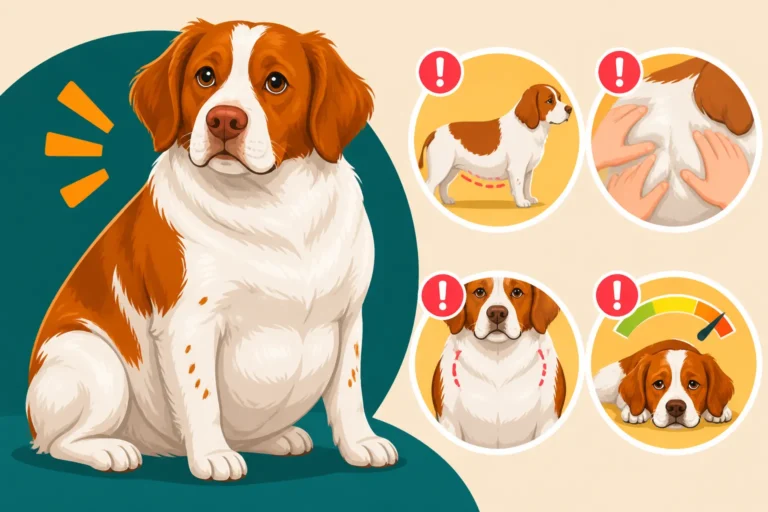
- Key Signs: A sustained increase of 3-5% or more of their body weight over a period of a few months. You might notice their ribs are harder to feel, their waistline has disappeared, or they have a noticeably rounder, "barrel-like" appearance. Their old harness or collar might feel snug.
- Potential Underlying Causes: Decreased activity due to aging or pain, overfeeding (even slightly), metabolic changes as they age, hypothyroidism (Signs a Brittany's Thyroid Is Low), or even fluid retention (though this often presents more rapidly).
- Recommended Action: Review their current food portions and caloric content, making sure to account for all treats and table scraps. Increase gentle, low-impact exercise. Schedule a vet visit to discuss these changes and rule out any underlying medical conditions. Often, discussions around Whether an Aging Brittany Needs Fewer Calories become very relevant here.
Concerning Weight Loss:
- Key Signs: A sustained decrease of 3-5% or more of their body weight over a few months. You'll likely notice their ribs, spine, and hip bones becoming more prominent, along with visible muscle wasting, particularly over their head and hindquarters.
- Potential Underlying Causes: Dental pain making it difficult to eat, kidney disease, heart disease, various types of cancer, diabetes, malabsorption issues, inflammatory bowel disease, or simply a reduced appetite due to discomfort or illness. How a Brittany Hides Pain means you might not see other obvious symptoms yet.
- Recommended Action: Any unexplained, sustained weight loss warrants an immediate veterinary visit. This is often a critical red flag and requires prompt diagnostic tests, such as blood work, urinalysis, and potentially imaging, to pinpoint the cause. You might also explore options like highly palatable or specialized senior diets, as sometimes Whether an Aging Brittany Needs Softer Food can make a big difference in their willingness to eat.
When to Consult Your Veterinarian
The rule of thumb here is simple: if you notice any unexplained, sustained change in your aging Brittany's weight, it's time to consult your veterinarian. This isn't about being overly anxious, but about embracing a proactive stance towards their health. Early detection almost always leads to more favorable outcomes, simpler treatments, and less stress for both you and your beloved companion.
Consider these specific scenarios for reaching out to your vet:
- Persistent Weight Gain Despite Efforts: If, even after carefully adjusting their diet and increasing gentle exercise, your Brittany continues to gain weight or struggles to lose it, this strongly suggests an underlying metabolic, hormonal, or endocrine imbalance that requires medical investigation.
- Any Unexplained Weight Loss: This is perhaps the most significant red flag. Weight loss without a clear, identifiable cause (like a drastic diet change or known illness) should always prompt a thorough veterinary check-up. As Brittanys are notoriously good at masking pain and illness, this could be the very first tangible sign of a serious health issue.
- Weight Changes Accompanied by Other Symptoms: If the weight shift is observed alongside other concerning signs—such as increased thirst or urination, lethargy, vomiting, diarrhea, a new cough, or increased difficulty with movement—a vet visit is imperative. These concurrent symptoms will provide your vet with valuable clues to narrow down potential diagnoses.
During your visit, your vet will perform a comprehensive physical examination. Based on their findings, they may recommend diagnostic tests like blood panels (What a Brittany's Yearly Bloodwork Should Cover), urine analysis, and possibly imaging (X-rays or ultrasound) to get a complete and accurate picture of your Brittany's internal health. Partnering with your vet is the best way to ensure your senior Brittany receives the individualized care they need.
Supporting Healthy Weight in Senior Brittanys
Maintaining a healthy weight for your senior Brittany isn't just about reacting to problems; it's about actively fostering their well-being and enhancing their quality of life. This requires a thoughtful, holistic approach that carefully balances their diet, exercise, and overall lifestyle needs as they mature.
Tailoring Diet to an Aging Metabolism
As Brittanys gracefully enter their senior years, their bodies' needs shift significantly. Their metabolic rate typically slows down, and their overall energy requirements decrease. Continuing to feed them the same volume or type of food they thrived on during their peak hunting years is often a recipe for unwanted weight gain.
- Calorie Adjustment: The first crucial step is to work closely with your veterinarian to determine the appropriate caloric intake for your senior Brittany. This calculation should consider their ideal body weight, current activity level, and any specific health conditions they may have. Many commercial senior dog foods are specifically formulated with reduced calories and an adjusted nutrient profile to support an aging body without promoting excess weight.
- Nutrient Focus: Senior dogs benefit immensely from diets that are highly digestible, rich in antioxidants to combat cellular aging, and often supplemented with joint-supporting ingredients like glucosamine and chondroitin. Look for high-quality senior-specific dog food formulas. Some owners even explore fresh food options; for example, companies like Ollie provide tailored meal plans that can be customized for different life stages and specific health needs, offering a personalized approach to senior nutrition.
- Structured Feeding Schedule: Instead of allowing free-feeding, which can inadvertently lead to overconsumption, switch to measured meals served two or three times a day. This not only helps control their intake but also allows you to consistently monitor their appetite, which can be an early indicator of health changes.
- Smart Treat Choices: It’s easy to underestimate how quickly extra treats add calories. Opt for low-calorie, healthy options like small pieces of plain cooked chicken, carrots, or green beans as rewards. While a special treat from Amazon can be a joy, remember that moderation is always key when managing a senior dog's weight.
Gentle Exercise and Mobility Support
The notion that senior dogs should simply "rest" can be detrimental. While intense, high-impact activities might be a thing of the past, appropriate, gentle exercise remains vital for maintaining muscle mass, supporting joint health, and managing weight. Exercise also keeps their minds engaged and spirits high.
- Modified Exercise Routine: Instead of long, strenuous runs or intense field work, transition to shorter, more frequent walks. Two or three gentle 20-30 minute leash walks daily are often far more beneficial and less taxing than one prolonged, exhausting excursion. Pay attention to their cues and avoid pushing them if they show signs of fatigue or discomfort.
- Low-Impact Activities: If accessible and if your Brittany still enjoys it, swimming is an excellent low-impact exercise. It provides a full-body workout that strengthens muscles without putting undue stress on their aging joints. It's also a fantastic way to keep them active and cool, especially when thinking about How to Keep a Brittany Fit in Summer.
- Mental Engagement: Don't forget the power of mental stimulation. Puzzle toys, short obedience refreshers, or scent games can keep their minds sharp and burn mental energy, which also contributes to their overall well-being.
- Mobility Aids: If arthritis or other mobility issues begin to make movement difficult, consider introducing aids. Ramps for cars or getting onto furniture, elevated food bowls, or even supportive harnesses can make a significant difference in their comfort and ability to move independently. Maintaining mobility directly impacts their ability to exercise and prevent weight gain. When considering Whether an Arthritic Brittany Can Still Hunt, managing their pain and mobility is key.
Regular Health Check-ups and Preventative Care
Consistent and proactive veterinary care is the cornerstone of supporting your senior Brittany's health and weight. These routine check-ups are not merely for emergencies; they are invaluable opportunities to catch subtle health issues early and continuously optimize their ongoing care plan.
- Bi-Annual Examinations: For senior dogs, many veterinarians recommend bi-annual (every six months) check-ups. This increased frequency allows for closer monitoring of all aspects of their health, including weight, dental status, joint integrity, and the function of internal organs.
- Bloodwork and Urinalysis: Routine annual or bi-annual blood tests and urinalysis are critical. These diagnostics can detect changes in kidney and liver function, thyroid hormone levels, and blood sugar imbalances before any visible clinical signs appear. This is especially important for conditions that frequently impact weight, such as diabetes or hypothyroidism. Discussing When a Brittany's Thyroid Should Be Tested with your vet is a good idea as they age.
- Dental Health: A painful mouth, due to dental disease, can significantly reduce your Brittany's willingness to eat, leading to weight loss. Regular dental checks and professional cleanings, when advised by your vet, are crucial for maintaining their appetite and overall health.
- Pain Management Discussions: If your Brittany shows any signs of chronic pain, such as arthritis, speak with your veterinarian about appropriate pain management strategies. Keeping them comfortable allows them to remain more active, maintain muscle mass, and ultimately helps in managing a healthy weight.
By adopting a comprehensive and proactive approach that combines diligent weight monitoring, tailored nutrition, gentle exercise, and consistent veterinary oversight, you can help your aging Brittany navigate their golden years at a healthy, comfortable weight, ensuring every moment you share together is as rich and joyful as possible.
Disclaimer
This article is for general informational purposes only and does not constitute professional advice. Laws, prices and regulations vary by location and change over time. Consult a qualified professional for guidance on your specific situation.