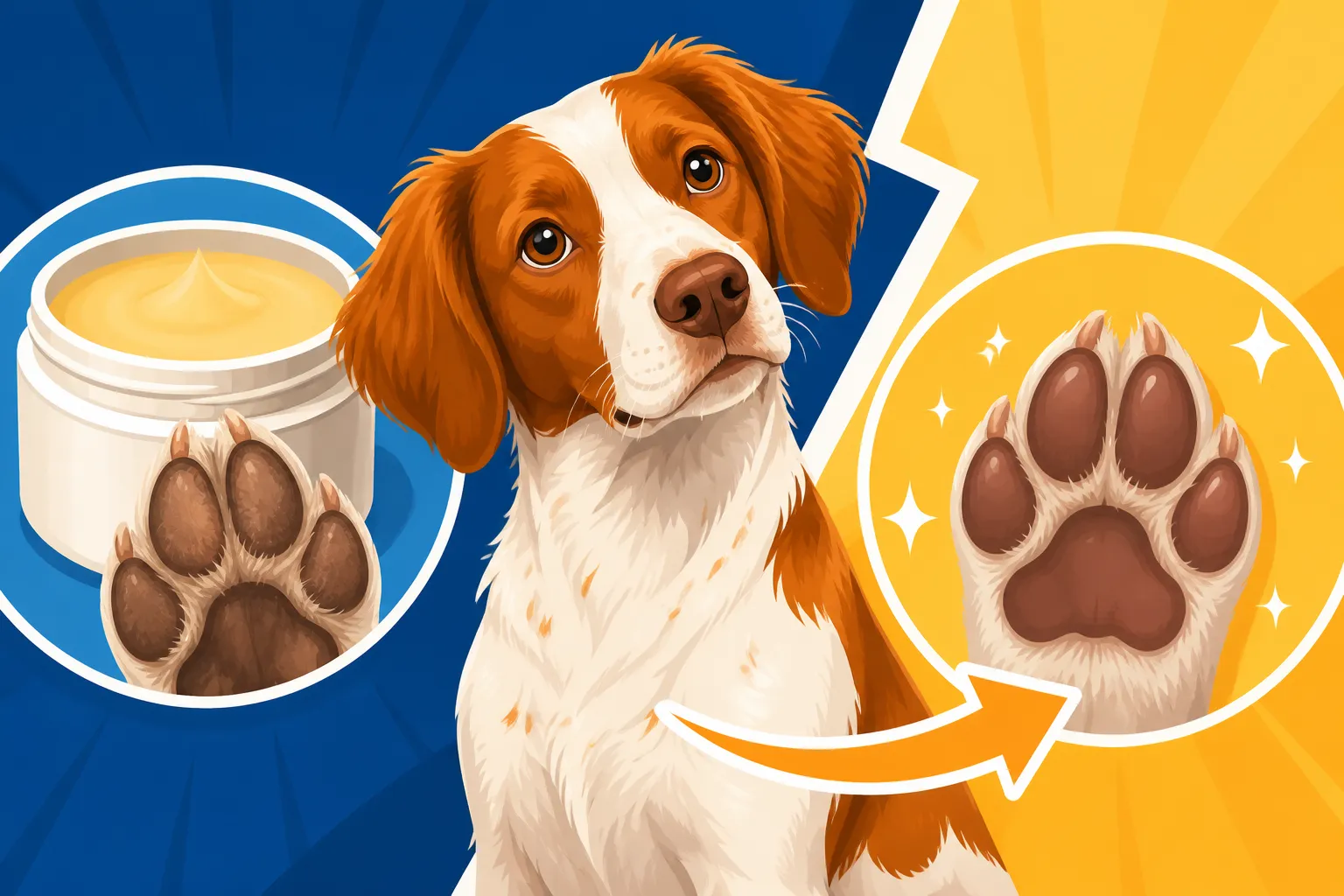
Whether Pad Toughener Works on a Brittany
Every Brittany owner who loves to get out in the field knows the heart-stopping moment: your spirited hunting companion suddenly pulls up lame, or you notice them gingerly favoring a paw. More often than not, it's those hardworking paw pads that have taken a beating, leaving you wondering what you could have done to prevent it. We’ve all seen the various "pad toughener" products on the market, promising to create iron-clad paws. But do they actually work for a Brittany, or are they just another bottle collecting dust in your cabinet? This guide dives deep into the reality of these products and what truly helps your Brittany’s paws endure the rigors of the field.
Understanding Your Brittany's Paw Pads and the Challenges They Face
Let's be real for a moment. Our Brittanys are athletes, built for covering ground, for scenting, and for pointing. Their paws are their primary interface with the hunting world, absorbing impact, gripping uneven terrain, and protecting sensitive tissue from abrasive surfaces. But those pads aren't invincible, and the conditions they face can be brutal.
The Anatomy of a Brittany's Paw Pad
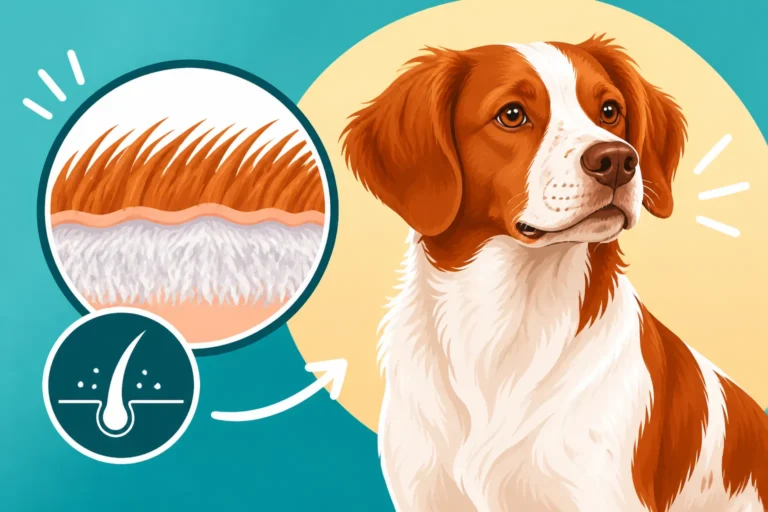
A Brittany's paw pads are wonderfully complex, designed by nature to provide cushioning, traction, and protection. They're made of thick, keratinized skin, much tougher than the skin on other parts of their body, with a fatty layer underneath acting as a shock absorber. This specialized skin is meant to withstand a lot, but it has its limits. Think about your own hands; they toughen up with manual labor, but a sudden, intense job without preparation can still leave them blistered and raw. The same goes for your Brittany's paws. They thrive on gradual conditioning, not sudden, extreme demands.
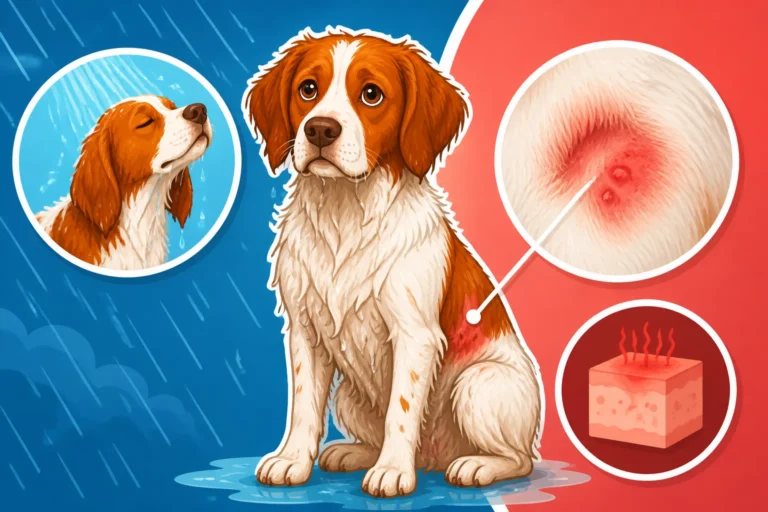
Out in the field, these pads are subjected to an incredible array of stressors. We’re talking sharp stubble from harvested fields, jagged rocks, frozen ground that can be like concrete, or scorching hot pavement during early season training. Then there’s the moisture – wet grass, muddy terrain, crossing streams – which can soften the pads, making them even more vulnerable to tearing and cracking. It's a constant battle, and one we as owners often worry about, especially as hunting season progresses and fatigue sets in. We want to protect them from pain and injury, allowing them to keep doing what they love. A Brittany's Feet Over a Long Season certainly highlights these struggles.
Common Paw Pad Injuries in Hunting Brittanys
The sheer variety of paw pad injuries can be daunting. Tears and lacerations are a frequent occurrence, often from sharp objects hidden in tall grass or simply from the relentless friction of rough terrain. Cracks, especially in colder, drier weather, can be incredibly painful, sometimes even bleeding. Abrasions happen when the top layer of skin wears away, leaving raw, sensitive tissue exposed. And let's not forget the embedded foreign objects: burrs, thorns, tiny splinters, or even grass seeds that work their way between the toes or into the pad itself, causing irritation, infection, or abscesses.
I've seen Brittanys come back from a vigorous morning hunt with pads that look like they've been through a meat grinder. The look on their face, the hesitant steps, it just breaks your heart. It's not just the immediate pain; it's the downtime for healing, which can put a real damper on their training and hunting season. This is why we often reach for something, anything, that promises a solution. It's a testament to our bond with these dogs that we seek every possible way to keep them comfortable and in the field. We want to know how to prevent these issues, and if a pad toughener is the answer, we’re all ears.
The Truth About "Pad Tougheners" and How They Work (or Don't)
When we talk about "pad tougheners," it's easy to imagine a magical elixir that turns delicate paw pads into steel. The reality, however, is a bit more nuanced. Most products on the market don't create new, stronger tissue, but rather work to condition and protect the existing pad.
What Are Pad Tougheners Made Of?
Most traditional pad tougheners contain ingredients designed to dry out the surface layer of the paw pad, promoting a harder, less pliable texture. Common active ingredients often include various forms of alcohol, such as isopropyl alcohol, which has an astringent effect. Tannic acid or other plant-based extracts might also be found, acting as drying agents. The idea is that by making the surface less supple, it becomes more resistant to tears and abrasions. You can find many of these products, like Tuff-Foot or similar formulations, readily available on online retailers like Chewy or Amazon.
Then there's another category, often grouped under "pad tougheners" but perhaps better described as "pad conditioners" or "paw balms." These products focus on moisturizing and healing, using ingredients like beeswax, shea butter, vitamin E, and various oils. Instead of drying, they aim to keep pads supple, preventing cracking and dryness. While they don't toughen in the sense of making the pad harder, a healthy, moisturized pad is often more resilient than a dry, brittle one. The key distinction here is crucial for understanding their effectiveness.
Do They Actually "Toughen" the Pads?
This is the million-dollar question. For most alcohol-based "tougheners," the answer is: not in the way many owners hope. They don't magically add layers of skin or increase natural keratin production. What they can do is dry out the existing superficial layers of the paw pad. This can make the pad feel firmer and less prone to softening from moisture, which might, in turn, make it somewhat more resistant to certain types of minor abrasions. Think of it like a leather boot – drying it out too much can make it stiff and prone to cracking, but a slightly drier, firmer surface might hold up better in very wet conditions than one that's overly soft and waterlogged.
However, over-drying can be counterproductive. Pads that are too dry can become brittle, leading to cracking, especially in cold or very dry environments. A cracked paw pad is excruciatingly painful and can sideline a dog just as quickly as a tear. So, while these products might offer a marginal benefit in very specific conditions, they are far from a cure-all and require careful application to avoid adverse effects. The real "toughening" of a paw pad comes from consistent, gradual exposure and exercise. How to Toughen a Brittany's Pads through proper conditioning is a much more reliable approach.
The Limits and Potential Downsides of Pad Tougheners
It’s important to acknowledge that no topical product can replace the natural adaptation of a dog's body. If your Brittany goes from being a couch potato all summer to suddenly running twenty miles a week on rough terrain, no amount of pad toughener will prevent injury. The pads need to build resilience slowly, just like human feet need to get used to running barefoot or hiking long distances.
A significant downside to alcohol-based tougheners is the potential for irritation. Applying alcohol to an already sensitive or slightly abraded pad can sting and cause discomfort. Some dogs may even lick their paws excessively after application, potentially ingesting the product or irritating their pads further. And, as mentioned, excessive drying can lead to cracking and brittleness, which is exactly what we're trying to avoid. These products are generally not recommended for use on broken skin or open wounds, which limits their utility once an injury has already occurred.
Comprehensive Strategies for Paw Health and Injury Prevention
Instead of relying solely on a single product, a holistic approach to paw health is far more effective for your Brittany. This involves consistent care, smart conditioning, and proactive protection.
Gradual Conditioning and Regular Exercise
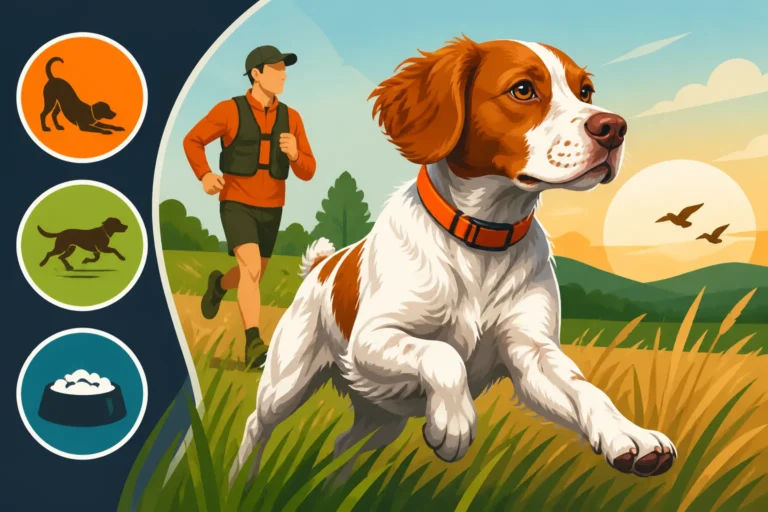
The single most important factor in developing tough, resilient paw pads is consistent, appropriate exercise. Just like a human athlete, a Brittany’s body adapts to the demands placed upon it. Start slow and gradually increase the intensity and duration of runs on varied terrain. If your Brittany is used to soft grass, introduce them to gravel paths, dirt trails, and even some light stubble fields in the off-season. This slow exposure allows the keratin layers to thicken naturally and the pads to become more accustomed to different surfaces.
Imagine taking your Brittany from a plush suburban backyard straight into a rocky grouse cover. No matter how much "toughener" you apply, those pads will likely struggle. Instead, think about daily walks on different surfaces, slowly increasing distance and difficulty. Consistency is key here; short, regular exposure is better than one massive outing followed by weeks of inactivity. This physical conditioning also strengthens the muscles and ligaments in the paw, further contributing to overall paw health and stability. Whether a Brittany Puppy Should Run on Hard Ground is a common question, and the answer is usually 'yes, but gradually.'
Proper Hygiene and Inspection After Every Outing
A critical, yet often overlooked, aspect of paw care is diligent post-hunt inspection and hygiene. After every outing, especially during hunting season, take the time to thoroughly check your Brittany's paws. This means examining each pad, each toe, and the spaces between the toes. Look for cuts, scrapes, punctures, swelling, redness, or any foreign objects like burrs, thorns, or grass seeds. Remember, even a small, seemingly insignificant cut can become a major problem if it gets infected.
I always carry a small first-aid kit in the truck, which includes saline solution for rinsing, antiseptic wipes, and a pair of fine-tipped tweezers for removing embedded debris. Even if your Brittany seems fine, a quick check can catch a problem before it escalates. Dry their paws thoroughly, especially between the toes, to prevent moisture-related skin issues. This routine might feel tedious at first, but it can save you a lot of heartache and vet bills down the line. What to Check on a Brittany After Every Outing cannot be stressed enough.
Using Paw Balms and Protective Gear
While traditional "tougheners" have their limitations, paw balms and waxes are incredibly beneficial. Products like Musher's Secret or various natural paw balms work by creating a protective barrier on the pad, shielding it from harsh elements like ice, snow, salt, hot pavement, or abrasive surfaces. They also moisturize, which is vital for preventing dryness and cracking. Applying a balm before an outing and again at night can make a huge difference in keeping pads supple and resilient. These balms can be easily found on Amazon or Chewy.
For extreme conditions or when an injury makes a paw vulnerable, dog boots are an absolute game-changer. I know, some dogs hate them, and getting them to accept boots can be a training challenge. But for situations like crossing miles of sharp stubble, hunting in deep snow and ice, or protecting a healing wound, boots are invaluable. They offer a physical barrier that no topical treatment can match. Experiment with different brands and styles to find what fits your Brittany best and train them to wear boots before you truly need them in the field. Whether a Brittany Needs Boots in the Field is a question many hunters face, and often, the answer is yes, at least for certain conditions.
Nutrition and Overall Health
Don't underestimate the role of internal health in external resilience. A well-nourished Brittany with a balanced diet will have healthier skin, coat, and paw pads. Ensure your dog's food provides adequate protein, essential fatty acids (like Omega-3s and 6s), and vitamins. These nutrients are crucial for skin integrity and wound healing.
Consider the quality of your Brittany's diet. A high-quality dog food, or even fresh food options like those from Ollie, can provide superior nutrition that supports skin health from the inside out. If you notice persistent paw issues like dryness, brittleness, or slow healing, it might be worth discussing your Brittany's diet with your veterinarian. Sometimes, a supplement, such as fish oil, can also contribute to healthier skin and pads.
Here's a quick comparison of different paw care approaches:
| Approach | Primary Mechanism | Pros | Cons | Best Use Case |
|---|---|---|---|---|
| Traditional Toughener | Dries/hardens surface layers | May prevent softening in wet conditions | Can over-dry, cause cracking, irritation, limited true "toughening" | Occasional use for minor hardening in damp environments |
| Gradual Conditioning | Natural physiological adaptation | Most effective long-term toughening, builds resilience | Requires time and consistency, no instant results | Baseline for all working dogs, year-round |
| Paw Balms/Waxes | Moisturizes, creates barrier | Prevents cracking, protects from elements | Needs reapplication, can feel greasy, not a "toughener" | Daily use for moisture balance, pre-hunt protection |
| Protective Boots | Physical barrier | Superior protection from extreme conditions | Can be cumbersome, requires training, dog may dislike | Harsh terrain, extreme weather, injury protection |
| Nutrition & Health | Internal physiological support | Builds overall resilience, supports healing | Long-term impact, not an immediate fix | Foundation for all health, year-round |
Making an Informed Decision for Your Brittany's Paws
Ultimately, deciding whether a "pad toughener" is right for your Brittany involves understanding its limitations and integrating it into a broader paw care strategy. No single product will replace diligent care and smart training.
When a Pad Toughener Might (and Might Not) Be Useful
An alcohol-based pad toughener might offer a marginal benefit in specific scenarios, such as when you anticipate prolonged exposure to extremely wet conditions that could soften pads excessively. In such cases, applying it sparingly and cautiously might help maintain some firmness. However, for general conditioning and protection, particularly against abrasion, dryness, and cracking, its benefits are often outweighed by the potential downsides.
It's crucial not to use these products as a substitute for gradual conditioning or proper injury prevention. They won't make up for a lack of fitness or protect against major trauma. If your Brittany frequently suffers from torn pads or severe abrasions, it’s not a lack of "toughening" that's the problem; it's likely a combination of insufficient conditioning, unsuitable terrain, or inadequate protection. Remember, if you do choose to use one, always test a small area first and monitor for any adverse reactions. How Often a Brittany Tears a Pad can give you an idea of typical injury rates, reminding us that prevention is often better than a quick fix.
Prioritizing Prevention and Prompt Treatment
The best offense is a good defense when it comes to paw pads. Focus your energy on these key areas:
- Consistent, varied exercise year-round: This is foundational. Building tough pads is a marathon, not a sprint.
- Daily paw inspections: Make it a habit. Catching a small problem early can prevent a big one.
- Use quality paw balms: These protect and moisturize, enhancing natural resilience.
- Consider boots for harsh conditions: Don't be afraid to use them when the terrain demands it.
- Maintain excellent overall health and nutrition: A healthy dog is a resilient dog.
If, despite all your efforts, your Brittany does sustain a paw injury, prompt and appropriate treatment is essential. Clean the wound thoroughly, assess its severity, and seek veterinary attention if it's deep, bleeding excessively, or if you suspect infection. Trying to "toughen" an injured pad will only exacerbate the problem. How to Treat a Brittany's Torn Pad correctly can significantly reduce healing time and prevent complications.
Caring for your Brittany’s paws is an ongoing commitment, much like all aspects of their well-being. By focusing on comprehensive care rather than quick fixes, you'll ensure your loyal hunting companion remains happy, healthy, and ready for many more seasons in the field.
Disclaimer
This article is for general informational purposes only and does not constitute professional advice. Laws, prices and regulations vary by location and change over time. Consult a qualified professional for guidance on your specific situation.