Whether a Brittany Should Wear Ear Protection in Cover
Any Brittany owner who’s spent a day hunting thick cover knows the gut-wrenching worry of what might be lurking in their dog’s long, feathery ears when they finally emerge. From burrs to foxtails, torn skin to painful infections, our active Brittanys face a gauntlet every time they hit the field. This guide dives deep into whether ear protection is a wise choice for your hunting Brittany and what options are out there to keep those sensitive ears safe.
Why Your Brittany's Ears Are So Vulnerable in the Field
It’s no secret that Brittanys are built for the field. They are tireless, enthusiastic, and will dive headfirst into the densest cover if there's a bird to be found. Unfortunately, their beautiful, drop ears, while perfect for flushing game, are also incredibly susceptible to injury and irritation when they're working hard.
The Anatomy of a Brittany's Ear: A Design Flaw for the Field
Think about it: your Brittany's ears hang down, covered in soft, often dense feathering. This design is fantastic for many things, like helping them focus their hearing on faint bird calls or looking incredibly regal in a still pose. However, when they're crashing through thorny brambles, thick briar patches, or tall, seedy grass, these ears become a magnet for trouble. The delicate skin on the ear flap can easily get cut or scraped by sharp twigs, barbed wire, or even rough stubble. The long feathering, which looks so handsome, readily snags burrs, ticks, and particularly nasty things like foxtails. These aren't just cosmetic issues; deep cuts can get infected, and embedded plant material can cause severe problems. For instance, How Grass Seeds Get Into a Brittany's Ear is a common and painful issue many owners face, and it can happen much more easily when the ear isn't protected.
Common Field Hazards That Threaten Brittany Ears
The types of cover Brittanys excel at hunting are often the very environments that pose the biggest risks to their ears. Imagine your Brittany enthusiastically quartering through a field edged with multiflora rose – those thorns are merciless. Or picture them plunging into a cattail marsh, where sharp, stiff leaves can whip against their ear flaps.
- Thorns and Briars: These are probably the most obvious culprits. A dog pushing through a thicket of blackberry bushes or hawthorn trees can come out with dozens of tiny punctures or long, painful scratches on their ears. These wounds, even if minor, can open the door for bacterial infections, especially in a warm, moist environment like a floppy ear.
- Burrs and Sticky Seeds: Brittanys are absolute burr magnets. Their feathering, especially on the ears, belly, and legs, seems designed to collect every sticky seedpod in the county. While often just annoying to remove, some burrs can become so tightly matted that they pull at the skin, causing irritation or even small wounds. The process of removing them, especially if they’ve really taken hold, can be stressful for both you and your dog.
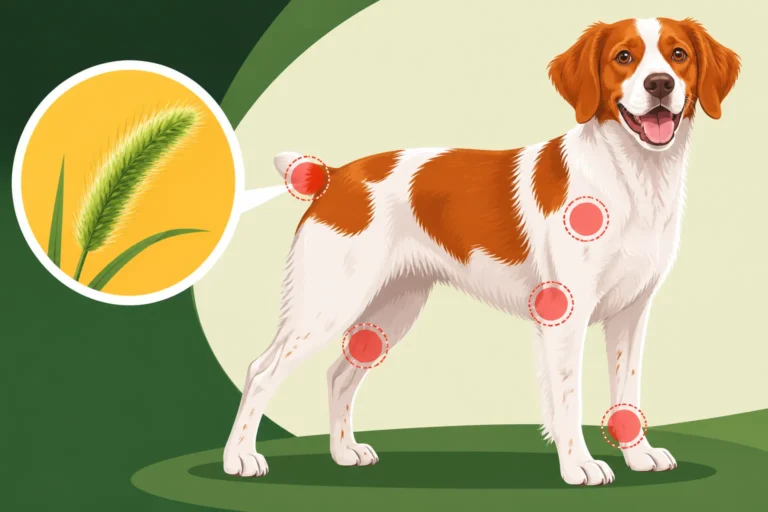
- Grass Awns and Foxtails: These insidious plant parts are a particular nightmare. Foxtails, in particular, are barbed and designed to burrow forward, not backward. If one gets caught in the ear canal, it can migrate deeper, causing intense pain, infection, and potentially serious damage to the eardrum. It’s why checking your Brittany meticulously after every hunt is paramount, even if you’ve used some form of protection. What to Check on a Brittany After Every Outing is a good resource to remind yourself of all the vulnerable spots.
- Aural Hematomas: While not a direct result of cover, repeated trauma to the ear flap, such as vigorous head shaking due to irritation from burrs or an infection, can lead to an aural hematoma. This is where blood vessels burst between the cartilage and skin of the ear, causing a painful, blood-filled swelling. It’s a costly and uncomfortable condition to treat, and prevention is always better than cure. You might be surprised to learn Whether a Brittany Gets an Aural Hematoma, but it's a very real concern for active dogs.
Exploring Ear Protection Options for Your Hunting Brittany
Given the myriad of threats, it's understandable that many Brittany owners seek ways to protect their dog's ears. The good news is, you're not alone, and there are several approaches you can take, from simple home remedies to purpose-built gear.
Commercial Ear Covers and Snoods
For dedicated ear protection, several products are designed specifically for hunting dogs. These often come in durable, snag-resistant fabrics.
-
Snoods: These are essentially fabric tubes that slip over your dog's head and cover their ears, holding them snugly against the head. Think of them like a neck warmer that extends to cover the ears.
- Pros: Snoods are generally lightweight and breathable. They offer excellent protection against burrs, foxtails, and minor scrapes, keeping the ears tucked away from direct contact with heavy cover. They're often washable and can be relatively inexpensive. Many hunters swear by them for keeping ears clean and clear, especially in very seedy conditions. You can find a good variety on sites like Chewy or Amazon, making them easily accessible.
- Cons: Some dogs find them uncomfortable or try to shake them off. If the fit isn't perfect, they can rub or irritate the skin, especially if worn for long periods in wet conditions. They might also make it harder for your Brittany to use their hearing as effectively, though most dogs adjust. Also, in extremely hot weather, an extra layer of fabric could contribute to overheating, so monitor your dog closely.
- Best Use: Ideal for hunting in fields with lots of burrs, foxtails, or moderate brush. Great for preventing debris from getting into the ear canal or tangling in the feathering.
-
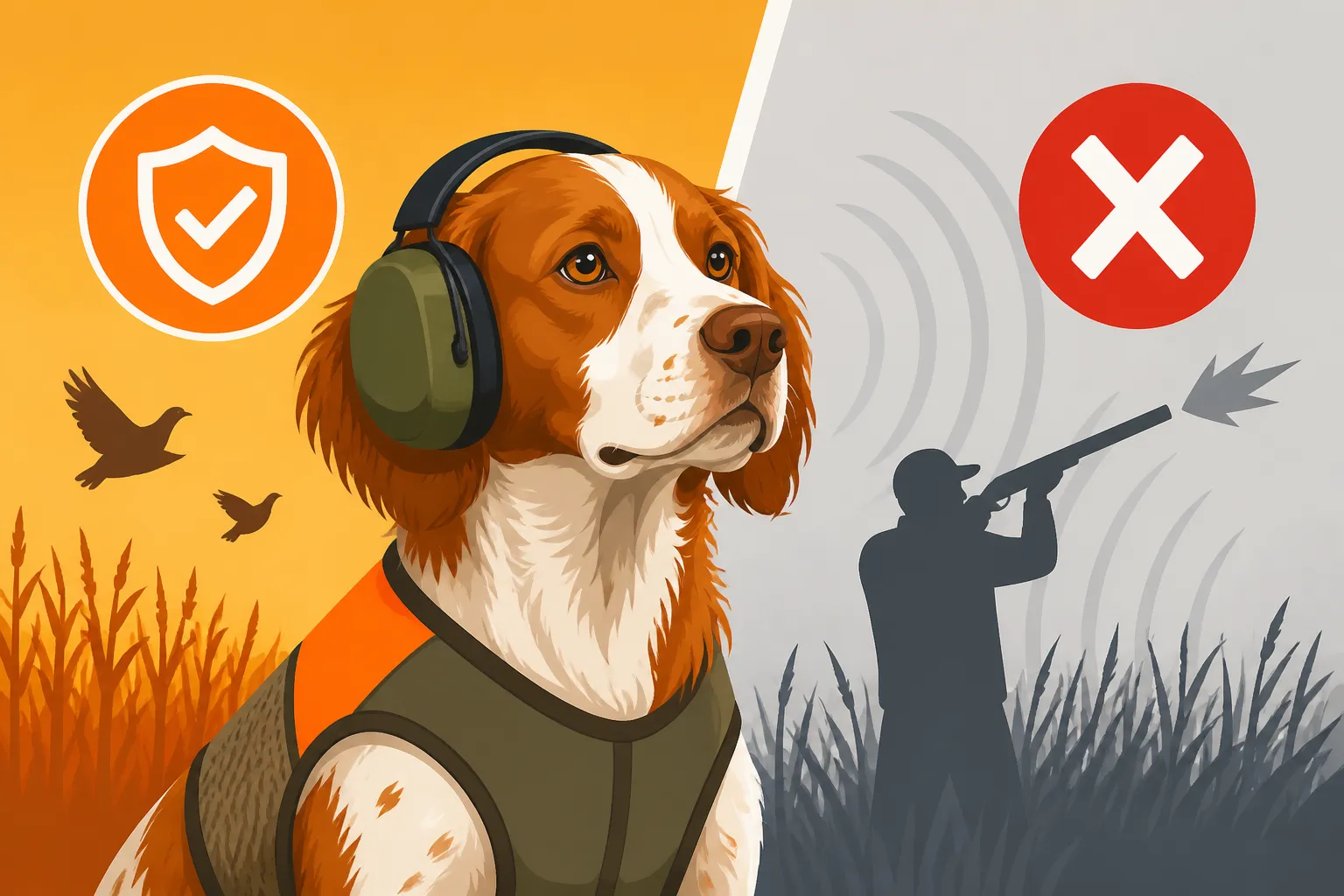
Harder-Shell Protectors: Less common for field hunting, these are more akin to ear muffs designed to reduce noise, but some might offer physical protection. However, they are usually too bulky and restrictive for a working dog needing to navigate dense cover.
- Pros: Can offer superior physical protection against impacts or very sharp objects.
- Cons: Usually very restrictive, uncomfortable for active dogs, and can impair hearing significantly. Not typically recommended for field use where agility and keen hearing are crucial.
DIY Solutions and Field Hacks
Sometimes, the simplest solutions are the most effective, or at least a good stop-gap. Many seasoned hunters have developed their own methods for ear protection.
-
Taping: Using athletic tape or vet wrap to temporarily secure your Brittany’s ears can be surprisingly effective. You simply fold the ear flap up against the side of the head and secure it with a few wraps of tape.
- Pros: Cheap, customizable, and can be applied quickly in the field. It keeps the ears completely out of the way, preventing snags, burrs, and cuts. It also doesn't add extra fabric that might cause overheating.
- Cons: Can be difficult to apply correctly without being too tight or too loose. If left on too long or applied improperly, the tape can pull on the hair, cause skin irritation, or cut off circulation. It's a temporary solution and requires careful removal to avoid pulling hair or irritating sensitive skin. Always test a small area first to ensure your dog doesn't have a reaction to the adhesive.
- Best Use: Short, intense hunts in very nasty cover where you need maximum ear security. Also useful for dogs prone to getting aural hematomas or who have existing minor ear injuries you want to protect.
-
Belly/Neck Bands (Modified Snoods): Some owners will modify existing clothing or use simple fabric tubes (like an old sock with ends cut off) to create a makeshift snood.
- Pros: Extremely low cost, uses readily available materials. You can customize the length and fit more easily.
- Cons: May not be as durable or snag-resistant as purpose-built snoods. Can look a bit silly, but hey, function over fashion in the field!
- Best Use: Economical alternative for moderate cover, or to test if your dog tolerates wearing something on their head before investing in commercial gear.
| Protection Method | Pros | Cons | Best Use |
|---|---|---|---|
| Commercial Snoods | Excellent against burrs/foxtails, prevents scrapes, washable. | May be uncomfortable for some dogs, slight hearing impairment, potential for overheating. | Seedy fields, moderate brush, general debris protection. |
| Athletic/Vet Tape | Cheap, customizable, maximum ear tuck, no extra heat. | Can pull hair/irritate skin, risk of improper application, temporary. | Short, intense hunts in very dense/thorny cover, protecting existing minor injuries. |
| Modified Fabric Tubes | Very low cost, uses available materials, customizable. | Less durable/snag-resistant than commercial options, may not fit perfectly. | Economical option, testing dog's tolerance to headwear, light cover. |
Deciding if Ear Protection is Right for Your Brittany
The decision to use ear protection isn't a one-size-fits-all answer. It depends on your dog, the type of hunting you do, and the specific terrain you'll be navigating.
Weighing the Benefits Against Potential Drawbacks
As with any piece of gear, there are trade-offs. You want to protect your Brittany, but not at the expense of their comfort, performance, or overall well-being.
-
Benefits of Ear Protection:
- Injury Prevention: This is the primary goal. Reducing cuts, punctures, and scratches means fewer vet visits for stitching or infection treatment.
- Debris Control: Dramatically reduces the amount of burrs, foxtails, and other plant material that can get tangled in the feathering or, worse, penetrate the ear canal. This can save you hours of meticulous grooming after a hunt. Preventing grass awns is a huge plus, as they are a frequent cause of pain and infection for working dogs.
- Reduced Risk of Infection: Fewer open wounds and less trapped debris naturally lead to a lower risk of ear infections, which are already a common concern for Brittanys. You can learn more about Why a Brittany's Ears Get Infected Every Season and how preventative measures play a role.
- Comfort for Your Dog: While some dogs might initially resist, a good-fitting snood can ultimately make them more comfortable in the field by preventing constant irritation from snagging or scratching.
-
Potential Drawbacks:
- Reduced Hearing: While subtle, any covering over the ears can slightly muffle sounds. For a pointing dog that relies heavily on its hearing to pinpoint game, this is a consideration. However, most dogs seem to adapt, and the benefit of protection might outweigh this minor impairment.
- Discomfort or Distraction: Some Brittanys simply don't like things on their head. They might try to paw it off, rub their head on the ground, or shake excessively, turning the protection into a distraction rather than a help. This might require patience and training to get them used to wearing it.
- Overheating: In warm weather or during intense exertion, any extra layer can contribute to your dog getting too hot. Always be vigilant about signs of overheating, regardless of ear protection.
- Chafing or Rubbing: If a snood doesn't fit correctly or is made of a rough material, it can rub the skin, especially behind the ears or along the jawline, leading to irritation or hair loss.
Factors to Consider Before Outfitting Your Brittany
Before you rush out and buy the first snood you see on Amazon, take a moment to think about your specific hunting conditions and your Brittany's individual quirks.
- Type of Cover: Are you hunting open fields with minimal undergrowth, or are you plowing through dense, thorny thickets all day? The nastier the cover, the more ear protection becomes a sensible consideration. For lighter cover, simply keeping The Feathering on a Brittany's Legs and Ears trimmed and performing thorough checks might suffice.
- Weather Conditions: As mentioned, overheating is a concern. On hot, early-season hunts, a breathable snood is essential, or you might opt for tape or trimming instead. In cooler weather, a snood could even provide a small amount of warmth.
- Your Dog's Temperament: Is your Brittany generally tolerant of wearing gear, or do they fight every collar, vest, or boot you try to put on them? Some dogs will adjust quickly, while others will make it their mission to remove any headwear. Introduce new gear slowly and positively.
- Feathering Length: Brittanys vary in how much feathering they grow on their ears. Dogs with very long, thick feathering might be more prone to collecting burrs and benefit more from protection or a regular trim. Whether a Brittany's Ear Feathering Should Be Thinned is a topic many owners consider for this very reason.
Ultimately, the best approach might be a combination of strategies. You could use ear protection for certain types of hunts or specific terrain and rely on diligent post-hunt checks and regular ear cleaning for others. Remember, proactive ear care, including regular checks and cleaning (learn How Often a Brittany's Ears Should Be Checked), goes a long way, regardless of whether you use protection. Even if your Brittany doesn't wear a snood, having a good ear cleaner on hand (many options are available on Chewy) is crucial for maintaining ear health. And for those times when you simply must feed your furry friend, high-quality brands like Ollie can ensure they're getting the best nutrition to support their active lifestyle and overall resilience, including healthy skin and coat that can better withstand field challenges.
Disclaimer
This article is for general informational purposes only and does not constitute professional advice. Laws, prices and regulations vary by location and change over time. Consult a qualified professional for guidance on your specific situation.