How Often Ears Need Cleaning in the Middle of a Season
Ah, hunting season! It's that glorious time of year we live for, but for those of us with beloved Brittanys, it often comes with a secret dread: ear infections. Our energetic companions plunge headfirst into cover, splash through marshes, and come back caked in grime, and all that adventure can wreak havoc on their sensitive ears. If you're wondering just how often you should be cleaning your Brittany's ears in the thick of the season, you're not alone. This guide will help you understand the risks, set up an effective cleaning routine, and keep those beautiful ears healthy so your dog can focus on the birds, not the itch.
The Unique Challenges of Brittany Ears During Hunting Season
Brittanys are simply phenomenal hunting dogs, but their conformation – those lovely, floppy drop ears – makes them particularly susceptible to ear issues. Add in the rigors of a hunting season, and you've got a recipe for potential trouble if you're not vigilant. It's a battle many of us fight every year, and it’s important to understand why our dogs are so prone to these problems.
Why Brittany Ears Are Prone to Trouble
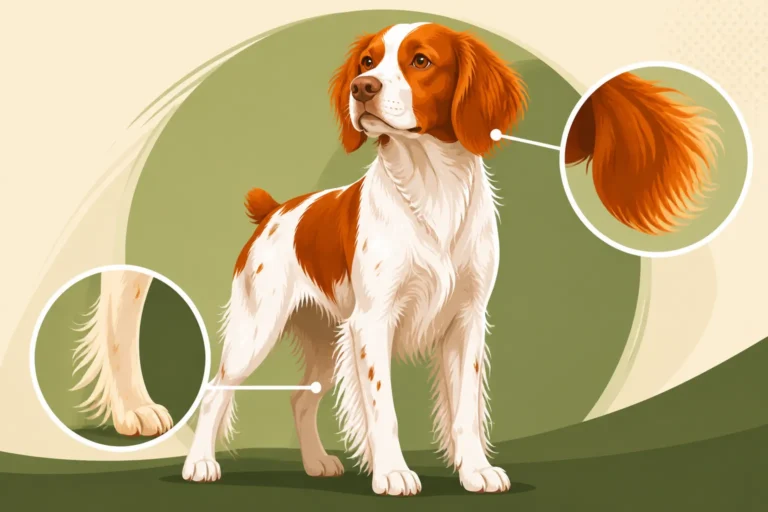
Let's talk anatomy for a moment. A Brittany's ear canal is like a warm, moist tunnel. Unlike breeds with upright ears, the floppy ear leather creates a seal, reducing air circulation. This lack of airflow, combined with the normal warmth of a dog's body, creates an ideal incubator for bacteria and yeast to thrive. It’s like a tiny greenhouse for microbes! What's more, many Brittanys have a fair amount of hair growing inside their ear canals. This hair can trap debris, further impede airflow, and hold onto moisture, making the problem even worse. It’s a perfect storm of conditions that can lead to discomfort, itching, and eventually, full-blown infections. This inherent predisposition is why Why a Brittany's Ears Get Infected Every Season is such a common concern for owners.
The Environmental Assault of the Field
Now, imagine that already susceptible ear canal being exposed to the wild, wonderful world of hunting. Your Brittany is crashing through thickets, diving into icy water after a retrieve, and kicking up dust and dirt with every sprint. All of this glorious activity introduces a host of foreign invaders into those vulnerable ears. Burrs and small plant matter get caught in the feathering and can migrate into the canal. Mud, dust, and debris from fields accumulate. And perhaps most insidious of all, water, especially from lakes or marshes, can introduce bacteria or simply sit in the ear canal, creating an even moister environment. We've all seen our dogs come out of cover looking like they rolled through a briar patch, and while we focus on their coats, those ears are silently collecting trouble. Tiny, barbed seeds like foxtails are particularly notorious for burrowing deep into ear canals, causing severe pain and infection. It's a constant battle to keep these elements out, making proactive care absolutely essential.
Recognizing the Early Warning Signs
The key to preventing serious ear infections is catching the problem early. Your Brittany can't tell you their ear hurts, so it's up to you to be a detective. After a long day in the field, when you're doing your post-hunt check, pay close attention to their ears. Are they shaking their head more than usual? Are they scratching at an ear with a hind paw? Maybe they're rubbing their head along the carpet or furniture. Sometimes, you'll notice a distinct odor coming from the ear – often a yeasty smell or something more pungent if bacteria is involved. Look inside the ear: is the skin red or inflamed? Is there excessive discharge, which might be dark brown and waxy, or yellowish and pus-like? Tenderness when you touch the ear flap is also a huge indicator. If you see any of these signs, don't delay. Early intervention can prevent a minor irritation from escalating into a painful infection that requires veterinary attention and potentially strong medication. Remember, Brittanys are stoic, and they might try to hide their discomfort, so be diligent in checking. You can learn more about specific indicators in Signs a Brittany's Ear Is Infected.
Establishing a Proactive Ear Cleaning Schedule
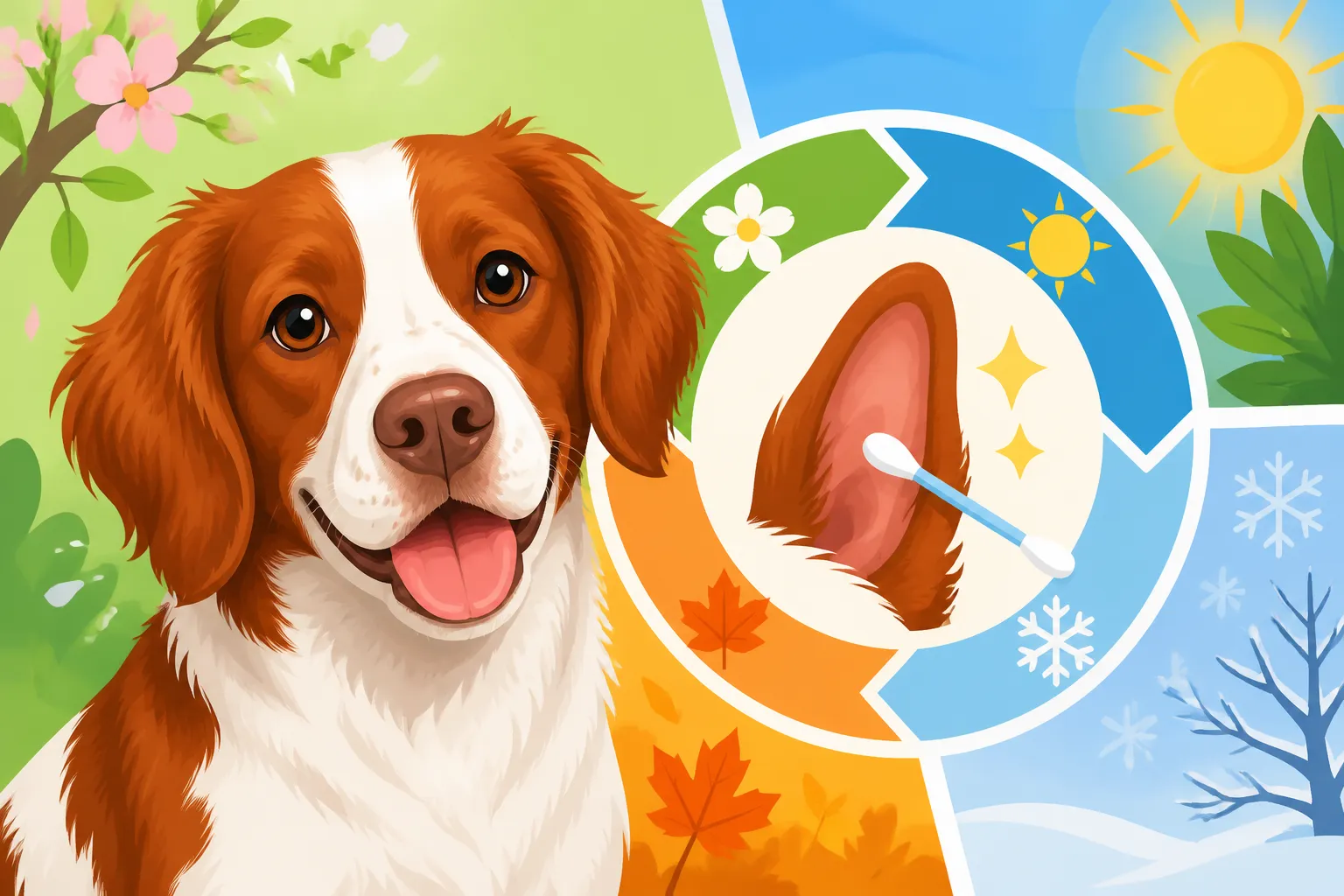
When your Brittany is hitting the field hard, the standard "once a month" ear cleaning advice goes right out the window. Hunting season demands a far more proactive and frequent approach to ear care. Think of it as part of their essential field gear, just like their vest or e-collar. Your cleaning schedule needs to be dynamic, adjusting to the intensity and frequency of their outdoor adventures.
The Baseline for Off-Season Care
During the off-season, when your Brittany is mostly enjoying leisurely walks and backyard romps, a less frequent cleaning schedule is generally sufficient. For most healthy Brittanys, a good ear check and cleaning every 2-4 weeks is a solid baseline. This helps remove normal wax buildup, keeps the ear canal clear, and allows you to routinely inspect for any underlying issues before they become a problem. This is also a great time to get your dog accustomed to having their ears handled, so it's less of a struggle when you need to do it more frequently. Consistency, even when there's no obvious issue, trains both you and your dog for the demanding times ahead. This foundational care is crucial for overall ear health, setting them up for success when the season begins.
Adjusting for Moderate Field Work
Once hunting season rolls around and your Brittany starts getting out for a few hours a week, you'll need to step up your ear care game. For moderate activity – say, two to three hunts a week in relatively clean, dry cover – aiming for ear cleaning at least once a week, or perhaps after every two to three outings, is a good idea. This frequency helps to flush out any newly introduced debris and prevent moisture from settling in. It's a preventative measure designed to stay ahead of minor irritations that could quickly become problems. You might not see obvious dirt every time, but consistent cleaning helps maintain a healthy ear environment, especially if they've been wading through tall grass or light brush. Pay particular attention to what types of cover they're working. Dryer cover might mean more dust, while dewy mornings or light rain mean more moisture. Always err on the side of caution.
Intensive Care for Heavy Season Activity
For Brittanys that are out in the field almost daily, or for those engaged in intense hunting conditions involving water retrieves, thick, burr-laden cover, or muddy environments, a far more rigorous cleaning schedule is essential. In these scenarios, cleaning your Brittany's ears after every single hunt is not just recommended, it's practically mandatory. Yes, you read that right – after every hunt. It might sound like a lot, but consider what those ears are subjected to. Each outing is a new opportunity for water, dirt, seeds, and other irritants to get trapped deep inside. Flushing these out promptly is your best defense against infection. If you wait even a day, moisture can set in, or tiny foreign bodies can become lodged. This intense schedule is particularly vital if your Brittany has a history of ear infections. It’s an investment of a few minutes after each hunt that can save you and your dog weeks of discomfort, vet visits, and medication.
Here’s a quick guide to help you gauge cleaning frequency based on activity:
| Activity Level | Frequency of Ear Cleaning (In Season) | Key Considerations |
|---|---|---|
| Light Field Work | Once a week | Short outings, dry cover, minimal water exposure |
| Moderate Field Work | Every 2-3 hunts or twice a week | Longer outings, varied cover, occasional water |
| Heavy Field Work/Water | After every single hunt | Daily outings, dense cover, frequent water retrieves |
| Known Ear Issues History | After every hunt, plus daily checks for signs | Extra vigilance, consult vet for chronic conditions |
This table serves as a general guideline, but remember that every dog is an individual. You know your Brittany best, and you’ll learn what works for them through careful observation. Checking their ears regularly, as discussed in How Often a Brittany's Ears Should Be Checked, is a good habit year-round.
Best Practices for Effective Ear Cleaning
Knowing when to clean is only half the battle; knowing how to clean effectively and safely is just as important. You don't want to cause more harm than good, and a proper technique can make all the difference in preventing those dreaded infections.
Choosing the Right Cleaning Solution and Tools
First things first: never, ever use harsh chemicals, rubbing alcohol, or hydrogen peroxide in your dog's ears. These can be irritating, damaging, and actually make things worse. You need a veterinary-approved ear cleaning solution specifically designed for dogs. These solutions are formulated to be gentle, to break down wax, and to help dry the ear canal without causing irritation. Many good quality brands are readily available. When it comes to sourcing a reliable ear cleaner, many Brittany owners find a wide selection of veterinary-grade products on online retailers like Chewy or Amazon. Look for ingredients like salicylic acid or boric acid, which have gentle drying and antiseptic properties.
Beyond the solution, you'll need a few other tools:
- Cotton balls or squares: These are for wiping the outer ear and the accessible parts of the canal. Avoid cotton swabs (Q-tips) for inside the canal, as these can push debris deeper or even damage the eardrum.
- A towel: Essential for catching excess solution and preventing a mess, especially if your Brittany likes to shake their head mid-clean!
- Treats: To make the experience positive for your dog.
Having all your supplies ready before you start will make the process smoother for both of you. You might find a good overview in Which Ear Cleaner Suits a Brittany for selecting the best product.
A Step-by-Step Guide to Cleaning Your Brittany's Ears
Once you have your supplies, here's how to clean your Brittany's ears safely and effectively:
- Gather your supplies and find a good spot: Choose an area that's easy to clean, like a bathroom or outdoors, as things can get a little wet. Make sure you have plenty of light. Have your solution, cotton balls, towel, and treats at hand.
- Examine the ear: Gently lift your Brittany's ear flap and inspect the visible parts of the ear canal. Look for redness, swelling, discharge, or any foreign bodies like grass seeds. If you see anything concerning, or if your dog is in a lot of pain, stop and consult your vet. This initial check is crucial.
- Apply the solution: Hold the ear flap up and carefully squirt the ear cleaning solution directly into the ear canal until it's full, or nearly full. Don't be shy – you need enough solution to dislodge debris.
- Massage the base of the ear: Gently but firmly massage the base of your dog's ear for about 30-60 seconds. You should hear a squishy sound as the solution works its way through the canal and breaks up wax and debris. This massage is vital for getting the cleaner where it needs to go.
- Allow them to shake: Step back and let your Brittany shake their head vigorously. This is a natural reaction, and it helps to dislodge and expel the loosened debris and excess solution. It’s also why you chose an easy-to-clean spot!
- Wipe away debris: Use a fresh cotton ball or square to gently wipe away any visible discharge or debris from the outer ear flap and the accessible parts of the ear canal. Only go as far as your finger can comfortably reach. Do not stick anything down the canal. Repeat with fresh cotton until no more debris comes out.
- Repeat for the other ear: Move to the second ear and repeat the entire process.
- Reward generously: Always finish with praise and treats to create a positive association with ear cleaning. This will make future sessions much easier.
Consistency and a gentle hand are your best friends here. It might take a few tries for both you and your Brittany to get comfortable with the routine, but it's an essential part of their health management during hunting season.
When to Consult the Vet (and not just clean more!)
While diligent cleaning is a powerful preventative measure, it's absolutely crucial to know when you're dealing with something beyond your control. If your Brittany's ear is particularly red, swollen, hot to the touch, or extremely painful, excessive cleaning can actually worsen the irritation. If there's a foul odor, a lot of thick pus-like discharge, or if you suspect a foreign body (like a deeply embedded foxtail), cleaning at home is not the answer. These signs strongly indicate an active infection or a serious foreign body that needs professional veterinary attention.
A vet can properly examine the ear canal with an otoscope, identify the type of infection (bacterial, yeast, or both), and prescribe the appropriate medication, whether it's topical drops, oral antibiotics, or anti-inflammatories. They can also safely remove any foreign objects. Never try to dig out something yourself if you can't easily see it and grasp it with tweezers; you risk pushing it deeper or perforating the eardrum. Knowing when to reach for the phone instead of the ear cleaner can prevent chronic issues and ensure your Brittany gets the right treatment promptly.
Preventing Ear Issues Beyond Cleaning
While frequent and thorough ear cleaning is paramount during hunting season, a holistic approach to ear health means also focusing on preventative measures that go beyond just cleaning. It's about minimizing the conditions that lead to problems in the first place and supporting overall ear resilience.
Drying Ears After Water Exposure
Brittanys love water. Whether it's a pond retrieve, a stream crossing, or just a dewy morning hunt, their ears are bound to get wet. And as we've discussed, moisture is the enemy of healthy ears. Making sure their ears are thoroughly dried after any water exposure is a simple yet incredibly effective preventative step. As soon as your Brittany is out of the water, gently wipe the inside of their ear flaps and the accessible part of the ear canal with a clean, dry cotton ball or a soft cloth. You can even use a small, pea-sized piece of cotton or a special drying pad made for dog ears, swiping it gently to absorb moisture. Some owners use a very low, cool setting on a hairdryer, held at a safe distance, to help dry the ear canal, but be extremely careful not to burn the delicate skin or frighten your dog. The goal isn't to blast air, but to gently encourage evaporation. This quick step can make a huge difference in preventing moisture-related infections. For more specific techniques, refer to How to Dry a Brittany's Ears After Water.
Managing Hair in the Ear Canal
Many Brittanys have hair that grows within the ear canal. This hair, while natural, can trap moisture, wax, and debris, creating a dense mat that further restricts airflow and encourages infection. This is a topic that can spark debate among dog owners and even vets! Some believe ear hair should be plucked to open up the canal, while others argue that plucking can irritate the sensitive skin and introduce micro-traumas, potentially leading to more infection.
Generally, if your Brittany has minimal ear canal hair and no history of issues, leaving it alone is fine. However, if they have dense hair and are prone to recurrent infections, gentle plucking by a professional groomer or veterinarian might be recommended. They have the right tools and expertise to do it safely and effectively. Never attempt aggressive plucking at home. Alternatively, carefully trimming the hair around the opening of the ear canal with blunt-nosed scissors can also improve airflow without irritating the inner canal. Discussing this with your vet to determine what's best for your individual dog is always the smartest approach. You can get more details on this practice in Whether a Brittany's Ear Hair Should Be Trimmed.
Nutritional Support and Overall Health
You might not immediately connect what your Brittany eats to their ear health, but a dog's overall health and immune system play a significant role in their ability to fight off infections. A high-quality, balanced diet supports a strong immune system, healthy skin, and a healthy coat – all of which contribute to resilient ears. If your dog is constantly battling ear infections, sometimes a dietary change can make a surprising difference. Some Brittanys can have sensitivities to certain ingredients (often grains or common protein sources) that manifest as skin and ear issues.
Working with your veterinarian or a canine nutritionist to ensure your Brittany is on an optimal diet can be beneficial. Consider feeding a performance-focused diet if they are working hard, or looking into fresh food options. For instance, considering a fresh, balanced diet from a provider like Ollie could contribute to their overall wellness, potentially reducing inflammatory responses that might predispose them to ear problems. Good nutrition helps maintain the integrity of the skin barrier, including in the ears, making it harder for opportunistic bacteria and yeast to take hold. Beyond food, ensuring your Brittany is adequately hydrated, gets enough rest, and has a low-stress environment also helps keep their immune system functioning at its best, providing an all-around defense against the rigors of hunting season.
Disclaimer
This article is for general informational purposes only and does not constitute professional advice. Laws, prices and regulations vary by location and change over time. Consult a qualified professional for guidance on your specific situation.