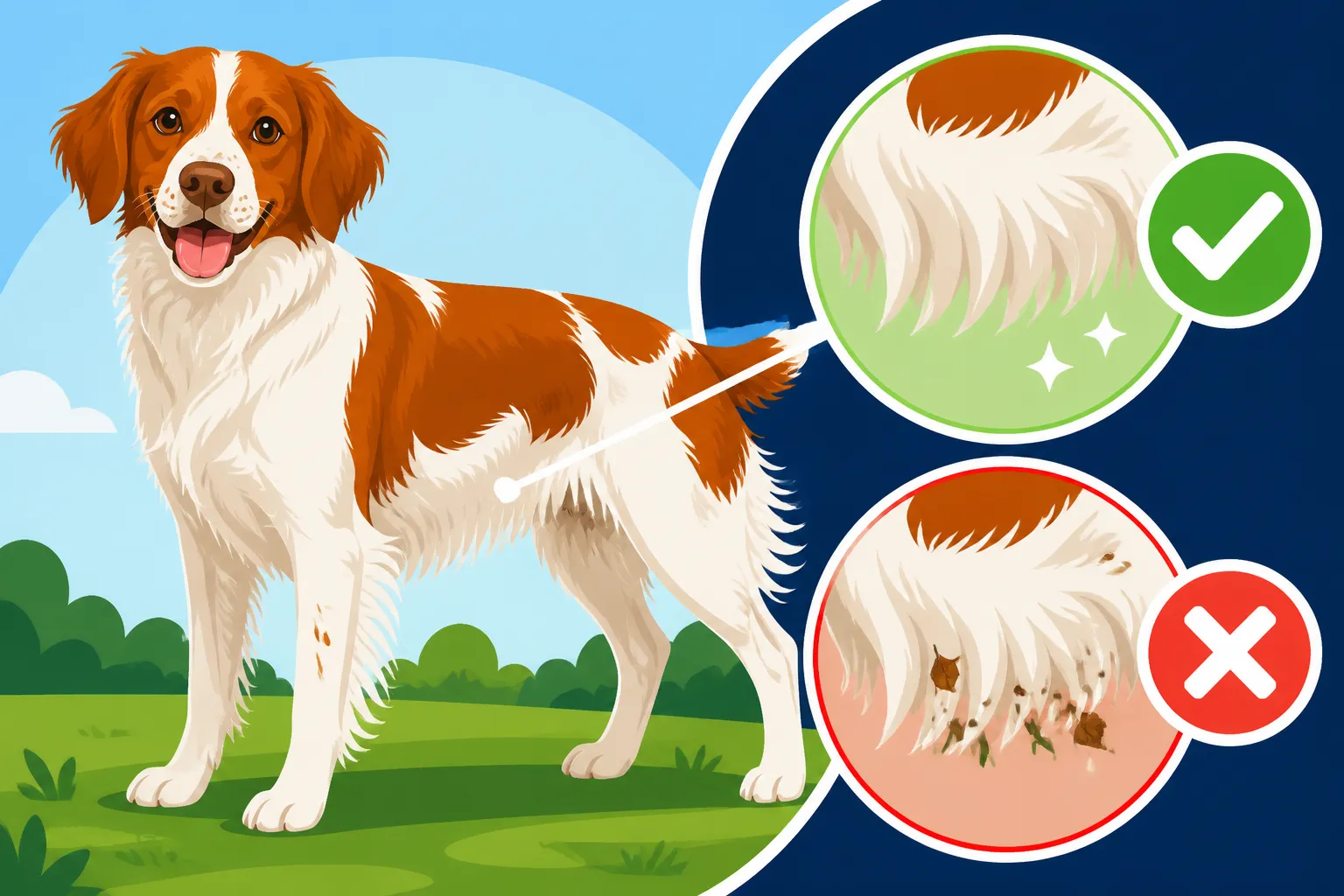
Whether a Brittany’s Belly Feathering Collects Debris
If you've ever owned a Brittany, you know the struggle: a quick walk through a field, a dedicated hunt, or even just a jaunt in your own backyard, and suddenly your beloved companion's beautiful belly feathering is a tangled mess of nature's treasures. It's a common frustration for Brittany owners, who adore their dogs' elegant coats but often find themselves battling burrs, twigs, and mud. This guide is here to commiserate with your struggles and offer practical advice on why your Brittany's belly feathering is such a magnet for debris, what kinds of debris to watch out for, and how to manage and prevent it.
The Brittany's Feathering: A Double-Edged Sword for Debris Collection
The Brittany is known for its stunning coat – a moderate length with distinctive feathering on the ears, legs, and, yes, the belly. While this feathering adds to their graceful appearance and offers a degree of protection in the field, it also acts like a natural broom, sweeping up everything in its path. Understanding the unique characteristics of this coat can help us better manage the inevitable debris.
The Unique Texture and Length of Brittany Feathering
Unlike some breeds with wiry or short, dense coats, a Brittany's feathering is typically fine, soft, and somewhat silky. It's not quite as profuse or long as an Irish Setter's, but it's substantial enough to catch and hold onto things. This delicate texture, combined with its length, makes it particularly susceptible to tangles and matting when debris gets caught. Imagine trying to comb through fine human hair after it's been through a thorny bush – that's often what you're dealing with after a vigorous outdoor adventure with your Brittany. This soft texture is lovely to pet, but it means that even small, seemingly innocuous pieces of vegetation can weave themselves deep into the strands, making removal a painstaking process.
Where Feathering Grows on a Brittany and Why the Belly is a Hotspot
Brittany feathering is most prominent on the backs of their legs, under their tail, and on their ears, but it's the feathering on their chest and belly that often causes the most headaches for hunters and active families. When a Brittany moves through tall grass, underbrush, or even just a field of stubble, their low-slung belly and chest feathering are the first points of contact. Think of it: their legs are moving, but their underside is consistently brushing against the ground cover. This constant sweeping action means that any seeds, burrs, or small twigs present in the environment are practically invited to latch on. Add in their boundless energy and enthusiasm, which often involves plunging headfirst into thickets, and you have a perfect recipe for a debris-laden belly. For a deeper dive into the overall coat, check out What a Brittany's Coat Is Like.
Functional Aspects of Feathering in the Field and Its Drawbacks
Historically, this feathering served a purpose, providing a natural layer of insulation and some protection against minor scrapes and thorns. It's a testament to their heritage as a versatile hunting dog, bred to work in various terrains. However, in our modern world, with increasingly diverse landscapes and sometimes more aggressive vegetation, these beautiful natural adornments can become a significant maintenance challenge. While a bit of protection is offered, the dense collection of burrs or foxtails can actually cause more discomfort and potential health issues than if the area were trimmed shorter. It’s a classic case of nature's design not always being perfectly optimized for every scenario we put our dogs in.
A Rogue's Gallery of Debris: What Your Brittany's Feathering Collects
It's astonishing what a Brittany's belly feathering can collect in just a short period. From the truly dangerous to the merely annoying, understanding what your dog might pick up is the first step in effective management.
Natural Field Debris: The Usual Suspects and the Dangerous Few
If your Brittany spends any time outdoors, especially in rural or semi-rural areas, you're intimately familiar with this category.
- Grasses and Seeds: Even common lawn grasses can get caught, especially if they've gone to seed. These can create a sticky, matted mess, sometimes forming tight little clumps.
- Burrs: Ah, the dreaded burr. Cockleburs, burdock burrs, and sticktights are notorious for their hooks and ability to weave themselves deep into the finest hair. They can be incredibly painful to remove and, if left, can pull at the skin and create hot spots.
- Foxtails: These innocent-looking grass awns are perhaps the most dangerous. Their barbed design allows them to only move forward, burrowing into skin, ears, paws, and even internal organs. They are a serious threat and require immediate attention. For more on this, see Where Foxtails Hide on a Brittany.
- Twigs and Leaves: Small twigs, bits of bark, and dried leaves are common finds. While usually not dangerous, they contribute to matting and can hide more insidious debris.
- Mud and Dirt: After a rain or a romp in damp soil, your Brittany can transform into a walking mud ball. Mud, once dry, forms a hard, cement-like shell around the feathering, making it stiff and difficult to brush out.
Household and Urban Accumulations
Even if your Brittany isn't a seasoned hunter, their belly feathering can still pick up plenty of gunk from more domestic environments.
- Dust Bunnies and Lint: Indoors, the low-slung feathering is excellent at collecting dust bunnies from under furniture, lint from carpets, and stray hairs. This might seem minor, but it can contribute to a dull coat and can still tangle.
- Small Crumbs and Food Bits: If your Brittany is a master of the "floor patrol" after meal times, tiny dropped food particles can get stuck, especially if wet.
- Yard Debris: Even a manicured lawn can contribute. Cut grass, fallen leaves, small pieces of mulch, or even tiny pebbles can find their way into the belly feathering. This is particularly true if your dog loves to roll around or do zoomies in the yard.
The Impact of Moisture and Climate
Moisture, whether from rain, dew, or a swim, dramatically increases the likelihood and severity of debris accumulation.
- Wetness as a Glue: Wet fur sticks to everything. A damp coat, especially the fine feathering, acts like Velcro, making it far easier for seeds, burrs, and dirt to adhere. Once it dries, these materials are often tightly matted into the fur.
- Mud Matters: A wet, muddy belly is a nightmare. The mud dries into solid clumps, pulling at the hair and skin, and often cementing other debris like twigs and burrs into place.
- Snow and Ice Balls: In colder climates, wet feathering can collect snow, which then compacts into painful ice balls between the toes and within the belly and leg feathering. These can cause frostbite and serious discomfort. Running through fresh snow can create giant, heavy ice clumps that weigh your dog down and chill them to the bone.
Practical Strategies for Debris Management
Okay, so your Brittany's a debris magnet. It's a fact of life for these wonderful dogs. But that doesn't mean you're doomed to endless hours of frustrating grooming. There are effective strategies to manage and even prevent the worst of it.
Immediate Post-Outing Checks: Your First Line of Defense
This is probably the single most important step in preventing major issues. Don't wait until later – make it a habit the moment your Brittany comes inside.
- Designate a "Debris Zone": Have a specific spot, perhaps near the door, where you conduct your initial check. A mat, an old towel, or even a small grooming table can make this easier.
- The Quick Scan: Before they even shake, run your hands over their entire body, paying special attention to the belly, chest, armpits, and legs. This isn't a deep dive yet, just a quick feel for obvious large pieces.
- Visual Inspection: Lift the feathering on the belly and look underneath. Often, burrs or foxtails are hidden beneath the top layer.
- Paw Power: Don't forget their paws! Debris can get lodged between the paw pads. For a comprehensive guide on foot checks, see How Often a Brittany's Pads Should Be Checked.
- Ear Examination: Check inside and around the ears. Foxtails are notorious for burrowing into ear canals. Keeping Water Out of a Brittany's Ears is another important consideration after wet outings.
- Gentle Removal: For anything superficial, gently pull it out with your fingers. For burrs or more entrenched items, you'll need tools.
Grooming Tools and Techniques for Effective Removal
Having the right tools makes all the difference. You can find most of these essentials from online retailers like Chewy or Amazon.
- Slicker Brush: Excellent for general brushing and removing loose hair, tangles, and surface debris. Brush in layers, working from the skin out.
- Metal Comb: A sturdy metal comb with both wide and fine teeth is indispensable. The wide teeth help with initial detangling, while the fine teeth can tease out smaller bits of debris. Always use it gently, especially on mats.
- Dematting Tool/Rake: For more serious mats or deeply embedded burrs, a dematting rake with sharp, curved blades can cut through the tangle without pulling too much on the skin. Use with extreme caution.
- Detangling Spray: A good quality detangling spray can make burr removal significantly easier by making the hair more slippery. Apply it generously to the affected area before trying to comb. Coconut oil can also be used in a pinch, but be mindful it can make the coat greasy.
- Scissors with Blunt Tips: For the most stubborn mats or heavily matted areas, blunt-tipped scissors are a safer option than sharp, pointed ones. Always slide the comb between the mat and the skin first to create a buffer before cutting. This is a last resort to prevent discomfort.
- Hair Dryer (Cool Setting): If your Brittany is muddy, sometimes a quick blast with a cool-setting hair dryer can help dry the mud, making it easier to brush out rather than smearing it.
Remember, patience is key. If you pull too hard, you'll cause pain and create a negative association with grooming. For a detailed guide on dealing with specific debris, check out How to Get Burrs Out of a Brittany's Coat.
Trimming and Protective Gear: Proactive Solutions
Sometimes, prevention is better than cure, and that might involve strategic trimming or protective clothing.
The Trimming Debate: Practicality vs. Aesthetics
Many Brittany owners choose to trim the belly feathering, especially if their dog is primarily a hunting companion or very active in heavy cover.
- Pros of Trimming: Reduces the surface area for debris collection, makes grooming faster and easier, lessens the risk of mats and skin irritation from embedded foreign objects, and helps prevent mud and ice ball accumulation.
- Cons of Trimming: Changes the traditional appearance of the breed (which might matter if you show your dog), and removes some natural protection from scrapes.
If you decide to trim, use electric clippers with a guard (e.g., a #7F or #10 blade) to achieve a shorter, uniform length. This is often called a "belly shave" or "sanitary trim" in grooming terms. Focus on the areas that drag on the ground most, such as the feathering on the chest, belly, and inner thighs. Avoid cutting too short, as you still want some protection. It's best to consult with an experienced groomer or another Brittany owner for guidance on appropriate lengths and techniques. You might also want to read Whether a Hunting Brittany Should Be Trimmed Shorter.
Protective Gear: Vests and Boots
For hunting dogs, or those exploring particularly dense or thorny cover, protective gear can be invaluable.
- Hunting Vests: Many specialized vests are designed for hunting dogs, often made of tough Cordura or canvas. These vests cover the chest and belly, significantly reducing the amount of feathering exposed to burrs, briars, and foxtails. They come in various colors, often bright orange for visibility. For water retrieves, a neoprene vest can offer both protection and warmth, as discussed in Whether a Brittany Needs a Neoprene Vest for Water.
- Dog Boots: While perhaps less common for just belly feathering issues, dog boots can be crucial for protecting paws from harsh terrain, sharp stubble, and ice balls, which often accumulate alongside belly debris. They can also help prevent foxtails from burrowing between toes.
Preventing Future Debris Accumulation and Maintaining Coat Health
Beyond immediate removal, thinking proactively about your Brittany's environment and overall coat health can minimize future headaches.
Environmental Management: Controlling What Your Brittany Encounters
You can't control every blade of grass, but you can certainly influence your dog's daily environment.
- Yard Maintenance: Keep your yard clear of excessive weeds, tall grasses, and leaf litter, especially if your Brittany spends a lot of time romping around. Regular mowing and raking can significantly reduce the amount of available debris. Consider creating a designated "potty path" through dense areas.
- Route Planning: When walking or hiking, be mindful of where you let your Brittany run off-leash (where permitted and safe). Avoid areas known for dense burrs, thorny bushes, or dry, seeding grasses, particularly in late summer and fall when foxtails are prevalent. If you must go through such areas, keep your dog on a shorter lead.
- Post-Activity Rinse: After a particularly muddy or wet outing, a quick rinse with plain water can dislodge much of the surface dirt before it has a chance to dry and cement itself into the feathering. This can save you a lot of brushing later.
Regular Grooming Schedule: The Key to a Manageable Coat
Consistent grooming, even on non-hunting days, is essential for a Brittany. It's not just about appearance; it's about comfort and health.
- Daily Brushing (or near-daily): A quick 5-10 minute brush-out of the feathering on the belly, legs, and ears can prevent small tangles from becoming major mats. This is especially important for active dogs. Use a slicker brush and a metal comb to work through the feathering. For guidance on frequency, see How Often a Brittany Needs Brushing.
- Bathing as Needed: While you don't want to over-bathe and strip natural oils, a bath can be beneficial after a particularly dirty or muddy outing. Use a good quality dog shampoo and conditioner, focusing on thoroughly rinsing out all product to prevent skin irritation. Ensure the feathering is dried completely to prevent matting.
- Mat Prevention: Mats don't just look bad; they can be painful, pulling at the skin and creating breeding grounds for skin infections. Regular brushing is the best defense. If you find a small mat, work it out gently with your fingers, a comb, and detangling spray. Don't let small mats grow into large, impenetrable ones. You can learn more about this by reading Whether a Brittany Mats.
Nutritional Support for Overall Coat Health
A healthy coat isn't just about external care; it starts from within. Good nutrition plays a vital role in the strength, luster, and manageability of your Brittany's fur.
- High-Quality Diet: Feed your Brittany a well-balanced, high-quality dog food. Look for foods with good sources of protein and healthy fats, particularly omega fatty acids. These nutrients contribute to skin health and coat quality, making the hair stronger and less prone to breakage and matting. Brands like Chewy and Amazon offer a huge selection of reputable dog foods, allowing you to choose one that fits your budget and your dog's specific needs.
- Supplements: Some owners opt for supplements like fish oil (omega-3 and omega-6 fatty acids) to further support skin and coat health. These can help reduce dryness and promote a healthier, more resilient coat that might be slightly less prone to debris sticking and matting. Always consult your veterinarian before adding any supplements to your dog's diet.
By combining proactive environmental management with a consistent grooming routine and a supportive diet, you can keep your Brittany's beautiful belly feathering healthy, clean, and much more manageable, allowing you both to enjoy those outdoor adventures without the endless struggle with debris.
Disclaimer
This article is for general informational purposes only and does not constitute professional advice. Laws, prices and regulations vary by location and change over time. Consult a qualified professional for guidance on your specific situation.