Which Brush Suits a Brittany
If you're a Brittany owner, you know the struggle: you’ve just spent a glorious hour in the field, watching your magnificent dog work cover with boundless energy, only to find them emerging from the thicket looking like a walking burr bush. That beautiful, flowing coat, a hallmark of the breed, can quickly become a tangled, matted mess. Choosing the right brush isn't just about aesthetics; it's crucial for your Brittany's comfort, skin health, and your own sanity when grooming. This guide is here to walk you through exactly which brushes will be your best allies in keeping your Brittany looking and feeling fantastic, no matter how wild their adventures get.
Understanding the Brittany Coat: What Makes It Unique?
Before we dive into the arsenal of brushes, let's really get to know what makes a Brittany's coat tick. It's not just a pretty covering; it's a functional piece of equipment designed for their life in the field. Understanding its characteristics will illuminate why certain brushes are indispensable.
The Double Coat and Feathering Explained
Your Brittany isn't just sporting one layer of fur; they've got a sophisticated double coat. This means a relatively short, dense, and slightly wavy or flat outer coat, providing protection from the elements, brambles, and water. Underneath that, there's a softer, finer undercoat that acts as insulation, keeping them warm in cold weather and helping to regulate body temperature. Then there's the show-stopping "feathering"—those longer, silky fringes of hair on their ears, chest, belly, and especially on the backs of their legs, both front and hind. It's this feathering that really catches the burrs and collects debris, becoming a prime target for tangles. The Feathering on a Brittany's Legs and Ears is truly magnificent, but it demands attention!
This combination of coat types means you can't just grab any old brush and expect it to do the job. The outer coat, undercoat, and delicate feathering all require different approaches. If you only brush the top coat, you're missing the crucial undercoat that can pack down and lead to skin issues, and you're certainly not addressing those frustrating mats that seem to appear overnight in the feathering. It's a marvel of natural design for a working dog, but it certainly keeps us on our toes in terms of upkeep.
Why Matting and Tangling Are Common
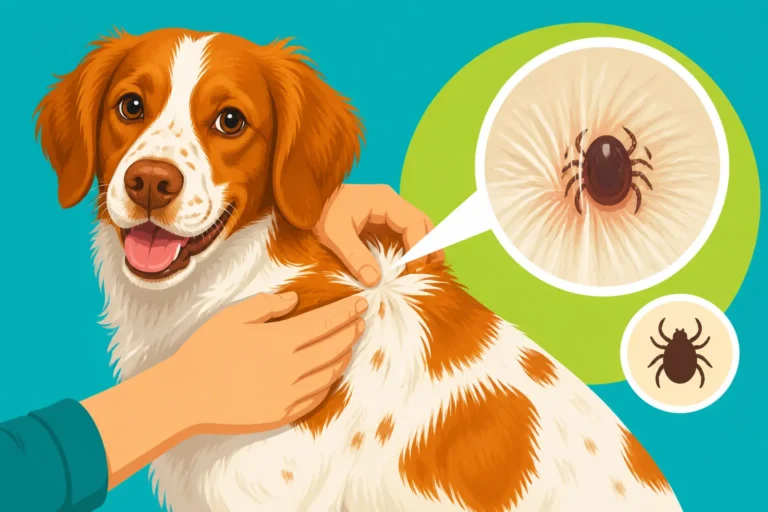
Given their active lifestyle and unique coat, mats and tangles are almost a given for a Brittany. They dive through dense brush, run through tall grasses, and often come out of the field looking like they wrestled a thorn bush. The fine, soft undercoat, when combined with shed hair, loves to bind together, especially in areas of friction like behind the ears, in the armpits, and around the "pants" on their hind legs. The feathering is a magnet for burrs, stickers, and mud, which then quickly intertwine with the delicate strands, creating formidable knots. Whether a Brittany Mats is less a question of if, and more how often.
It's a frustrating cycle for owners. You might brush them one day, and after a vigorous run through a field the next, they're back to being a knot factory. These mats aren't just unsightly; they can pull on the skin, causing discomfort and even pain. Left unchecked, they can lead to skin irritation, hot spots, and hide skin problems underneath. This is why regular, effective brushing is non-negotiable for the breed, becoming a vital part of their overall care and comfort.
Seasonal Shedding and Its Impact
Brittanys, like many double-coated breeds, experience seasonal shedding, often referred to as "blowing coat." This typically happens twice a year, in spring and fall, as they adjust their insulation for the changing temperatures. During these periods, you'll notice a significant increase in loose hair around your home and, of course, on your dog. This shed undercoat, if not removed, contributes heavily to matting.
During heavy shedding seasons, your grooming routine will need to intensify. The dead hair needs to be extracted from the coat to prevent it from tangling with the new growth and forming dense mats close to the skin. Neglecting this during shedding season can quickly turn a manageable coat into a felted mess, making brushing an uncomfortable and time-consuming ordeal for both you and your Brittany. It's not just about tidiness; it’s about maintaining healthy skin and allowing their coat to breathe and function as it should. How Much a Brittany Sheds can surprise new owners!
The Essential Brushes for Brittany Care: Which Types Are Critical?
Now that we understand the complexities of the Brittany coat, let's talk about the specific tools you'll need. Think of these as your core grooming kit—the absolute essentials for daily maintenance and tackling common coat challenges.
Slicker Brushes for Undercoat and Mats
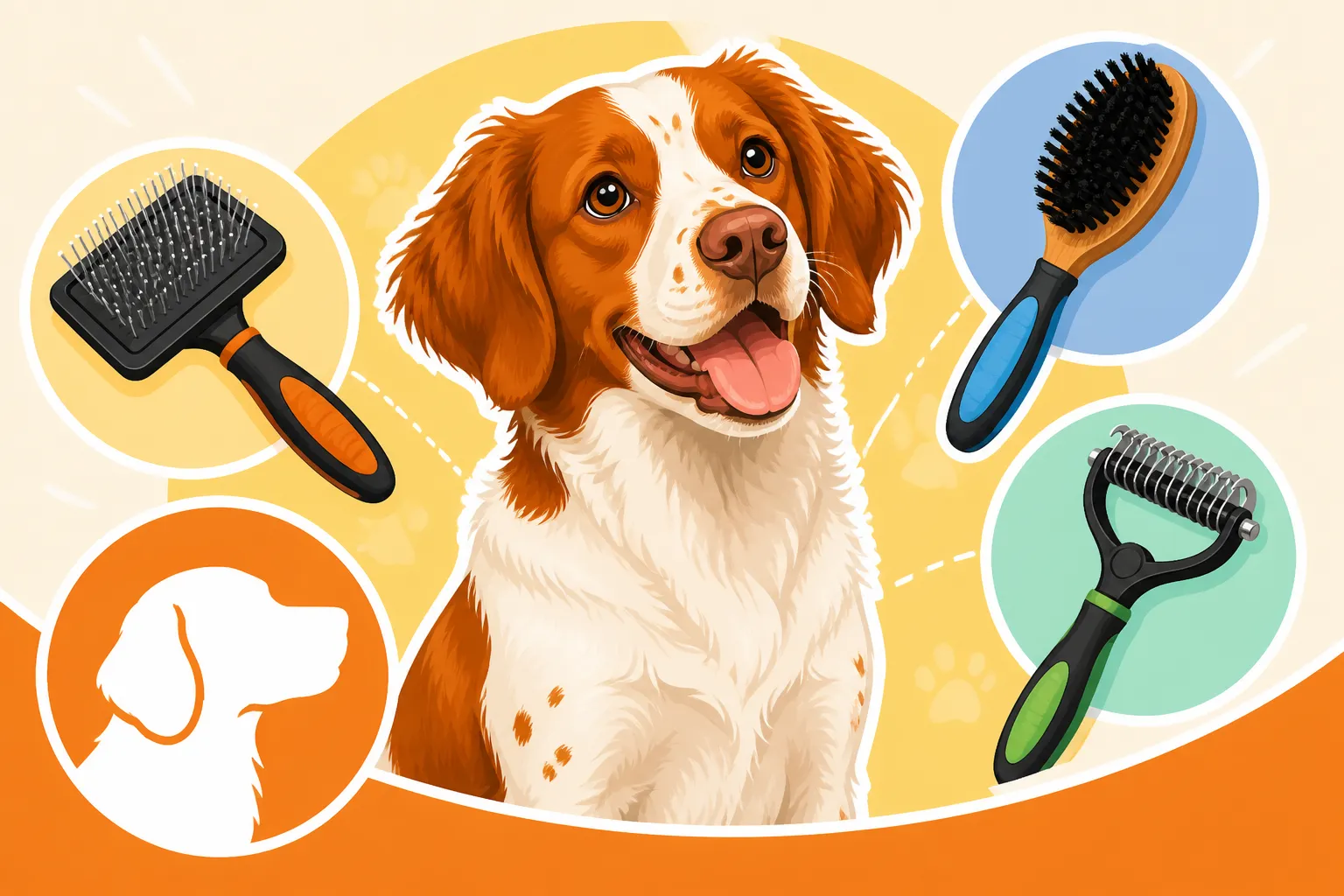
A good quality slicker brush is arguably the most important tool in your Brittany grooming kit. These brushes feature fine, short wires packed closely together on a flat or slightly curved surface. Their primary job is to reach deep into the undercoat to remove loose, dead hair and to break up small mats and tangles. When using a slicker brush, always be gentle and avoid pressing too hard, especially on sensitive areas or directly on the skin, as the wires can be sharp.
The slicker brush is fantastic for the body, legs, and even gently working through lighter feathering. It effectively detangles and desheds simultaneously, making it invaluable during those heavy shedding periods. It's your first line of defense against knots forming after a long day in the woods, helping to smooth out the coat and prepare it for further brushing. Without a slicker, you'll find it nearly impossible to keep the undercoat healthy and mat-free, especially with their dense, insulating layer.
Pin Brushes for Everyday Detangling
While the slicker handles the heavy lifting of shedding and mat removal, a pin brush is perfect for general grooming and daily detangling. These brushes feature widely spaced, rigid pins, often with rubber or plastic tips to prevent scratching the skin. They're designed to glide through the coat, gently separating strands, removing loose hairs from the topcoat, and smoothing the feathering without pulling or damaging it.
A pin brush is ideal for a quick brush-through after a walk, or for daily maintenance to keep the coat free of debris and minor tangles. It's especially useful for the longer feathering on the legs and ears, where a slicker might be too aggressive. Think of it as your finishing brush for a silky smooth coat, or your gentle go-to for puppies who are still getting used to being groomed. It helps distribute natural oils, leaving the coat shiny and healthy.
Bristle Brushes for Shine and Finishing
Once you’ve tackled tangles and removed loose undercoat with your slicker and pin brushes, a bristle brush comes in for the grand finale. These brushes are made with natural bristles, similar to human hairbrushes, and are designed to polish the coat. Their main purpose isn't detangling, but rather to remove fine dust and debris, smooth the topcoat, and distribute natural skin oils throughout the fur, enhancing its natural luster.
A bristle brush is fantastic for promoting a healthy sheen and making your Brittany's coat look its absolute best. It’s also a great tool for daily short brush-downs, helping to keep their coat clean and free of minor dust and dander. While it won't penetrate deep into the undercoat, it’s an excellent choice for a final touch, making their coat soft and touchable. Plus, many dogs find the gentle massage of a bristle brush to be quite enjoyable, turning grooming into a pleasant bonding experience.
Beyond the Basic Brushes: Specialty Tools for Specific Needs
Sometimes, the standard brushes just aren't enough. For particular coat challenges or during intense shedding seasons, you'll be grateful to have a few specialized tools in your grooming kit. These are designed to target specific problems that frequently arise with a Brittany's active lifestyle and distinctive coat.
Undercoat Rakes for Heavy Shedding
When your Brittany is truly "blowing coat" during seasonal changes, an undercoat rake can be a lifesaver. These tools feature a single or double row of widely spaced, blunt teeth that are designed to penetrate through the topcoat and effectively pull out massive amounts of dead, loose undercoat. Unlike a slicker brush, which also desheds, a rake is often more efficient for extracting very dense, packed-down undercoat without damaging the healthy guard hairs.
Using an undercoat rake regularly during shedding season can dramatically reduce the amount of loose hair in your home and prevent serious matting. It's particularly useful on the dense body coat, but use caution and a very light touch around sensitive areas and the feathering, as it can pull healthy hair if not used correctly. This tool is a game-changer for maintaining the integrity of their double coat and keeping them comfortable when How Much a Brittany Sheds becomes a daily battle.
Dematting Tools for Stubborn Knots
Ah, the dreaded mat. Despite our best efforts, sometimes a stubborn knot forms that a slicker brush just can't conquer. This is where a dematting tool comes into play. These tools typically have sharp, inwardly curved blades that are designed to cut through mats with minimal tugging on the surrounding hair. They are not for general brushing, but for carefully breaking apart severe tangles.
When faced with a tough mat, a dematting tool allows you to gently separate the matted hair into smaller sections, making it easier to brush out. Always use these tools with extreme care, working slowly and holding the hair at the base of the mat close to the skin to prevent pulling. It's a precise instrument for precise problems, and having one on hand can save you from having to resort to scissors or professional groomer intervention for minor, but stubborn, mats. Remember, cutting through mats with regular scissors can be incredibly dangerous, as it's easy to accidentally cut the skin. How to Get Burrs Out of a Brittany's Coat often requires such precision.
Grooming Mitts for Quick Touch-Ups
For those times when you need a quick clean-up but don't want to commit to a full brushing session, a grooming mitt is a handy tool. These rubber or silicone mitts fit over your hand and have nubs or bristles that gently massage the coat, removing loose hair and dust. They're excellent for a quick pass-through after a muddy walk, or for getting those last bits of dirt off before your Brittany jumps onto the couch.
Grooming mitts are also fantastic for sensitive dogs who might be wary of traditional brushes, as the feel is more like a gentle petting. They're great for distributing natural oils and stimulating circulation in the skin. While they won't tackle deep mats or heavy shedding, they're perfect for a daily "pat down" and for giving your Brittany a comforting massage, which can make them more receptive to longer grooming sessions.
The Art of Brushing: Technique and Frequency
Having the right tools is only half the battle; knowing how to use them effectively and consistently is what truly makes a difference in your Brittany's coat health. Brushing isn't just a chore; it's an opportunity for bonding and a vital part of preventative care.
Daily Routine vs. Deep Grooming Sessions
The ideal grooming routine for a Brittany involves a combination of daily quick brushes and more thorough, deep grooming sessions. A quick, daily brush-down with a pin brush or grooming mitt can help remove superficial debris, prevent minor tangles from forming, and keep the coat looking tidy. This is especially important for the feathering and after any outdoor excursions. How Often a Brittany Needs Brushing really depends on their activity level!
At least once or twice a week, or more frequently during shedding season, you'll want to commit to a deeper grooming session. This involves systematically working through their entire coat with a slicker brush to remove loose undercoat and address any developing mats. Focus on areas prone to matting: behind the ears, in the armpits, on the belly, and the 'pants.' These sessions might take 20-30 minutes, but they are crucial for preventing major coat problems down the line. Remember, consistency is key—a little bit of effort often is far better than a big, painful struggle once a month.
Proper Brushing Techniques to Prevent Discomfort
When brushing your Brittany, technique matters immensely. Always start with a gentle hand, especially if your dog isn't keen on grooming. Use a "line brushing" technique, where you part the coat and brush one small section at a time, working your way up from the skin to the ends of the hair. This ensures you're reaching the undercoat and not just skimming the surface. For feathering, be extra gentle and use a pin brush or the tips of a slicker.
When encountering a tangle, don't just pull through it. Instead, hold the hair at the base of the mat with one hand to minimize tugging on the skin, and then gently work the mat apart with your slicker or dematting tool. Always brush in the direction of hair growth. If you hear protests or see your Brittany flinching, ease up on the pressure. The goal is to make grooming a positive experience, not a painful one. A little patience goes a long way in building trust and cooperation.
Making Brushing a Positive Experience
Many dogs, especially active breeds like Brittanys, can find grooming sessions to be a nuisance or even scary if not introduced properly. From puppyhood, make brushing a calm, positive experience. Start with short sessions, use lots of praise, and offer high-value treats. Associate the brushes with good things! Even if you only get a few minutes of brushing in, end on a good note.
Consistency helps. If brushing becomes a regular, predictable part of their day, they'll learn to accept it. You can even combine it with cuddle time on the couch. Over time, many Brittanys learn to enjoy the attention and gentle massage of a good brushing. If your Brittany is particularly antsy or sensitive, consider breaking grooming into several very short sessions throughout the day. Patience and positive reinforcement are your best tools in making your Brittany a willing participant in their own coat care.
Where to Find Your Brittany's Brushes: Shopping Considerations
Once you know which brushes you need, the next step is actually acquiring them! The market is flooded with grooming tools, and navigating the options can feel overwhelming. Let's talk about how to choose wisely and where to shop.
Quality Over Quantity: What to Look For
It's tempting to grab the cheapest brush on the shelf, but with grooming tools, quality truly makes a difference. A well-made brush will be more effective, last longer, and, most importantly, be more comfortable and safer for your Brittany. Look for brushes with sturdy handles that are comfortable for you to grip. For slicker brushes, ensure the pins are securely fastened and don't bend easily, and ideally, look for one with a self-cleaning button if possible – a huge convenience!
For pin brushes, check that the pins are smooth and have rounded tips to avoid scratching your dog's skin. Bristle brushes should have natural, densely packed bristles. While a higher price tag doesn't always guarantee quality, be wary of brushes that feel flimsy or have rough edges. Investing a little more upfront in good quality tools will save you frustration and potential discomfort for your dog in the long run.
Online vs. In-Store Purchases
You have a plethora of options when it comes to purchasing grooming tools, from local pet stores to large online retailers. Shopping at a physical pet store allows you to touch and feel the brushes, assess their ergonomics, and ask staff for recommendations. You can get a sense of the pin stiffness on a slicker or the feel of a handle in your hand, which can be invaluable.
However, online retailers like Chewy and Amazon offer a vast selection, often at competitive prices, and with the convenience of home delivery. You can read countless reviews from other pet owners, which can be a great way to gauge the effectiveness and durability of a brush before buying. Many reputable pet supply brands are readily available on these platforms. Just be sure to read descriptions carefully and check return policies, especially if you're trying a new type of brush.
Budgeting for Grooming Tools
While quality grooming tools are an investment, they don't have to break the bank. You'll likely spend a bit more upfront to acquire your core kit—a good slicker, pin brush, and undercoat rake. But these tools, if well-cared for, can last for years. Consider them essential equipment, just like good dog food or a sturdy leash.
Over time, you might need to replace brushes as pins bend or bristles wear down, but this is typically an infrequent expense. Compared to the cost of professional grooming services to de-mat a neglected coat, investing in your own tools and dedicating regular time to grooming is a very economical choice. Factor these tools into your overall budget for your Brittany's care, understanding that they contribute significantly to their health and well-being.
Grooming Brush Comparison
To help you quickly decide which brush is best for which situation, here's a handy comparison table.
| Brush Type | Primary Use | Best For | Key Benefit | When to Use |
|---|---|---|---|---|
| Slicker Brush | Removing loose undercoat, small mats | Body, legs, light feathering | Deep detangling, deshedding | Daily, 1-2 times a week, shedding season |
| Pin Brush | General detangling, smoothing | Feathering, topcoat, puppies | Gentle detangling, distributes oils | Daily quick brush, general maintenance |
| Bristle Brush | Finishing, shine, surface debris | Topcoat, short hair | Adds shine, removes dust, stimulates skin | Daily finish, quick clean-ups |
| Undercoat Rake | Heavy undercoat removal | Dense body coat, shedding | Extracts large amounts of dead undercoat | During heavy seasonal shedding (weekly) |
| Dematting Tool | Cutting through stubborn mats | Severely matted areas | Safely breaks up large knots | Only for specific, severe mats (as needed) |
| Grooming Mitt | Quick touch-ups, light shedding | All over, sensitive areas | Gentle massage, removes loose surface hair | Daily quick wipe-down, sensitive dogs |
Keeping your Brittany's coat healthy and beautiful is an ongoing commitment, but with the right tools and a consistent routine, it can be a rewarding part of your life together. Whether you're battling burrs after a long hunt or simply maintaining their gorgeous plumage, the right brush makes all the difference. Remember, What a Brittany's Coat Is Like is a joy to behold, but it needs your help to stay that way! And after those hunts, don't forget What to Check on a Brittany After Every Outing.
Disclaimer
This article is for general informational purposes only and does not constitute professional advice. Laws, prices and regulations vary by location and change over time. Consult a qualified professional for guidance on your specific situation.