Whether a Brittany Should Live With Another Dog
Many of us who adore our spirited Brittanys eventually find ourselves dreaming of adding another furry companion to the household. The idea of two happy-go-lucky orange-and-white (or liver-and-white!) bundles of energy romping through the fields or curled up on the rug sounds idyllic. However, the question of whether a Brittany should live with another dog isn't as simple as just "more love," and it brings a whole new set of considerations, from managing their boundless energy to navigating training dynamics, which this guide will explore in depth.
The Brittany's Innate Social Graces and Potential Quirks
Brittanys are, by and large, wonderfully companionable dogs. They thrive on interaction, not just with their human families, but often with other canines as well. This breed was developed to work in close cooperation with hunters, which inherently fostered a certain level of social intelligence and biddability. However, like any breed, they come with their own unique traits that can either perfectly complement or, at times, complicate life with a second dog.
Brittanys and Other Dogs: The Good News
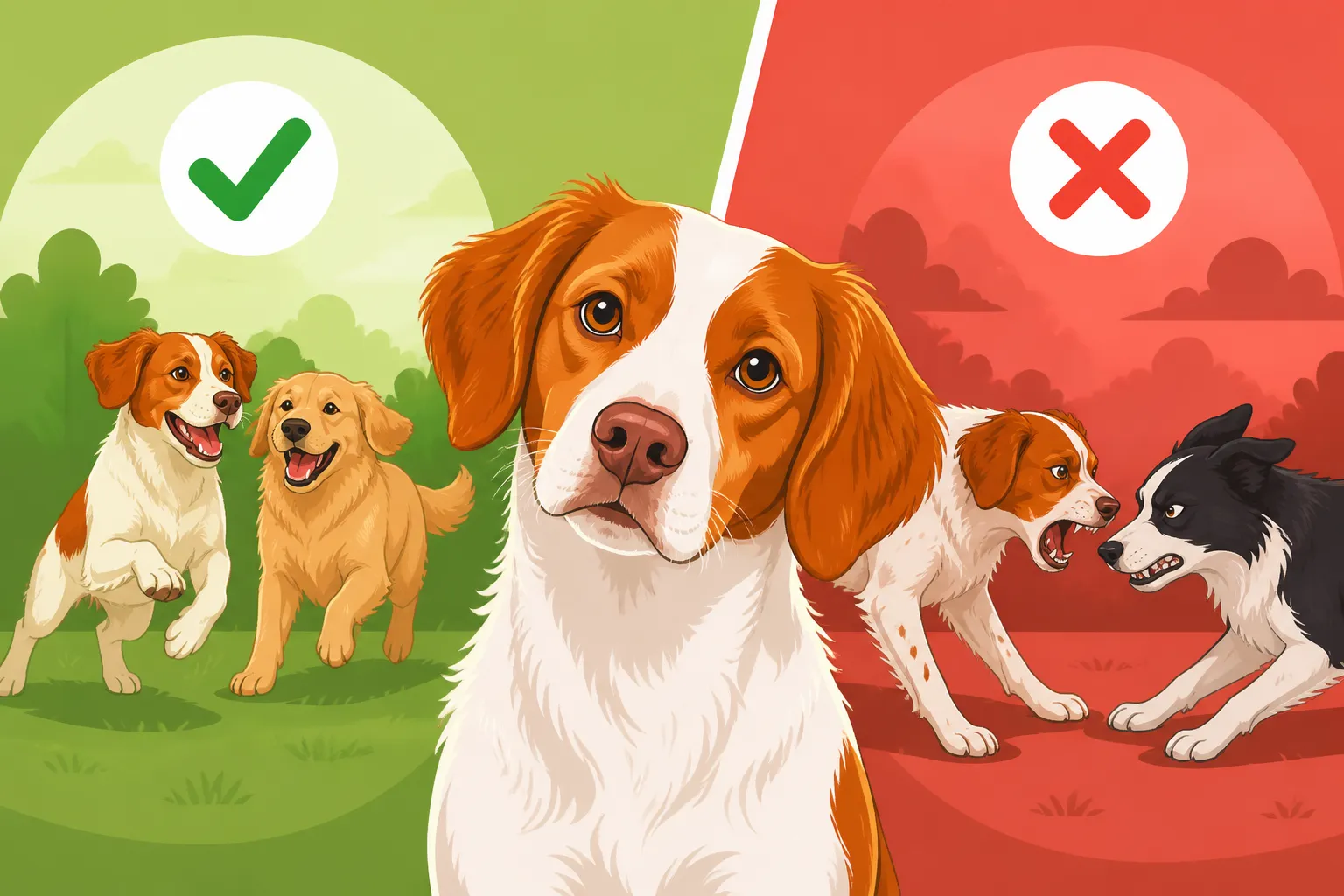
One of the most endearing qualities of the Brittany is their generally friendly and outgoing disposition. They rarely meet a stranger, be it human or canine, and approach new encounters with an open, eager attitude. This makes them excellent candidates for a multi-dog household. When you introduce another dog, you'll often find your Brittany lights up, ready to engage in play, chase, and general shenanigans. They genuinely seem to enjoy the presence of a fellow four-legged friend, often initiating games with a playful bow or a soft nudge.
Having a second dog, especially another high-energy breed like a Brittany, can be a fantastic way to burn off some of that boundless energy. Instead of you being the sole source of entertainment and exercise, they have a built-in playmate. This can translate into wrestling matches in the living room that could rival a WWE bout, epic tag games in the yard that involve impressive bursts of speed, and even a bit of competitive exploring on walks where they spur each other on. For many Brittany owners, seeing their dog truly happy and engaged with another canine is one of the greatest joys, and it can certainly ease the burden on you to be the constant entertainer.
Beyond the physical outlet, canine companionship provides immense mental stimulation. Dogs communicate in a language we can only begin to understand, full of nuanced body language, subtle vocalizations, and scent cues. Having another dog to "talk" to, to interpret body language, and to navigate social cues with enriches their lives profoundly. It teaches them patience, negotiation, and the art of play. It can also help alleviate boredom or Whether a Brittany Gets Separation Anxiety when you're not home, as they have each other for company and comfort. This shared presence can make a significant difference in their overall well-being.
When Brittany Temperament Can Be a Challenge
While generally amicable, Brittanys are not without their quirks, and these can manifest when integrating a second dog. Their high prey drive, for example, is a fundamental part of their being, honed over generations to find and point birds. If you're considering bringing a much smaller dog, or even a cat, into the home, you'll need to be incredibly mindful of this instinct. While many Brittanys can live peacefully with household felines and small pets, it's not a guarantee, and careful, supervised introductions are paramount. Their pointing instinct might even kick in with a small, scurrying animal, which, while not aggressive, can be unnerving for both animals. They might stand rigid, nose pointed, tail stiff, and follow every movement, which could be stressful for a smaller pet.
Another aspect to consider is their inherent sensitivity. Brittanys are often described as "soft" dogs, meaning they don't respond well to harsh corrections or overly dominant behavior. The Brittany Is the Softest of the Pointing Breeds. They thrive on positive reinforcement and gentle guidance, and can easily shut down or become anxious if constantly reprimanded or intimidated. If your existing Brittany is particularly timid, or if you're introducing a very boisterous, pushy, or dominant dog, it could create an imbalance in the household dynamic. The more sensitive Brittany might retreat, become anxious, develop fear-based behaviors, or even become reactive if they feel constantly intimidated and unprotected. Understanding both dogs' personalities is key to a harmonious household, ensuring no one is consistently stressed by the other.
Resource guarding, while not exclusive to Brittanys, can also become an issue in multi-dog homes. This could be over food bowls, highly coveted chew toys, prime napping spots on the couch, or even your lap. A Brittany, being an intelligent and sometimes opportunistic breed, might decide that a certain chew toy is theirs and not be willing to share. This behavior needs to be managed proactively and consistently from the moment a second dog arrives to prevent conflicts from escalating. Early intervention and consistent management, such as feeding separately and picking up high-value items, are crucial to prevent minor squabbles from turning into serious altercations.
Navigating the Practicalities of a Multi-Dog Brittany Home
Bringing a second dog into the fold isn't just about personalities; it's about logistics, space, time, and finances. What might seem like a simple equation of "two dogs = double the fun" often means a more complex arrangement of managing resources and routines. For a Brittany owner, this means amplifying many of the considerations you already have for your energetic companion, as their needs are significant.
Managing Energy Levels and Exercise Needs
Let's be real: one Brittany already demands a significant chunk of your time for exercise. These dogs are athletes, bred to cover miles of ground in pursuit of game. If you add another one, you're looking at a daily exercise requirement that can feel like a full-time job. It's easy to fall into the trap of thinking, "Oh, they'll just play with each other and burn it off." While they certainly will play, it rarely replaces structured, vigorous exercise like long walks, runs, hikes, or dedicated field work. Both dogs need individual outlets for their energy to truly be satisfied.
Without adequate exercise, especially for two high-drive Brittanys, you're practically inviting trouble. What an Under Exercised Brittany Does at Home ranges from incessant, nuisance barking that drives neighbors mad, and destructive chewing that can demolish furniture, to anxious pacing and even inter-dog squabbles born out of sheer frustration and pent-up energy. Imagine two highly intelligent, energetic dogs cooped up with nothing to do – it's a recipe for chaos and household destruction. You'll need to commit to daily, vigorous exercise for both dogs, whether that's separate walks to ensure focused attention, joint excursions to safe, open areas, or dedicated training sessions that incorporate physical activity. Don't underestimate the sheer volume of energy a pair of Brittanys can generate; they're like perpetual motion machines.
Consider how you'll manage your exercise routine. Will you walk them together, or separately? If one is faster or has different endurance, separate walks might be necessary to ensure each dog gets exactly what they need without one being held back or overexerted. If you're relying on yard play, ensure your yard is securely fenced – Brittanys are known for their athleticism, jumping ability, and curiosity, and two motivated dogs can find weaknesses in fencing you didn't know existed. A solid, high fence is a must. Remember, How Much Exercise a Brittany Needs Off Season is still substantial, and that doubles with two dogs.
Space, Resources, and Routines
Beyond exercise, think about the physical space in your home. While Brittanys aren't huge dogs, two of them undeniably take up more room. Do you have enough comfortable sleeping spots for each? Will they have their own crates, beds, or designated quiet areas where they can retreat for alone time? Dogs, even friendly ones, benefit immensely from having their own "safe space" where they can unwind without canine interference. If your current Brittany is accustomed to sleeping on the bed, consider how a second dog might impact that arrangement. Whether a Brittany Sleeps on the Bed becomes a negotiation with two warm bodies.
Resource allocation is another big one that often catches new multi-dog owners off guard. Food bowls, water dishes, favorite toys, and chew bones should ideally be available in multiples, placed in separate areas if resource guarding is even a remote concern. Feeding dogs separately, perhaps in different rooms or crates, can prevent squabbles and allow you to monitor each dog's intake, which is crucial for their health. Imagine the scene: two hungry Brittanys vying for the same kibble pile; it's often not pretty and can quickly escalate. Investing in additional sturdy bowls, a wider array of durable toys, and individual beds or crates is a given when expanding your pack.
Establishing clear, consistent routines is paramount in a multi-dog household. Dogs thrive on predictability, and Brittanys are no exception; consistency provides a sense of security and reduces anxiety. Consistent feeding times, potty breaks, exercise schedules, and training sessions help both dogs understand expectations and reduce competition. When routines are chaotic or inconsistent, it can lead to confusion, increased anxiety, and greater opportunities for inter-dog squabbles. Think about how much time and mental energy you currently dedicate to your single Brittany – that commitment will effectively double, especially in the initial stages of integration. If you're considering Whether a Brittany Can Be a Kennel Dog, a multi-dog outdoor kennel setup also needs thoughtful planning for individual space.
Thoughtful Introduction and Ongoing Management
Bringing a new dog into a home with an existing Brittany, or vice-versa, isn't something to rush. It requires careful planning, immense patience, and a steadfast commitment to creating a harmonious environment. The ultimate goal isn't just for them to tolerate each other, but ideally, to become genuine companions who enrich each other's lives.
Choosing the Right Companion for Your Brittany
The long-term success of a multi-dog household often hinges on the compatibility of the dogs involved. When choosing a second dog, consider the age, temperament, and energy level that would best complement your existing Brittany. A calm, mature dog might be a good, steadying influence on an overly boisterous young Brittany, teaching them manners and providing a sense of calm. Conversely, another high-energy dog could be an ideal playmate for a Brittany who never seems to tire, allowing them to burn off steam together. However, pairing two very dominant dogs, or two overly timid ones, could lead to ongoing tension or exacerbated anxieties. A good rule of thumb is to look for a dog whose energy level and play style are similar but whose personality isn't likely to clash or compete directly.
Gender dynamics can sometimes play a role, though it's not a hard-and-fast rule. Many owners find that a male-female pairing works well, as it often naturally establishes a clearer social hierarchy without intense rivalry. Two males or two females can also coexist beautifully, but vigilance is key, particularly if both are intact (not spayed or neutered) or have strong, assertive personalities. If you're looking for another Brittany, consider whether you want an American Brittany (known for wider range and more independence in the field) or a French Brittany (tends to hunt closer to the gun and can be a bit more intense in their focus) and how that might impact their shared exercise needs and your training approach. An American Brittany Ranges Wide and a French One Stays Close could lead to different exercise requirements.
If you're adopting from a reputable rescue organization, such as a Brittany-specific rescue, they often have a strong understanding of their dogs' individual personalities and can offer invaluable insights into potential pairings based on their foster experiences. They may even have a "foster-to-adopt" program that allows for a trial period, which is an excellent way to see how the dogs integrate in a low-pressure environment. Whether you're getting a puppy or an adult dog, a pre-meet-and-greet on neutral ground, under controlled circumstances, is highly recommended to observe initial interactions before committing.
The Introduction Process: Slow and Steady Wins the Race
The initial introduction sets the stage for the entire relationship, so take it incredibly slow and be mindful of every interaction. Start on neutral territory, like a local park or a friend's securely fenced yard, where neither dog feels possessive of "their" space. Keep both dogs on leash, allowing them to sniff and observe each other from a safe distance before gradually moving closer. Avoid forcing interaction; let them dictate the pace. The goal is positive, low-stress first impressions, associating each other with calm, pleasant experiences.
Short, supervised sessions are far better than long, overwhelming ones. Gradually increase the duration and proximity of their interactions. Once you bring the new dog home, keep them separated initially, perhaps with a sturdy baby gate or individual crates, allowing them to get used to each other's scent and presence without the pressure of direct confrontation. Feed them in separate rooms to prevent any early resource guarding issues. Walk them together on leashes, maintaining a comfortable distance, to create a sense of shared activity without direct physical pressure.
Supervision is non-negotiable during the early stages. Never leave the dogs unsupervised, even for a moment, until you are absolutely confident they are safe and comfortable together. Look for signs of stress or aggression – stiff body language, growling that isn't playful, whale eye (showing the whites of their eyes), or one dog constantly trying to escape the other. A certified professional dog trainer can be an invaluable resource during this process, offering guidance tailored to your specific dogs and home environment. Websites like BAXTER & Bella offer online resources for training, which can be a great way to brush up on obedience for both dogs, especially with commands like "leave it" or "come." Remember, Whether a Brittany Needs Puppy Class applies to adult dogs too, in terms of needing foundational manners and social skills reinforced.
Addressing Challenges in a Multi-Dog Brittany Home
Even with the best planning and a careful introduction, living with multiple dogs, especially active and intelligent Brittanys, will inevitably present its own unique set of challenges. It's how you anticipate and address these issues that will determine the long-term harmony and happiness of your household.
Dealing with Sibling Rivalry and Competition
Competition can pop up in unexpected ways, even between the friendliest of dogs. Resource guarding is a common one, manifesting over food, toys, beds, or even your attention. To mitigate this, feed dogs in separate areas or use separate rooms entirely, ensuring each has privacy and feels secure in their meal. Pick up all toys and chews when not in supervised use, especially high-value items, to prevent potential squabbles. Ensure there are always more beds and water bowls than dogs, allowing for choice and preventing feelings of scarcity, which can fuel competition.
Play can sometimes get out of hand, especially with two boisterous Brittanys. What starts as fun wrestling can escalate into something more serious if one dog isn't respecting the other's cues. Learn to read dog body language meticulously – a stiff posture, growling that isn't clearly playful, one dog constantly pinning the other, or one dog trying to disengage repeatedly are all clear signs you need to intervene. Interrupt play with a cheerful "Break!" command and redirect them to individual activities or a short quiet time in separate spaces. It's essential to teach your Brittany How Biddable a Brittany Is through consistent training, as this will help you manage their interactions and gain their cooperation when you need to step in.
Sometimes, the rivalry is more subtle – one dog might constantly try to get between you and the other, or demand all your attention when you're interacting with the other dog. This requires consistent management from you, ensuring both dogs feel equally loved and valued. Avoid inadvertently reinforcing one dog's pushy behavior over the other's more reserved approach; make sure you give attention and praise to both, individually and together, on your terms.
Ensuring Individual Attention and Training
It's tempting to lump two dogs together for everything, assuming they'll learn by osmosis or that one will follow the other's lead. However, each dog is an individual and needs dedicated one-on-one time with you. This is particularly true for training. While group training can be beneficial for socialization and distraction work, dedicated individual training sessions reinforce the bond with each dog and allow you to address their specific needs and learning styles. How Long a Brittany's Training Session Should Be might be short (5-10 minutes is often plenty for focus), but regular, focused sessions with each dog are crucial for maintaining good manners, providing mental stimulation, and preventing either dog from feeling overlooked.
Make time for solo walks, even if it's just a short stroll around the block. This allows you to focus entirely on one dog, observing their behavior, working on leash manners without the distraction of another dog, and simply enjoying their unique company. It also prevents the "pack mentality" from always overriding individual thought, which can be extremely useful when you need one dog to perform a task or be calm without the other present. These solo excursions can be incredibly enriching for both you and your dog.
Cuddle time, grooming sessions, or even just quiet moments together on the couch are vital for maintaining your individual bond with each Brittany. In a multi-dog home, it's easy for dogs to feel like part of a unit rather than cherished individuals. These one-on-one moments reassure them of their unique place in your family. Even if you use crates, ensuring each dog has their own comfortable, quiet space for downtime is important. If Whether a Brittany Whines in the Crate usually indicates discomfort or anxiety, then imagine two dogs trying to find peace in one. Providing separate, appealing crates (perhaps enhanced with a comfortable bed from Amazon) can make a huge difference in their overall happiness and security.
Financially, remember that two dogs mean double the cost for food, vet care (including yearly check-ups and potential emergencies), grooming supplies, and potentially boarding or pet-sitting. What a Brittany Costs Per Month can add up quickly, and these expenses should be carefully considered before expanding your family. However, for many Brittany owners, the immense joy, companionship, and shared adventures that a multi-dog household brings are well worth the added effort and expense.
Conclusion: Weighing the Joy and the Work
Deciding whether a Brittany should live with another dog is a deeply personal choice that hinges on your lifestyle, your current dog's personality, and your willingness to commit to the additional work involved. Brittanys are often fantastic with other dogs, thriving on the companionship and shared activity. This can enrich their lives immensely, providing an outlet for their boundless energy and fulfilling their social nature, leading to a truly vibrant household.
However, it's not a decision to be taken lightly. You'll need to be prepared for double the exercise demands – more walks, more runs, more training, and more dedicated playtime to ensure both dogs are physically and mentally satisfied. You'll need to meticulously manage resources, space, and routines to prevent conflict and ensure both dogs feel secure, valued, and loved. The introduction process must be slow and deliberate, taking weeks or even months, and ongoing management of personalities and potential rivalries will be a constant, yet ultimately rewarding, part of your life. While the cost of What a Brittany Costs Over Its Lifetime will certainly double, so too often does the joy and love they bring into your home. With careful planning, immense patience, and a deep understanding of your Brittany's unique needs, a multi-dog household can be a truly wonderful and fulfilling experience, a harmonious symphony of wagging tails and happy barks.
Disclaimer
This article is for general informational purposes only and does not constitute professional advice. Laws, prices and regulations vary by location and change over time. Consult a qualified professional for guidance on your specific situation.