How to Rebuild a Gun Shy Brittany
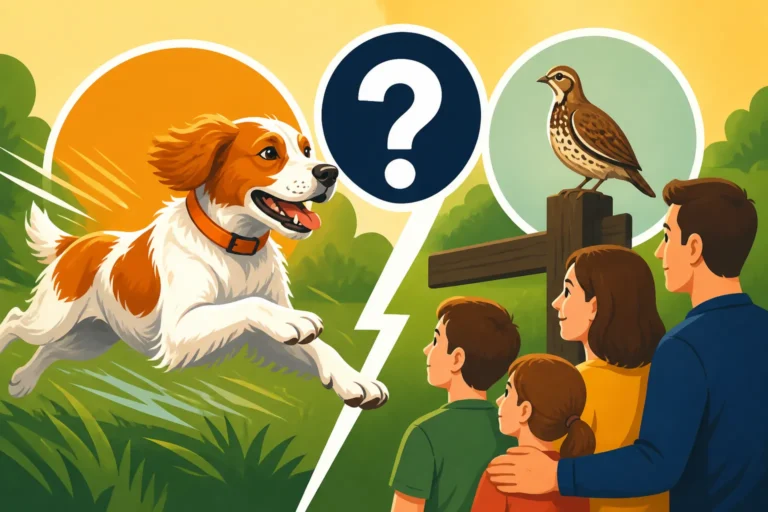
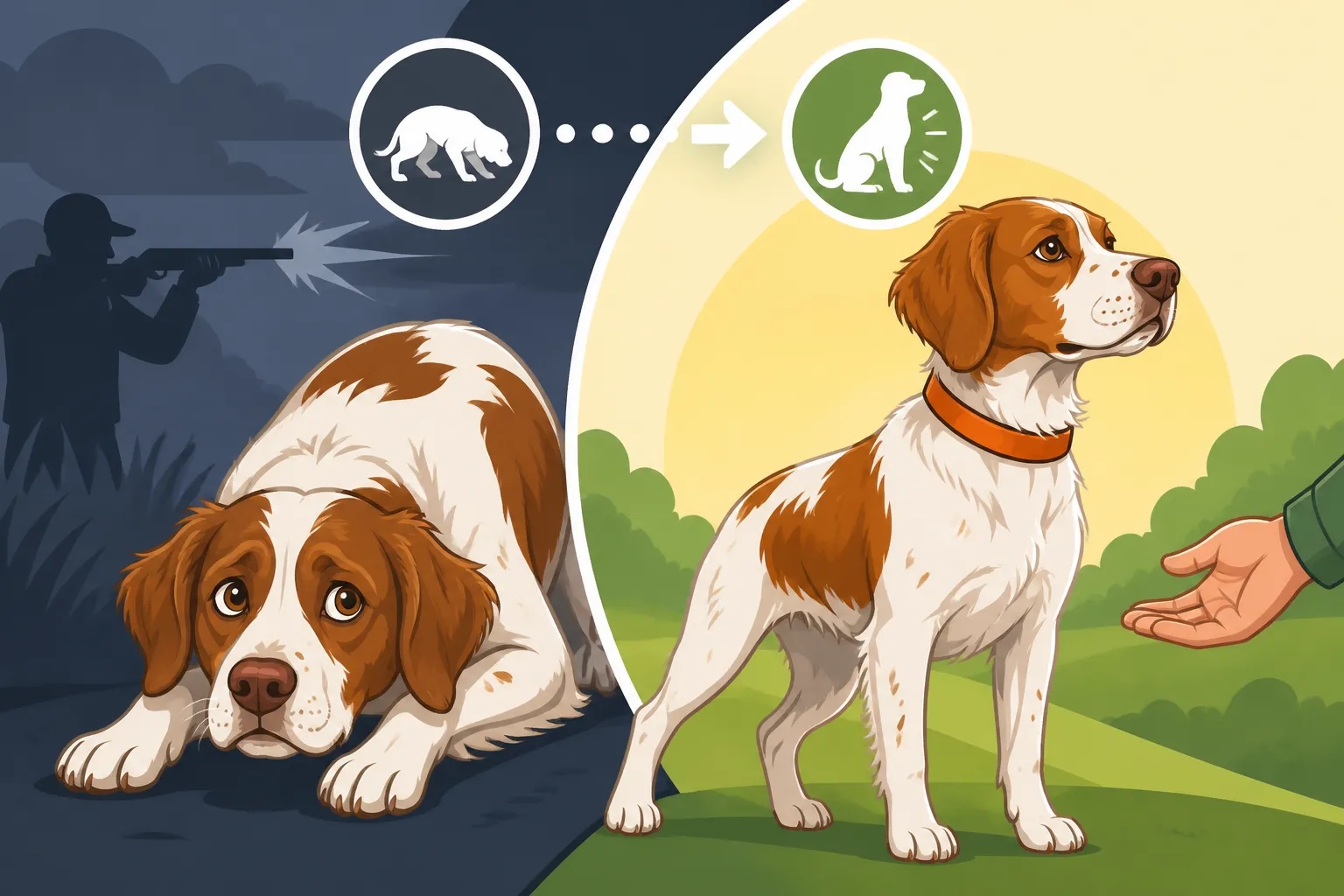
It's absolutely heartbreaking when your eager, bird-loving Brittany Spaniel suddenly becomes a trembling mess at the sound of a gunshot or even a distant firework. Many of us have been there, watching our once-confident hunting companion transform into a dog paralyzed by fear, and it leaves you wondering if you've ruined them forever. This guide is here to walk you through the process of carefully and patiently rebuilding a gun-shy Brittany, restoring their confidence and, hopefully, their love for the field.
Understanding Gun Shyness in Brittanys
Gun shyness isn't just about a dog being startled; it's a deep-seated fear response that can stem from various sources and manifest in different ways. For a breed as sensitive and intelligent as the Brittany, understanding the roots of this fear is the first crucial step in helping them overcome it. It's not a flaw in their character, but a learned reaction, and it's certainly not your fault if it happened, especially if you inherited the issue or had an unfortunate accident.
What Causes Gun Shyness in a Brittany?
Brittanys are known for their biddable nature and keen desire to please, but they are also often described as "soft" dogs. This sensitivity, while making them wonderful companions and trainable hunting partners, can also make them more susceptible to negative experiences.
One of the most common causes is an improperly introduced gunshot. If a young Brittany, or even an older dog, is exposed to a loud, close shot before they've had sufficient positive association with birds and the hunting environment, it can be terrifying. This isn't just about the volume; it's about the suddenness, the unexpectedness, and the lack of context. Imagine a child being unexpectedly hit with a loud, painful noise – their natural reaction would be fear, and they'd likely associate that fear with the circumstances surrounding the noise. The same applies to our Brittanys. A single bad experience, like a too-close shotgun blast or even a loud pop from a cap gun, can cement a negative association that’s incredibly hard to shake. Why a Brittany Is Easy to Ruin With a Gun touches on this delicate balance.
Another factor can be an underlying anxiety or lack of confidence. A dog that is generally insecure or poorly socialized might be more prone to developing gun shyness. Environmental factors can play a role too. A dog introduced to gunshots in an echoey, enclosed space, or one surrounded by other dogs reacting fearfully, might also pick up on those anxieties. It's a complex interplay of genetics, individual temperament, early experiences, and training methods.
Recognizing the Signs of Gun Shyness
The signs of gun shyness can range from subtle anxiety to outright panic. It’s important to distinguish between a dog that is simply startled by a sudden loud noise (which is normal for many dogs) and one that exhibits a true phobia.
Common indicators include:
- Trembling or Shaking: This is often one of the most visible signs. Your dog might start trembling uncontrollably at the sound or even in anticipation if they've learned cues.
- Hiding or Seeking Shelter: A gun-shy Brittany might try to bolt, cower behind you, or find a secure spot under a vehicle or dense brush.
- Flattened Ears and Tucked Tail: These classic signs of fear and submission are strong indicators of distress.
- Excessive Panting or Drooling: These physiological responses can occur as the dog's adrenaline surges from fear.
- Whining, Crying, or Barking: Some dogs vocalize their distress.
- Refusal to Move or Hunt: In the field, a gun-shy dog might freeze, refuse to retrieve, or try to escape the area. They may even develop a general aversion to the hunting environment itself, beyond just the gun.
- Submissive Urination or Defecation: In extreme cases, a dog might lose bladder or bowel control due to intense fear.
- Hyper-vigilance: Constantly scanning the environment, ears swiveling, trying to locate the source of the scary noise.
It's vital to remember that these aren't signs of defiance or "bad behavior." They are genuine expressions of fear, and your Brittany needs your patient understanding, not punishment. Shouting at or punishing a fearful dog will only deepen their anxiety and damage your bond. What Happens When You Shout at a Brittany is a useful read on their sensitivity.
Laying the Groundwork for Recovery
Rebuilding a gun-shy Brittany isn't a quick fix; it's a marathon that requires immense patience, consistency, and a commitment to positive reinforcement. Before you even think about reintroducing gun sounds, you need to establish a rock-solid foundation of trust and confidence. This is about showing your Brittany that you are their safe harbor, and that the world, particularly around you, is a safe place.
Re-establishing Trust and Building General Confidence
If your Brittany has become gun-shy, their trust in you, especially in a hunting context, might be shaken. Your first priority is to repair that bond and build their overall confidence in a stress-free environment. This means taking a break from any hunting or gun-related activities for a significant period – weeks, even months, if necessary. During this time, focus purely on positive interactions and activities your dog loves.
Engage in fun games, long walks in quiet areas, and plenty of cuddle time. Reinforce basic obedience commands with high-value treats and praise. Simple commands like "sit," "stay," and "come" performed reliably in various environments build a dog's confidence by giving them predictable tasks and positive outcomes. Consider enrolling in a positive-reinforcement-based obedience class. Even online programs, like those offered by BAXTER & Bella, can provide structured guidance for building a confident, well-behaved dog in general. A confident dog is a more resilient dog when faced with challenges. What a Brittany's Temperament Is Really Like highlights just how crucial this general sense of security is for them.
Enrichment activities are also crucial. Puzzle toys, scent work, or even just exploring new, quiet walking trails can stimulate their minds and provide positive experiences away from any potential triggers. The goal is to fill their life with so much good stuff that their baseline anxiety lowers significantly.
Creating a Safe and Predictable Environment
A fearful dog thrives on predictability and safety. Ensure your Brittany has a comfortable, quiet "safe space" in your home – a crate with a blanket, a designated dog bed in a low-traffic area, or a quiet room. This should be a place where they can retreat and feel secure, especially when unexpected loud noises might occur (like a distant thunderstorm or car backfire). Never use this space for punishment.
While you’re rebuilding trust, be mindful of any other loud, startling noises in your home or yard. Try to minimize these as much as possible, or at least be prepared to offer comfort and reassurance if they happen. If you know a noisy event is coming up, like fireworks on a holiday, plan ahead. Create a calm sanctuary, use white noise machines, or play classical music to mask external sounds. Some owners even invest in calming wraps or thundershirts for their dogs, which can provide a sense of security during anxious times.
Consistency in daily routines also helps. Dogs thrive on knowing what to expect. Regular feeding times, walks, and training sessions can help reduce overall stress levels and reinforce the idea that their world is stable and safe.
The Step-by-Step Rehabilitation Process
Once your Brittany's general confidence is restored and they are relaxed in most situations, you can begin the slow, careful process of desensitization and counter-conditioning to gun sounds. This is where patience truly becomes a virtue. Remember, one step forward and two steps back is a common dance here, and that's okay. The goal is progress, not perfection.
Gradual Sound Desensitization
The core principle here is to introduce gun sounds at such a low volume and long distance that your Brittany barely notices, or at least doesn't react fearfully. You then gradually increase the volume and decrease the distance over many, many sessions, always pairing the sound with something positive.
-
Start Small, Start Distant: Begin with a sound that is not a real gun. A starter pistol, a clap, or even an empty two-liter bottle dropped on the ground, can be used at first. The key is extreme distance. If you're using an actual starter pistol, have a friend fire it hundreds of yards away, barely audible, while you engage your Brittany in a fun activity like playing fetch or offering delicious treats. Better yet, start with recorded gun sounds played on a device. You can find these online or look for desensitization CDs on Amazon.
-
Positive Association is Key: Every time the sound occurs, immediately follow it with something wonderful. A high-value treat (cooked chicken, cheese, hot dogs), a favorite toy, or a burst of enthusiastic praise. The dog needs to associate the sound with good things, not fear.
-
Monitor Your Brittany's Reaction: This is critical. If your Brittany shows any sign of fear – ears back, tail tucked, stopping their activity – you've gone too far, too fast. Immediately increase the distance, lower the volume, or go back to a less intense sound in the next session. Never push them through their fear. You want them to remain relaxed, engaged with you, and happy.
-
Slow, Incremental Progress: Increase the volume or decrease the distance only slightly at each session, and only if your Brittany remained completely relaxed during the previous one. This process could take weeks, or even months, for each incremental step. Consistency over intensity is paramount.
Counter-Conditioning with Dummy Rounds and Birds
Once your Brittany is comfortable with distant, quiet gun sounds, you can begin to introduce dummy rounds or even blank guns that fire actual gun powder but no projectile. The sound will be closer to a real gun, but still controlled.
-
Introduce the 'Work': At this stage, you want to start pairing the sound with the natural drives of a Brittany: birds! Start with retrieving a dummy. When your dog is enthusiastically retrieving, have your helper fire a very distant, quiet blank or starter pistol shot after the retrieve is complete and the dog is already happy and engaged with you. Again, watch for any signs of fear.
-
Gradual Integration with Birds: Slowly, as your dog remains comfortable, move the shot closer and slightly louder, always making sure it happens when the dog is focused on a positive activity, like finding a bird. Begin with liberated birds (pigeons or quail) that your dog points and retrieves. The intense focus on the bird can often override some of the gun shyness. The reward of the bird becomes the powerful counter-conditioner.
-
Simulated Hunting Scenarios: Once comfortable with basic retrieving and gun sounds, gradually introduce more realistic scenarios. Have your helper move further away, simulate walking and flushing. Always ensure the gun sound remains at a level where your Brittany is engaged and shows no signs of fear. Programs like BAXTER & Bella can offer guidance on structured positive reinforcement for these steps.
| Stage | Activity | Sound Source | Volume/Distance | Key Goal |
|---|---|---|---|---|
| Foundation | Basic Obedience, Play, Cuddles | None | N/A | Rebuild trust, general confidence |
| Phase 1: Sound Prep | Eating treats, playing fetch, puzzle toys | Recorded gun sounds | Barely audible | Positive association with distant, soft sounds |
| Phase 2: Live Sound | Retrieving dummies, engaged play | Starter pistol, blanks | Very distant, quiet | Introduce real gun sound, maintain calm |
| Phase 3: Bird Work | Liberated bird points, retrieves (no shot yet) | N/A | N/A | Connect joy of birds to eventual shot |
| Phase 4: Integration | Bird work with shots after retrieve | Starter/blank | Gradually closer | Positive association: shot + successful retrieve |
| Phase 5: Field Prep | Simulated field scenarios with shots | Blanks, real gun (distant) | Controlled, gradual | Generalize comfort to hunting environment |
Seeking Professional Guidance
There will be moments when you feel stuck or unsure how to proceed. This is completely normal! Rebuilding a gun-shy dog, especially a Brittany with their sensitivity, is one of the most challenging behavioral issues an owner can face. Don't hesitate to seek help from a qualified professional.
Look for a positive-reinforcement-based gun dog trainer or a certified professional dog behaviorist. Avoid anyone who suggests harsh corrections or "flooding" (overwhelming the dog with the fear stimulus), as this will almost certainly make the problem worse for a sensitive Brittany.
A good trainer can assess your dog's specific triggers and fear levels, design a tailored rehabilitation plan, and provide hands-on guidance. They can also help you read your dog's subtle body language more accurately, ensuring you don't push them too far. Sometimes, just having an experienced eye observe your sessions can make a world of difference. Your Brittany's overall health and temperament are covered in articles like The Brittany Is One of the Healthiest Sporting Breeds and The Twelve to Fourteen Years a Brittany Gets, which underscore the importance of professional care throughout their lives.
Remember that recovery is often not linear. There might be setbacks, especially if your Brittany encounters an unexpected loud noise outside of a controlled training session. When this happens, simply take a step back in your training, reinforce the basics, and resume your gradual process. Your patience and unwavering support are the most powerful tools you have to help your gun-shy Brittany find their joy in the field again.
Disclaimer
This article is for general informational purposes only and does not constitute professional advice. Laws, prices and regulations vary by location and change over time. Consult a qualified professional for guidance on your specific situation.