Teaching a Brittany Steady to Wing
There are few things as exciting as watching your Brittany snap onto a bird, tail blurring, nose twitching, every muscle coiled in perfect intensity. But then, in a burst of feathers and instinct, the bird flushes, and your beloved hunter breaks point, chasing after it with unbridled enthusiasm. It’s a common frustration for many bird dog owners – that incredible point, only to be ruined by the chase. This guide is all about tackling that exact problem: teaching your Brittany to remain steady to wing, turning those thrilling points into polished, reliable hunting scenarios.
Understanding "Steady to Wing" for Your Brittany
Before we dive into the nitty-gritty of training, it’s really important to understand what "steady to wing" actually means for a Brittany, and why it's such a valuable skill. It's not about stifling their natural drive or making them robotic; it's about channeling that incredible energy and instinct into a controlled, effective partnership in the field.
Why Steadiness Matters for a Brittany
Your Brittany is born with an incredible prey drive and an innate desire to find and point birds. That's why we love them! However, without steadiness, that powerful drive can sometimes work against you, and against the dog itself. When your dog charges after a flushing bird, several things can go wrong. First, they might bump other birds, scattering the covey and ruining potential shots for the rest of the hunt. Imagine a perfect point, only for your dog to flush three other birds while chasing the first, turning what could have been multiple opportunities into a frustrating scramble.
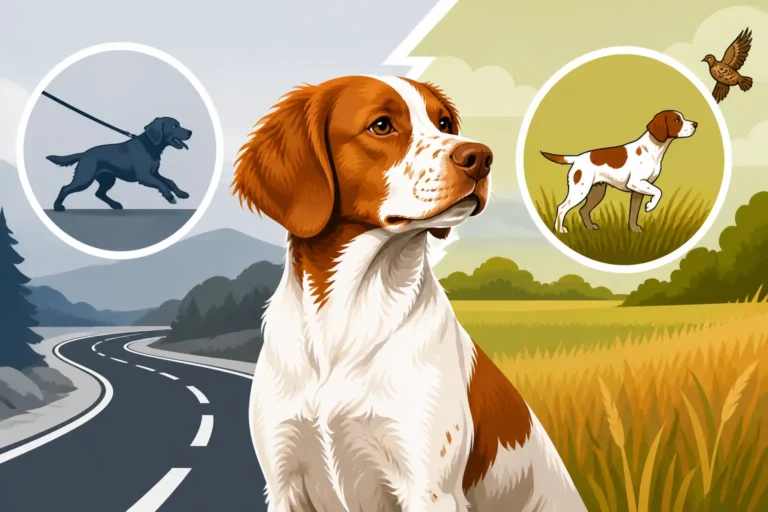
Secondly, and perhaps most importantly, steadiness is a huge safety factor. A dog that is breaking point and running wildly through cover after a bird is not only harder to control but can put itself in harm's way. They might run into a road, chase a bird into dense, dangerous cover, or even run ahead of your hunting partners, creating unsafe shooting lanes. A steady dog stays put, allowing you to move into position, take a safe shot, and then send them for the retrieve. It turns chaos into a controlled, efficient process.
Finally, steadiness shows respect for the bird and for other hunters. It’s a mark of a truly finished gun dog. It allows you to appreciate the beauty of the point, plan your shot, and ensures that when you hunt with others, your dog isn't interfering with their opportunities. Plus, it's absolutely essential if you plan to introduce your Brittany to situations where they need to Teaching a Brittany to Honor a Point, meaning they respect another dog's find and hold still while that dog is working.
The Difference Between Steady to Wing, Shot, and Fall
When trainers talk about "steadiness," it's often broken down into three stages. Think of it as a progression, each step building on the last. You absolutely must master one stage before moving on to the next, especially with a sensitive breed like the Brittany.
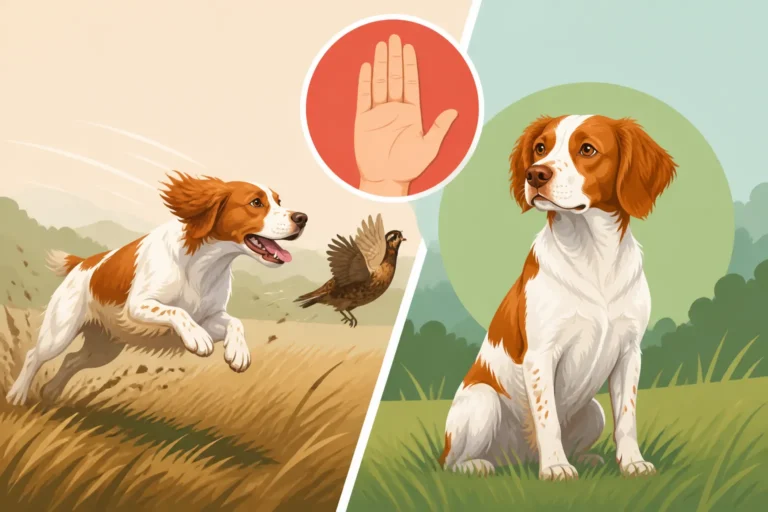
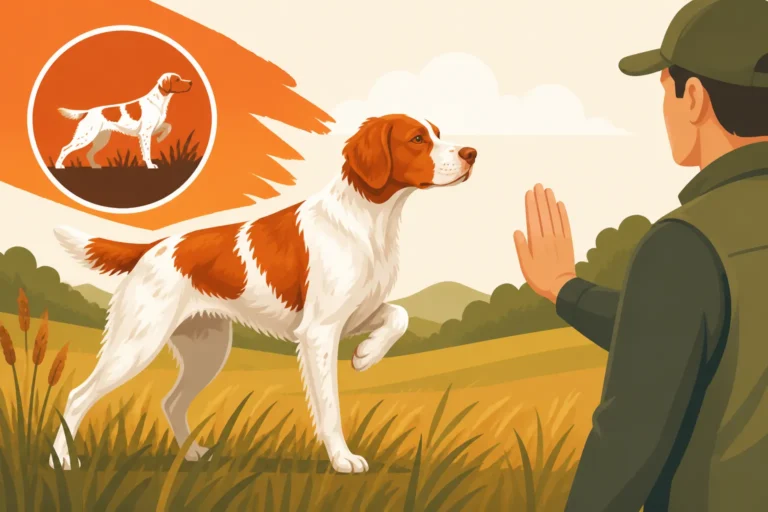
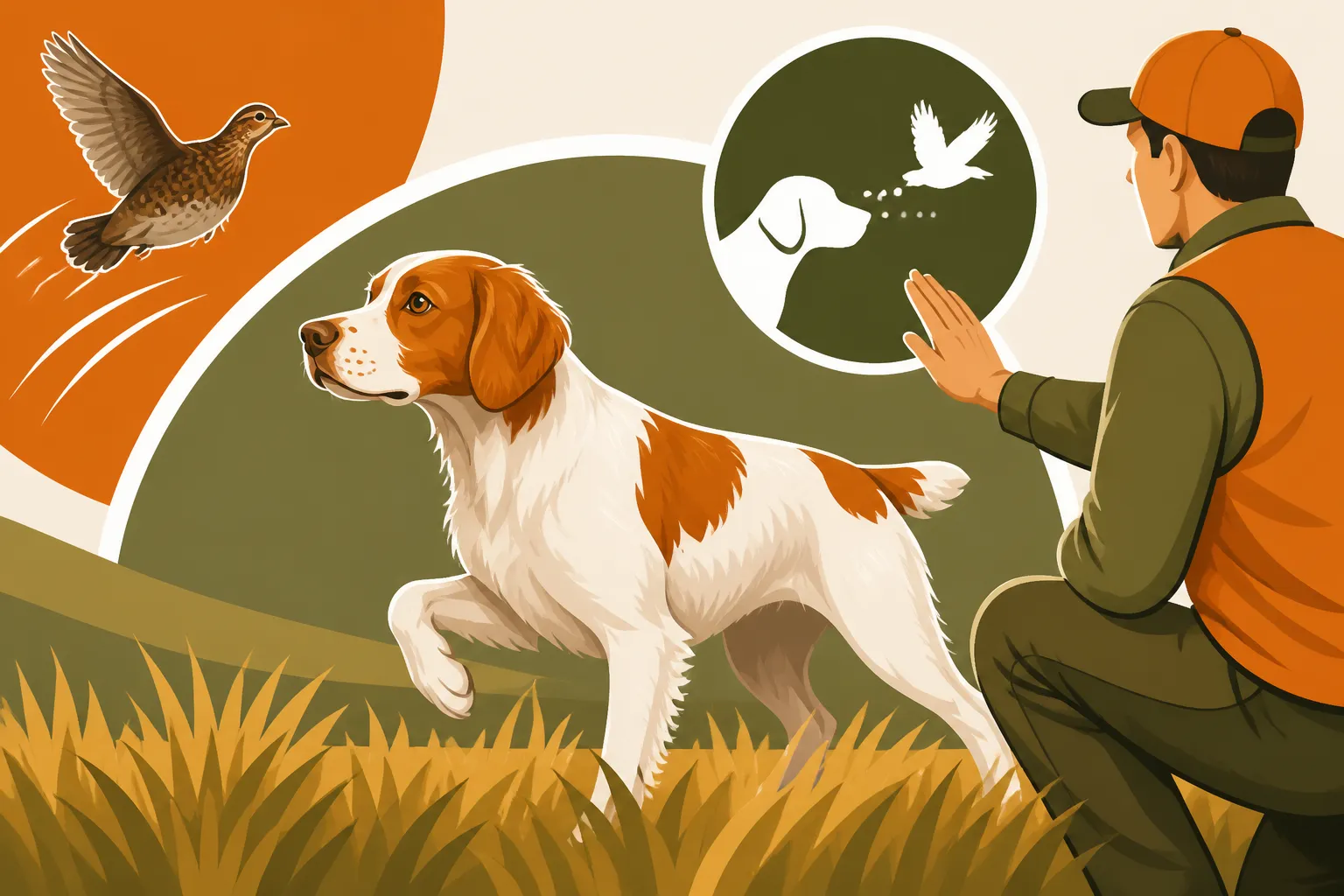
Steady to Wing is the foundational stage. This means your Brittany remains perfectly still, holding their point, even after the bird takes flight. Their job is to indicate the bird's presence, allow you to approach, and then, when the bird flushes, to freeze in place and watch it go. They do not move, even an inch, until you give them a release command. This is where we'll focus our efforts in this guide, as it's the biggest hurdle for most owners.
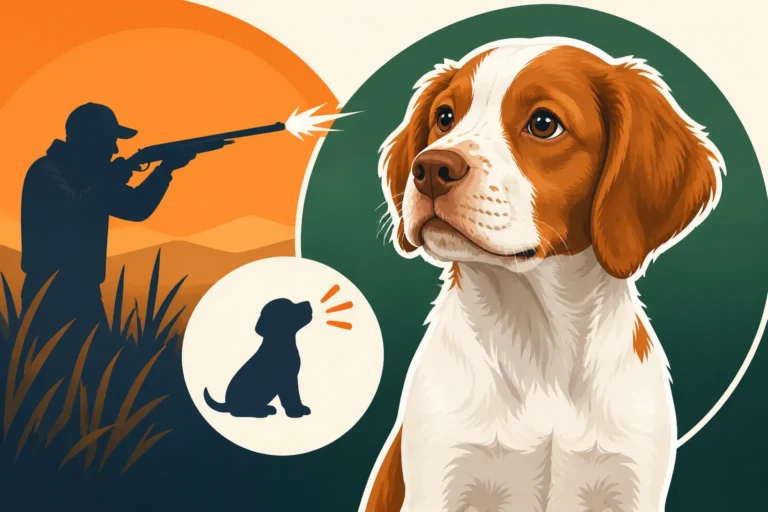
Steady to Shot comes next. Once your dog is reliably steady to wing, you introduce the gun. Now, they must hold their position not only when the bird flushes but also when the gun fires. This requires even more self-control, as the sound and vibration of the shot can be incredibly exciting or startling for a dog. You want them to associate the shot with staying still, not with chasing.
Steady to Fall is the most advanced stage, and some hunters choose not to pursue it, depending on their style. In this stage, your Brittany holds their position through the flush and shot, and continues to hold while the bird falls to the ground. They wait patiently until you give a command to retrieve the downed bird. This level of control is truly impressive and prevents a dog from running in on a wounded bird, potentially bumping other birds, or getting to a bird before you've had a chance to mark its location properly. For a breed known for its enthusiastic retrieves, teaching "steady to fall" often requires very strong force fetch training and a lot of patience.
For our purposes today, we're focusing on getting that initial, crucial step of "steady to wing" down pat.
Building the Foundation: Prerequisites for Steadiness
You wouldn't build a house without a strong foundation, and the same goes for training your Brittany. Teaching steadiness is an advanced concept that relies heavily on a few fundamental skills. Skipping these steps will only lead to frustration for both you and your dog. Remember, Brittanys are intelligent and eager to please, but they are also sensitive, so patience and a positive approach are key (see Why a Brittany Is Called Soft).
Mastering Basic Obedience and Whoa
Before you even think about putting your Brittany on a bird for steadiness training, they absolutely must have rock-solid basic obedience. This means they should reliably come when called (recall), heel politely, and, most critically, understand and execute the "whoa" command perfectly.
The "whoa" command is the cornerstone of all steadiness training. It's not just a "stop" command; it's a "freeze in place and do absolutely nothing until released" command. Your dog should understand that "whoa" means they are to stop dead in their tracks and hold that position, no matter what distractions are around them. Practice "whoa" in a variety of environments, starting in a quiet backyard and gradually introducing more distractions. Use a check cord and a steadying post if needed, gently correcting any movement and praising heavily when they hold still. Many owners find structured online programs, like those offered by BAXTER & Bella, incredibly helpful for solidifying these early commands in a consistent, positive way. These programs often provide step-by-step guidance that ensures you're building a strong foundation.
Beyond "whoa," a reliable recall is paramount. If your dog breaks point and you can't get them back, you've lost control. Practice your recall frequently, making it the most rewarding command your dog knows. Always make coming back to you a positive experience, even if you're frustrated. How Reliable a Brittany's Recall Is
Controlled Bird Introductions
Once your Brittany is solid on "whoa" in non-bird scenarios, it’s time to start integrating birds, but in a highly controlled manner. You'll want to use training birds like pigeons or quail, often in a release trap. The goal here is to allow your dog to experience the thrill of finding and pointing a bird, but without the opportunity to chase.
Start by planting a bird in an area where you have good visibility and your dog is on a long check cord. I recommend a 30-foot or even a 50-foot check cord at this stage. You can easily find these on Amazon or at your local sporting goods store. Let your dog work naturally, scenting and pointing the bird. When they go on point, approach them, praise them softly, and get control of that check cord. Now, release the bird. The instant your dog attempts to move, step on the check cord or apply a gentle but firm tug, simultaneously giving your "Whoa!" command. Do not allow them to take a single step forward. The moment they stop, even if it was forced, praise them calmly. The idea is to create a clear association: bird flushes = "whoa" and hold.
This is a repetitive process. Your dog's natural instinct to chase is incredibly strong, and you're asking them to override it. Keep sessions short and positive. End on a success, even if it's a small one. If your Brittany gets frustrated or confused, take a break. How Long a Brittany's Training Session Should Be
The Importance of Timing and Consistency
Training steadiness demands impeccable timing. When your Brittany is on point and the bird flushes, the moment they so much as twitch to move forward, your correction (stepping on the check cord, saying "whoa") must be immediate. If there's a delay, your dog won't understand what the correction is for. They might think it's for the bird flying away, or for standing on point, rather than for moving.
Equally important is consistency. Every time your Brittany is on point and a bird flushes, they must be expected to be steady. If you let them break sometimes and correct them others, you're just confusing them. This means every hunting partner, every family member, needs to be on the same page. If you're using a professional trainer, make sure you understand their methods so you can reinforce them at home. Inconsistency is the fastest way to unravel all your hard work and can make a sensitive Brittany withdraw or become "sour" on birds.
Step-by-Step Training for Steady to Wing
Alright, you've got the foundation laid – your Brittany knows "whoa" and understands that birds appear and sometimes fly away. Now, let's put it all together into a structured plan to teach true steadiness to wing. Remember, slow and steady wins the race, especially with a Brittany.
The Check Cord Method – Controlled Environment
This is your primary tool for teaching steady to wing. The check cord gives you the physical control needed to reinforce the "whoa" command at the critical moment of the flush.
- Preparation is Key: Find a relatively open area with minimal distractions. Have several pigeons or quail in secure release traps. You'll need a long check cord (at least 30 feet, preferably 50 feet for more advanced work).
- Planting the Bird: Walk your Brittany away from the training area, out of sight. Go back and plant one of your birds in a release trap. Make sure the bird is well-hidden but positioned so your dog will easily scent it and come on point.
- The Approach: Bring your Brittany into the area, letting them work to find the scent cone. As soon as they go on a solid point, approach them calmly. Praise them softly for the point.
- Securing the Cord: Pick up the end of the check cord, or loop it around your hand/foot so you have immediate control. Position yourself slightly behind or to the side of your dog, close enough to react instantly.
- Flushing the Bird: Trigger the release trap (or have a helper flush the bird if you're working with live birds directly).
- The "Whoa!" Moment: The instant the bird flushes and your Brittany attempts to move, give a firm, clear "Whoa!" command while simultaneously stepping on the check cord or applying a quick, firm tug. Do not allow them to take a single step towards the flushing bird. The goal is to stop their forward momentum immediately.
- Praise and Hold: The moment they stop, even if it was a forced stop, give immediate verbal praise ("Good whoa! Good dog!") but keep them holding their position for a few seconds. Do not release them immediately. Let them watch the bird fly away.
- Release and Reward: After a few seconds of holding, give your release command (e.g., "Okay," "Break," "Fetch") and reward them with praise or a small treat.
- Repeat, Repeat, Repeat: This process needs to be repeated many times. Start with birds that flush predictably. Gradually increase the distance you are from your dog when the bird flushes, forcing you to rely more on the length of the check cord.
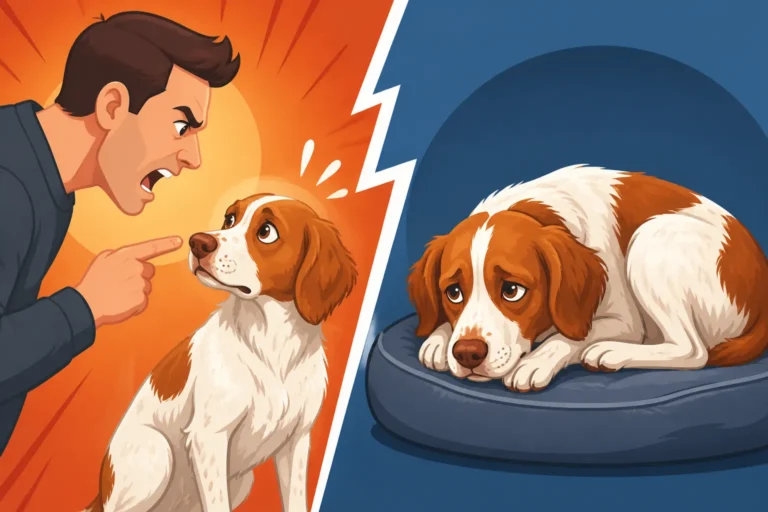
Important Note: Your Brittany is sensitive. Avoid harsh jerks or shouting. The correction should be firm but fair, and immediately followed by praise the moment they comply. How Sensitive a Brittany Is to Correction
Introducing the E-Collar (Carefully!)
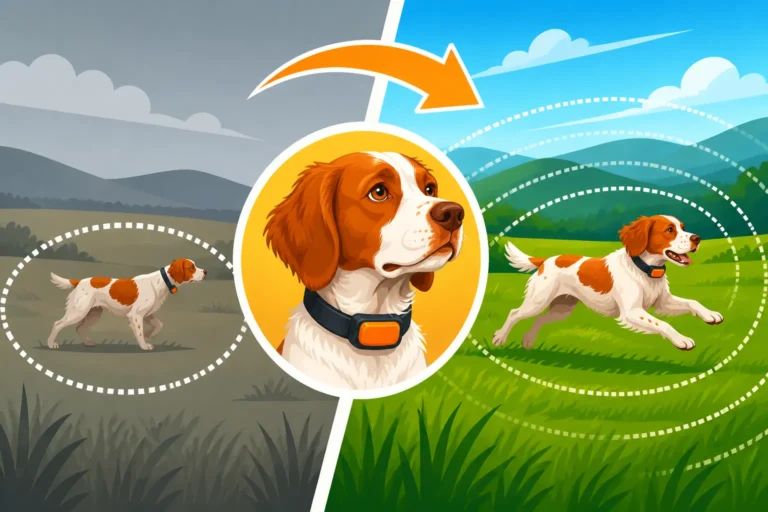
Once your Brittany is consistently holding steady on the check cord, even from a distance, you can consider introducing an e-collar (electronic collar). This is a tool, not a punishment device, and must be used correctly and responsibly. A good e-collar can provide consistent, immediate reinforcement of your commands, even when your dog is far away or highly excited. I often look for reliable e-collars on Amazon, reading reviews to make sure I'm getting a quality product from a reputable brand.
- Foundation First: Never introduce an e-collar during bird work until your dog fully understands its function in a non-bird scenario. Start by pairing very low-level stimulation with known commands like "heel" or "come" in a quiet environment. Your dog should understand that the stimulation means, "pay attention, a command is coming." Release the stimulation the instant they comply.
- Transition to "Whoa": Once they respond to the e-collar for basic obedience, begin using it to reinforce your "whoa" command in non-bird drills. Give the "whoa" command, and if they don't immediately comply, apply a very low-level continuous stimulation. Release the stimulation the second they stop and freeze.
- Bird Work with E-Collar: Now, integrate the e-collar into your check cord steadiness drills. As your Brittany goes on point, get ready. When the bird flushes and they attempt to move, simultaneously give your verbal "Whoa!" command and apply a low-level continuous stimulation. Hold the stimulation until they stop moving and hold steady. Release the stimulation immediately when they comply.
- Phasing Out the Check Cord: As your dog becomes more reliable, gradually rely less on the physical check cord and more on the e-collar for reinforcement. Keep the check cord on for a while as a safety backup, but use it less and less.
- Consistency: Just like with the check cord, consistency is paramount. Every time the bird flushes, your dog must be steady. The e-collar allows you to maintain this consistency even at greater distances.
Remember, the e-collar is about communication, not punishment. The goal is to use the lowest effective level of stimulation. If you're unsure about using an e-collar, seek guidance from an experienced professional gun dog trainer. Whether a Brittany Needs an E Collar at All
Moving to the Field and Advanced Scenarios
Once your Brittany is consistently steady to wing in controlled training setups, it's time to bring that training to the actual hunting field. This is where the real test begins!
- Start Easy: Don't throw your dog into the thickest cover with the wildest birds right away. Begin in areas with more open cover where you can still keep a good eye on your dog. Plant some birds if necessary, to ensure success.
- Introduce Wild Birds Gradually: When hunting wild birds, anticipate flushes. Be ready with your "whoa" command and e-collar. If your dog breaks, immediately correct them and bring them back to the point of the flush, making them stand there for a moment before continuing.
- Vary the Scenarios: Gradually introduce more challenging elements:
- Different Cover Types: Open fields, brush, denser woods. Each presents different challenges for scenting and handling.
- Varying Wind Conditions: Dogs typically work into the wind, but sometimes a bird will flush downwind, making the flush more unexpected.
- Other Dogs: If you hunt with others, practice having your Brittany honor another dog's point. This is a huge step in steadiness, as it requires them to remain still while another dog is actively working a bird and potentially retrieving.
- More Pressure: As your dog gains confidence, you can gradually introduce more exciting situations, like larger coveys or birds that flush very close.
- Short Sessions, High Success: Keep your initial field sessions relatively short. End on a high note, even if it means planting one last bird to guarantee a successful, steady point and flush. Over-drilling can lead to a dog becoming bored or "sour."
- Patience and Persistence: There will be setbacks. Your Brittany is a creature of instinct. There will be days they break, even after weeks of perfect steadiness. Don't get discouraged. Go back to basics, simplify the environment, and rebuild confidence. What a Brittany Does When It Is Corrected Too Hard
Common Challenges and Troubleshooting
Even with the best training, you'll likely encounter a few bumps along the road when teaching your Brittany to be steady. It's completely normal, and understanding these common issues can help you address them effectively.
The "Creeping" Brittany
Ah, the creeper. This is a common habit where your Brittany goes on point, but instead of holding rock-solid, they slowly, almost imperceptibly, start to inch forward. Sometimes it's pure excitement, sometimes it's an attempt to get closer to the bird, and sometimes they're just testing the boundaries.
How to address it:
- Intensify "Whoa": Go back to strong, consistent "whoa" drills. When they are creeping, immediately give a sharp "Whoa!" and step in front of them, making them back up a few steps before settling back into point. This creates a negative association with moving forward.
- Steadying Post: If it's a persistent problem, you might need to use a steadying post (a short stake in the ground with a loop that goes over their neck, just behind their head) or even a pinch collar during your "whoa" drills. These tools provide a physical reminder to hold position.
- Move the Bird: Sometimes creeping indicates the dog isn't confident in the bird's location. Try moving the bird slightly further away, or using a bird that holds better.
- Handler Pressure: Your presence can also influence creeping. Sometimes, moving too close or being too "tense" can inadvertently encourage them to move. Try varying your approach or having a helper flush the bird while you stay further back.
Losing Steadiness in High-Drive Situations
You've trained diligently, your Brittany is fantastic on planted birds, but put them on a wild pheasant in heavy cover, and suddenly all that training goes out the window! This is a classic problem. The heightened excitement, the stronger scent, the unpredictability of a wild bird can overwhelm their training.
How to address it:
- Back to Basics, but Smarter: Don't just give up. Re-evaluate. What was different about that high-drive situation? Was it the type of bird? The cover? The amount of energy your dog had?
- Gradual Exposure: Introduce these high-drive scenarios very gradually. If pheasants are the problem, start by planting pheasants in controlled settings. Build up to field conditions slowly.
- Energy Management: Ensure your Brittany isn't over-amped before a hunt. A dog with pent-up energy is more likely to break. Give them a good run or retrieve session before the serious bird work begins. How Much Exercise a Brittany Needs Off Season
- Short, Successful Sessions: In these challenging scenarios, keep sessions very short. Aim for one or two perfect, steady points and flushes, then end on a high note. Don't push them to the point of failure.
When Your Brittany Gets Bored or Frustrated
Brittanys are intelligent dogs with a zest for life. Repetitive, uninspired training can lead to boredom, and too much correction or confusion can lead to frustration or withdrawal. A frustrated Brittany might become "hard-mouthed," lose enthusiasm for birds, or simply shut down.
How to address it:
- Keep it Fun! Training should always be an enjoyable experience for your Brittany. Use lots of praise, vary your training locations, and use different types of birds. Make them excited to work with you.
- Vary the Drill: Don't do the exact same steady-to-wing drill every time. Mix in some basic obedience, some retrieving, or just a fun play session.
- Read Your Dog: Learn to recognize the signs of frustration or confusion in your Brittany. Are their ears back? Are they avoiding eye contact? Are they performing sluggishly? If so, it’s time to stop. Take a break, play a game, and come back to training later with a fresh mind. Whether a Brittany Reads Your Mood
- Short, Sweet Sessions: Brittanys learn best in short, focused bursts. Don't drag out training sessions. Ten to fifteen minutes of intense, positive work is far more effective than an hour of nagging. End on a success.
- Professional Help: If you're truly struggling and your Brittany seems frustrated, don't hesitate to seek advice from a reputable gun dog trainer. They can offer an objective perspective and troubleshoot issues you might be missing.
Teaching a Brittany steady to wing is a process that requires patience, consistency, and a deep understanding of your dog's instincts and personality. But the reward – a reliable, safe, and truly effective hunting companion – is absolutely worth the effort.
| Stage of Steadiness | What it Means | Importance | Common Challenges |
|---|---|---|---|
| Steady to Wing | Dog holds point as bird flushes and flies away | Prevents bumping birds, safe shot opportunities | Natural chase instinct, creeping |
| Steady to Shot | Dog holds point after gun fires | Prevents gun shyness, maintains control | Startle reflex, increased excitement |
| Steady to Fall | Dog holds point until bird hits ground | Prevents flushing wounded birds, proper marking | High retrieve drive, patience required |
Disclaimer
This article is for general informational purposes only and does not constitute professional advice. Laws, prices and regulations vary by location and change over time. Consult a qualified professional for guidance on your specific situation.