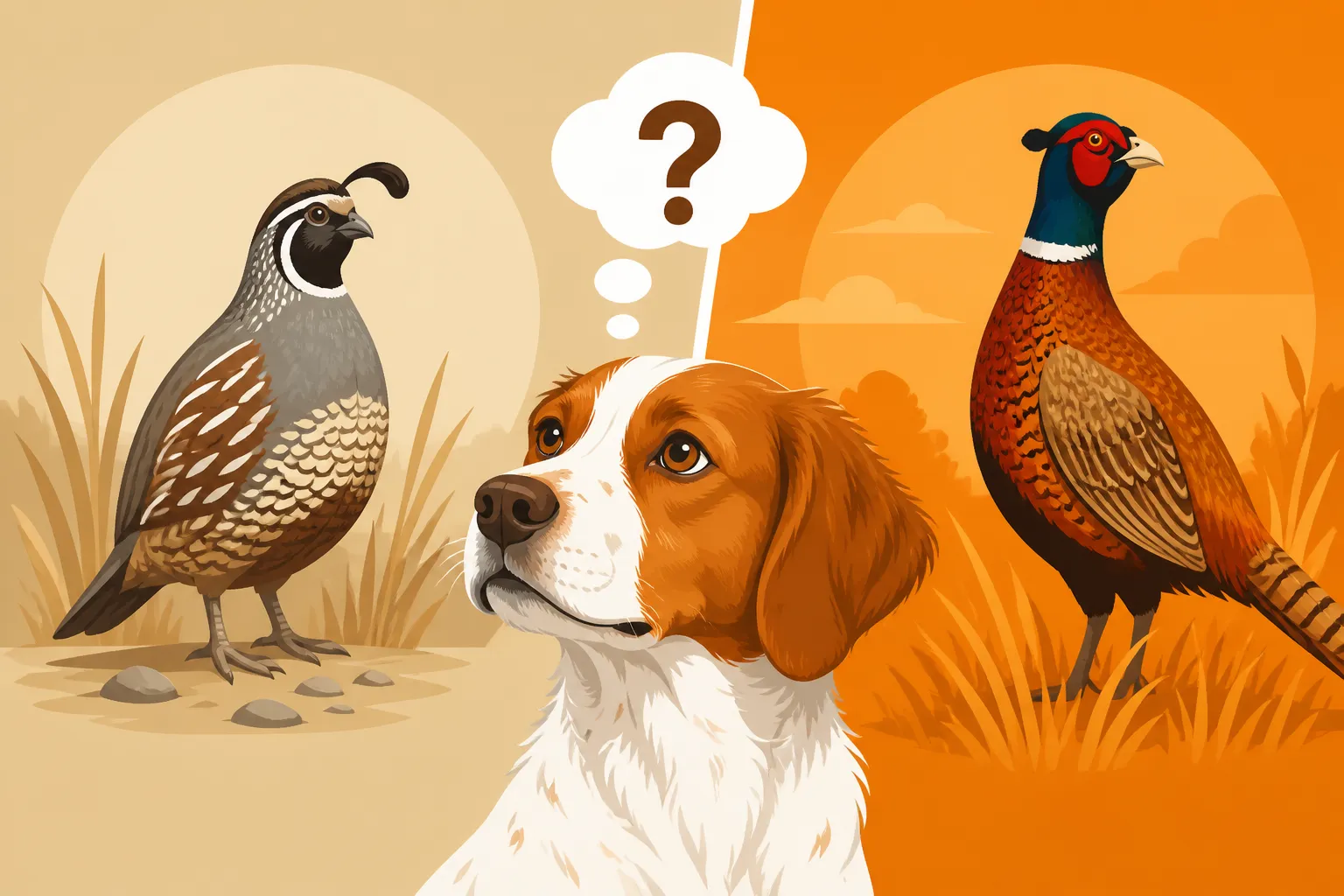
Whether a Brittany Should See Quail Before Pheasant
Bringing home a Brittany puppy is an exciting time, but the path to becoming a reliable gun dog can feel like navigating a maze, especially when it comes to those critical first bird introductions. Many new owners wonder if their young Brittany should encounter quail or pheasant first. It's a valid concern, because that initial experience can profoundly shape your dog's confidence and drive in the field. This guide will help you understand the nuances, weighing the pros and cons of each bird, and offering practical advice for a successful start.
Why the Order of Bird Introduction Matters for Your Brittany
When you're bringing a new hunter into the world, every first experience is a building block. It’s not just about exposing them to birds; it’s about how that exposure happens and what lessons they take away from it. For a sensitive breed like the Brittany, the first bird encounter can either ignite a lifelong passion or, if handled poorly, create hesitation or even gun shyness down the line. It's about setting them up for success, recognizing their natural instincts, and gently guiding them toward what we want them to do in the field.
Understanding a Brittany's Natural Instincts
Brittanys are born with an incredible bird drive; it’s practically hardwired into their DNA. They possess a natural inclination to hunt, point, and retrieve, making them one of the most biddable and talented pointing breeds. However, "natural" doesn't mean "perfect" from day one. A young Brittany's instincts are raw and need careful cultivation. They might point butterflies or even houseflies before they ever see a game bird, which is completely normal. The goal of the first bird introduction isn't to teach them how to point, but to channel that inherent desire onto the appropriate quarry and reinforce the desired behaviors. This involves careful consideration of the bird itself, as well as the environment and your approach as the handler.
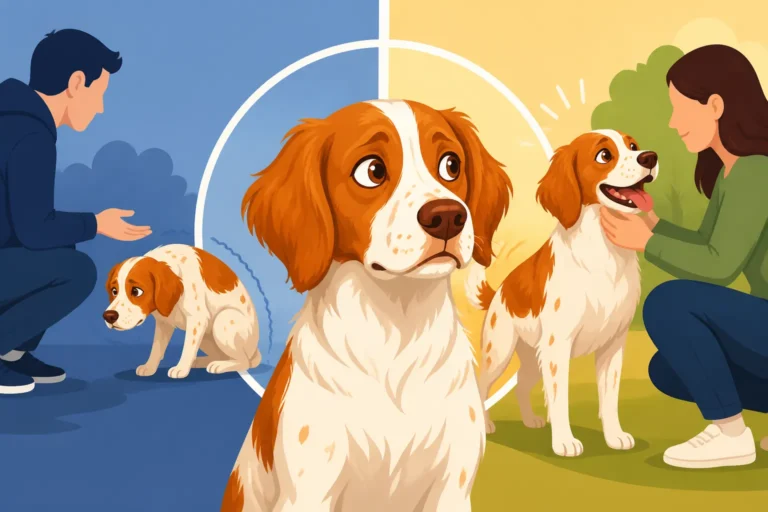
That first bird encounter is about building a positive association. We want the Brittany to connect the scent, sight, and sound of the bird with an exciting, rewarding experience. If the bird is too intimidating, too fast, or the situation too chaotic, it can overwhelm a puppy. A negative first impression can lead to a dog that's hesitant on point, or even one that bumps birds out of fear or confusion. Conversely, a carefully managed introduction can instill immense confidence, making your Brittany eager for future hunts. Remember, The Brittany Is the Softest of the Pointing Breeds, and too much pressure too soon can be detrimental.
The Impact of First Experiences
Think of that first bird as a foundational lesson. What you expose your Brittany to first can teach them important things about bird behavior, scenting, and how they should react. If the bird flies off too quickly or is too hard to "find" by scent for a young pup, it can be discouraging. If the bird presents too much of a challenge physically, a puppy might feel overwhelmed. The success of that initial interaction directly influences the dog's confidence and eagerness to hunt in the future.
The sequence also helps you, the handler, gauge your puppy's progress and temperament. Does your Brittany show a strong natural point? Are they sensitive to the sudden flush? Do they try to chase excessively? These are all things you want to observe and gently shape. Starting with a less intimidating bird allows you to fine-tune your training approach and allows your puppy to build confidence step-by-step. It's about gradual exposure, not throwing them into the deep end, especially for a young pup where When a Brittany Puppy Should Meet Its First Bird is a crucial decision point.
The Case for Starting with Quail
For many trainers and seasoned Brittany owners, starting with quail is the preferred method. There are several compelling reasons why these smaller, zippier birds can offer a superior introductory experience for a young gun dog. It's all about making that first encounter as positive, manageable, and confidence-building as possible.
Quail: Smaller, Slower, Less Intimidating
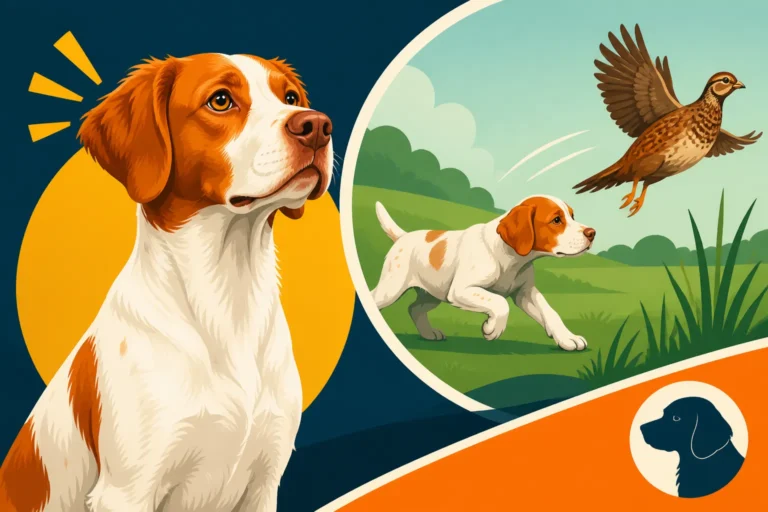
Quail, particularly flight-conditioned bobwhite quail, are generally considered ideal for a Brittany's first bird contact. They are smaller than pheasants, which makes them less intimidating for a young, inexperienced puppy. Their flight is often not as explosive or powerful as a pheasant's, allowing the pup to process the action without being overwhelmed. When planted, quail tend to sit tighter, giving the puppy more time to "lock up" on point and truly experience that thrilling moment of scenting and holding a bird. This slower, more controlled scenario is invaluable.
The manageable size and flight pattern of quail also reduce the likelihood of a pup becoming overly excited and bumping the bird. A pheasant's powerful flush can sometimes trigger an immediate chase response that is harder to control in a novice dog. With quail, the flush is still exciting, but often less startling, allowing the pup to practice holding steady if you're working on that, or simply absorb the experience of the bird taking flight. This gentler introduction helps solidify the pointing instinct without fear or unnecessary pressure.
Building Confidence and Reinforcing Natural Point
The primary goal of the first bird is to build confidence and reinforce the Brittany's natural pointing instinct. Quail excel at this. Because they tend to hold tighter, a young Brittany can really get a strong whiff, stand tall, and experience that intense, frozen moment of a solid point. This success is incredibly motivating. Each successful point, flush, and perhaps even a retrieve of a downed bird (if that's part of your plan and the pup is ready) builds a positive association that fuels their desire to hunt more. You want your dog to think, "Wow, that was fun! What's next?"
Furthermore, quail allow you to control the environment more easily. You can plant them in specific locations, manage the distance, and dictate the interaction. This control is crucial for shaping good habits from the start. A confident pup who understands the game is much easier to train in the long run. If your Brittany naturally shows a strong point, as many do, starting with quail allows you to capitalize on this innate ability without adding undue stress. How a Brittany Puppy Shows Its First Point is a magical moment, and quail provide the perfect stage for it.
Availability and Training Logistics
From a practical standpoint, quail are often more readily available for purchase than pheasants, especially in training quantities. Many game bird farms sell them, and you can often find them shipped through various suppliers, sometimes even listed on platforms like Amazon from specialty sellers, although you should always prioritize ethical and healthy sources. Their smaller size also makes them easier to transport and house in training pens if you're keeping a few on hand.
Training with quail often means you can have more repetitions in a single session without exhausting your puppy or the birds themselves. A pup can point several quail in a short training burst, allowing you to reinforce the behavior multiple times. This frequency helps to ingrain the desired responses much faster. Remember, How Long a Brittany's Training Session Should Be is usually quite short for a puppy, and quail allow for impactful, concise sessions.
The Case for Starting with Pheasant or Other Larger Birds
While quail often get the nod for initial bird work, some trainers might opt for pheasants, or at least consider them sooner, especially if their goals involve quickly exposing the Brittany to a more "real" hunting scenario or if quail aren't readily available. There are valid points to consider here, too, though they often come with a different set of challenges.
Simulating Real-World Hunting Conditions
One argument for introducing pheasants earlier is that they more closely mimic the type of bird many hunters will encounter in the field. Pheasants are larger, stronger, and often found in denser cover. Their scent is more robust, and their ability to run and flush explosively can provide a more immediate challenge that some believe prepares a dog for actual hunting conditions sooner. If your primary hunting grounds are thick with pheasants, it might seem logical to get your Brittany familiar with them from the outset.
The heavier scent of a pheasant can also be beneficial, especially for a young pup still developing its nose. It provides a clearer target for the Brittany to lock onto, potentially making the scenting aspect of the point more obvious. However, this benefit can also be a double-edged sword; the intense scent, combined with a strong flush, can sometimes over-excite or overwhelm a very young or sensitive pup. This is where knowing What a Brittany's Temperament Is Really Like truly comes into play.
The Challenge of a Stronger Bird
Pheasants present a more formidable challenge. Their strong legs mean they're notorious for running, which can be frustrating for a young dog learning to pin a bird. A running pheasant can tempt a puppy to break point and chase, a habit you absolutely want to avoid. Their powerful, often noisy flush can also be startling for a naive pup, potentially leading to gun shyness later if not handled with extreme care when gun introduction eventually happens. How to Introduce a Gun to a Brittany is a delicate process that should ideally follow confident bird work.
For a first bird, the potential for a pheasant to run and escape can be discouraging for a young Brittany. Success breeds confidence, and repeated failures to "pin" a bird can inadvertently teach a pup that birds are hard to catch, or that the chase is the reward. This is why careful control, often involving Johnny houses or release traps, is even more critical when introducing pheasants to a novice dog. The goal is always a positive experience, not a frustrating chase.
Transitioning to Diverse Game
While starting with quail is common, there's no harm in transitioning to pheasants relatively quickly once your Brittany has a solid understanding of bird work with quail. After several successful quail encounters, your dog will have built confidence in its pointing ability and a positive association with birds. At that point, introducing a pheasant can be a good next step to broaden their experience and prepare them for different types of game.
The key is timing. You want your Brittany to be confident and steady before facing the added challenges of a pheasant. By graduating from quail to pheasant, you're building on success rather than risking an early setback. This progressive approach ensures your Brittany develops a strong foundation that can handle various bird species effectively. Remember, Whether a Brittany Should See Quail Before Pheasant isn't a hard-and-fast rule, but rather a strategic decision for optimal development.
Practical Considerations for Any First Bird Introduction
Regardless of whether you choose quail or pheasant as the very first bird, the method of introduction is paramount. A poorly executed introduction with the "right" bird can be just as damaging as a good introduction with the "wrong" one. It's about careful planning, observation, and a patient, positive approach.
Controlled Environments Are Key
For that very first bird introduction, whether it's quail, pigeon, or even pheasant, a controlled environment is non-negotiable. This means a confined area where the bird can't simply disappear, and where your puppy can't get lost or distracted. A small, grassy field or even a large, secure yard can work, but for real bird work, a training pen or a bird launcher is ideal. These tools allow you to dictate exactly when and where the bird is encountered, ensuring the puppy gets a good scent and a clear visual.
A check cord is also an invaluable tool during these initial sessions. It gives you control, allowing you to prevent premature chasing (if you're working on steadying) or guide a hesitant pup towards the scent. Tools like a remote bird launcher, which you can find from various suppliers, even some on Amazon, allow you to control the flush, making it less startling for a sensitive pup. If you're building foundational obedience skills, remember that resources like BAXTER & Bella can provide excellent guidance on consistent positive reinforcement that translates to the field.
| Feature | Quail (Bobwhite) | Pheasant |
|---|---|---|
| Size | Small (6-8 oz) | Large (2-3 lbs) |
| Flight Speed | Moderate to Fast, but often less explosive | Very Fast, Explosive Flush |
| Tendency to Hold | Tends to hold tight when planted | Tends to run, can be difficult to pin |
| Scent Volume | Moderate | Strong |
| Intimidation Factor | Low, ideal for first exposure | Higher, can be startling for novices |
| Availability | Generally good, often available in bulk for training | Varies, sometimes seasonal, can be more costly |
| Training Reps | Easier to get multiple positive reps | More challenging for multiple controlled reps |
| Cost | Generally less expensive per bird | More expensive per bird |
Reading Your Brittany's Reaction
Every Brittany is an individual, and their reaction to their first bird will tell you a lot. Watch for signs of excitement, curiosity, and that classic "lock up" on point. Does their tail go rigid? Do they freeze, nose to the wind? This is what you're looking for. However, also pay attention to any signs of apprehension, timidity, or overwhelming excitement. A pup that becomes frantic, tries to mouth the bird, or breaks point repeatedly might need a gentler approach or more foundational obedience work. Whether a Brittany Reads Your Mood is very true; your calm, confident demeanor helps them feel secure.
It's crucial to keep these early sessions short and sweet. End on a positive note, even if it's just one good point. You want your Brittany to leave the experience wanting more, not feeling fatigued or frustrated. If you see signs of stress, back off. Perhaps they need more time simply walking in cover, or more exposure to blank gunshots before a bird is introduced. Don't rush the process; the foundation you build now will last a lifetime.
The Importance of Positive Reinforcement
Positive reinforcement is the cornerstone of successful bird introduction, especially for a sensitive breed like the Brittany. Every step of the way, from showing interest in the bird's scent to holding a solid point, should be praised enthusiastically. Use your voice, gentle pats, and even a small, high-value treat after the bird has been flushed or retrieved and the excitement has settled. You want your Brittany to associate birds and hunting with positive feelings and your approval.
Never punish a Brittany for a mistake during these early stages. If they break point, gently guide them back. If they try to chase, use your check cord to prevent it, then reset the situation. Harsh corrections can quickly dampen their spirit and make them hesitant to engage with birds in the future. Remember that How Sensitive a Brittany Is to Correction means a light touch goes a long way. The goal is to build a confident, eager hunting partner who loves their work, and positive reinforcement is the fastest, kindest, and most effective way to get there.
Disclaimer
This article is for general informational purposes only and does not constitute professional advice. Laws, prices and regulations vary by location and change over time. Consult a qualified professional for guidance on your specific situation.