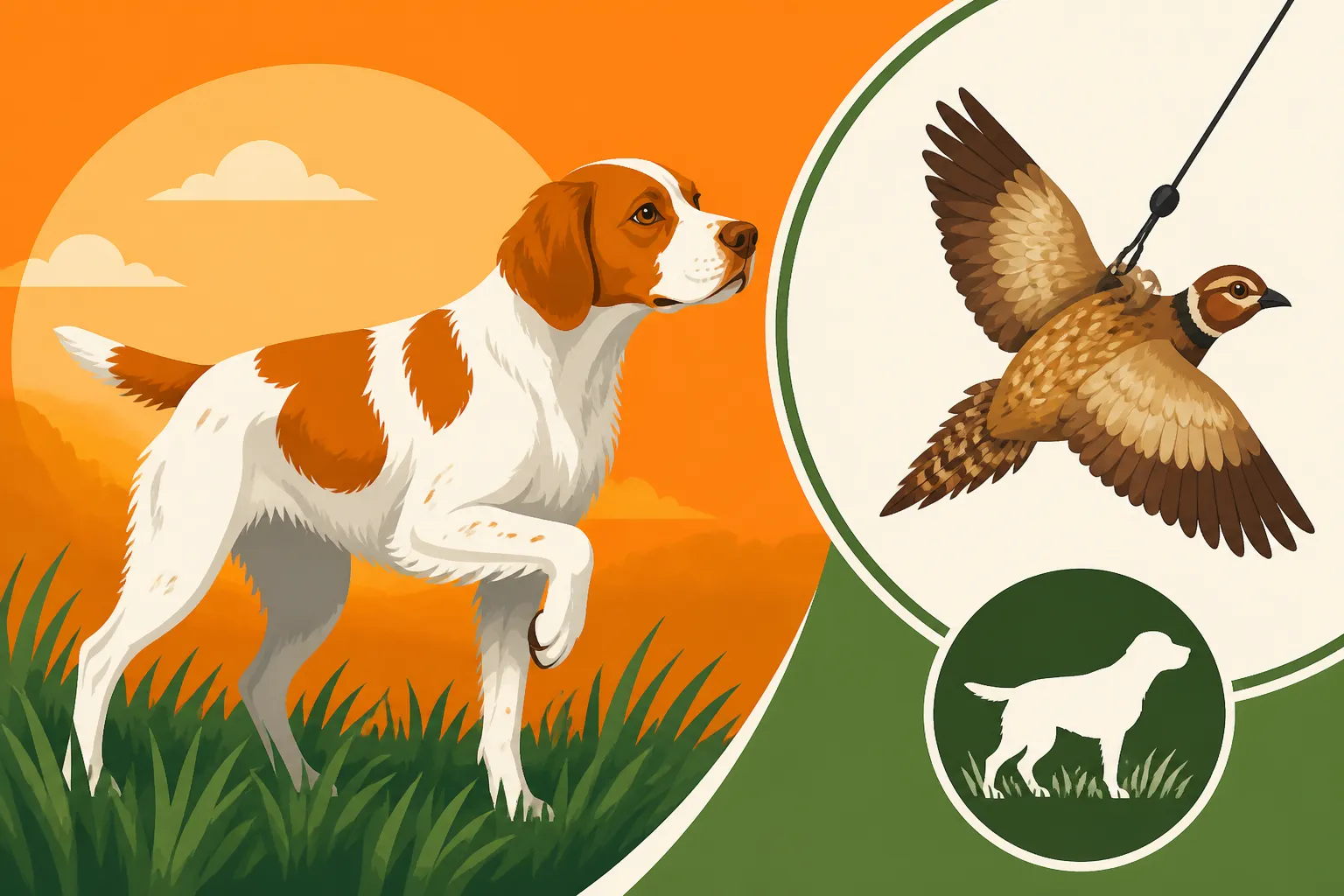
Whether a Brittany Points a Wing on a String
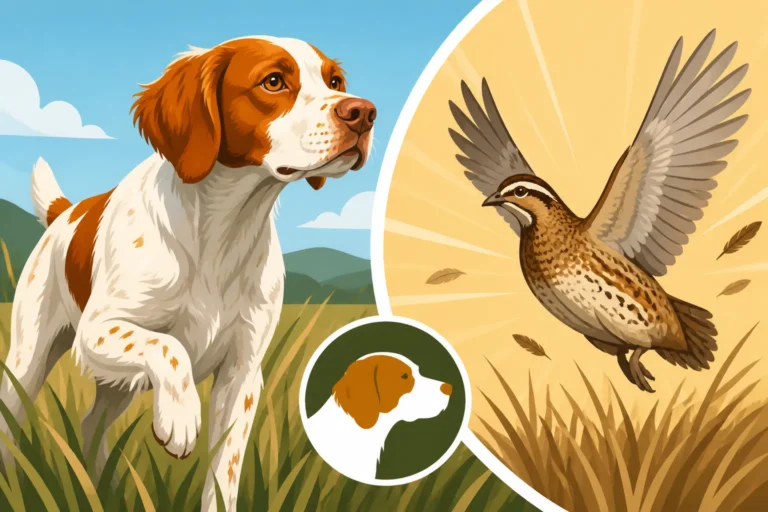
One of the most exciting moments for any Brittany owner, especially those with hunting aspirations, is seeing their puppy's natural bird instinct kick in. You dream of that perfect, staunch point, but how do you encourage it without overwhelming a young dog? This guide will dive deep into using a simple yet effective tool—the wing on a string—to gently introduce your Brittany to the thrill of the hunt and help them develop that innate pointing ability.
Understanding the Brittany's Natural Pointing Instinct
Brittanys are renowned for their incredible bird sense and their inherited desire to point. It's truly a marvel to witness, watching a young pup lock up on scent, transformed from a playful goofball into a focused hunter. But while the instinct is hardwired, how we nurture it can make all the difference in shaping a confident, effective bird dog.
What "Natural Pointing" Really Means for a Brittany
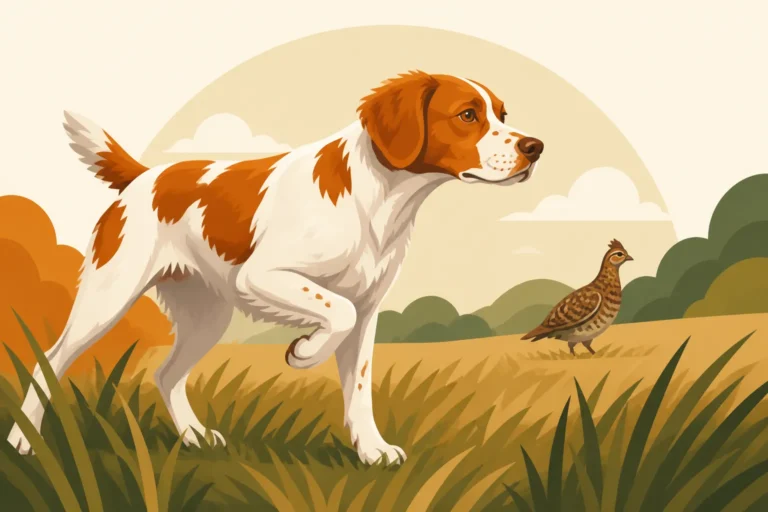
When we talk about "natural pointing" in a Brittany, we're referring to that inborn inclination to stop, stiffen, and indicate the presence of game birds by holding a specific posture. It's not a learned behavior in the same way "sit" or "stay" is; it's a genetic blueprint. However, merely having the instinct doesn't mean a dog will automatically develop a polished, steady point. Life experiences, training, and exposure all play a crucial role in refining this raw talent. A Brittany might naturally point, but training helps them point effectively and reliably for a hunter. It’s about channeling that intense drive into a cooperative effort, ensuring they don't break point prematurely or spook the birds before you arrive. It's easy to get excited and push too hard, too fast, which can unfortunately dampen that natural enthusiasm. Patience is always key with these sensitive dogs.
The Age a Brittany Puppy First Points
It’s often a big question for new Brittany owners: when will my puppy show its first point? There isn't a hard and fast rule, as every pup is an individual, but most Brittanys will start exhibiting pointing behaviors surprisingly early. Some puppies, especially those from strong hunting lines, might show a flicker of instinct as young as 8 to 12 weeks. They might freeze on a feather blowing across the yard, or "point" a bug in the grass. More formal, consistent pointing on actual bird scent often begins around 4 to 6 months of age, once they've had some exposure and their senses are developing fully. The key here is not to expect perfection, but to recognize and reward those early signs. You want to foster their curiosity and confidence. For a deeper dive into this, check out our article on The Age a Brittany Puppy First Points.
Signs a Brittany Puppy Has Bird Drive
Beyond the nascent pointing instinct, a Brittany with strong bird drive will display several other tell-tale signs. They'll be intensely interested in anything that moves quickly, especially if it resembles a bird. This might manifest as:
- Intense Nose Work: Sniffing the ground with purpose, following scent trails, and generally having their nose glued to the earth.
- Chasing Instinct: A strong desire to pursue anything that flushes or flies, though early on, you'll work to channel this into holding point rather than chasing.
- Excitement Around Feathers: A genuine fascination with feathers, picking them up, carrying them, or reacting to their movement.
- General Alertness: Being highly aware of their surroundings, scanning for movement, and having an inquisitive nature.
These are all fantastic indicators that your Brittany has that inherent passion for birds. Our job is to guide that passion constructively, using tools like the wing on a string to build a solid foundation.
The Wing on a String: A Training Tool Explained
The wing on a string might sound deceptively simple, but it's an incredibly effective and gentle way to introduce your Brittany to the concept of scent and sight pointing. It’s a low-pressure way to spark their prey drive and build their confidence, all while allowing them to develop at their own pace.
Why a Wing on a String Works for Brittanys
This simple tool works wonders because it leverages a Brittany's natural instincts without the overwhelming stimulation of a live bird too early. Here's why it's so effective:
- Scent Introduction: Even a single game bird wing carries a distinct scent. When you drag it along the ground, you're laying a scent trail that encourages your puppy to use their nose, which is paramount for a pointing dog. They learn to track and focus on that specific odor.
- Visual Stimulation: The movement of the wing itself, fluttering or skittering along, triggers their visual prey drive. They see something moving like a bird and their instincts kick in to "catch" or "point" it.
- Controlled Environment: Unlike releasing a live bird, which can be unpredictable, a wing on a string allows you to control the speed, direction, and duration of the interaction. This means you can create successful experiences repeatedly, building the pup's confidence and reinforcing the desired behavior—the point—without the risk of them chasing or getting overwhelmed.
- Builds Focus: It teaches the dog to concentrate on the "bird" (the wing) and ignore other distractions. This is a critical skill for any working dog in the field.
It's a fantastic foundation builder, allowing your pup to enjoy the thrill of the chase and discovery in a safe, manageable way.
Choosing the Right Wing and String
You don't need fancy equipment to start, but selecting the right components makes a difference.
- The Wing: The best wings come from game birds your Brittany will eventually hunt—pheasant, quail, or chukar. The scent is crucial. You can often get these from hunting friends, game bird farms, or even taxidermists. Make sure the wing is relatively fresh (or frozen and thawed) to retain its scent. You might even find them available from online hunting supply retailers or on platforms like Amazon. Having a few on hand is smart, as they lose scent over time and can get damaged during enthusiastic play.
- The String: A simple, lightweight string or thin rope works best, about 8 to 15 feet long. You want enough length to keep a comfortable distance from your pup so they don't associate you with the "bird" too directly, but short enough to maintain control. Think about using a string that's not easily tangled or too heavy.
- Attachment: Securely attach the wing to the end of the string. You can tie it directly around the bone of the wing, or if the wing is older and might shed feathers, you can sometimes find small clips designed for bird wings. The goal is to keep the wing attached so you don't lose it mid-session!
Remember, the quality of the wing—its scent and appearance—will directly impact your pup's engagement.
Setting Up Your Training Space
The environment for introducing the wing on a string should be as distraction-free as possible. This isn't the time for a busy dog park or your front yard where cars zoom by.
- Fenced Yard: A securely fenced yard is ideal. It allows your puppy to roam freely without you worrying about them darting off.
- Open Field: A quiet, open field with low grass is also excellent. You want enough space for your pup to run and track without dense cover obscuring the wing or making it difficult for you to move the string.
- No Other Dogs or People: Keep distractions to an absolute minimum. This is one-on-one time with your puppy, focusing solely on their interaction with the wing.
- Short Grass or Bare Ground: Avoid tall grass initially, as it can hide the wing too much and frustrate a young pup. You want them to easily see and pick up the scent.
- Wind Direction: Consider the wind! Start by dragging the wing against the wind, allowing the scent to carry back towards your puppy. This helps them learn to use their nose to "work" the scent cone.
A calm, controlled setting will set your Brittany up for success and make these early experiences positive and reinforcing.
How to Introduce a Wing on a String to Your Brittany Puppy
This isn't about rigid drills; it's about play, discovery, and positive reinforcement. The goal is to ignite that spark, not extinguish it with pressure.
First Impressions: Keeping it Positive and Low-Pressure
Your very first session should be short, sweet, and fun. You're not looking for a perfect point right away. You're simply introducing the concept and seeing how your puppy reacts.
- Start Casual: Don't make a big deal out of it. Let your puppy be in the yard or field, sniffing around.
- Drag and Go: With the wing attached to the string, casually drag it along the ground in front of your puppy, just out of their immediate reach. Make it look like a bird that's trying to get away.
- Encourage Chase (Initially): At first, let them chase it! If they pounce on it, let them mouth it for a moment. This builds their prey drive and makes the experience rewarding. Don't pull it away too quickly.
- Observe Their Reaction: Does their nose drop? Do their ears perk up? Do they get excited? Any sign of interest is a win.
- Keep it Short: End the session while they are still eager and wanting more. A minute or two is often enough for the first few times. Always end on a high note.
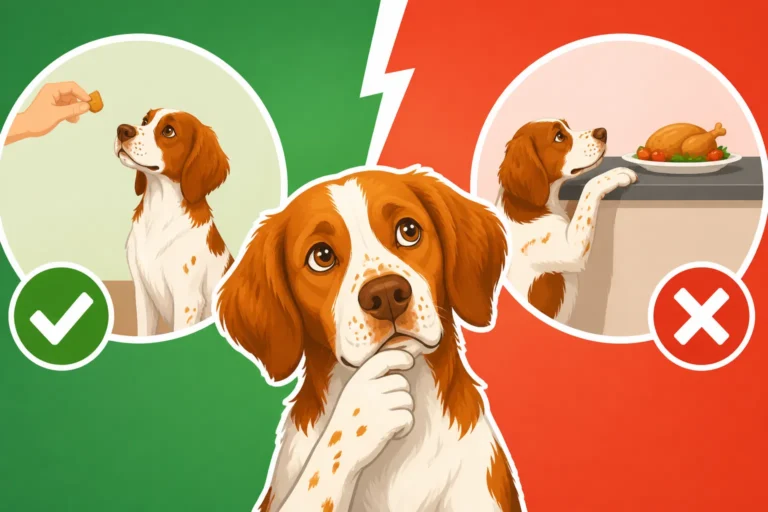
The key here is low stakes. No corrections, just praise and fun. Remember, Brittanys are often considered "soft" dogs, meaning they can be sensitive to harsh corrections, so a gentle approach is always best. How Sensitive a Brittany Is to Correction is a good read on this.
Encouraging the Point
Once your Brittany is enthusiastically chasing and pouncing on the wing, you can subtly start encouraging the point. This is where the magic really begins.
- Short Drags: Drag the wing along, letting your pup chase. As they get close, stop moving the wing.
- Freeze: The moment you stop the wing, your puppy will likely pounce. But sometimes, they'll hesitate, just for a split second, before moving in. That hesitation is what you're looking for.
- Praise the Pause: The instant they pause, even for a fraction of a second, before pouncing, give soft, calm praise. "Good dog! Yes!" You're not praising the pounce, but the moment before it.
- Gradual Increase: Over subsequent sessions, gradually extend that pause. Stop the wing, and if your pup holds still, even for a second, praise them. If they break immediately, just pick up the wing and try again. Don't scold.
- Use Scent: Drag the wing through thicker cover (but still visible) and allow them to track it by scent. When they find it and freeze, even briefly, it's a huge victory. You're teaching them that scent leads to the "bird" and that holding still is rewarding.
- "Whoa" Introduction (Later): Once your pup is consistently pausing for a few seconds on the wing, you can gently start to associate the word "whoa" with that frozen position. Say "whoa" as they freeze, then after a moment, release them to pounce with an enthusiastic "okay!" or "get it!" This is a precursor to more formal "whoa" training. You can find more comprehensive advice on Teaching a Brittany Whoa in our archives.
Avoiding Common Mistakes
It's easy to make missteps in these early stages that can inadvertently hinder your Brittany's development.
- Overdoing It: Brittanys thrive on short, frequent training sessions. Their attention spans as puppies are limited. How Long a Brittany's Training Session Should Be recommends keeping it brief. Too much repetition will lead to boredom, frustration, and a diminished desire to participate. Always leave them wanting more.
- Making it a Tug-of-War: Don't let the wing become a toy for endless tugging. While some mouthing is fine, the primary purpose is to stimulate the point, not to create a strong retrieve (though that will come later). Once they've pointed and had a moment with the wing, gently retrieve it and put it away.
- Allowing Undisciplined Chasing: While initial chase is good for building drive, you don't want your Brittany to become a flusher. As they mature, the goal is to hold the point. If they're constantly breaking and pouncing without any pause, you're reinforcing the wrong behavior. This is where stopping the wing and praising the pause becomes critical.
- Getting Frustrated: If your puppy isn't "getting it" right away, don't get angry or impatient. They're doing their best. Remember, this is about building a bond and nurturing natural instinct. What a Brittany's temperament is really like means they are highly attuned to your emotions. What a Brittany's Temperament Is Really Like can help you understand this sensitivity. If you're feeling frustrated, end the session and try again another day.
- Too Many Distractions: Introducing the wing in a chaotic environment will teach your puppy to ignore it, or worse, become distracted and unable to focus. Always start in a quiet, controlled area.
- Using Live Birds Too Soon: It's tempting to jump straight to live birds, but without the foundation of the wing on a string, a puppy might just chase and flush, making it harder to establish a steady point later. Take your time.
Beyond the String: Progressing Your Brittany's Pointing Skills
The wing on a string is a fantastic starting point, but it's just that—a start. Once your Brittany is consistently pointing the wing with enthusiasm, it's time to gently move towards more realistic scenarios.
Transitioning to Live Birds or Bird Replicas
Once your Brittany is confidently pointing the wing on a string, the next logical step is to introduce them to real bird scent and movement in a controlled manner.
- Scented Dummies: Before live birds, you can use commercially available bird dummies (often made of canvas or plastic) that can be scented with bird training scents. These offer a more tangible "bird" for them to interact with and retrieve, and you can hide them for your pup to find and point. This is also a great way to introduce them to the idea of retrieving.
- Controlled Live Bird Introductions: This is often done with pen-raised pigeons, quail, or chukar.
- Pigeons are often favored for initial live bird work because they typically don't fly off too quickly and can be easily retrieved for multiple training sessions. Place a pigeon in a bird launcher or under a bird trap in a short-grass field. Let your Brittany work the scent.
- The goal is to get your dog to point the bird. When they lock up on point, praise them calmly. Flush the bird yourself (or release it from the launcher) and let the dog see it fly. Initially, some chasing is okay to maintain drive, but the long-term goal is steadiness.
- Gradually introduce the concept of "whoa" again during these live bird scenarios. For more in-depth guidance, our article How to Start a Brittany on Pigeons offers excellent advice.
- Progressing to Different Birds: After success with pigeons or quail, you can introduce your Brittany to other game birds they'll eventually hunt in the field, like pheasants, if those are common in your hunting area. Whether a Brittany Should See Quail Before Pheasant provides some insights into this progression.
Adding "Whoa" and Steadiness
As your Brittany progresses, it's crucial to layer in obedience and control, particularly the "whoa" command. "Whoa" means "stop and stand still, no matter what." This is vital for a safe and effective hunting dog.
- Foundation with the Wing: You may have already started this with the wing on a string. Now, reinforce it. Drag the wing, have your dog point, then command "Whoa." Keep them standing still, even as you move around them.
- Whoa Post on Live Birds: Use a "whoa post" or a check cord in conjunction with live birds. When your dog points, give the "whoa" command and gently apply tension to the check cord if they try to creep. Keep them steady as the bird flushes. The goal is for them to stand still through the flush and even the shot, a concept known as Teaching a Brittany Steady to Wing or Teaching a Brittany Steady to Shot. This takes time, patience, and many repetitions.
- Proofing Steadiness: Practice in various environments and with different levels of distraction. A steady dog will hold point until released, ensuring you have time to get into position for the shot and prevent spooking birds prematurely.
Integrating Real-World Scenarios
Once your Brittany has a solid foundation with the wing on a string and controlled bird introductions, it's time to get them out into more realistic settings.
- Varying Cover: Move from short grass to thicker cover, like briars, tall grasses, or light woods. Your dog needs to learn to work scent effectively in different conditions. This also helps them learn how to navigate various terrains, which is vital for a field dog.
- Different Wind Conditions: Practice on windy days, calm days, and with different wind directions. This teaches your dog to adjust their hunting pattern to the wind to best locate scent.
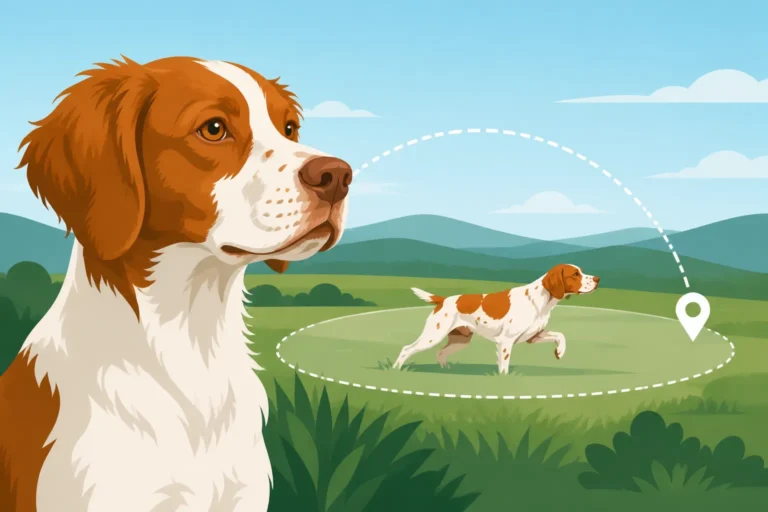
- Simulated Hunt Scenarios: Plant birds in fields as if you were truly hunting. Encourage them to quarter (hunt back and forth in front of you) and respond to your whistle commands. Understand that Whether a Brittany Hunts Differently on Wild Birds is a common concern; training on planted birds helps bridge that gap.
- "Bird Field" Exposure: If available, take your Brittany to designated "bird fields" or game preserves where they can experience multiple bird encounters in a day. This builds their confidence and reinforces their training.
- Regular Practice: Just like any skill, pointing and steadiness require consistent practice to maintain and improve. Even in the off-season, occasional refreshers with wings or planted birds can be beneficial.
Understanding When to Step Back
Even the best-intentioned trainers can push too hard or too fast. It's crucial to read your Brittany and know when to take a break or simplify.
- Signs of Stress/Frustration: If your dog seems uninterested, disengages, or starts making mistakes they usually don't, it might be a sign they're stressed or confused. Licking lips, yawning excessively, or avoiding eye contact can be subtle cues.
- Short Attention Span: Remember they are puppies. Their focus will wane. Ending a session on a good note, even if it's brief, is far more valuable than pushing them until they fail.
- Simplify: If a session isn't going well, don't keep repeating the same thing. Go back to an easier step where they were successful. Maybe it's back to just chasing the wing on a string without the "whoa" command. Rebuilding confidence is always the priority.
- Breaks are Good: Sometimes, a few days or even a week off from formal training can do wonders. It allows the information to "set" in their brain, and they often come back with renewed enthusiasm.
By listening to your Brittany and adjusting your approach, you'll build a strong, confident pointing dog that loves to work with you in the field.
Comparing Early Bird Introduction Methods
When you're starting a young Brittany, there are several methods you might encounter for introducing them to birds. Here’s a quick comparison of the wing on a string versus other popular approaches.
| Feature | Wing on a String | Scented Dummy | Controlled Live Bird | Wild Bird Exposure (Early) |
|---|---|---|---|---|
| Primary Goal | Develops pointing instinct, prey drive, scent focus | Introduces scent, encourages retrieve, builds confidence | Develops pointing, steadiness, scent discrimination | Tests natural ability, provides real-world experience |
| Scent Level | Moderate (from real feather) | Variable (from applied scent) | High (from live bird) | High (from wild bird) |
| Movement | Controlled by handler | None (stationary) | Real (can fly, run) | Real (unpredictable) |
| Control/Safety | High; low risk of overwhelming pup | High; very safe, no flight risk | Moderate; requires secure area, can be unpredictable | Low; high risk of overwhelming, chasing, or loss of dog |
| Complexity | Low; simple to set up | Low; just hide and retrieve | Moderate; requires birds, launchers/traps, secure field | High; requires knowledge of bird behavior and habitat |
| Ideal Age to Start | 8 weeks to 6 months | 3 months+ (after some play drive) | 4 months+ (after wing/dummy foundation) | 6 months+ (after extensive controlled training) |
| Common Mistakes | Overdoing it, making it a tug toy | Over-reliance on scent, not enough movement | Pushing too fast, allowing too much chasing, gun shyness | Ruining natural desire, losing dog, bad habits forming |
| Benefits for Brittany | Builds confidence, soft intro to point, positive fun | Develops retrieving, scent discrimination | Refines point, builds steadiness, realistic experience | Shows true potential, exposes to real hunting conditions |
As you can see, the wing on a string shines as an initial, low-pressure method for building that critical foundation. It's truly an invaluable step in preparing your Brittany for the exciting world of bird hunting. Many trainers, including programs like BAXTER & Bella, emphasize positive and gradual introduction methods to ensure a confident, well-adjusted gun dog.
Conclusion: Nurturing a Natural Hunter
Watching your Brittany develop its pointing instinct is one of the most rewarding parts of owning such a magnificent breed. The wing on a string is not just a toy; it's a powerful and gentle tool that respects your puppy's natural timeline and builds a solid foundation for a lifetime of successful hunting. It allows them to explore their instincts in a safe, controlled way, setting them up for success when they eventually transition to live birds and real-world scenarios. Remember, patience, positive reinforcement, and understanding your Brittany's sensitive nature are the cornerstones of effective training. Take your time, enjoy the process, and soon you'll have a confident, stylish pointer by your side in the field.
Disclaimer
This article is for general informational purposes only and does not constitute professional advice. Laws, prices and regulations vary by location and change over time. Consult a qualified professional for guidance on your specific situation.