Whether an American Brittany Suits Horseback Trials
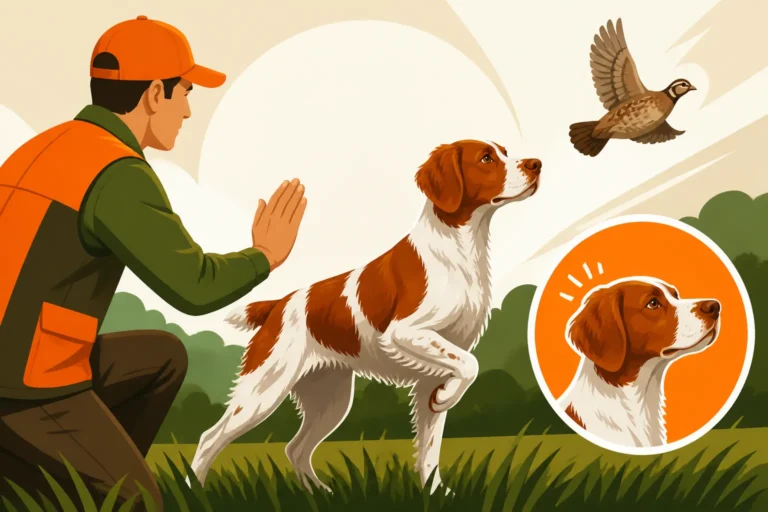
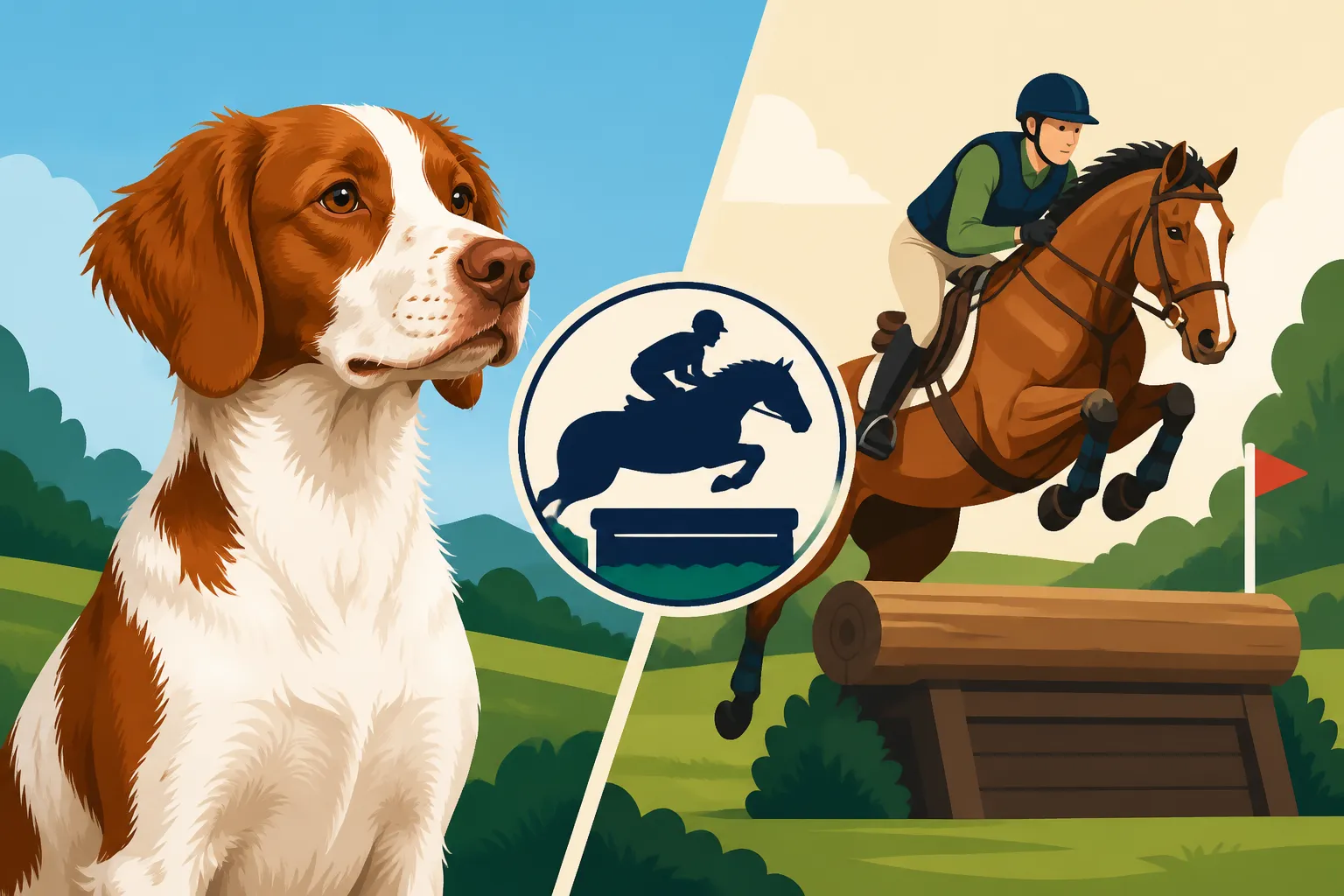
It’s a common fantasy for many bird dog enthusiasts: gracefully covering vast prairie lands from horseback, your trusty Brittany ranging out ahead, pinning birds with precision. But when it comes to the specific demands of horseback field trials, many wonder if their beloved American Brittany truly fits the bill. This guide will dive deep into the unique characteristics of the American Brittany and explore whether these wonderful, energetic dogs are genuinely suited for the expansive, fast-paced world of horseback trials, offering insights into their natural tendencies and what it takes to train them for such an endeavor.
Understanding the American Brittany's Nature
The American Brittany is a dog bred for performance, known for its keen hunting instincts and boundless energy. However, its historical development and preferred hunting style often set it apart from breeds traditionally seen in horseback trials. Understanding these inherent traits is crucial for any owner considering this path.
Inherent Drive and Range
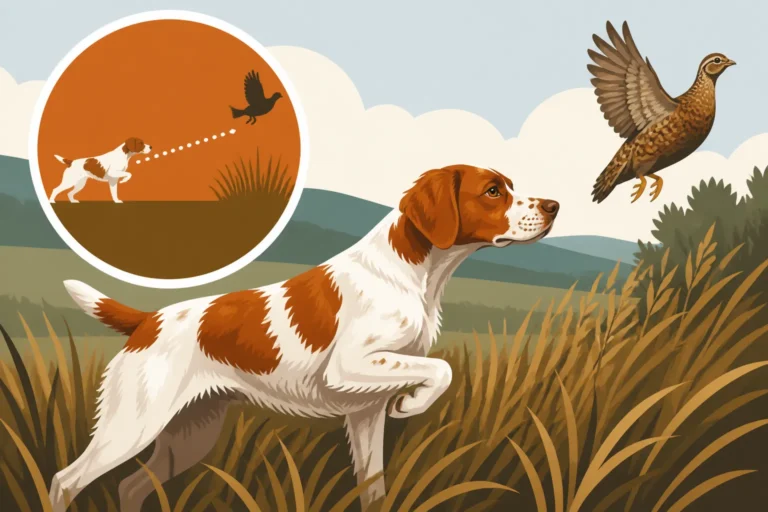
American Brittanys were, by and large, developed to be foot-hunter's companions. This means they were typically expected to hunt within a reasonable range of their walking owner. While they are certainly not short-ranging dogs, their natural "cast" or the distance they work out from the handler is generally not as vast as that of some of the larger, longer-legged pointing breeds, such as English Pointers or English Setters, which were explicitly bred for covering immense distances at top speed from horseback. An American Brittany is often praised for its ability to work closer than its larger counterparts, making it ideal for walking hunts where a hunter needs to keep eyes on their dog without exhausting themselves. You can read more about How Far an American Brittany Ranges in another one of our posts.
This isn't to say a Brittany can't or won't range; a well-bred American Brittany from strong field lines will certainly stretch out and hunt with power and speed. They have an incredible drive to find birds, and they will use every ounce of their energy and intelligence to quarter a field thoroughly. However, their physical build – being a medium-sized dog with a compact frame – means they inherently cover ground differently. They might make more turns, work cover more meticulously, and cover a wider area but not necessarily the same sheer linear distance as a galloping Setter or Pointer in the same amount of time. This difference in ground coverage can be a significant factor when competing in trials where judges expect dogs to push far out and sweep large expanses efficiently.
Sensitivity and Trainability
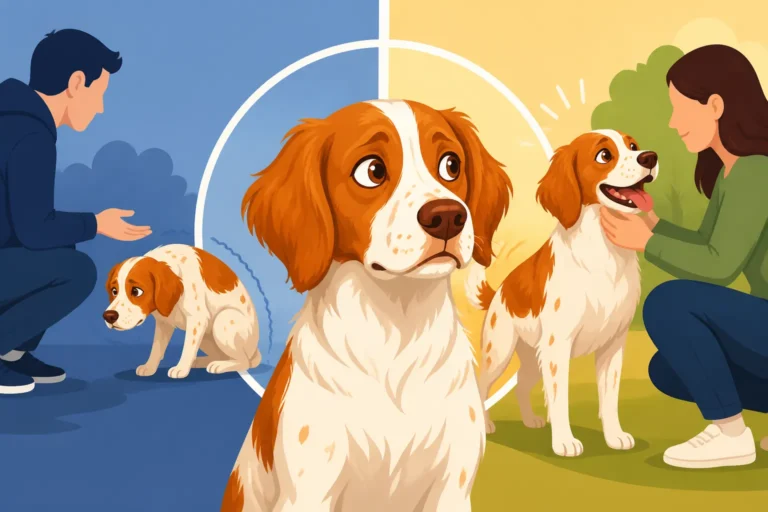
Brittanys are renowned for being "soft" dogs. This doesn't mean they are fragile or lack toughness in the field; rather, it refers to their sensitive nature and how they respond to training. They thrive on positive reinforcement and consistent, fair handling. Harsh corrections or an overly heavy hand can quickly shut a Brittany down, making them reluctant to perform or even causing them to become wary of their handler. This sensitivity requires a trainer to be patient, understanding, and highly attuned to their dog's mental state. We’ve often discussed How Sensitive a Brittany Is to Correction and What Happens When You Shout at a Brittany because it’s such a key part of their personality.
Despite their sensitivity, Brittanys are incredibly intelligent and eager to please, making them highly biddable. They genuinely want to work with their handler and possess a strong desire to hunt. This keen intelligence means they pick up commands quickly and can learn complex tasks. Their trainability is one of their greatest assets, allowing dedicated owners to mold them into versatile hunting partners. For anyone starting with a Brittany puppy, programs like those offered by BAXTER & Bella can provide excellent foundational training, teaching basic obedience and socialization that are critical before moving into advanced field work, especially for something as demanding as horseback trials. The key is finding that balance between harnessing their natural drive and respecting their sensitive disposition.
Challenges and Adaptations for Horseback Trials
While the American Brittany's traits make them fantastic foot-hunting dogs, translating those traits to the horseback trial circuit introduces some specific challenges that handlers must be prepared to address. It's not insurmountable, but it requires intentional effort and understanding.
Covering Ground Effectively
The typical horseback field trial demands a dog that can cover vast tracts of land at a gallop, sweeping through cover with an almost effortless, far-reaching pace. Judges are looking for dogs that stretch out to the limits of visibility, maintaining a strong, forward pattern, and checking in with the handler only briefly before pushing out again. As discussed, an American Brittany, while energetic and a strong hunter, naturally tends to work closer to the gun, even when running with power. Their compact build, while excellent for agility and working dense cover for a walking hunter, might not allow for the same sustained, high-speed, long-distance ground coverage as a lanky, leggy Pointer.
This difference in natural range can put a Brittany at a disadvantage in a trial setting where the objective is to find and point birds across expansive terrain quickly. A Brittany might spend more time working closer cover or making more turns, which, while effective for finding birds, can be perceived as "shortening" or inefficient by trial standards. To truly excel, a Brittany handler must dedicate significant time and strategic training to encourage their dog to extend its range and maintain that wide, fast pattern consistently, often leveraging the fact that Why an American Brittany Was Bred to Run Bigger than its French counterpart. This isn't just about physical conditioning; it's about teaching the dog to trust its handler from a distance and to understand the expectations of a broader search.
Managing an Independent Spirit
Brittanys are intelligent and often possess a strong independent streak. While they are biddable, they are also thinking dogs that will make decisions in the field based on scent and their assessment of the terrain. This independence, a huge asset for a hunter who wants a dog that can problem-solve and locate birds on its own, can become a challenge in a horseback trial where precise handling and immediate response to commands, even from a great distance, are paramount. When your dog is hundreds of yards away, galloping over a rise, ensuring they respond to a whistle or e-collar correction requires immense trust and consistent training.
The challenge intensifies when a Brittany, driven by its powerful nose and bird-finding desire, decides to follow a scent trail that takes it off the desired pattern. On foot, you might be able to intercept or redirect more easily. From horseback, you need a dog that is so thoroughly trained in recall and directional commands that it will respond without hesitation, even when strongly motivated by game. Building this level of control while maintaining their bold hunting drive is a delicate balance. It means reinforcing commands like "here" and "whoa" until they are absolute, regardless of distractions. A strong recall is always important, but it is especially vital when a dog is hunting at speed far from its handler. Our post, How Reliable a Brittany's Recall Is, highlights just how important this command is for any Brittany owner.
Training Strategies for Success
Successfully campaigning an American Brittany in horseback trials is absolutely achievable, but it requires a very specific and dedicated training regimen that builds upon their natural talents while addressing their unique characteristics. It’s about leveraging their biddability and intelligence.
Foundation Training for Horseback Work
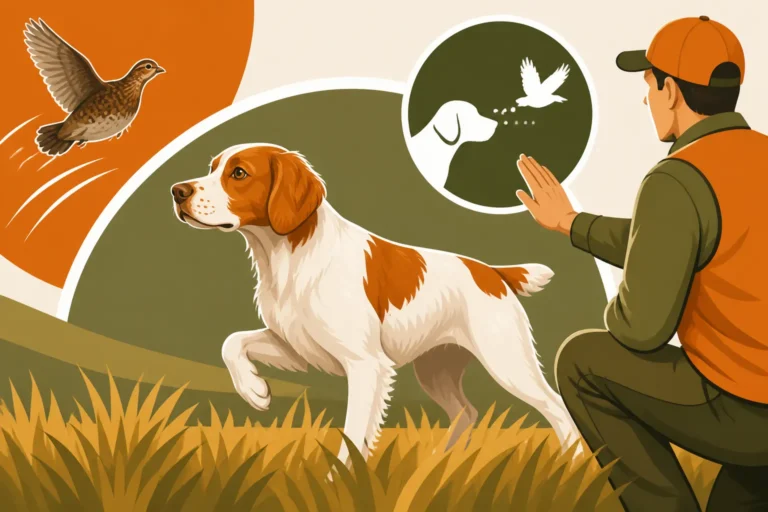
The cornerstone of any successful field trial dog, especially one being handled from horseback, is an impeccable foundation in obedience and field commands. For a Brittany, this means commands like "whoa," "here" (recall), "kennel," and directional signals must be absolutely rock-solid. "Whoa," in particular, is non-negotiable. A dog that can be stopped instantly, regardless of the situation, is critical for safety and control from horseback, particularly when working birds. Teaching a Brittany Teaching a Brittany Whoa should start early and be reinforced constantly in various environments.
Beyond basic commands, a Brittany destined for horseback trials needs exposure to horses. They should be comfortable with the sight, sound, and smell of horses, learning to ignore them as they work. This socialization is not just about avoiding fear; it’s about preventing distractions. An enthusiastic young Brittany might initially want to interact with the horses, which is charming but completely unacceptable in a trial setting. Furthermore, dogs need to learn to maintain their focus on hunting, even with the rhythmic thud of hooves behind them. This foundation also involves conditioning the dog to be comfortable with prolonged exertion, gradually building stamina for the long runs required. Utilizing resources like BAXTER & Bella’s online modules can help establish these critical foundational behaviors before even stepping foot in the field with a horse.
Tools and Techniques for Range Control
Given the Brittany's natural tendency to work somewhat closer than traditional horseback trial breeds, specific tools and techniques are essential for extending and maintaining their range. An electronic collar (e-collar) is virtually indispensable in this scenario. It provides a means of communication and correction at a distance that whistles and voice commands simply cannot achieve over vast acreages and the sounds of galloping horses. Whether a Brittany Needs an E Collar is a question many owners ponder, but for horseback trials, it becomes almost a necessity for effective range control and safety. When choosing one, Which E Collar Suits a Brittany will depend on the dog's sensitivity, but a reputable brand offering reliable consistent stimulation is paramount.
Long check cords are also vital during the initial stages of training to gently encourage the dog to extend its casts and to bring it back in for corrections without having to dismount. Once the dog understands the desired range, the e-collar can be used to reinforce that understanding, either with a gentle reminder to extend if they're too close or a recall cue if they're ranging too wide or off course. Constant reinforcement and careful, deliberate exposure to increasingly larger fields are key. Handlers must learn to read their dog's body language at a distance and anticipate when they might be about to "shorten up" or blow past game, intervening with subtle e-collar cues rather than harsh corrections. Consistency in this training, sometimes over many How Long a Brittany's Training Session Should Be, builds a deep understanding between handler and dog.
Weighing the Pros and Cons
Deciding whether to pursue horseback trials with an American Brittany involves a candid assessment of their inherent strengths and the specific demands of the sport. It's a journey that offers unique rewards but also requires significant commitment.
Advantages of a Brittany in Horseback Trials
Despite the challenges, the American Brittany brings several distinct advantages to the horseback trial arena. Foremost among these is their bird-finding ability. Brittanys are renowned for their incredible noses, intense desire to hunt, and thoroughness in covering ground. They simply want to find birds, and they are very good at it. This natural bird sense is a powerful asset in any trial, as the objective, after all, is to locate game. While some larger breeds might cover more ground, a Brittany’s meticulous nature can sometimes lead them to birds others might overlook.
Their intelligence and biddability also mean that once they understand what is expected of them, they are eager to comply. A well-trained Brittany will work tirelessly for its handler, demonstrating an admirable work ethic. Furthermore, their compact size, while a potential disadvantage for sheer speed, can be an asset in dense cover or navigating tricky terrain. They are agile and quick, capable of maneuvering through thickets that might slow down a larger dog. Many also appreciate the Brittany's engaging personality; they are truly partners in every sense of the word. They can make for a more personal and rewarding experience, even if they aren’t the traditional "big running" dog of horseback trial lore. You can delve into the history of the American Brittany and Epagneul Breton Went Separate Ways, which explains some of the differences in their working styles.
| Trait | Typical American Brittany Tendency | Horseback Trial Ideal | Training Implications |
|---|---|---|---|
| Range | Moderate to wide, often working closer to foot hunter | Very wide, far-ranging, often out of sight | Must be trained to extend casts, rely on e-collar for long-distance communication. |
| Speed/Stamina | Excellent speed and stamina for walking hunter, agile | Sustained galloping speed over vast distances | Requires specific conditioning for horseback pace, endurance building. |
| Bird Finding | Exceptional nose, thorough, intense desire | Strong nose, ability to find birds quickly over large areas | Natural asset, but must couple with efficient ground coverage. |
| Biddability | Highly biddable, eager to please, sensitive | Highly responsive, able to take direction from a distance | Leverage intelligence, use positive reinforcement, clear remote commands. |
| Independence | Intelligent, problem-solver, can be independent | Confident hunter, but responsive to handler at all times | Must be balanced with absolute recall and remote control. |
| Focus on Horse | May be curious or distracted by horses initially | Ignores horses, focused purely on hunting | Extensive desensitization and training around horses required. |
Potential Drawbacks to Consider
The most significant drawback, as touched upon, is the Brittany's natural range. Horseback trials are often judged on how much ground a dog covers and how far out it can cast while still remaining effective and responsive. An American Brittany, while running big for a foot hunter, might struggle to consistently compete with breeds that naturally cover hundreds of yards with each cast, requiring less urging to stretch out. This can impact scoring, as judges might perceive the Brittany as not covering enough territory or needing too much handler intervention to maintain a wide pattern.
Another consideration is the physical toll. While Brittanys are hardy dogs, the sustained gallop over long distances that horseback trials demand is a different kind of exertion than the stop-and-go of foot hunting. Conditioning must be top-notch to prevent injuries and maintain performance over the course of a trial day. Finally, the "softness" of a Brittany, while an advantage for positive training, means that a handler must be particularly careful with corrections from a distance via an e-collar. Misunderstandings or poorly timed corrections could damage the dog’s confidence, a setback that takes much longer to fix with a sensitive breed. While some might suggest that Whether a Field Bred Brittany Is Bolder, even these dogs benefit from a gentle, consistent approach.
In conclusion, an American Brittany can be successfully campaigned in horseback trials, but it is not the easiest path. It demands an exceptionally dedicated owner and trainer who understands the breed's nuances and is willing to invest the significant time and effort required to adapt their dog's natural hunting style to the specific requirements of the horseback trial arena. It's a testament to the Brittany's versatility and heart that so many owners are willing to embark on this challenging, yet incredibly rewarding, journey.
Disclaimer
This article is for general informational purposes only and does not constitute professional advice. Laws, prices and regulations vary by location and change over time. Consult a qualified professional for guidance on your specific situation.