How Much Exercise a Brittany Needs Off Season
It’s a common frustration for Brittany owners: the hunting season ends, the adrenaline of the field fades, and suddenly you have a high-energy dog with nowhere to put all that drive. Leaving your Brittany to become a couch potato during the off-season isn't just unfair to their spirit; it can lead to health issues and behavioral problems. This guide will walk you through exactly what your Brittany needs to stay fit, happy, and well-behaved when the birds aren't flying.
Understanding the Brittany's Innate Drive for Activity
Brittanys, whether American or French, are bred to be active, intelligent, and highly driven bird dogs. Their heritage isn't just about pointing; it's about covering ground tirelessly, using their keen nose, and engaging with their environment. This isn't a breed content with a couple of short walks around the block; they thrive on purpose and sustained effort.
The Hunter's Heart in Every Brittany
Imagine a dog engineered for hours of quartering open fields or pushing through dense cover, all with an intense focus on finding game. That's your Brittany. They possess an incredible prey drive and an almost inexhaustible engine when it comes to work. This isn't something that just shuts off when hunting season is over. Their bodies and minds are still wired for that level of engagement. Without an appropriate outlet, this innate drive doesn't disappear; it simply redirects, often into less desirable behaviors. It's why an understanding of What a Brittany's Temperament Is Really Like is so crucial. They are partners in the field, and they expect that partnership to continue, even if the "field" is now your backyard or a local park.
Mental Stimulation as Important as Physical Exertion
It’s easy to focus solely on physical exercise, thinking that a long run is all it takes. But for a Brittany, mental stimulation is just as vital. Their intelligence and problem-solving skills, honed over generations to outsmart wily pheasants or tight-sitting quail, need to be challenged regularly. A bored Brittany isn't just a physical wreck; they're a mental one, too. This can manifest as anxiety, excessive barking, or destructive chewing. Think about how much they use their nose and brain during a hunt – trying to decipher scent trails, navigating complex terrain, making split-second decisions. The off-season needs to provide similar cognitive workouts to keep them sharp and satisfied.
Why Consistent Off-Season Exercise is Non-Negotiable
Skipping out on consistent exercise during the off-season isn't just about making your dog restless for a few months. It has long-term ramifications for their physical health, mental well-being, and readiness for the next hunting season. Many owners underestimate how quickly a dog can lose conditioning and how difficult it is to regain it.
Preventing Weight Gain and Joint Stress
It's a tale as old as time: dog spends months running wild, then spends months largely sedentary. The calories don't decrease, but the burn does, and suddenly you have a chunkier Brittany. Extra weight puts immense stress on their joints, especially their hips and elbows, which are already areas of concern for many active breeds. This isn't just an aesthetic issue; it can exacerbate conditions like arthritis later in life or worsen existing orthopedic issues. Consistent movement helps maintain muscle mass, which supports those crucial joints. When you think about The Twelve to Fourteen Years a Brittany Gets, prioritizing joint health from a young age through proper weight management and exercise is paramount.
Maintaining Muscle Tone and Cardiovascular Health
A Brittany in peak hunting condition has lean muscle and incredible stamina. This doesn't happen overnight. During the off-season, these vital attributes can rapidly diminish without regular work. Muscles atrophy, and their cardiovascular system loses efficiency. When opening day rolls around again, an unconditioned dog is at a higher risk of injury, heat exhaustion, and simply not performing to their potential. Building and maintaining this fitness is like an athlete's year-round training; it's a foundation that prevents injury and ensures readiness. Regular exercise, even if it's not full-on field work, keeps their heart and lungs strong, and their muscles supple and ready for action.
Diverse Activities to Keep Your Brittany Engaged
The beauty of off-season exercise is that it doesn't have to perfectly mimic hunting. There are so many ways to engage your Brittany's body and mind, making it fun for both of you. The key is variety and consistency.
Exploring the Great Outdoors Beyond the Field
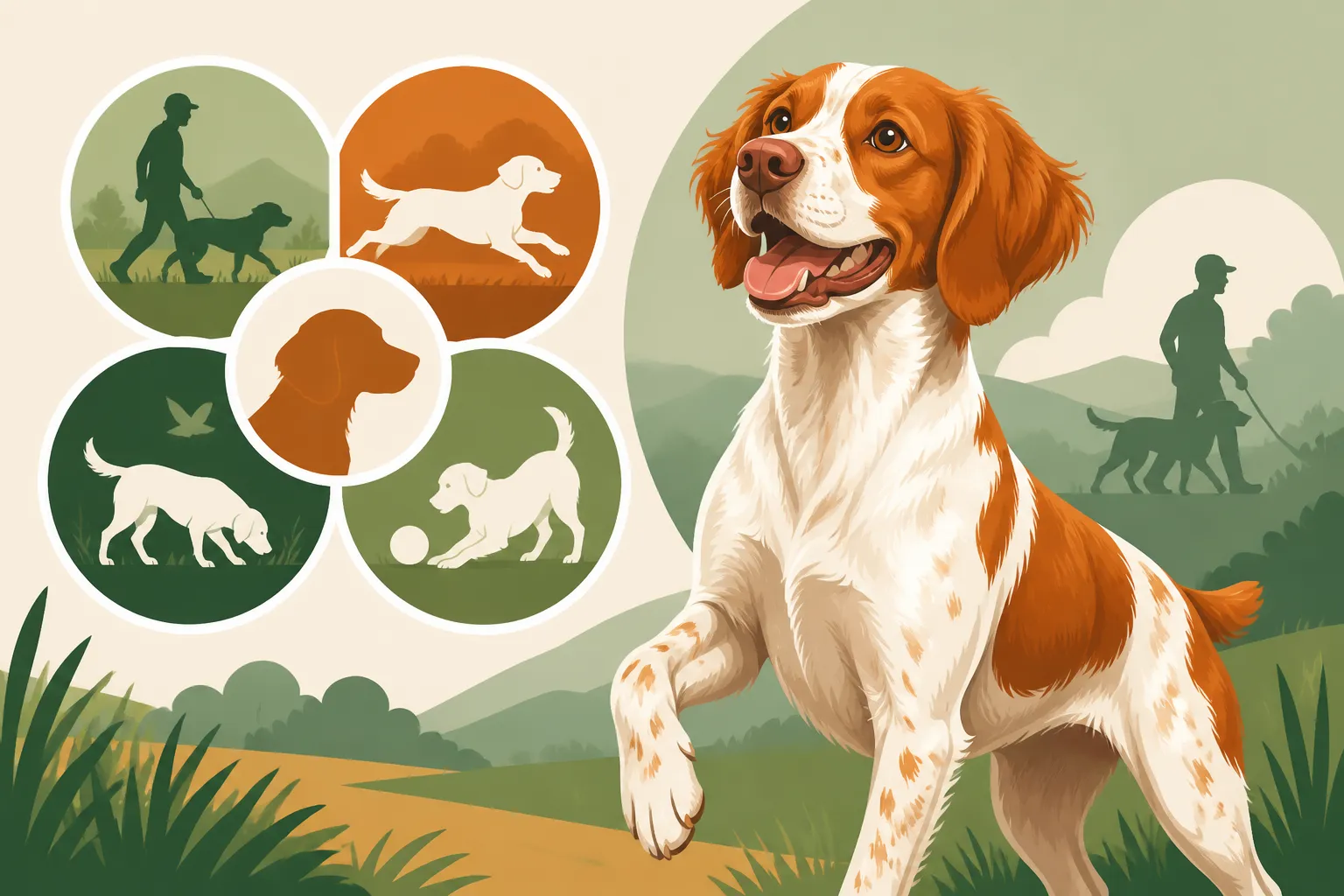
While the open field might be closed for hunting, the world is still full of opportunities for exploration. Hiking on trails, power walks in local parks, or even long runs with you on a leash (or off-leash in designated safe areas) are fantastic ways to burn energy. Brittanys love to investigate, sniff, and move, so changing up your routes keeps things interesting. Remember, these dogs love to range, so if you're in a safe, fenced area, letting them run and explore without constant direction can be a wonderful mental and physical release. Just be mindful of local leash laws and potential hazards. How to Keep a Brittany Fit in Summer offers great ideas for hotter months.
Water Work and Canine Sports
Many Brittanys absolutely adore water. Swimming is a fantastic low-impact exercise that works every muscle group without stressing joints. If you have access to a safe lake, pond, or even a dog-friendly pool, it's an excellent way to keep them conditioned. For those looking for more structured activities, consider canine sports like agility, flyball, or dock diving. These sports tap into their natural athleticism, speed, and intelligence, providing incredible mental and physical outlets. They also strengthen your bond as you work together as a team. You can find starter kits and training guides for many of these activities on platforms like Amazon.
Brain Games and Structured Training
Don't underestimate the power of mental work. Puzzle toys, scent work, and even advanced obedience training can be incredibly tiring for a Brittany. Hiding treats around the house or yard and having them "hunt" for them taps into their natural scenting abilities. Learning new tricks or refining existing commands keeps their brain active and responsive. Even simple retrieve games with a tennis ball or bumper can be turned into a mental exercise by incorporating "stay" or "send out" commands. Online training resources, such as those from BAXTER & Bella, can provide structured programs and ideas for keeping your dog mentally engaged with new challenges, especially if you're looking to refine obedience or introduce new skills in a fun, positive way. This kind of work helps them maintain focus and biddability even when there isn't a bird to chase.
Crafting an Effective Off-Season Exercise Routine
A haphazard approach to off-season exercise won't cut it for a Brittany. You need a thoughtful, consistent routine that accounts for their energy levels, physical needs, and the demands of the upcoming hunting season.
Daily Minimums and Weekly Goals
Even on "rest" days, a Brittany needs some form of activity. Aim for at least 60-90 minutes of dedicated exercise daily, broken into two or three sessions. This could be a brisk walk or run in the morning, a vigorous play session in the afternoon, and some mental games in the evening. On top of this, set weekly goals for more intense activities. This might include one or two longer hikes (90 minutes to 2 hours), a swimming session, or a trip to a dog park for off-leash running. Remember, the goal isn't just to burn energy; it's to maintain cardiovascular fitness, muscle tone, and mental sharpness. Varying the intensity throughout the week prevents boredom and ensures a well-rounded fitness regimen.
| Activity Type | Daily Frequency | Weekly Goal | Benefits |
|---|---|---|---|
| Brisk Walks/Runs | 1-2 times | 5-7 days | Cardiovascular health, endurance, exploration |
| Structured Playtime | 1-2 times | 5-7 days | Energy release, bond, basic retrieves |
| Scent Work/Puzzles | 1 time | 3-5 days | Mental stimulation, nose work, problem-solving |
| Longer Hikes | N/A | 1-2 days | Stamina, varied terrain, enrichment |
| Swimming/Water Games | N/A | 1-2 days | Low-impact cardio, full body workout |
| Agility/Obedience | N/A | 1-3 days | Coordination, mental focus, teamwork |
Incorporating Rest and Recovery
Just like human athletes, dogs need rest. Pushing your Brittany too hard every single day can lead to overuse injuries, burnout, or even behavioral regressions. Schedule at least one full rest day a week where activity is limited to short, leisurely walks. Even on active days, ensure they have plenty of time for naps and undisturbed sleep. This allows their muscles to repair and their minds to decompress. Proper nutrition also plays a huge role in recovery; make sure you're feeding them a high-quality diet that supports their activity level, especially considering How Much an Adult Brittany Eats and Whether a Working Brittany Needs a Performance Food even off-season. Hydration is equally important; always have fresh water available, particularly after exercise.
Monitoring Your Brittany's Off-Season Fitness
It's not enough to just do the exercise; you need to regularly assess whether your Brittany is truly benefiting from the routine. Being attentive to their physical condition and behavior will tell you if you’re hitting the mark or if adjustments are needed.
Assessing Body Condition and Energy Levels
Regularly check your Brittany’s body condition. You should be able to easily feel their ribs without seeing them prominently, and they should have a discernible waist when viewed from above. If they're gaining weight, you might need to increase exercise or adjust their food intake. Conversely, if they're looking too lean, they might need more calories, especially if they're particularly active. Pay attention to their energy levels – are they still bouncing off the walls after their usual exercise, or are they lethargic? A Brittany should still be eager for activity, but also able to settle comfortably indoors after a good workout. If you notice a sudden drop in energy or enthusiasm, it could be a sign of over-exertion, boredom, or even an underlying health issue.
Watching for Signs of Injury or Over-Exertion
Brittanys are tough, and they can sometimes hide discomfort, especially if they're keen to please or have a high pain tolerance. After any vigorous exercise, check them over for limping, stiffness, or tenderness when touched. Look for scrapes, especially on their pads if you've been on rough terrain. Signs of over-exertion can include excessive panting that doesn't subside quickly, weakness, or an unwillingness to continue exercising. Always provide ample water breaks, especially in warmer weather, to prevent dehydration. If you suspect an injury or persistent discomfort, a vet visit is always the best course of action. It's better to be safe than sorry, as minor issues can quickly become bigger problems if left unattended.
Addressing Common Off-Season Challenges
Even with the best intentions, the off-season can present unique challenges for Brittany owners. Knowing how to troubleshoot these common issues can help keep your dog on track.
The "Boredom Buster" Brittany
An under-exercised or under-stimulated Brittany quickly becomes a "boredom buster." This is where you see behaviors like excessive chewing of furniture, digging up the yard, barking endlessly, or even marking indoors. This isn't naughtiness; it's a cry for help. Your Brittany is telling you, in the loudest way they know how, that their needs aren't being met. If your Brittany What an Under Exercised Brittany Does at Home, it’s a clear sign you need to re-evaluate their routine. Increase both the duration and intensity of their physical exercise, and crucially, add more mental engagement. Consider signing up for an online course from BAXTER & Bella that teaches advanced tricks or problem-solving skills, which can do wonders for channeling their intelligence.
Managing Environmental Factors and Safety
Off-season often means different weather conditions or different terrains than hunting season. Be mindful of hot pavement in summer that can burn paw pads, or icy conditions in winter that can lead to slips and falls. In areas with high foot traffic, an extendable lead or a long check cord (easily found on Amazon) can give your Brittany more freedom to explore safely while maintaining control. When hiking, be aware of natural hazards like ticks, snakes, or sharp underbrush. Always check your dog thoroughly after any outdoor excursion. What a Brittany Needs Within an Hour of a Hunt applies to intense exercise in general; consider giving them a small, easily digestible meal and plenty of water before and after long outings. This helps with recovery and preventing issues like bloat, which can affect deep-chested breeds.
Transitioning to Pre-Season Conditioning
The off-season isn't just a holding pattern; it's a vital bridge to the next hunting season. As the new season approaches, you'll need to gradually ramp up their conditioning to prepare them for the rigors of the field. This means increasing duration, intensity, and specificity of exercise. Start incorporating more sustained running, perhaps on varied terrain. Practice specific skills like whoa, recall, and retrieve regularly. This pre-season phase is critical for preventing injuries and ensuring your Brittany is physically and mentally ready to perform at their best. Think of off-season exercise as maintaining a baseline, and pre-season as fine-tuning and specializing that fitness. How to Condition a Brittany Before Opening Day provides a more detailed roadmap for this crucial transition period.
Disclaimer
This article is for general informational purposes only and does not constitute professional advice. Laws, prices and regulations vary by location and change over time. Consult a qualified professional for guidance on your specific situation.