Training a Brittany for Both Rings
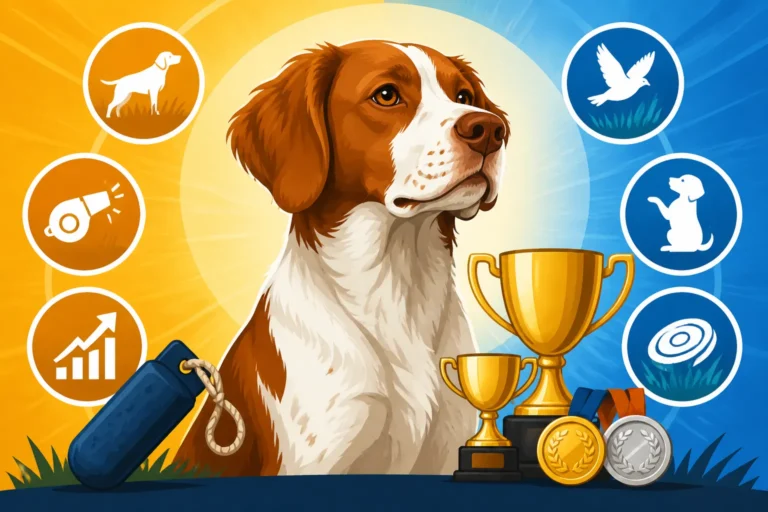
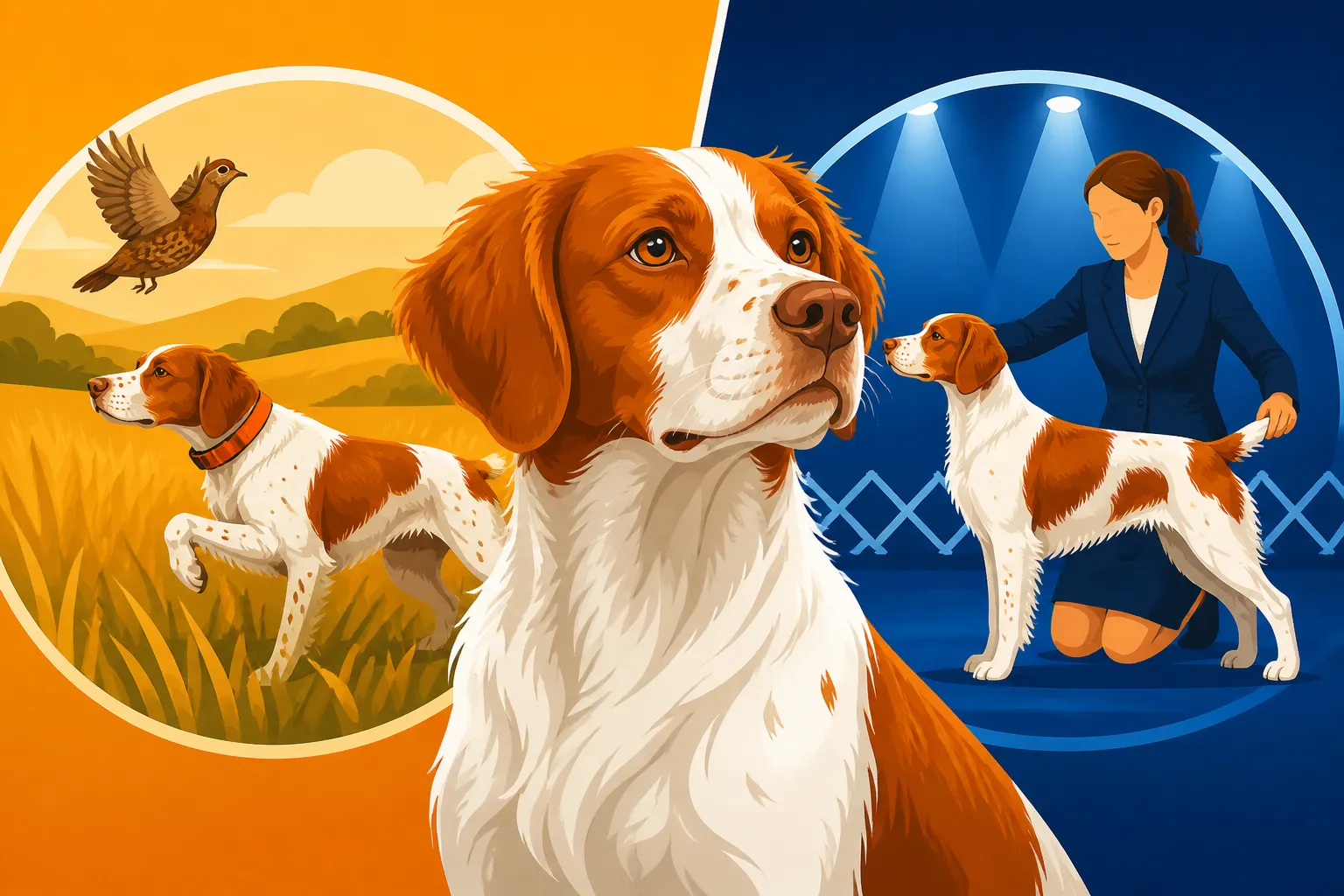
The dream of owning a Brittany Spaniel that excels in both the show ring and the hunting field is a truly aspirational one, but let's be honest, it can feel like trying to juggle flaming torches while riding a unicycle. Many new owners feel overwhelmed by the sheer volume of training required, not to mention the seemingly contradictory demands of each discipline. This comprehensive guide is here to walk you through the intricate, yet incredibly rewarding, process of training your Brittany to be a true dual-purpose dog, capable of holding a stylish point in the field one day and strutting confidently in the conformation ring the next.
Understanding the Brittany's Dual Nature
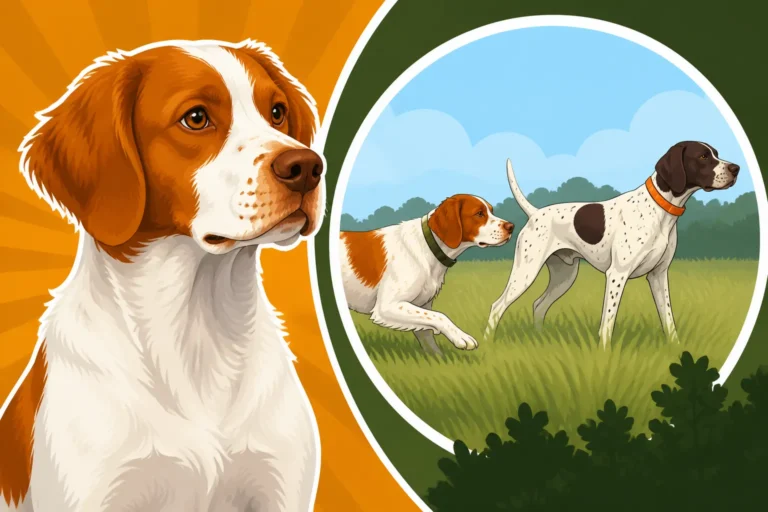
Before you even think about stacking or whoa, you need to deeply understand the unique creature that is the Brittany. These aren't dogs bred for just one job; they are the quintessential versatile gun dog, with a history steeped in both hunting prowess and aesthetic appeal. Trying to mold them into a specialist without acknowledging their full genetic blueprint is a recipe for frustration, for both you and your dog.
The Inherent Drive for the Field
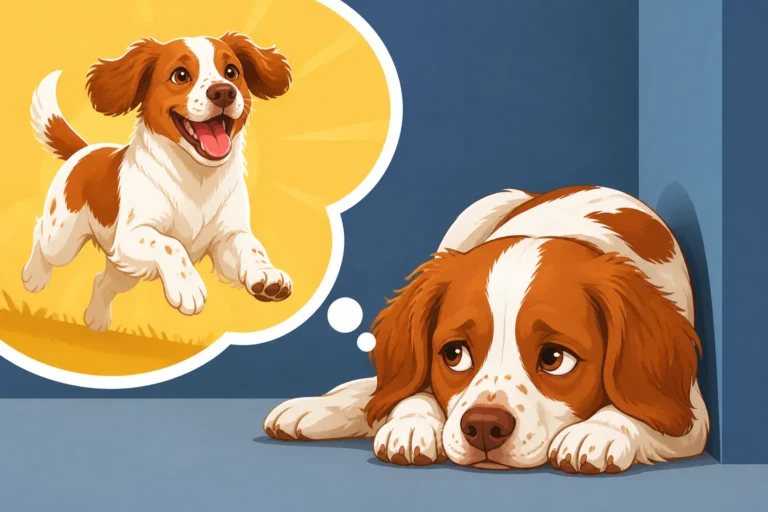
At its core, a Brittany is a bird dog, plain and simple. They were developed in Brittany, France, by peasants who needed a dog to put food on the table, and they needed it to be good at finding game in dense cover. This means they possess an incredible prey drive, an insatiable curiosity for scent, and often, a natural tendency to point. You'll see it in a young puppy's intensity watching a bird fly by, or the way its nose works overtime on a breezy day. This isn't something you instill; it's something you nurture and refine. If you deny this fundamental drive, your Brittany will likely become bored, destructive, or even depressed, regardless of how many ribbons it collects in the show ring. Why the Brittany Hunts Like a Setter is not just a historical fact, it's a testament to their deep-seated instinct.
It's this innate desire to hunt that makes them such effective partners in the field. When they lock onto a scent, their entire body language shifts – a frozen posture, often with one front paw lifted, and an intense gaze fixed on the cover. This isn't a learned trick; it's a genetic gift. Your job in training for the field is to channel this energy, teach them self-control, and direct their natural abilities into a productive, collaborative hunt. Without acknowledging this powerful engine, any attempts at "show training" alone will feel incomplete, and your dog might always feel like it's missing a crucial piece of its identity.
The Desire to Please in the Show Ring
While their field drive is potent, Brittanys also possess a keen intelligence and a strong desire to please their human companions. This trait is invaluable in the show ring, where a dog's willingness to work with its handler, rather than merely performing commands, truly shines. They want to be part of your team, to understand what you're asking, and to earn your praise. This isn't to say they're automatons; they have opinions, and sometimes a mischievous streak, but at their heart, most Brittanys thrive on positive interaction and affirmation.
This desire to please, coupled with their inherent intelligence, makes them highly trainable for the specific demands of conformation. They pick up on subtle cues, understand routines quickly, and genuinely enjoy the attention they receive when performing well. The challenge lies in ensuring that this desire to please isn't solely focused on food rewards, but also on the joy of the partnership itself. Building a strong bond through consistent, positive training sessions will be the cornerstone of their success in both rings. Think of it as developing a deep language between you and your dog, a language they are eager to learn and speak. What a Brittany's Temperament Is Really Like truly highlights this cooperative spirit.
The "Softness" Factor in Training
One critical aspect of the Brittany temperament that impacts both types of training is their renowned "softness." This isn't a weakness; rather, it means they are highly sensitive to tone, body language, and correction. Harsh methods, yelling, or heavy-handed corrections can quickly shut a Brittany down, making them timid, resentful, or even causing them to completely lose their drive. This is why positive reinforcement and clear, consistent communication are absolutely paramount, whether you're teaching them to hold a point or stand for examination.
For instance, if you're trying to teach a young Brittany to stack for the show ring and you get frustrated, yanking on its lead or pushing its feet into place forcefully, you're likely to create a dog that anticipates discomfort during stacking. It will become stiff, look away, or even try to escape the process. The same goes for field work; if a puppy makes a mistake, like bumping a bird, and you react with anger, you risk instilling gun shyness or bird aversion. Instead, a gentle correction, redirecting their focus, and rewarding desired behavior works wonders. Understanding How Sensitive a Brittany Is to Correction is key to unlocking their full potential.
Laying the Foundation: Puppyhood and Early Socialization
The journey to a dual-purpose Brittany begins long before any formal training for either ring. It starts in puppyhood, focusing on foundational experiences that build confidence, curiosity, and a positive association with learning. This phase isn't about specific skills, but about shaping a well-adjusted, resilient dog ready for anything.
Early Exposure to Sights and Sounds
A well-socialized Brittany is a confident Brittany, and confidence is a non-negotiable trait for both the show ring and the field. From eight to sixteen weeks, expose your puppy to a wide variety of sights, sounds, textures, and people. Think busy parks (from a distance at first), different types of flooring, car rides, crinkly plastic bags, vacuum cleaners, and the gentle handling of many different hands. Each positive experience builds a robust foundation.
Imagine taking your puppy to a local hardware store (if allowed) or even just walking them around a shopping center parking lot during off-peak hours. The rumble of cars, the different smells, the varying surfaces – all of these contribute to a dog that isn't easily startled by novelty. A dog that's been exposed to the world in a positive way is far less likely to freeze or panic when the show ring is noisy or a gun goes off unexpectedly in the field. This early work is crucial for preventing a dog from becoming overwhelmed later on.
Basic Obedience for Both Worlds
Regardless of whether your Brittany will point pheasants or prance in front of a judge, solid basic obedience is non-negotiable. "Sit," "stay," "come," and "down" are not just tricks; they are communication tools that build a common language between you and your dog. These commands are the bedrock upon which all more advanced training will be built.
Consider a simple "stay." In the show ring, a solid "stay" allows your dog to hold its stack calmly while the judge examines another dog. In the field, it's the difference between a dog that holds a point while you walk up for the shot and one that breaks and flushes the bird prematurely. Consistently practicing these commands in various environments, starting in low-distraction settings and gradually increasing the challenge, will make your Brittany a more reliable and responsive partner in any scenario. You can find excellent resources for puppy classes and basic obedience on platforms like BAXTER & Bella, which offers online programs that guide you through these critical early stages. Whether a Brittany Needs Puppy Class is a resounding yes!
Introducing the Lead and Crate
The lead and the crate are often overlooked as foundational tools, but they are absolutely vital for a dual-purpose Brittany. The lead is not just for walks; it's a communication device for direction and control, essential for gaiting in the show ring and safely navigating the field. The crate, when introduced positively, becomes a safe haven, a familiar den, and an indispensable tool for travel, alone time, and managing energy.
Start with short, positive sessions. For the lead, let your puppy drag a lightweight lead around for a few minutes while supervised, then gently guide them, rewarding any forward movement. For the crate, make it a comfortable place with soft bedding and treats, feeding meals inside. Never use the crate as punishment. A Brittany that is comfortable on a lead and happy in its crate will handle the stresses of dog shows, veterinary visits, and long days in the field with far less anxiety. Imagine the relief of knowing your dog is calmly resting in its crate backstage at a show or safely tucked in a dog box in your truck after a long hunt.
The Show Ring Journey: Conformation Training
Once your Brittany has a solid foundation, you can begin to introduce the specific nuances of conformation. This isn't just about looking pretty; it's about presenting your dog in a way that highlights its adherence to the breed standard, demonstrating its structure, movement, and temperament.
Stacking and Gaiting Fundamentals
The two pillars of show ring presentation are stacking and gaiting. Stacking involves posing your dog in a way that showcases its ideal structure, often with its legs positioned just so, head up, and a confident expression. Gaiting is about demonstrating the dog's movement, typically at a trot, in a pattern like an "L" or a triangle, so the judge can assess its reach and drive, topline, and overall balance.
Start with table training for stacking, especially for smaller breeds like the Brittany, so the judge can easily examine them. Use positive reinforcement (treats, praise) to encourage your dog to hold a stand. Gently position their feet, rewarding stillness. For gaiting, practice walking on a loose lead in a straight line, then turns, at a brisk trot. The goal is a dog that moves effortlessly, without resistance, head up, tail wagging, truly enjoying the experience. It takes repetition, patience, and a light touch. Remember their "softness" here; a heavy hand on the lead will make them reluctant.
The Exam: Building Confidence with Touch
A crucial part of the show ring experience is the judge's hands-on examination. This involves the judge touching your dog's head, teeth, body, and often picking up feet and checking for male intactness. For many dogs, this can be intimidating if they haven't been properly prepared. The goal is for your Brittany to accept this handling calmly and confidently, without shying away or protesting.
Start early by having various trusted friends and family members gently "examine" your puppy, mimicking a judge's movements. Reward calm acceptance with treats and praise. Make it a positive, normal experience. Practice opening their mouth to check teeth, running your hands over their body, and lifting their feet. This isn't just for shows; a dog comfortable with being touched is also easier for a veterinarian to examine, and less likely to react negatively to accidental bumps from fellow hunters or dogs in the field. This foundation of comfort with handling will serve your Brittany throughout its life.
Ring Presence and Handler Connection
Beyond the mechanics of stacking and gaiting, a successful show dog possesses "ring presence" – an indefinable sparkle, confidence, and connection with its handler. This is what truly captures a judge's eye. It’s the difference between a dog that performs commands and one that partners with you, radiating joy and engagement.
Ring presence is built on a strong, trusting relationship. Your dog should be focused on you, eager for your next cue, and happy to be by your side. Use high-value treats and enthusiastic praise. Keep training sessions fun and short, ending on a positive note. Practice in different locations to generalize the skills, including places with other dogs and distractions, mimicking a real show environment. A confident Brittany that looks like it's having a blast is a joy to watch and often performs better. The more you put into building that bond, the more your Brittany will shine for you.
The Field Journey: Developing Instincts
While the show ring focuses on aesthetics and controlled movement, the field emphasizes harnessing and directing the Brittany's raw hunting instincts. This journey is about fostering their innate talents and shaping them into a reliable gun dog.
First Introductions to Birds and Scent
The earliest stages of field training are all about awakening and encouraging the natural bird drive. This means positive, low-pressure introductions to birds and their scent. You want to make birds the most exciting thing in your Brittany's world, creating an intense desire to find them.
Start with training birds like pigeons or quail. A pigeon in a bird bag or a small wire trap can be used to introduce scent in a controlled environment. Let your puppy sniff, get excited, but don't let it catch the bird yet. Once they show keen interest, release a bird for them to chase, but again, don't let them catch it initially. The chase builds drive, but control comes later. The key here is to keep it fun and positive, ensuring every interaction with a bird is a rewarding experience. When a Brittany Puppy Should Meet Its First Bird is often much earlier than new owners expect!
Developing Point and Retrieve Naturally
Many Brittanys will naturally point and retrieve, but these instincts need to be refined and shaped into reliable behaviors. A "natural point" is a gift, but a "finished point" is a product of training, where the dog holds steady until released. Similarly, while many Brittanys will grab a bird, a "retrieve to hand" is a trained behavior.
For pointing, use "whoa" training in conjunction with bird work. Place a bird in a remote launcher or a light cover. When your Brittany locks on point, gently introduce the "whoa" command. Walk them away and then return, releasing the bird once you're ready. This teaches steadiness. For retrieving, start with soft dummies, building up to birds. Make it a game, always ending with the dog bringing the item willingly back to your hand. Some dogs might need a bit more encouragement, and programs like those offered by BAXTER & Bella can provide guidance on developing a consistent retrieve. Whether a Brittany Retrieves Naturally is usually yes, but "to hand" is the goal.
Gun Introduction and Steadying
Introducing the gun is one of the most delicate parts of field training for a Brittany due to their sensitive nature. A bad introduction can lead to gun shyness, which is incredibly difficult to overcome. The goal is to associate the sound of the gun with positive experiences, primarily birds.
Start with very distant, low-caliber shots (like a starter pistol) while your Brittany is focused on birds, ideally after they've made a retrieve or during an exciting bird flush. The sound should be almost background noise at first, gradually getting closer and louder as the dog gains confidence. Never fire a gun near a dog that is not engaged with birds, or one that is startled. Always pair the shot with something positive. Steadying to shot means the dog holds its position or continues to point even after the gun fires, waiting for your command. How to Introduce a Gun to a Brittany requires immense patience and careful observation of your dog's reactions. A Brittany that spooks easily will need extra consideration here.
Bridging the Gap: Integrating Both Disciplines
This is where the real art of dual-purpose training comes in. It’s not about doing two separate things; it’s about weaving them together, ensuring that skills from one discipline don't negatively impact the other. This requires careful planning and a deep understanding of your dog.
Scheduling and Managing Training Time
Trying to train for both rings simultaneously can feel like a time warp if you don't manage your schedule effectively. Brittanys thrive on routine, but they also need variety to stay engaged. The key is to allocate specific, dedicated time slots for each type of training, ensuring you're not mixing cues or expectations.
For example, you might dedicate mornings to field work, focusing on high-energy, instinct-driven tasks, and afternoons or evenings to show ring practice, which demands more controlled, precise movements and handler focus. Or, you could alternate days, with one day being entirely devoted to field drills and the next to show preparation. The crucial part is to avoid doing both types of intense training back-to-back without a mental and physical break for your dog. A short, fun obedience session might bridge the gap, but don't ask your Brittany to switch from intense bird focus to precise stacking in the same hour.
| Training Type | Focus Areas | Key Behaviors | Environment |
|---|---|---|---|
| Show Ring | Structure, Movement, Temperament | Stacking, Gaiting, Stand for Exam | Controlled, indoor, minimal distractions |
| Field Work | Instinct, Drive, Control | Point, Retrieve, Whoa, Steadiness | Outdoor, varied terrain, distractions |
Maintaining Enthusiasm for Both Roles
The biggest challenge for a dual-purpose dog is keeping enthusiasm high for both very different roles. A dog that loves to hunt might find the repetitive nature of show stacking less stimulating, and vice versa. Your job is to make both activities equally rewarding and engaging.
Vary your rewards! For field work, the ultimate reward is often the retrieve itself, or the joy of finding a bird. For the show ring, it might be high-value treats (think boiled chicken or cheese), enthusiastic verbal praise, or a favorite squeaky toy (held discreetly). Keep sessions short, positive, and always end on a high note, leaving your dog wanting more. If you notice your Brittany's energy flagging in one area, scale back, introduce more play, and remind them how much fun it can be. You want them to greet both the show lead and the whistle with equal excitement.
Addressing Potential Conflicts in Training
Occasionally, specific behaviors trained for one ring might subtly conflict with the other. For instance, in the show ring, you want a dog that's focused intently on you, perhaps looking up at your face. In the field, you want a dog focused on scent, perhaps with its nose to the ground, ranging independently.
The solution lies in clear distinction of cues and environments. Use different vocal cues, hand signals, or even different equipment (e.g., a specific show lead versus a field collar). When you're in the show ring environment, your dog understands those expectations. When you're in the field, those are the rules. For example, a Brittany trained to quarter (hunt in a zigzag pattern) might need to be reminded to stay close and stack in the show ring. Or, a show dog that is used to trotting perfectly on a loose lead might need to be taught to range wider in the field. Consistency and clarity are your best friends here. It's about teaching your Brittany to wear two different hats, and to know exactly which hat is on at any given moment.
Advanced Training and Maintaining Peak Performance
Once your Brittany has a grasp of both disciplines, the next step is to refine those skills to a high level, preparing for titles and ensuring they remain a joy to work with. This involves polishing techniques and ensuring physical readiness.
Polishing Show Ring Finesse
Earning show titles requires attention to detail. This means perfecting the stack so your dog looks impeccable from all angles, ensuring a flawless gait at a judge's command, and maintaining that joyful, confident ring presence even under pressure.
This stage involves practicing in more distracting environments, mimicking a busy show hall. Work on holding the stack for longer periods, even with other dogs moving nearby. Refine your gaiting pattern, ensuring smooth transitions and responsiveness to your subtle cues. Consider mock show experiences or "match shows" where you can practice the entire routine. Videoing your practice sessions can be incredibly helpful for identifying areas for improvement, like if your dog's tail drops for a moment or its topline isn't perfectly level. Think about those tiny details that elevate a good performance to a winning one. What a Brittany Needs to Earn a Junior Hunter Title and What a Brittany Needs to Earn a Master Hunter Title illustrate the dedication to detail across disciplines.
Refining Field Skills and Steadiness
In the field, advanced training focuses on steadiness, control in challenging conditions, and problem-solving. This includes being steady to wing, shot, and fall (meaning the dog holds its point even as the bird flies, the gun fires, and the bird falls), and retrieving accurately and efficiently from various terrains.
This stage often involves working with planted birds in more complex cover, simulating real hunting scenarios. Introduce distractions like other dogs or varying wind conditions. Practice advanced commands like "over" and "back" to guide your dog to fallen birds or to change its casting direction. A truly "finished" gun dog understands how to work a field effectively, read scent, and collaborate with its handler seamlessly, even when things don't go perfectly. Remember, How Many Seasons Before a Brittany Is Finished is a marathon, not a sprint.
Physical Conditioning for a Dual-Purpose Dog
Both showing and hunting demand a physically fit dog, but the type of fitness differs. A show dog needs endurance for long days in the ring and perfect musculature to show off its structure. A hunting dog needs incredible stamina, strength, and resilience for navigating rough terrain for hours on end.
Your conditioning program should reflect both needs. Regular, varied exercise like brisk walks, controlled off-leash running in safe areas, and swimming (a great low-impact exercise) builds overall fitness. Incorporate specific exercises: short bursts of speed for gaiting, and longer, endurance-building sessions for field work. Pay attention to paw health, ensuring pads are tough and nails are short. A Brittany in peak physical condition will perform better, recover faster, and be less prone to injury in both environments. Remember How Much Exercise a Brittany Needs Off Season is still significant! Products available on Amazon like specialized dog boots can help protect paws during strenuous field work, showing the practical needs for a working dog.
The Role of the Handler: Patience, Consistency, and Adaptability
Ultimately, the success of a dual-purpose Brittany rests heavily on the handler's shoulders. Your mindset, dedication, and willingness to learn and adapt are just as crucial as your dog's natural talent.
Recognizing and Adapting to Your Brittany's Personality
Every Brittany is an individual, even within a breed known for certain traits. Some are naturally bolder, others more sensitive. Some are exuberant, others more reserved. A truly effective handler understands their dog's unique personality and adapts their training methods accordingly.
For a more sensitive Brittany, you might need to use even softer corrections, more praise, and a slower introduction to new experiences like the gun. For a bold, confident dog, you might need to focus more on control and steadiness, as they might be prone to getting ahead of themselves. Observe your dog's reactions, learn their subtle cues, and tailor your approach. What works perfectly for one Brittany might completely shut down another. This is where the art of dog training truly comes into play.
The Importance of Professional Guidance
While this guide offers a roadmap, there's no substitute for hands-on, professional guidance, especially when pursuing dual titles. A good mentor or trainer can provide invaluable insights, correct subtle handling errors you might not even realize you're making, and offer specialized expertise in either conformation or field work.
Seek out trainers who specialize in dual-purpose Brittanys or who have a deep understanding of the breed's unique temperament. They can help you troubleshoot issues, refine your techniques, and provide an objective perspective on your dog's progress. Attending workshops, seminars, and training camps can also be incredibly beneficial, allowing you to learn from experienced handlers and connect with a supportive community. It’s an investment, but a worthwhile one for serious dual-purpose ambitions.
Celebrating the Journey, Not Just the Titles
Training a dual-purpose Brittany is a significant undertaking, demanding years of dedication. It's easy to get caught up in the pursuit of titles and ribbons, but try to remember that the most valuable reward is the journey itself – the bond you build with your dog, the challenges you overcome together, and the joy of watching your Brittany fulfill its genetic destiny.
Celebrate the small victories: the first time your puppy holds a beautiful point, the perfect stack in a practice session, a reliable recall in a distracting environment. These moments of connection and shared accomplishment are what make the effort truly worthwhile. Even if your Brittany never achieves a Dual Championship (though The Brittany Holds the Dual Champion Record for a reason!), the experience of nurturing a dog to excel in both the field and the show ring is a profound and enriching one, forging an unbreakable bond that transcends any trophy. You're not just training a dog; you're developing a magnificent, multi-talented partner.
Disclaimer
This article is for general informational purposes only and does not constitute professional advice. Laws, prices and regulations vary by location and change over time. Consult a qualified professional for guidance on your specific situation.