Whether a Rescue Brittany Has Been Hunted
Bringing a rescue Brittany into your home is an incredibly rewarding experience, but it often comes with a host of questions about their past. One of the biggest uncertainties for many prospective owners is whether their new companion has ever been a hunting dog. This guide will walk you through the likelihood of a rescue Brittany having a history in the field, why that information matters, and how you can try to uncover clues about their previous life, all to help you provide the best possible future for your new family member.
The Strong Likelihood of a Rescue Brittany Having Hunting Experience
It's a completely natural question to ask, especially given the Brittany's heritage. Unlike many breeds that have largely transitioned to companion status, the Brittany has, for generations, retained its strong working dog instincts.
Bred for the Field: A Brittany's Innate Purpose
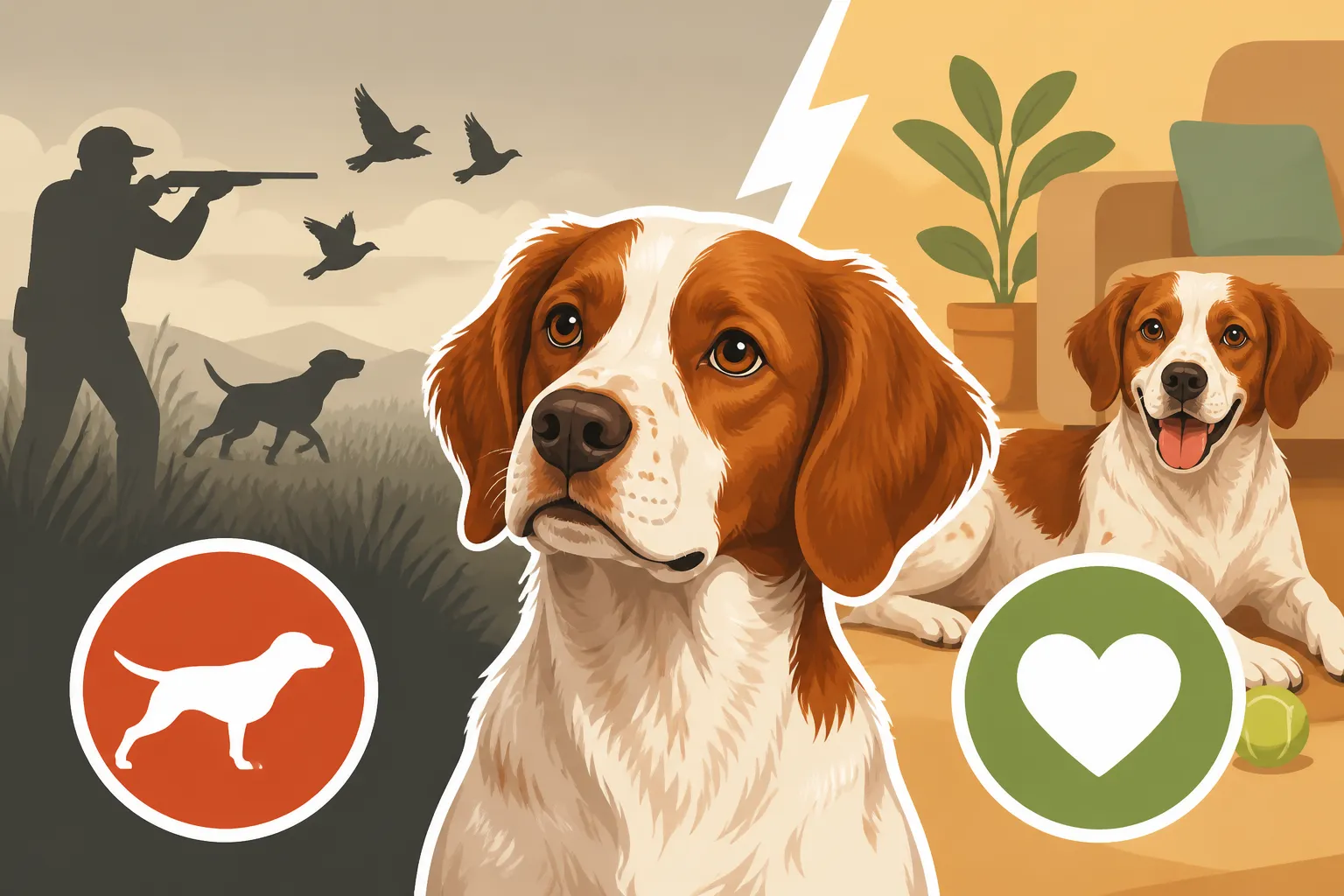
Let's be real: Brittanys were absolutely, unequivocally, bred for hunting. They are energetic, intelligent, and possess an incredibly keen nose and a natural pointing instinct. Their entire genetic makeup is geared towards finding and holding game birds. This isn't just a quaint historical fact; it's a living, breathing part of every Brittany, whether they've ever seen a bird field or not. When you consider the breed's purpose, it often leads to the conclusion that a significant number of Brittanys, at some point in their lives, have been exposed to hunting, or at least have had owners who intended to hunt them. Even those destined for the show ring often come from lines that prioritize working ability, leading to their incredible record as The Brittany Holds the Dual Champion Record.
Many breeders are dedicated to preserving these working traits, ensuring that puppies come from proven hunting lines. This means that a Brittany puppy, even if sold to a family who only wants a pet, will inherently carry that strong prey drive and bird-finding instinct. It’s hardwired. So, while a rescue organization might not have definitive proof that a dog was actively hunted, the odds are higher than with many other breeds that it has at least been exposed to some form of bird work or lived in an environment where hunting was a part of its owner's life.
Reasons for Surrender and What They Tell Us
Rescue organizations see Brittanys come through their doors for a myriad of reasons, and not all of them directly relate to hunting. Sometimes, it’s a change in an owner's living situation, a new job, a move to an apartment where the dog's exercise needs can't be met, or financial hardship. Sadly, some Brittanys also end up in rescue because their owners underestimated the breed's intense energy and need for mental stimulation. An Why an Under Exercised Brittany Ends Up in Rescue can become destructive or vocal, and without the right outlet, they become too much for an unprepared family.
However, a notable portion of rescue Brittanys do indeed come from hunting homes. These might be dogs whose owners are aging and can no longer hunt, or perhaps the dog wasn't performing to the owner's expectations in the field. Sometimes, a dog might be "gun shy" (more on that later), which makes them unsuitable for hunting and leads to their surrender. In other cases, they might have been perfectly good hunting dogs whose owners simply couldn't keep them anymore for unrelated reasons. The rescue organization will usually provide as much background as they know, but often, the history is incomplete or unknown, especially if the dog was a stray or came from a shelter where detailed records weren't kept.
Why a Brittany's Hunting Past Matters to You
Understanding whether your rescue Brittany has been hunted isn't just about satisfying curiosity; it can profoundly impact their behavior, training needs, and even their long-term health. Knowing their potential background allows you to prepare more effectively and set both of you up for success.
Behavioral Implications: Drive, Stamina, and Sensitivity
A Brittany with hunting experience, or even just strong hunting instincts, will likely exhibit a very high prey drive. This means squirrels, rabbits, neighborhood cats, and even fluttering leaves can trigger an intense chase response. This drive is what makes them phenomenal in the field, but it needs careful management in a suburban or urban setting. You'll need a secure yard, reliable recall training, and vigilance on walks. They also possess incredible stamina; a dog that has regularly hunted will be used to spending hours afield, covering vast distances. This means their daily exercise needs will be significant, even if you don't plan to hunt them yourself. You might find that a simple walk around the block isn't enough; they might need runs, hikes, or vigorous games of fetch to truly feel fulfilled.
Furthermore, Brittanys are known to be a sensitive breed; some even describe them as "soft." This isn't a weakness, but rather an indicator that they respond best to positive reinforcement and gentle, consistent training methods. Harsh corrections can shut them down or make them timid. If a rescue Brittany has had a negative experience with hunting—perhaps they were pressured too hard, or introduced to gunfire improperly—they might exhibit fear around loud noises or develop Whether a Rescue Brittany Comes Gun Shy. This sensitivity extends to their overall demeanor; they thrive on companionship and can be quite clingy, following you from room to room. Their emotional well-being is often tied to their connection with their person.
Training and Management Considerations
If your rescue Brittany has a hunting background, they might come with some basic obedience commands already ingrained, particularly those useful in the field like "whoa" (to stop and hold point) or "retrieve." This can be a huge advantage, as you can build upon that foundation. However, they might also come with habits specific to hunting that you'll need to adapt for a home environment, such as ranging wide on walks. On the other hand, if they don't have hunting experience, you'll be starting from scratch, but their innate intelligence and desire to please make them highly trainable.
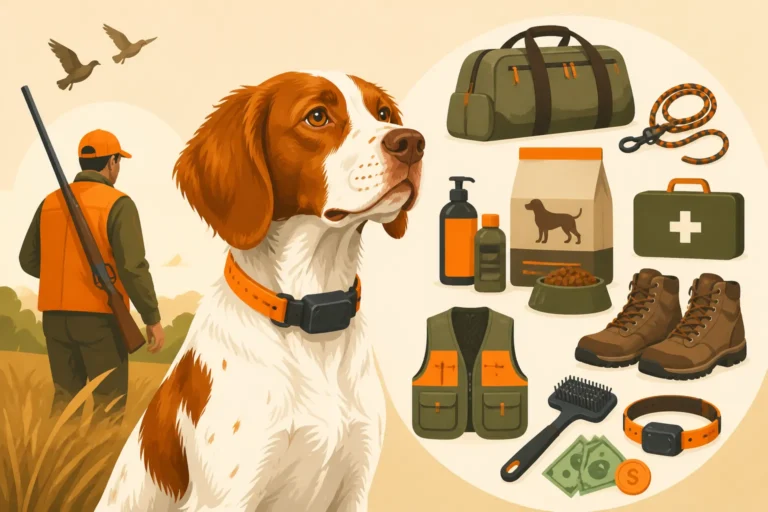
Managing their intense energy is paramount. A bored Brittany is often a destructive Brittany. Providing ample How Much Exercise a Brittany Needs Off Season is crucial. This could mean daily long walks, runs, bikejoring, or even exploring dog sports like agility or scent work. You might also consider investing in training tools. While some owners prefer not to use them, for a wide-ranging Brittany with a high prey drive, an e-collar (electronic collar) might be a tool to consider for off-leash safety, as discussed in Whether a Brittany Needs an E Collar at All. Always ensure professional guidance if using such tools. The key is to channel their natural drive into appropriate activities, whether that's advanced obedience, fetch, or even simulated bird work if you're inclined.
Health and Physical Needs
A Brittany with a hunting history may come with unique physical considerations. Years of running through thick cover can lead to scrapes, cuts, and even more serious The Injuries a Brittany Picks Up in the Field like torn pads or ligament strains. You might notice calluses on their elbows or scars from past encounters with thorns or barbed wire. It’s vital to get a full veterinary check-up soon after adoption, and make sure you discuss any physical signs of a working life with your vet. Consider signing up for pet insurance, like Healthy Paws, early on to help cover potential costs, especially if you foresee them needing treatments for old injuries or developing age-related conditions later in life.
Their diet might also need adjustment. A high-performance dog food is often given to working Brittanys to sustain their activity levels. If your rescue has been accustomed to this, you might need to gradually transition them to a different food, or continue with a performance-oriented diet, especially if they remain highly active. Brands like Ollie offer fresh, customized meal plans that could be beneficial, particularly if your Brittany has any sensitivities or needs specific nutritional support to maintain a healthy weight and energy level. It's always a good idea to consult your vet about the best nutritional plan for your specific dog.
Uncovering a Rescue Brittany's History: What to Look For
Since direct information might be scarce, you’ll need to put on your detective hat and gather clues from the rescue organization, the dog's behavior, and their physical condition.
Asking the Right Questions at the Rescue
The most direct way to gain insight into a rescue Brittany's past is to engage deeply with the rescue organization. Foster parents, in particular, are invaluable resources. They live with the dog daily and can offer firsthand observations about their personality, energy levels, and any quirks. Ask them directly:
- "Do you know anything about this dog's previous home?"
- "Has this dog shown any interest in birds or small animals?"
- "How does it react to loud noises, like thunder or sudden bangs?"
- "Does it seem to understand any specific commands that aren't typical household cues?"
- "Has it ever been observed to point or retrieve naturally?"
Sometimes, a rescue has access to limited information from the previous owner, such as why the dog was surrendered. While this might not explicitly state "hunter," it could give you clues like "owner moved and couldn't keep active dog" or "wasn't suited for field trials." Even vague answers can help paint a picture. A rescue might also conduct temperament tests or behavioral assessments, which can reveal a high prey drive or sensitivity to sound.
Observing the Dog's Natural Instincts
Even without explicit knowledge, a Brittany's inherent traits often shine through. Spend time observing the dog's behavior. Look for:
- Pointing: Does the dog stiffen, raise a paw, and fixate intently on a bird (even a pigeon in the park), a squirrel, or even a blowing leaf? This classic stance is a dead giveaway of their natural hunting instinct.
- Scenting: Do they keep their nose to the ground, intensely following scent trails? Watch how they react when they pick up an interesting smell. A true bird dog will often be much more focused on scent than visual cues.
- Retrieving: Do they naturally pick up thrown objects and bring them back to you? While not all Brittanys are natural retrievers, many have the instinct. A dog that delivers to hand, rather than dropping it far away, might have had some formal training.
- Energy and Focus: Does the dog seem to have boundless energy that a short walk doesn't touch? Do they become hyper-focused on movement or sounds in the distance? This level of intensity often indicates a dog bred and perhaps conditioned for demanding work.
- Reactions to noise: If possible and safe, observe their reaction to unexpected loud noises. A fearful or cowering response might hint at a past negative experience, possibly related to gunfire.
These observations can provide strong indicators, even if you don't have a full history. A dog that consistently exhibits strong pointing and scenting behavior, for instance, very likely comes from hunting lines and may have been encouraged in the field.
Physical Clues and Veterinary Records
A rescue Brittany’s physical condition can tell a story, too. Take note of any:
- Scars or rough patches: Look at their legs, belly, and ears for scars, calluses, or areas where the fur is sparse from repeated contact with dense brush. Pads that burn on hot ground (Whether a Brittany's Pads Burn on Hot Ground) or get cut can leave lasting marks.
- Overall muscle tone: A dog that has regularly been hunted will likely have a lean, athletic build with well-developed muscles, even if they've been out of commission for a while.
- Toenail wear: While not definitive, excessively short, worn nails (if not recently trimmed) can sometimes indicate a dog that spends a lot of time running on varied terrain.
If the rescue has any veterinary records, pore over them. Look for entries about past injuries, particularly those consistent with field work like pad lacerations, grass seed removal (especially from ears or between toes), or even discussions of joint health. While specific costs for these issues can vary, knowing a dog's history of injuries can prepare you for potential future health needs and influence your budget. For example, knowing a dog might be prone to certain issues could make pet insurance with a company like Healthy Paws even more appealing.
Integrating a Rescue Brittany into Your Home, Regardless of History
Bringing any rescue dog home requires patience, consistency, and a deep understanding of their needs. For a Brittany, whether they've been hunted or not, these elements are magnified by their unique combination of intelligence, energy, and sensitive nature.
Providing Ample Physical and Mental Stimulation
The absolute cornerstone of success with any Brittany, but especially a rescue, is providing enough physical exercise and mental engagement. These aren't couch potatoes, even in retirement. Expect to commit to daily, vigorous activity. This might mean long runs, hiking trails, or structured play sessions that mimic hunting scenarios, even if you're just throwing a bumper in an open field. Remember, a Brittany needs to burn off both physical energy and mental steam. Puzzle toys, scent games, and ongoing obedience training can provide that crucial mental workout. Without it, you might notice behavioral issues like excessive barking, digging, or destructive chewing.
Routine is also incredibly important for rescue dogs, helping them feel secure and understand expectations. Establish a consistent schedule for feeding, walks, playtime, and rest. This predictability can significantly reduce stress and help your Brittany settle in. Be mindful that even after a good run, it can take a while to settle (How Long It Takes a Brittany to Settle After a Run) and truly unwind, so provide a quiet, comfortable space for them to decompress. And don't forget to stock up on durable chew toys and stimulating puzzles from places like Chewy to keep them occupied when you can't actively engage with them.
Addressing Potential Challenges
Every rescue dog comes with their own baggage, and Brittanys are no exception. You might encounter challenges like:
- Gun Shyness: If your Brittany has a negative association with loud noises, addressing Whether a Rescue Brittany Comes Gun Shy will require immense patience and positive reinforcement. Never force them into situations that trigger their fear.
- Separation Anxiety: Many Brittanys thrive on companionship and can develop Whether a Brittany Gets Separation Anxiety if left alone for long periods, especially after the upheaval of rescue. Gradual desensitization, crate training, and ensuring they have had ample exercise before you leave can help.
- Prey Drive: Even if not formally hunted, the inherent prey drive can be strong. Training a solid "leave it" command and ensuring leash security are essential for walks.
- Fear or Timidity: Some rescue Brittanys may be initially shy or fearful. Building trust through positive experiences, gentle handling, and avoiding overwhelming situations is key.
Working with a professional dog trainer who understands pointing breeds and positive reinforcement methods can be incredibly beneficial. They can help you address specific behavioral challenges and build a strong, trusting relationship with your new companion. Remember, consistency and empathy are your most powerful tools.
Ongoing Care and Supplies
Beyond training and exercise, think about the ongoing care and supplies your Brittany will need. This includes a high-quality diet, which, as mentioned, could be a performance food if they are very active (like those offered by Ollie) or a regular premium kibble from your favorite pet supply store like Chewy. Regular veterinary check-ups are non-negotiable, and if your Brittany is going to be out in the field at all, even for walks, consider a What a First Aid Kit for a Brittany Should Hold for minor scrapes and cuts.
Grooming is fairly low maintenance for Brittanys, but their feathering can pick up burrs and debris, and their drop ears are prone to infections, requiring regular checks and cleaning. Ensure you have the right brushes and ear cleaning solutions. Ultimately, whether your rescue Brittany was a seasoned hunter or just a highly energetic family pet, they are now your dog. With love, dedication, and an understanding of their unique breed characteristics, you can provide them with a fulfilling and happy life.
| Trait / Clue | Suggests Hunting Experience (Likely) | Suggests No Hunting Experience (Less Likely) |
|---|---|---|
| Behavior | Intense pointing/scenting on small animals/birds | Less obvious interest in scent or distant movement |
| Strong, natural retrieving to hand | May retrieve, but not consistently or to hand | |
| Understands "Whoa," "Heel," "Fetch" (specifics) | Responds to general commands, might not know specifics | |
| High stamina, needs hours of vigorous exercise | Still energetic, but satisfied with regular walks/runs | |
| Might be gun-shy or gun-steady | Neutral or startled reaction to loud noises | |
| Physical Condition | Lean, athletic build with visible muscle definition | May be slightly heavier or less conditioned |
| Calluses or scars on elbows, legs, or pads | Few visible scars, softer pads | |
| Well-worn nails from running on varied terrain | Normal nail wear | |
| Rescue Information | Notes on owner's hunting activity or dog's drive | Surrendered due to family changes, lack of exercise |
| Vet records show field-related injuries (cuts, foxtails) | Vet records show only routine care or common ailments |
Disclaimer
This article is for general informational purposes only and does not constitute professional advice. Laws, prices and regulations vary by location and change over time. Consult a qualified professional for guidance on your specific situation.