What a Brittany Rescue Adoption Fee Covers
One of the most common questions and sometimes points of apprehension for prospective Brittany owners looking to adopt is, "What exactly does a Brittany rescue adoption fee cover?" It's a completely fair question. When you see an adoption fee, it's natural to wonder where that money goes and what value you're getting in return. This guide will walk you through the many crucial services and expenses that these fees help to offset, ensuring you understand the true value behind bringing a rescue Brittany into your home.
The Foundation: Why Rescue Organizations Charge Fees
It's easy to look at an adoption fee and think it's just a simple transaction, but the reality is far more complex and rooted in the very mission of animal rescue. These organizations, often run by dedicated volunteers, operate on shoestring budgets, relying heavily on donations and, yes, adoption fees to keep their vital work going. They aren't in the business of making a profit; they're in the business of saving and rehabilitating dogs, and that comes with significant costs.
Funding the Mission of Care
Imagine a Brittany, perhaps found as a stray, a bit thin, matted, and unsure of human hands. Or maybe a beloved family pet whose owners faced unforeseen circumstances and had to make the heartbreaking decision to surrender them. Each dog that enters a rescue needs immediate and comprehensive care. This isn't just a roof over their head and a bowl of kibble. It's often emergency veterinary visits, vaccinations, deworming, spaying or neutering, microchipping, and sometimes extensive dental work or specialized surgeries. These are non-negotiable expenses for responsible rescues, ensuring every dog is healthy and ready for a new life.
Beyond the initial medical costs, rescues also incur daily operational expenses. Think about the food bowls that need filling twice a day, the clean bedding that needs washing, the enrichment toys that help keep minds stimulated, and the ongoing training that might be required for a dog that's never lived in a home environment before. These aren't luxuries; they're the basic necessities for providing a safe, nurturing environment. The adoption fee helps to recoup a portion of these expenditures, allowing the rescue to continue its cycle of saving and rehoming dogs. It's a critical lifeline for their continued operation.
Understanding the Financial Landscape of Rescue
Rescue organizations typically operate as non-profits, meaning every dollar received goes back into their cause. They don't have shareholders or large corporate backing; they are community-driven efforts. This is why the adoption fee, while seemingly a one-time payment, is actually a crucial piece of their financial puzzle. It’s not just about the specific dog you’re adopting, but about supporting the entire ecosystem of care for all the Brittanys (and other dogs) that pass through their doors.
Consider the network of foster homes, transporters, and volunteers involved. Even these vital resources, while unpaid for their time, often require support for gas, supplies, or basic training materials. The fee is a collective contribution towards keeping this intricate web of compassion functioning effectively. Without it, rescues would simply not be able to offer the extensive level of care and screening that makes them such a reliable source for well-adjusted dogs.
What Your Brittany's Adoption Fee Actually Pays For
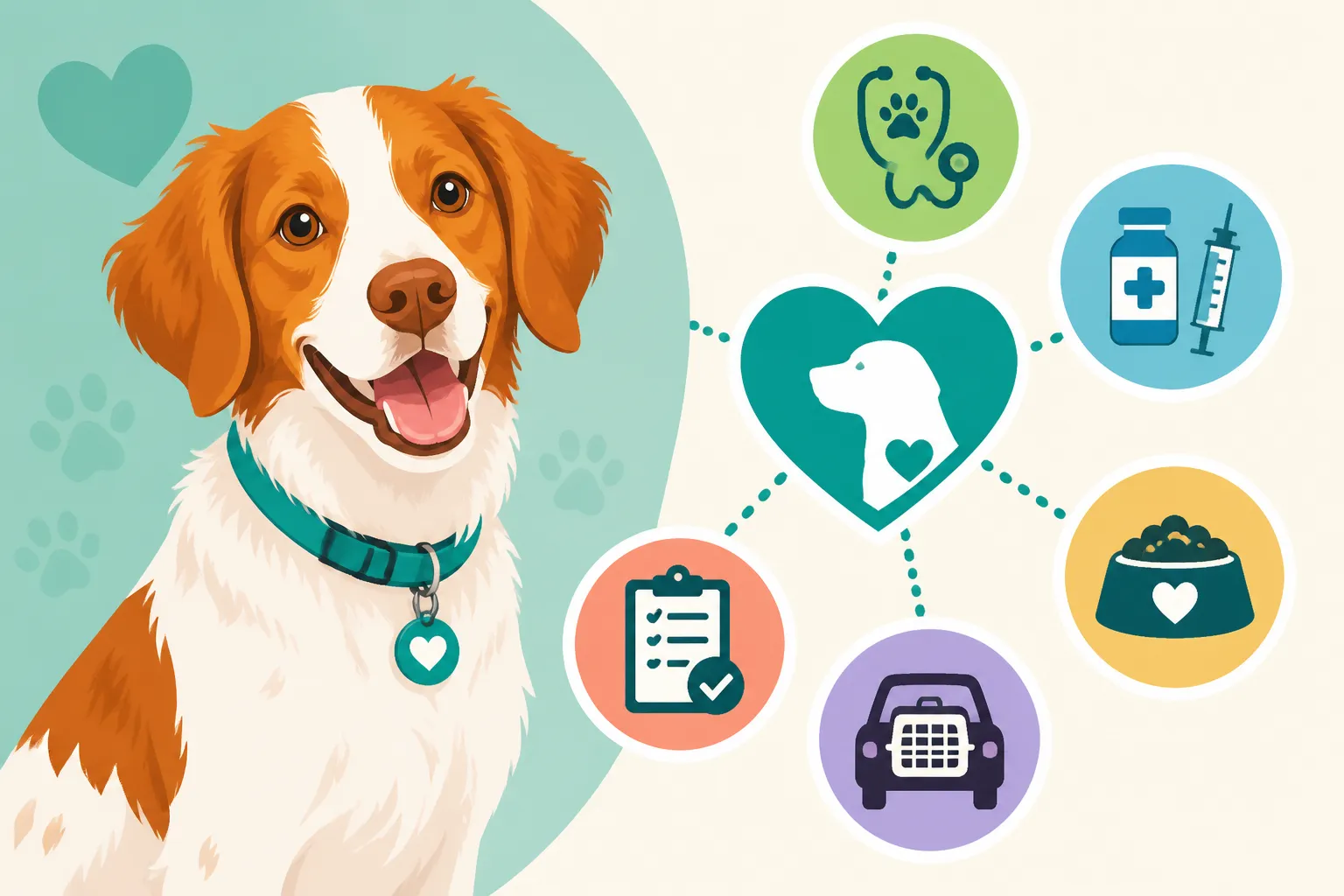
When you hand over that adoption fee, you're not just paying for a dog; you're investing in a package of services and care that ensures your new Brittany starts its next chapter on the best possible paw. This isn't like buying a used car where you might inherit someone else's problems. Rescues go to great lengths to ensure their dogs are healthy, socialized, and ready for their forever homes.
Essential Veterinary Care and Health Screenings
This is perhaps the biggest component of what your adoption fee covers, and it's a huge benefit to you, the adopter. Many Brittanys come into rescue with unknown backgrounds, or having missed routine veterinary care.
First and foremost, virtually every rescue Brittany will be spayed or neutered before adoption. This is a foundational step in responsible pet ownership, helping to control pet overpopulation. If you were to get a puppy from a source that didn't do this, you'd be looking at a significant vet bill for the procedure yourself. Secondly, up-to-date vaccinations are standard. This includes rabies, distemper, parvovirus, and often kennel cough. Again, these are costs you would incur shortly after bringing any new dog home.
Then there's the deworming and flea/tick prevention. Many dogs arrive with parasites, and rescues make sure they are treated before they go to their new homes. They also typically run heartworm tests and provide preventatives, which is crucial, especially in areas where these parasites are prevalent. Imagine adopting a dog and immediately having to pay for expensive heartworm treatment; the rescue fee helps you avoid this.
More extensively, many rescues conduct general health check-ups with a veterinarian. This can uncover underlying issues that might not be immediately obvious. Some larger or breed-specific rescues, particularly for Brittanys, might even undertake more specific screenings. For instance, they might be proactive about identifying common breed-specific issues. While a full CHIC panel like a responsible breeder would run for a puppy might not be feasible for every rescue dog, they certainly prioritize the most common and impactful health concerns. For example, they might look for signs of issues like hip or elbow dysplasia, which can be costly to treat if discovered later. You can learn more about specific health considerations in the breed by reading The Brittany Is One of the Healthiest Sporting Breeds or What Hip Screening Did for the Brittany Spaniel. If a particular Brittany has known issues, the rescue will be transparent about them, often providing medical records and advising on potential future care.
| Service/Item Covered | Benefit to Adopter | Typical Cost if Done Individually |
|---|---|---|
| Spay/Neuter Surgery | Prevents unplanned litters; health benefits | Varies widely, often substantial |
| Core Vaccinations | Protects against common diseases; required by law | Multiple vet visits, per shot cost |
| Microchipping | Permanent ID for lost pet recovery | Separate vet visit fee + chip cost |
| Deworming | Treats internal parasites | Vet visit, medication cost |
| Flea/Tick Prevention | Protects against external parasites | Monthly or quarterly medication cost |
| Heartworm Test & Prevention | Screens for and prevents serious heart disease | Vet test fee, ongoing medication |
| General Vet Exam | Overall health assessment | Standard vet consultation fee |
| Behavioral Assessment | Matches dog to suitable home | Professional trainer fees (if sought) |
| Food & Daily Care | Supports dog until adoption | Ongoing expense for food, supplies |
Daily Care and Operational Costs
Beyond the vet bills, there’s the day-to-day reality of caring for a dog, especially one in transition.
Food and Supplies: Every dog needs to eat, and rescues provide quality food. Brands like Ollie, known for its fresh dog food, or high-quality kibble from providers like Chewy, ensure that the dogs are receiving good nutrition. This isn't a small expense, especially when you have multiple dogs in care. Bowls, leashes, collars, beds, and crates are also necessary items that are purchased or donated, and the adoption fee helps fund these too.
Shelter and Utilities: Whether a rescue operates out of a dedicated facility or relies on a network of foster homes, there are costs associated with providing a safe, warm, and clean environment. This can include rent, utilities, cleaning supplies, and maintenance. Foster families generously open their homes, but the rescue often helps with supplies and covers medical bills.
Administrative Costs: Yes, even rescues have administrative needs! This includes website maintenance for showcasing available dogs, phone lines for inquiries, paperwork for adoptions, and insurance to protect their operations. While not glamorous, these are essential for the rescue to function legally and efficiently.
Behavioral Assessment and Training Support
Many Brittanys come into rescue with unique personalities and, sometimes, behavioral quirks or a lack of basic training. A good rescue invests time and effort into understanding each dog.
Behavioral Evaluations: Volunteers and sometimes professional trainers assess the dog's temperament, how they interact with other dogs, people, and sometimes even cats or children. This critical step ensures they are placed in a home that's a good match for their needs and temperament. For example, a Brittany with high prey drive might not be suitable for a home with pet birds, while a shy Brittany might need a quieter environment. Understanding their history and current temperament is vital for successful placement. You might wonder Why Brittanys Come Into Rescue, and behavioral issues are sometimes a factor.
Basic Training and Socialization: Rescues often work on basic manners like leash walking, house-training, and crate training. They also provide opportunities for socialization, exposing the dogs to different sights, sounds, and experiences in a controlled manner. This foundational work makes the transition to a new home much smoother for both the dog and the adopter. While a rescue might not get a dog ready for advanced field trials, they aim to make them a good family companion.
The Value Beyond the Dollar Amount
While the tangible services covered by an adoption fee are significant, there's an immense, often unquantifiable value that comes with adopting a Brittany from a reputable rescue. It’s about peace of mind, expert guidance, and being part of a larger community dedicated to these wonderful dogs.
The Peace of Mind from a Thoroughly Vetted Dog
When you adopt from a rescue, you're not just getting a dog; you're getting a dog that has been carefully observed, evaluated, and cared for by people who deeply understand the breed and dog behavior. This significantly reduces the guesswork often associated with acquiring a pet from less scrupulous sources.
Think about the effort involved in ensuring a dog is truly ready for a new home. Rescues take the time to learn about a Brittany's personality, energy level, and any specific needs. This means they can tell you if a particular Brittany is good with kids, if they are likely to chase the family cat, or how much exercise they truly need. This level of insight is invaluable in finding a compatible companion. If you're concerned about a dog's health history, remember that Whether a Rescue Brittany Has Been Screened means you're getting a much clearer picture than with a backyard breeder.
Furthermore, most rescues will be transparent about any known medical or behavioral issues, providing you with all available information and advice on how to manage them. This honesty helps you prepare and make an informed decision, rather than facing unexpected challenges after bringing your new family member home. It's truly an investment in a happy, healthy relationship.
Ongoing Support and Community Resources
The relationship with a good rescue doesn't end the moment you sign the adoption papers. Many organizations offer ongoing support, becoming a valuable resource for adopters. This can include advice on training, behavioral issues, or even connecting you with other Brittany owners.
For example, if you're struggling with a particular training challenge, the rescue might have volunteers or contacts who can offer guidance, often based on their direct experience with your specific dog. This kind of post-adoption support is rarely available when acquiring a dog elsewhere and can be a huge comfort, especially for first-time dog owners or those new to the Brittany breed. They might even have recommendations for good local trainers or vets.
Moreover, adopting from a rescue connects you to a community. Many rescues have active social media groups or newsletters, allowing you to share experiences, ask questions, and celebrate your Brittany's progress with others who understand and share your passion for the breed. This sense of belonging and shared purpose is a wonderful added benefit that costs nothing extra but is priceless. For more insights on choosing a dog, you can look at resources like Which Questions to Ask a Brittany Breeder and apply some of those principles to your rescue search.
What to Expect When Adopting
The adoption process, while thorough, is designed to ensure the best possible match between dog and family. It might seem like a lot of steps, but each one serves a purpose in giving a rescue Brittany its best chance at a forever home.
The Application and Interview Process
When you express interest in a rescue Brittany, you'll typically start by filling out an application. This form gathers essential information about your living situation, lifestyle, experience with dogs, and what you're looking for in a companion. Be honest and thorough; this helps the rescue determine if a particular Brittany would thrive in your home. They might ask about your yard, your work schedule, and whether you have other pets or children.
Following the application, a rescue representative will often conduct an interview. This might be over the phone, via video call, or sometimes in person. This is an opportunity for them to get to know you better, clarify information from your application, and answer any questions you might have. They'll also check your veterinary references (if you've had pets before) and sometimes conduct a home visit to ensure your environment is safe and suitable for a Brittany. Don't be offended by this; it's a mark of a responsible rescue dedicated to the welfare of their dogs. They want to know you're ready for The Twelve to Fourteen Years a Brittany Gets.
The interview process also allows the rescue to gently steer you towards a Brittany that's truly a good fit. Perhaps the high-energy two-year-old Brittany you saw online isn't the best choice for your quiet apartment lifestyle, but a calmer, older Brittany would be perfect. This guidance is part of the invaluable service they provide.
Meeting Your Potential Brittany
Once your application is approved and a potential match is identified, the exciting part begins: meeting the Brittany! This usually takes place at the foster home or a designated meeting spot. It’s a chance for you to interact with the dog, see their personality firsthand, and assess if there's a connection.
Remember, Brittanys can be enthusiastic, curious, and sometimes a little shy at first, especially if they've had a rough past. Give them time to warm up to you. Bring your whole family, including other dogs if the rescue permits and has deemed it appropriate, to see how everyone interacts. This "meet and greet" is crucial.
If you decide it's a match, you'll then finalize the adoption paperwork and pay the fee. Rescues often provide a starter kit, which might include some of the dog's current food (like a small bag of their current Chewy kibble or a sampler from Ollie if they use fresh food), a leash, collar, and perhaps a favorite toy or blanket to help with the transition. They'll also give you all medical records and microchip information, along with any advice for the first few days and weeks.
It's also worth considering pet insurance, even for a healthy rescue. Companies like Healthy Paws offer various plans that can help cover unexpected veterinary costs down the road, giving you an extra layer of financial security. While the adoption fee covers a lot upfront, ongoing care is a long-term commitment. For a broader picture, it's good to understand What a Brittany Costs Over Its Lifetime and What the First Year With a Brittany Totals.
Remember, adopting a rescue Brittany isn't just about giving a dog a home; it's about gaining a loyal companion and supporting a network of heroes who dedicate themselves to these incredible dogs. The adoption fee is a small price to pay for the immense value and joy they bring into our lives.
Disclaimer
This article is for general informational purposes only and does not constitute professional advice. Laws, prices and regulations vary by location and change over time. Consult a qualified professional for guidance on your specific situation.