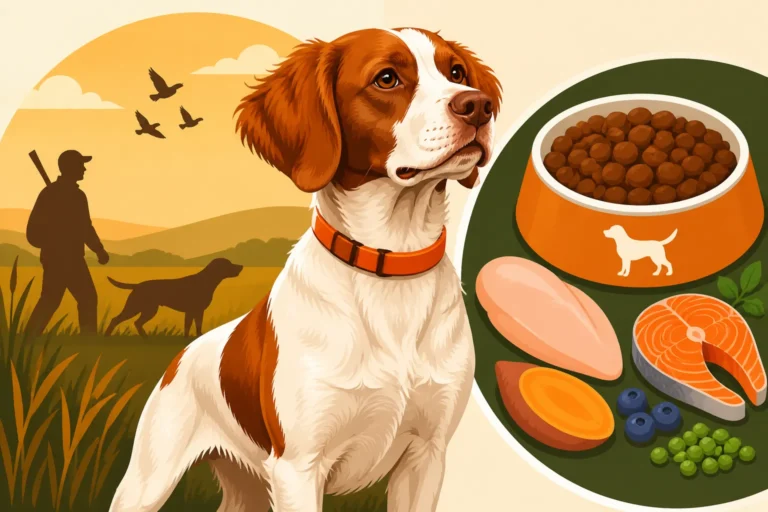
How Long the Wait for a Brittany Litter Runs
Oh, the anticipation of bringing home a Brittany puppy! It's a feeling every prospective owner knows all too well, often accompanied by the frustrating reality of long waitlists and vague timelines. You've researched the breed, perhaps even fallen in love with their energetic spirit and classic good looks, only to find that securing one of these wonderful dogs isn't as simple as picking one up tomorrow. This guide is here to demystify the process, explain why those wait times exist, and help you understand what to expect when you set your heart on a Brittany.
Understanding the Brittany Breeder's Process
Bringing a litter of healthy, well-adjusted Brittany puppies into the world is far more involved than simply deciding to breed two dogs. Responsible breeders dedicate immense time, effort, and resources to ensuring their litters are of the highest quality, both in health and temperament. This meticulous approach is precisely why there's often a wait, but it's also why those puppies are so sought after.
The Planning Behind a Litter
Before a single puppy is even conceived, a reputable Brittany breeder is engaged in extensive planning. This isn't a spur-of-the-moment decision; it's a carefully orchestrated endeavor that can span months, if not years. First, they evaluate their breeding stock, looking at temperament, conformation, and working ability. They consider the strengths and weaknesses of both the dam (mother) and potential sires (fathers) to ensure that the pairing will produce offspring that are sound, intelligent, and true to the Brittany standard. This might involve traveling to observe a potential stud dog in the field or in the show ring, talking to other breeders, and reviewing pedigrees.
The timing also has to be just right. Bitches typically cycle only once or twice a year, and breeders often time litters to align with specific seasons or to fit their personal schedules, especially if they are heavily involved in hunting season or dog shows. They want to be able to give the puppies their full attention during critical early developmental stages. This foresight helps them avoid overwhelming themselves or compromising the care the litter receives. It’s a labor of love, and every step is taken with the future of those puppies, and their eventual families, in mind.
Health Clearances and Genetic Testing
This is arguably one of the most critical aspects of responsible Brittany breeding and a major contributor to why wait times are common. Good breeders are committed to improving the breed and minimizing the transmission of hereditary diseases. This means both prospective parent dogs must undergo a battery of health screenings before any breeding takes place. You'll often hear breeders talk about the CHIC Panel a Brittany Breeder Should Have Run, which is a comprehensive set of health tests recommended by the Canine Health Information Center (CHIC) specifically for the Brittany breed.
These tests typically include evaluations for hip and elbow dysplasia, eye certifications by a veterinary ophthalmologist, and thyroid panels. Some breeders also test for conditions like C3 deficiency, though this is less common today. Each of these tests requires a specific age for the dog to be evaluated, and some, like eye certifications, need to be renewed annually. Getting these clearances, waiting for results, and ensuring both parents meet the strict health criteria can take considerable time. If a dog doesn't pass a particular clearance, that breeding might be reconsidered or even scrapped, further extending the wait for a healthy litter. This dedication to health, while time-consuming, is invaluable for future owners.
Finding the Right Stud Dog
Once a breeder has a healthy, suitable dam, the search for the perfect stud dog begins. This isn't just about finding any male Brittany; it's about finding one that complements the dam in terms of pedigree, health, temperament, and working ability. The ideal stud might not be local, meaning travel arrangements, additional costs, and coordination between two busy breeders are necessary. Sometimes, a breeder might even consider artificial insemination with frozen or chilled semen from a dog across the country or even internationally, adding another layer of complexity and time.
This careful selection process is essential for producing puppies that embody the best traits of the breed. Breeders are looking for specific qualities – strong bird drive, intelligence, biddability, and a stable disposition. A well-matched stud can elevate the entire litter. This pursuit of excellence means that a breeder won't rush into a pairing, and the perfect mate might not always be available precisely when the dam is in season. This can easily push back a planned litter by six months or even a year, all contributing to those anticipated wait times.
Factors Influencing Wait Times
So, you've decided on a Brittany, found a breeder you admire, and now you're wondering how long that waitlist really is. Several elements play into how quickly you might get your hands on a furry bundle of joy. It’s not a one-size-fits-all timeline, and understanding these factors can help manage your expectations.
Breeder Reputation and Demand
Just like in any competitive field, certain Brittany breeders develop an outstanding reputation for producing top-quality dogs. These breeders consistently produce healthy, intelligent, and conformationally sound Brittanys that excel in the field, show ring, and as beloved family companions. Word travels fast, and naturally, their litters are in incredibly high demand. It’s not uncommon for these highly regarded breeders to have waiting lists that stretch a year or more into the future. Some even have a waiting list for their waiting list!
Prospective owners are often willing to wait because they trust the breeder’s commitment to health testing, temperament, and ethical practices. They know that a puppy from such a program is more likely to grow into the dog they envision – a loyal companion and a skilled hunting partner. The desire for a puppy from a proven line, especially one with a strong history of The Brittany Holds the Dual Champion Record, makes the wait worthwhile for many. If you've set your sights on a breeder with a long-standing reputation for excellence, be prepared for a significant wait, but also rest assured that you're likely investing in a truly exceptional dog.
Litter Size and Puppy Availability
Mother Nature plays a significant role in wait times. While breeders can predict a general breeding schedule, they have no control over how many puppies a dam will have, or the sex and color distribution within a litter. A smaller-than-expected litter means fewer puppies to go around among those on the waiting list. Brittanys typically have litters ranging from 6 to 10 puppies, but it's not unheard of for a litter to be smaller.
Furthermore, specific preferences for gender or color can also extend your wait. If you're set on a male orange and white Brittany, but the current litter produces mostly liver and white females, you might have to wait for the next litter to get what you're looking for. Responsible breeders usually place puppies based on temperament first, matching each puppy's personality to the prospective family's lifestyle and goals. However, if multiple families on the list have very specific requests that don't align with the current litter's composition, some people will inevitably have to wait longer.
Geographic Location and Local Demand
The region you live in can also influence how long you wait for a Brittany puppy. In areas with a high concentration of Brittany enthusiasts or strong hunting traditions, demand might outstrip the supply of local reputable breeders. Conversely, in areas where Brittanys are less common, you might find breeders with shorter waitlists, or at least a quicker turnover.
Consider where the best breeders are located. Some of the most esteemed Brittany breeders are in specific pockets of the country known for field trials or dog sports. If you're willing to travel or arrange for transport, you might be able to access a wider pool of breeders and potentially shorten your wait. However, expanding your search area can also mean more communication to coordinate logistics, potential travel costs to meet the puppy, and a more complex adoption process. It’s a trade-off many are willing to make for the right puppy.
Navigating the Waitlist Experience
Being on a waitlist doesn't mean you just sit idly by. It's an active process of communication, learning, and preparing for your future companion. Understanding how breeders manage their lists and what you can do to be a proactive and responsible prospective owner can make the experience much smoother.
Making Initial Contact and Application
The first step is usually an inquiry to a breeder, often through their website or a referral. Reputable breeders will typically have an application process, sometimes quite detailed, to help them get to know you. They want to understand your living situation, your experience with dogs, your activity level, and what you're looking for in a Brittany. This isn't just about screening you; it's about finding the best possible match for their puppies. They might ask about your hunting aspirations or whether you're interested in performance events, which can influence which puppy they suggest.
Don't be shy about asking questions yourself. This is your opportunity to learn about their breeding philosophy, health testing protocols, and what kind of support they offer post-adoption. Which Questions to Ask a Brittany Breeder is a great resource for crafting your inquiry. Expect to have several conversations, possibly phone calls, and even an in-person visit if feasible. This initial vetting process is time-consuming for both parties, but it's crucial for building trust and ensuring a good fit. Once approved, you might be asked to place a deposit to secure your spot on a waiting list, understanding that this deposit often goes towards the final puppy price.
What to Expect on a Waitlist
Being on a waitlist is a waiting game, but a good breeder will keep you informed. They might give you an estimated timeframe for when they expect their next litter, but it’s important to remember that these are just estimates. Nature has its own schedule! Some breeders will organize their waitlist by general preference (male/female, hunting/pet home), while others might simply go by the order of deposits received.
During this period, many breeders will encourage you to stay in touch, perhaps by following their social media or signing up for their newsletter. They want to know you're still committed and actively engaged. This is also a perfect time for you to continue your own education. Research training methods, consider what kind of food you'll feed (many Brittany owners rely on high-quality brands available at retailers like Chewy or specialty stores), and start preparing your home. Think about things like What a Brittany Needs Within an Hour of a Hunt if you plan to hunt, or simply how to set up your home for a rambunctious puppy.
Communication During the Wait
Clear and consistent communication is key to a positive waitlist experience. A responsible breeder will reach out when a breeding has taken place, confirm pregnancy, and announce the arrival of a litter. They'll likely share photos and videos as the puppies grow, giving you a glimpse into their development. They'll also inform you when it's time to choose your puppy (if that's part of their process) or when they've made a match for you.
However, remember that breeders are often busy individuals juggling their own lives, their adult dogs, and a new litter of puppies. While they appreciate your enthusiasm, avoid bombarding them with daily emails or calls. Trust that they will communicate important updates. If you haven't heard anything in a while and feel genuinely concerned, a polite, well-spaced check-in email is perfectly acceptable. Establishing a good rapport with your breeder during this waiting period is crucial; they'll be a valuable resource for you for years to come, especially for questions about your puppy's health or training.
Strategies for Reducing Your Wait (or Making it More Bearable)
While patience is a virtue when seeking a quality Brittany, there are some proactive steps you can take to potentially shorten your wait or simply make the time more productive and enjoyable.
Broadening Your Search
One of the most effective ways to reduce your wait time is to expand your search beyond a single breeder or even a single region. Many prospective owners focus solely on breeders within a short driving distance, but that severely limits your options. Consider looking at reputable breeders in neighboring states or even across the country. As mentioned earlier, shipping a puppy can add to the cost, but it opens up a much larger pool of available litters. The American Brittany Club's website often has a breeder directory, and you can also find breeders through regional Brittany clubs or by attending field trials and dog shows.
It's also worth considering both American and French Brittany lines. While they share the same origin, there are subtle differences in temperament and hunting style. How a French Brittany Differs From an American One can help you decide if one type might suit you better, potentially opening up more breeding programs. Just ensure any breeder you contact, regardless of location or line, adheres to the same high standards of health testing and ethical breeding practices you expect. Don't compromise on quality just to shorten your wait.
Considering an Older Puppy or Adult Dog
While the allure of a tiny puppy is undeniable, sometimes the quickest path to bringing a Brittany into your home is to consider an older puppy or a young adult dog. Breeders occasionally keep a puppy longer for evaluation as a potential show or breeding prospect, only to decide later that the dog isn't quite right for their program. These dogs are often well-socialized, crate-trained, and may even have a head start on basic obedience. This can be a fantastic opportunity to get a high-quality Brittany without the typical long waitlist for a brand-new litter.
Another excellent option is adopting a Brittany from a breed-specific rescue organization. Adopting a Brittany From Rescue is a wonderful way to provide a loving home to a dog in need. Rescue Brittanys, both purebred and mixes, come into rescue for a variety of reasons – sometimes due to owner circumstances, sometimes because they weren't suited for a particular hunting home. Many rescue organizations do a thorough job of vetting their dogs, including health checks, spaying/neutering, and temperament evaluations. You might find an adult Brittany that's already house-trained and past the most demanding puppy stages, potentially offering a more immediate and often deeply rewarding experience. While you might not know the exact lineage, you'll be giving a deserving dog a second chance.
Preparing for Your Puppy's Arrival
Even if your wait is long, you can use the time productively to prepare for your new family member. This isn't just about buying supplies; it's about educating yourself and setting up your home for success. Read up on puppy training, especially positive reinforcement methods, and consider signing up for puppy classes in advance. Understanding What a Brittany's Temperament Is Really Like will help you anticipate their needs and prepare for their energetic nature.
Gather essential supplies: a crate (many owners prefer durable models from brands found on Chewy), food and water bowls, a quality leash and collar, toys, and grooming tools. Don't forget about vet care – research local veterinarians and schedule a "well-puppy" check-up for shortly after arrival. This waiting period is also a good time to look into pet insurance options from providers like Healthy Paws, especially if you plan on your Brittany being an active hunting companion, as field injuries can sometimes lead to unexpected vet bills. Planning for What the First Year With a Brittany Costs financially can help ease the transition. The more prepared you are, the smoother the transition will be for both you and your new Brittany when they finally arrive.
| Waitlist Factor | Impact on Wait Time | Strategies to Manage |
|---|---|---|
| Breeder Reputation | High demand, longer waits | Broaden search, consider new breeders |
| Litter Size | Fewer puppies, longer waits | Be flexible on gender/color |
| Geographic Location | High local demand | Look out of state, be willing to travel |
| Specific Puppy Preferences | Harder to match | Prioritize temperament over appearance |
| Breeder's Breeding Schedule | Seasonal or infrequent litters | Connect early, inquire about future plans |
This table summarizes some of the key elements that contribute to how long you might wait and proactive ways to approach it. Whether you're waiting for a specific litter or open to different options, remember that the right Brittany is worth the wait.
Disclaimer
This article is for general informational purposes only and does not constitute professional advice. Laws, prices and regulations vary by location and change over time. Consult a qualified professional for guidance on your specific situation.