What a Brittany’s Torn Pad Costs to Treat
There’s nothing quite like the sight of your Brittany, full of vigor and purpose, tearing through cover in pursuit of birds. It’s what they live for, and frankly, what many of us cherish about them. But that intensity, that incredible drive, often comes with a hidden cost: the vulnerability of their paws. A torn pad can bring a hunt to a screeching halt and leave you wondering not just about your dog's pain, but also the inevitable vet bill. This guide will walk you through what to expect when a Brittany suffers a paw pad injury, focusing on the treatment process and the costs involved.
Why Brittany Pads Are Prone to Injury and Why it Matters
Our Brittanys are athletes, pure and simple. Their enthusiasm for the field, whether it's hunting, trials, or just a spirited run in rough terrain, means their paws are constantly exposed to hazards. This isn't a couch potato breed; they're built for action, and their pads bear the brunt of that lifestyle.
The Active Brittany Lifestyle
Think about the sheer variety of surfaces your Brittany covers in a single season. From the sharp stubble of a harvested cornfield to rocky creek beds, frozen ground, thorny brush, and even asphalt paths during conditioning runs – their paw pads are constantly put to the test. A dog like your Brittany, Belle, might spend hours quartering through thick fescue one minute and then dash across a gravel road the next, hardly breaking stride. It’s this very dedication and resilience that makes them such phenomenal companions and hunting partners, but it also means their feet are always on the front lines of potential injury. Even something as seemingly innocuous as a dry leaf can hide a sharp stick or a piece of glass that can cause a nasty laceration. It's not a question of if a working Brittany will get a minor paw injury, but when. For more on joint care, you might find Whether a Working Brittany Wears Its Joints Out helpful.
Anatomy of a Brittany's Paw Pad
To truly understand why a torn pad is such a big deal, it helps to know a little about them. Paw pads are complex structures, essentially thick, fatty cushions designed to absorb shock, provide traction, and protect the delicate underlying bones and tendons. They're covered in a specialized, tough, keratinized skin, much like a very thick callus. However, beneath this tough exterior, pads are richly supplied with nerves and blood vessels. When a pad tears, it exposes these sensitive tissues, leading to significant pain, bleeding, and a high risk of infection. Because they are constantly used for walking, running, and bearing weight, paw pad injuries are notoriously slow and difficult to heal. Even a small tear can gape open with every step, delaying the recovery process and often requiring careful, consistent management.
Initial Assessment and First Aid: The First Line of Defense (and Cost Savings)
Knowing what to do immediately after discovering a torn pad can make a huge difference, both for your Brittany's comfort and potentially for your wallet. Prompt, effective first aid can sometimes prevent a minor injury from escalating into a major problem requiring more extensive and costly veterinary intervention.
On-Site First Aid in the Field
The moment you notice your Brittany Maverick limping or holding up a paw in the field, it’s time for an immediate stop. Gently examine the paw. If you find a tear, the first step is to clean it as best you can with clean water or a saline solution if you have it in your field first-aid kit. Flushing out dirt, grit, or any foreign material is crucial. Next, apply direct pressure with a clean gauze pad or cloth to stop any bleeding. Many field hunters carry a small first-aid kit specifically for their dogs. This kit often includes gauze pads, antiseptic wipes, vet wrap, and sometimes even a little paw toughener. Once the bleeding is controlled, a light, protective bandage can be applied to keep the wound clean and prevent further trauma on the way back to the truck or home. Remember, this is just temporary; a torn pad almost always warrants a closer look by a professional. For specific advice on field treatment, check out How to Treat a Brittany's Torn Pad.
When to Seek Immediate Veterinary Care
While basic first aid is important, it's equally important to recognize when an injury demands immediate professional attention. If the tear is deep, extensive, bleeding profusely and won't stop with pressure, or if you suspect something is embedded in the pad, a vet visit isn't just recommended, it's essential. Other red flags include if your Brittany can't bear any weight on the paw, if the pad looks severely displaced, or if you see bone or tendon. Waiting too long can allow bacteria to enter the wound, leading to a serious infection that is much harder and more expensive to treat. Even if the tear seems small, a quick call to your vet for advice is always a good idea. They can help you assess the severity over the phone and determine if an emergency trip is necessary, or if you can schedule a regular appointment.
Understanding Veterinary Costs for a Torn Pad
Now, let's talk about the dreaded financial side of things. The cost of treating a torn pad can vary widely, much like any medical expense, depending on the severity of the injury, where you live, and the specific treatments required. It’s rarely a single flat fee, but rather a combination of services and supplies.
Initial Examination and Diagnosis
Every vet visit starts with an examination fee. This is the cost for the veterinarian to assess your Brittany, observe their gait, and closely inspect the injured paw. For a simple, superficial tear, this might be all that’s needed initially, along with some basic cleaning and bandaging instructions. However, if the tear is painful, deep, or if your Brittany, like many, is a little squirmy about having a sore paw handled, the vet might recommend mild sedation. This allows them to thoroughly clean the wound, check for foreign bodies, and determine the full extent of the damage without causing undue stress or pain to your dog. The cost of sedation, even light sedation, will add to the initial bill. They’ll also likely shave the fur around the area to ensure cleanliness and ease of bandaging.
Treatment Options and Associated Costs
The actual treatment is where costs can really begin to diverge.
- Minor Tears: For small, shallow cuts that aren't bleeding much, treatment might involve a thorough antiseptic cleaning, a protective bandage, and a prescription for oral antibiotics to prevent infection, along with some pain medication. You'll likely be sent home with instructions for daily cleaning and bandage changes. These relatively straightforward cases tend to be on the lower end of the cost spectrum, primarily covering the exam, medications, and bandaging materials.
- Moderate Tears: If the tear is deeper or gapping, your vet might recommend sutures (stitches) to help the pad heal properly and reduce the risk of infection. This usually requires a local anesthetic and sometimes further sedation. The cost here will include the suturing procedure, more extensive bandaging, and potentially a specialized bootie or cone to prevent your Brittany from chewing at the wound. Pain management will be a priority, often involving stronger medications.
- Severe Tears or Infection: These are the most complex and costly scenarios. A deeply lacerated pad, a large flap torn off, or a wound that has become infected (especially if dirt or debris was left behind) will require more aggressive intervention. This could include surgical debridement (removing damaged tissue), extensive suturing, and sometimes even an overnight stay at the clinic for monitoring, especially if strong intravenous antibiotics or fluids are needed. Follow-up care for severe cases is also more intensive, often requiring multiple re-checks and bandage changes by the vet, which each add to the overall expense. If the tear is so bad that your Brittany develops a secondary infection, the course of antibiotics may need to be changed, and the healing process will be significantly prolonged and more challenging.
Follow-up Care and Long-Term Healing
A torn paw pad isn't a "one and done" vet visit. Healing takes time, and proper follow-up care is essential to ensure the wound closes cleanly and infection-free. You should expect several re-check appointments where the vet will examine the healing process, change bandages, and potentially adjust medication. Each of these visits will incur a consultation fee, plus the cost of fresh bandaging supplies. Sometimes, a special therapeutic bootie or protective cone might be needed for weeks to prevent your Brittany from licking or re-injuring the paw. Furthermore, if complications arise, like the wound reopening, persistent limping, or signs of a deep-seated infection, additional treatments, medications, or even diagnostic tests (like X-rays to rule out underlying bone damage) could become necessary, adding significantly to the cumulative cost.
Factors Influencing the Total Cost
It's not just the severity of the tear that dictates the final bill. Several other variables can cause the treatment cost for your Brittany's torn pad to swing wildly. Being aware of these can help you anticipate potential expenses and make informed decisions.
Location and Type of Veterinary Clinic
Where you take your Brittany for treatment can dramatically impact the cost. Emergency veterinary clinics, which are open 24/7, typically charge a premium for their services, especially for after-hours care. If your Brittany Rusty tears his pad late on a Saturday night, you’re likely looking at higher emergency fees than if the same injury happened during your regular vet’s business hours on a Tuesday morning. Similarly, veterinary practices in major metropolitan areas often have higher overheads, leading to higher prices for exams, procedures, and medications compared to clinics in rural or smaller towns. It’s always good to know where your nearest emergency vet is, but for non-critical injuries, opting for your regular family vet during normal hours can save a substantial amount.
Severity of the Injury and Complications
As we discussed, a minor scrape is vastly different from a deep, gaping laceration. A simple clean-up and bandaging will always be less expensive than a tear requiring multiple sutures, extensive debridement, or even specialist wound care. Complications, like an infection setting in, are perhaps the biggest cost inflators. If a bacterial infection develops, it requires a course of antibiotics, which can be expensive, and potentially more frequent vet visits to monitor progress. A slow-healing wound, or one that becomes re-injured, also means more time, more materials, and more vet visits, all stacking up the bill. The initial wound care might be a few hundred, but complications can push it into the thousands.
Your Dog's Temperament
This might seem surprising, but your Brittany's personality can actually influence the cost of treating a torn pad. A calm, cooperative dog like Daisy who allows the vet to examine and treat their paw without much fuss might not need any sedation at all. On the other hand, a highly anxious Brittany, or one that's in significant pain and protective of their injury, might require sedation or even a general anesthetic for a thorough examination and suturing. Anesthesia and sedation add distinct line items to your bill, including the medications themselves, the time of the veterinary staff to monitor your dog, and potentially pre-sedation blood work to ensure your Brittany can safely undergo the procedure. The more cooperation your dog gives, the less intervention (and cost) might be involved.
Preventative Measures and Their Costs
While the focus is on treatment costs, it's worth noting that investing in prevention can sometimes save you money in the long run. There are products available to help toughen your Brittany's pads, such as paw waxes or balms, which can create a protective barrier and reduce cracking. Applying these regularly, especially during hunting season, can help prevent minor abrasions from turning into larger tears. For those hunting in particularly harsh environments or very cold weather, dog booties can offer excellent protection against sharp terrain, ice, and chemical irritants. You can explore a variety of these products on sites like Chewy. While these items represent an upfront expense, they are generally far less costly than a veterinary bill for a serious paw injury. Considering How to Toughen a Brittany's Pads or Whether a Brittany Needs Boots in the Field might be a good proactive step.
Budgeting and Managing Costs: Planning Ahead
Unexpected veterinary bills for injuries like a torn pad can be a real punch to the gut, especially when they occur during hunting season. However, with a bit of foresight and planning, you can soften that financial blow considerably.
Pet Insurance Considerations
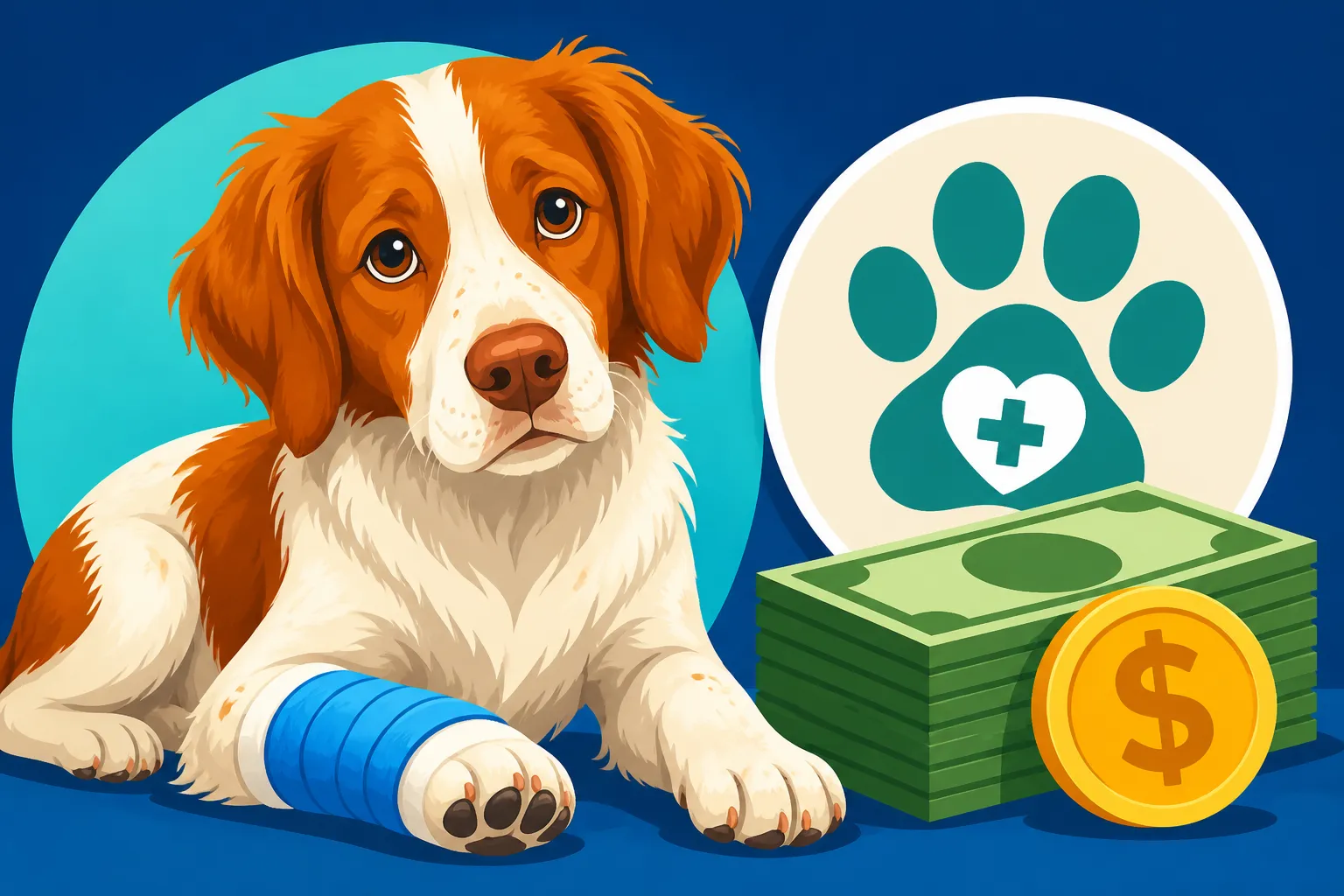
This is where pet insurance can really shine, acting as a financial safety net for those unforeseen accidents and illnesses. Companies like Healthy Paws offer various plans that can cover a significant portion of your Brittany's veterinary expenses, including emergency care, surgeries, medications, and follow-up treatments for injuries like a torn pad. Typically, you'd pay your vet bill upfront, then submit a claim to your insurance provider for reimbursement. While there’s usually a deductible you need to meet and a reimbursement percentage (e.g., 70%, 80%, or 90%) that determines how much they pay back, having a policy in place can mean the difference between a minor financial inconvenience and a major household budget crisis. It's definitely something to consider for any active Brittany owner.
Emergency Funds and Savings
Even with pet insurance, it's wise to have a dedicated emergency fund for your Brittany. Insurance plans might have waiting periods, deductibles, or certain exclusions, and sometimes you just need immediate cash on hand for the initial vet visit. Setting aside a small amount each month into a "Brittany emergency fund" can provide immense peace of mind. Think of it as self-insurance for those smaller, unexpected expenses that might not meet your insurance deductible, or for situations where you need to pay upfront before reimbursement. Having a few hundred to a couple of thousand dollars saved specifically for your dog's health can prevent a lot of stress when accidents like a torn pad inevitably happen.
Leveraging Online Retailers for Supplies
While the initial vet care is paramount, managing the recovery at home often requires ongoing supplies. This is where online retailers like Chewy can be incredibly helpful for saving money. Once your vet has prescribed medications and given you instructions for wound care, you can often find things like sterile gauze pads, medical tape, protective bandages, and even soft cones or recovery collars at a lower cost online than at your vet's office. Just be sure to get your vet's specific recommendations for types and sizes of materials. Buying in bulk for common first aid supplies for your field kit can also save you money over time, ensuring you're always prepared for minor scrapes or initial field care before heading to the vet.
Torn Pad Treatment Cost Breakdown (Illustrative)
Understanding the range of costs involved can help you prepare. This table provides an illustrative breakdown of typical components, recognizing that actual figures vary widely.
| Cost Component | Minor Tear (No Sutures) | Moderate Tear (Sutures) | Severe Tear (Complications) |
|---|---|---|---|
| Initial Vet Exam/Consultation | Standard fee | Standard fee | Standard fee (potentially higher for emergency) |
| Sedation/Local Anesthetic | Rarely needed | Often needed | Frequently needed (possibly general anesthesia) |
| Wound Cleaning/Prep | Basic antiseptic | Thorough cleaning, shaving | Extensive debridement, shaving |
| Sutures/Procedure Fee | Not applicable | Moderate procedure fee | High procedure fee (complex repair) |
| Bandaging Materials | Basic wrap, gauze | Specialized padded bandage | Advanced wound dressings, multiple changes |
| Oral Antibiotics | Standard course | Standard or extended course | Potentially stronger, longer course |
| Pain Medication | Mild short-term | Moderate short-term | Stronger, longer-term |
| Elizabethan Collar/Bootie | Optional | Recommended | Essential |
| Follow-up Visits | 1-2 re-checks | 2-4 re-checks | Multiple, potentially extended period |
| Diagnostics (e.g., X-rays) | Rarely | Occasionally (to rule out foreign bodies) | Often (to assess deep damage/infection) |
| Hospitalization | No | No | Possible (for severe infection/monitoring) |
| Overall Cost Shape | Relatively modest | Significant | Substantial, potentially very high |
Please remember, these descriptions are general. Always consult your veterinarian for an accurate diagnosis and treatment plan for your specific Brittany.
Disclaimer
This article is for general informational purposes only and does not constitute professional advice. Laws, prices and regulations vary by location and change over time. Consult a qualified professional for guidance on your specific situation.