What Twenty Days on Wild Birds Costs a Brittany Owner
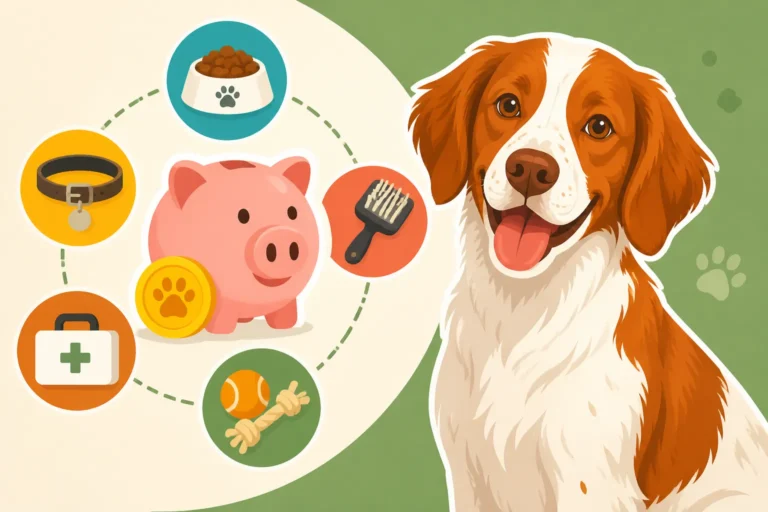
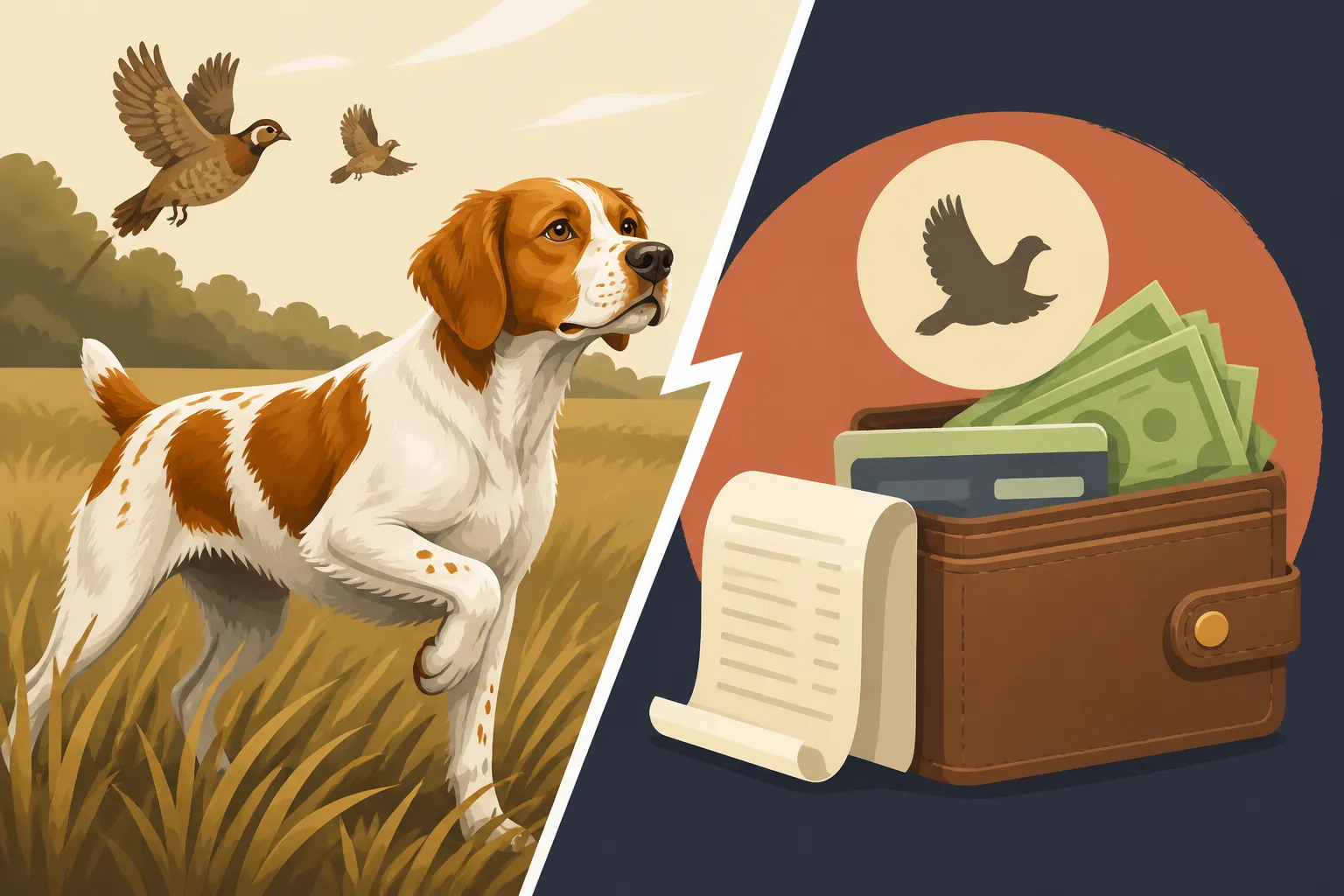
When you dream of spending twenty days out in the field with your Brittany, chasing wild birds, it's easy to get lost in the romance of it all: the crisp air, the thrill of the point, the companionship. What often gets overlooked until you're deep in the season are the practical realities, especially the financial investment. This guide is here to shed light on the cumulative costs a Brittany owner can expect when dedicating a significant portion of their season to wild bird hunting, preparing you for the full picture beyond just the cost of a hunting license.
Pre-Season Investment: Setting Your Brittany Up for Success
Before your Brittany even steps foot on wild ground, there's a substantial financial and time investment that happens long before opening day. This preparation is crucial for your dog's performance and safety, and it comes with its own price tag. Think of it as laying the groundwork for those twenty successful days in the field.
Conditioning and Nutrition
A Brittany isn't a couch potato that can suddenly transform into an endurance athlete. Building and maintaining peak physical condition takes months of consistent effort and the right fuel. This isn't just about preventing injury; it's about ensuring your dog has the stamina and muscle to perform at its best, day after day, for those twenty demanding days.
During the off-season, your Brittany might be on a standard, high-quality kibble. But as hunting season approaches, and especially during it, many owners switch to a performance-grade dog food. These specialized diets are typically richer in protein and fat, providing the dense caloric intake a working dog needs to maintain weight and energy levels. While essential, these foods often come at a premium price point compared to regular adult formulas. You might also find yourself exploring options from brands like Ollie, which can offer customized, nutrient-dense fresh food plans, though those, too, represent a different budget line item. Furthermore, joint supplements, fish oil for coat and skin health, and other nutritional boosts might become part of your routine. These additions, while beneficial, certainly add up over the weeks and months leading up to and throughout the hunting season. Consider reading How Much More a Brittany Eats in Hunting Season to understand the dietary demands.
Veterinary Health Checks and Preventatives
A healthy dog is a safe dog in the field, and preventative veterinary care is non-negotiable. Before embarking on a strenuous hunting season, a thorough pre-season vet check-up is highly recommended. This might include a general physical exam, updating vaccinations, and possibly bloodwork to ensure your Brittany is in prime condition. Detecting any underlying issues early can prevent a minor problem from escalating into a season-ending injury or illness.
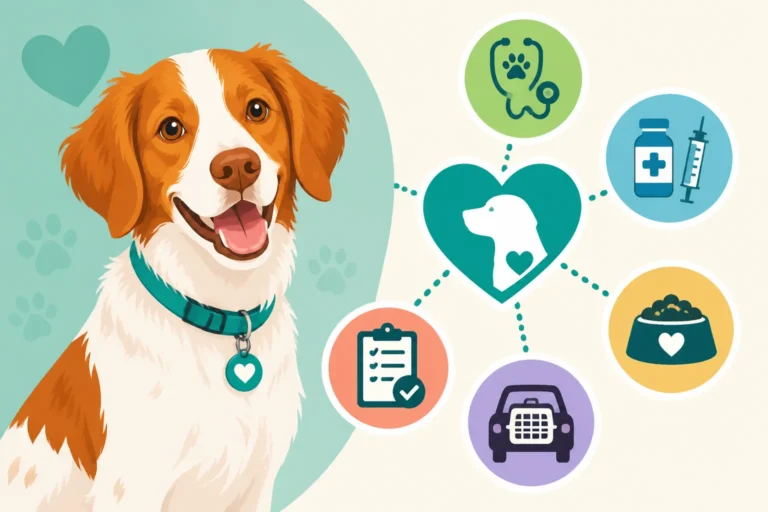
Beyond the check-up, you'll need to invest in robust parasite prevention. Ticks are a constant menace in wild bird cover, and fleas, heartworms, and other internal parasites are also threats. Monthly or seasonal treatments for these preventatives are an ongoing cost. Depending on your region, you might also consider additional vaccinations, such as for Leptospirosis, which can be contracted from contaminated water sources your dog might encounter while How Much a Brittany Should Drink on a Hunt. These preventative measures are an essential part of the overall financial picture, safeguarding your Brittany's health against the myriad challenges of the outdoors. You can learn more by checking What a Brittany's Tick Prevention Costs a Year.
Equipping Your Hunter: Essential Gear & Supplies
Hunting wild birds with a Brittany isn't just about the dog; it's also about having the right tools to keep them safe, effective, and comfortable in various conditions. Over twenty days, you'll put this gear through its paces, and some items might need replacing or specific maintenance.
Basic Field Equipment
Every bird hunter knows that reliable gear is half the battle. For your Brittany, this includes a durable collar, ideally one that stands out in cover and perhaps features a GPS tracking component for those wide-ranging hunts. A good check cord for training and handling in unfamiliar territory is also invaluable. For retrieving, you might need training dummies and launchers, and if you're working toward specific titles, live training birds such as pigeons or quail will be an expense.
Protection for your dog in dense cover is another significant consideration. Many owners opt for an orange vest, not just for visibility to other hunters but also to protect the Brittany's chest and belly from thorns, briars, and sharp stubble. In colder climates or when working in icy water, a neoprene vest might be necessary to prevent hypothermia after retrieves. Don't forget a quality whistle for commands, and perhaps a beeper collar to help locate your dog when it's on point in thick cover. These items, though often one-time purchases, represent a starting investment that should be factored into the overall cost of ownership for a hunting Brittany.
First Aid and Recovery Supplies
Accidents happen in the field, no matter how careful you are. A well-stocked canine first aid kit is an absolute must-have for any hunting trip, and especially for twenty days out in various terrains. This kit should include items like antiseptic wipes, sterile bandages, medical tape, tweezers for thorn or tick removal, hydrogen peroxide for inducing vomiting (only under veterinary guidance, of course!), and paw balm or wound care ointment.
Paw injuries are particularly common for working dogs. A torn pad can quickly end a hunt, and you'll need supplies for immediate care in the field. How to Treat a Brittany's Torn Pad can offer specific guidance. Beyond immediate first aid, think about recovery. After a long day, especially several in a row, your Brittany will appreciate a comfortable, dry spot to rest. This might mean a dedicated dog bed or blanket in your vehicle or camp. Hydration is also paramount; always carry plenty of fresh water and a bowl, even for short outings. Brands like Chewy often carry a wide array of specialized dog first aid supplies and recovery items, making it easier to be prepared for anything the field throws your way. You can dive deeper into this topic with What a First Aid Kit for a Brittany Should Hold.
On the Ground: Direct Hunting Day Expenses
These are the costs directly associated with stepping out into the field for those twenty glorious days. They vary widely depending on where and how you hunt, but they are unavoidable components of the total expense.
Licenses, Tags, and Travel
Every hunting trip starts with the necessary paperwork. You'll need valid state hunting licenses for yourself, and often specific upland bird or migratory bird stamps, depending on what you're targeting. These are annual costs that are directly tied to your ability to hunt legally.
Then there's the travel. Twenty days on wild birds might mean many local day trips, or a few longer excursions to prime hunting grounds several states away. Fuel costs for your vehicle can add up significantly, especially if you're pulling a dog trailer or traveling long distances frequently. For multi-day trips, lodging expenses—whether it's a dog-friendly motel, a cabin, or camping fees—become part of the equation. Even if you're staying with friends, there are still costs involved, perhaps in the form of a contribution or bringing supplies. The wear and tear on your vehicle over many miles of dirt roads and highway travel should also be considered a hidden cost.
Guided Hunts and Leased Land Access
While many Brittany owners are self-sufficient hunters, finding access to quality wild bird habitat can be a challenge. For some, part of those twenty days might involve a guided hunt or access to private, leased land. Guided hunts typically include the services of an experienced guide, sometimes even trained dogs (though you'll likely want to run your own Brittany!), and access to prime bird cover. They are often inclusive of bird limits, but come with a significant per-day fee.
Similarly, joining a hunting club that leases land can provide consistent access to good bird numbers, but this comes with annual membership dues or per-day access fees. These options can dramatically increase the per-day cost of hunting compared to public land hunting, but they offer the benefit of guaranteed access and often better hunting opportunities, especially for specific species like quail or pheasant. For an owner looking to maximize their Brittany's exposure to wild birds, these avenues, while costly, can be invaluable.
The Unpredictable: Health, Safety & Long-Term Outlook
No matter how well you plan, the unpredictability of nature and the inherent risks of hunting mean that unexpected costs can and often do arise. These are the expenses that can truly impact the overall financial outlay of those twenty days on wild birds.
Field Injuries and Emergency Vet Care
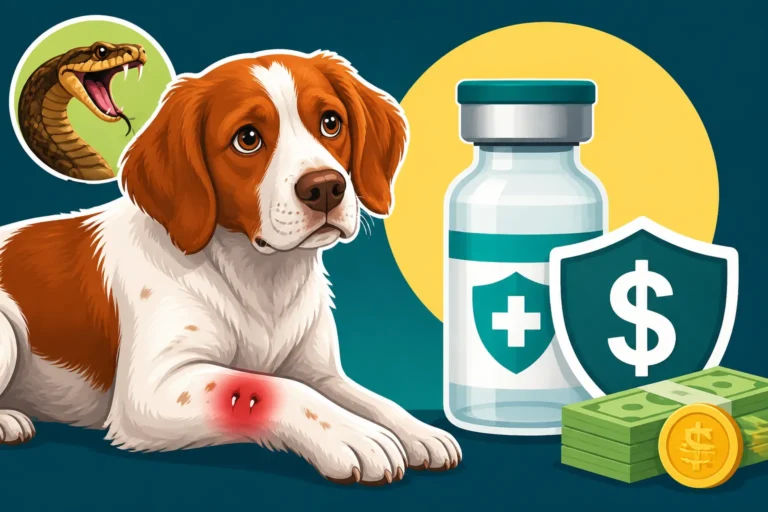
This is often the biggest unexpected expense for hunting dog owners. A Brittany is a driven dog, and in its enthusiasm, it can encounter hazards in the field. This might be anything from a minor cut on a sharp branch to a torn pad, a muscle strain, or a more serious encounter with wildlife, like a snake bite or porcupine quills. Each incident means a trip to the vet, and those bills can accumulate quickly.
A torn pad, for example, might require cleaning, bandaging, and possibly sutures, often necessitating time off from hunting for recovery. A deeper laceration might need surgical repair. Even something seemingly minor like an embedded foxtail can become a serious infection if not caught and removed promptly, leading to vet visits and medication. These are not just financial costs but also emotional ones, as you worry about your beloved hunting partner. This is where pet insurance can be a game-changer. Companies like Healthy Paws offer various plans that can help offset the cost of emergency veterinary care, making those unexpected events less financially crippling. Investing in pet insurance before the season starts is a wise decision for any serious hunting dog owner. What a Brittany's Field Injuries Cost in a Season delves into this topic further.
Insurance and Long-Term Wellness
Beyond immediate emergency care, considering pet insurance for your Brittany is a practical way to manage potential long-term health costs, especially for a working dog. Policies vary, but many cover accidents, illnesses, and sometimes even wellness visits. While it's a monthly premium, it can provide significant peace of mind when facing large vet bills from a hunting injury or an unexpected illness that surfaces during the season. Knowing that a portion of those expenses will be reimbursed can make difficult decisions about care much easier.
Remember that those twenty days are just a fraction of your Brittany's lifespan. The constant exertion, exposure to varying environments, and potential for injury can have cumulative effects on their health. Regular wellness exams, dental care, and appropriate senior care as they age are all part of the long-term financial commitment. While not directly tied to those twenty days of hunting, these costs are influenced by the active lifestyle you share with your Brittany. Investing in proper care throughout their life, possibly aided by an insurance plan, ensures your hunting partner remains healthy and happy for as long as possible. For more insights on financial planning, read What Insuring a Brittany Costs a Month.
Summary of Potential Expenses for Twenty Days on Wild Birds
To give you a clearer picture, here's a table outlining the types of costs you might encounter over twenty days of wild bird hunting with your Brittany, and how frequently they might arise. Remember, these are categories of expenses, and actual figures will vary greatly.
| Cost Category | Frequency (over 20 hunting days) | Typical Items Included | Notes |
|---|---|---|---|
| Pre-Season Prep | Annual/Ongoing | Performance dog food, supplements, vet check, vaccinations, parasite prevention | Building stamina and health; higher quality food costs more |
| Hunting Gear | Initial + Replacement | GPS collar, e-collar, whistle, check cord, orange vest, neoprene vest, boots, dog box | Essential for safety, control, and protection in the field |
| Training Aids | Ongoing (pre-season/in-season) | Training birds (pigeons, quail), bird launchers, dummy retrieves | Essential for skill maintenance and refinement |
| Licenses/Permits | Annual | State hunting license, bird stamps (federal/state) | Non-negotiable legal requirement |
| Travel | Per Trip | Fuel, lodging (motels, camping fees), vehicle wear & tear | Varies heavily with distance and duration of trips |
| Access Fees | Per Trip/Annual Membership | Guided hunt fees, private land lease fees, club dues | If hunting private land or using a guide |
| Ammunition | Per Trip | Shotgun shells for hunting and practice | Ongoing consumable expense |
| Field First Aid | As Needed | Bandages, antiseptics, paw balm, tick removers | Essential for immediate care of minor injuries |
| Emergency Vet Care | Unpredictable | Vet visits for cuts, strains, punctures, snake bites, foxtail removal | Can be significant; pet insurance can help manage costs |
| Post-Hunt Care | After Every Hunt | Special shampoo, ear cleaner, drying solutions, recovery supplements | Preventing infections and aiding muscle recovery |
| Dog Insurance | Monthly | Premiums for accident/illness coverage | Financial safety net for unforeseen vet bills |
Ultimately, spending twenty days on wild birds with your Brittany is a deeply rewarding experience, forging an incredible bond and creating lasting memories. Being realistic about the associated costs, from preventative care and quality gear to the potential for unexpected veterinary emergencies, allows you to prepare adequately and truly enjoy every moment in the field without unnecessary financial stress. The investment in your Brittany's health and readiness is an investment in countless unforgettable adventures.
Disclaimer
This article is for general informational purposes only and does not constitute professional advice. Laws, prices and regulations vary by location and change over time. Consult a qualified professional for guidance on your specific situation.