Whether a Started Brittany Is Worth the Price
For many aspiring Brittany owners, the dream of a well-trained hunting companion is strong, but the thought of starting from scratch with a wiggly, energetic puppy can feel daunting. The idea of a "started" Brittany – one that already has some foundational training – often sounds like a perfect solution, promising a shortcut to the field and a less stressful beginning. But the question naturally arises: is the increased price tag for a started dog truly worth the investment, or are you better off putting in the work yourself with a fresh puppy? This guide will explore what a started Brittany entails, the benefits and drawbacks, and how to make the best decision for your unique situation.
Understanding What a "Started" Brittany Entails
When you hear the term "started Brittany" in the gun dog world, it usually refers to a dog that has moved beyond basic puppyhood and received some formal training, but isn't yet a fully "finished" gun dog. This isn't a universally defined term, so what one breeder or trainer considers "started" might differ slightly from another. However, there are common elements you can generally expect.
Core Training Components of a Started Dog
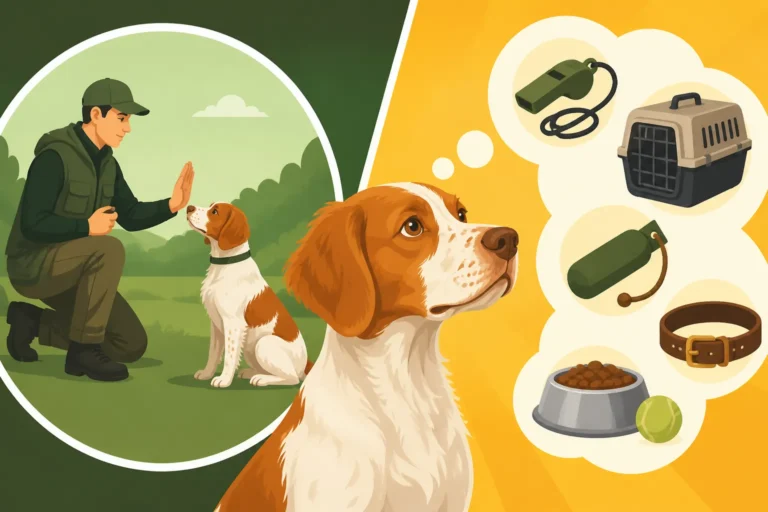
A started Brittany will typically have a solid grasp of basic obedience commands. This includes things like "sit," "stay," "come" (recall), and "heel" both on and off-leash. These are not just parlor tricks; they are crucial for safety and control in the field. Beyond basic manners, a started bird dog will have been introduced to birds, often live pigeons or quail, to awaken and develop its natural pointing instinct. They should show a strong desire to hunt and locate birds, and crucially, they should be "gun introduced." This means they've heard gunshots in a controlled, positive manner and are not gun shy. This foundational work takes significant time and expertise, which is a major factor in the higher price point.
Age and Development Stages
A Brittany typically qualifies as "started" when it's somewhere between 6 months and 1.5 years old. At 6 months, a puppy is typically past the most intense housebreaking phase and has developed some physical and mental maturity to absorb training. By 18 months, many Brittanys are ready for more advanced work, having solidified their core instincts. During this age range, a good trainer works with the dog's natural development, nurturing its bird drive and reinforcing obedience. You're buying a dog that has already demonstrated its potential and aptitude for bird work, taking some of the guesswork out of the equation.
The Advantages of Investing in a Started Brittany
There are compelling reasons why many hunters and families opt for a started Brittany, even with the higher initial financial outlay. The benefits often boil down to saving time, reducing uncertainty, and getting to the "fun part" of dog ownership and hunting sooner.
Significant Time Savings for the Owner
Let's be honest, training a puppy from scratch is a huge time commitment. It's not just the formal training sessions, but the constant supervision, housebreaking, socialization, and managing all that boundless puppy energy. A started Brittany, having already gone through many of these initial stages, liberates your schedule considerably. Imagine bypassing months of sleepless nights, chewed furniture, and frantic potty breaks. Instead, you can focus on bonding with your dog and refining its skills rather than building them from the ground up. For busy individuals or families, this time-saving aspect alone can make a started dog immensely appealing. It means you can potentially hit the field for your first season sooner, enjoying the fruits of someone else's labor.
Reduced Risk and Greater Predictability
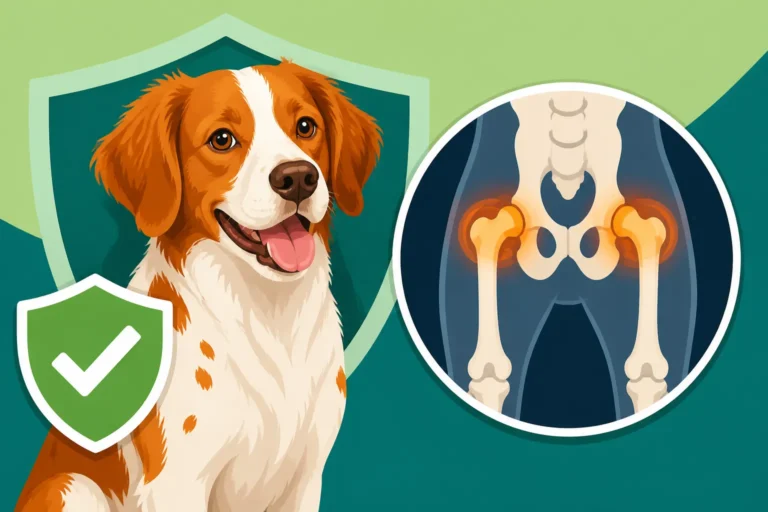
One of the biggest anxieties for new puppy owners is the "puppy lottery" – you never quite know what you're going to get in terms of temperament, health, or even bird drive until they mature. With a started Brittany, much of that uncertainty is removed. Their core temperament is established, their health history is clearer, and most importantly, their natural hunting instincts and biddability have been evaluated by a professional. You'll see if they point naturally, if they retrieve, and how they react to gunfire. A reputable breeder or trainer will also have performed the necessary health clearances, such as hip screenings, which are critical for an active hunting dog. You can often see the results of tests like those described in What Hip Screening Did for the Brittany Spaniel, giving you peace of mind about structural soundness. You're buying a known quantity, rather than a hopeful projection.
Faster Field Readiness and Earlier Enjoyment
For hunters, the primary draw of a Brittany is its performance in the field. A started dog is already well on its way to being a reliable hunting partner. They understand birds, they're not afraid of the gun, and they have basic control. This means you can spend your valuable hunting season hunting with your dog, rather than continuing basic obedience in the field. This is particularly beneficial for new bird dog owners who might feel overwhelmed by the prospect of training a raw puppy while also learning to hunt with a dog. You can leapfrog past many initial hurdles and enjoy the camaraderie of a hunting dog much sooner.
Fewer Puppy-Related Challenges
Beyond training, puppies come with a host of everyday challenges: housebreaking accidents, destructive chewing, boundless energy that needs constant redirection, and the need for intensive socialization. A started Brittany has likely mastered house manners, is past the worst of the teething phase, and has a more developed attention span. While every dog will have an adjustment period in a new home, the transition with a started dog is often smoother than with a young puppy. You're adopting a dog that can integrate into your home with fewer of the typical "puppy problems," making the experience less stressful for everyone involved. For example, a well-started dog will have a better recall, making walks more enjoyable and safe, as discussed in detail in guides like Teaching a Brittany Whoa, which covers crucial control commands.
The Drawbacks and Potential Pitfalls
While the allure of a started Brittany is strong, it's crucial to consider the downsides before making such a significant investment. There are valid reasons why a started dog might not be the best fit for every owner, and understanding these can help set realistic expectations.
Higher Initial Financial Investment
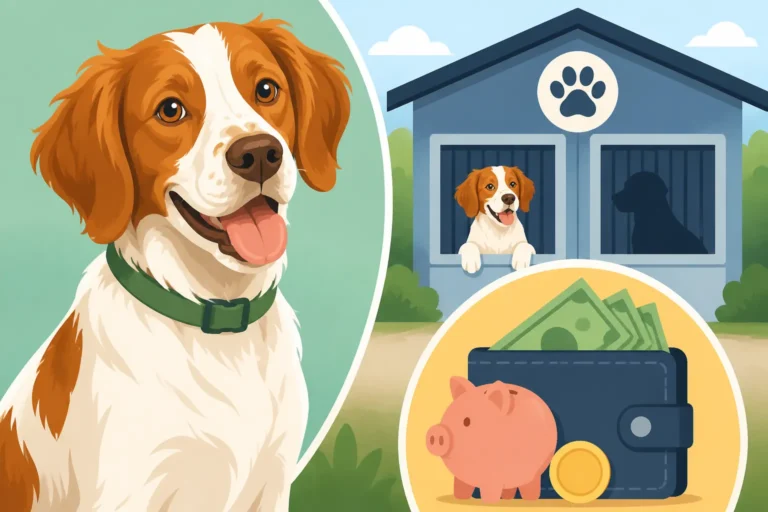
Let's not beat around the bush: a started Brittany will cost significantly more upfront than a young puppy. The price reflects the time, expertise, and resources the breeder or trainer has poured into the dog. This includes thousands of hours of training, the cost of birds for exposure, food, veterinary care, and overhead. While a Brittany puppy from a reputable breeder might range in price, a started dog could easily be several times that amount. It's an investment, and you need to ensure your budget can comfortably accommodate it. Always ask for a clear breakdown of what the price includes and what ongoing costs you can expect. This higher upfront cost can be a barrier for some, even if they recognize the value. Check directly with breeders and professional trainers for their current pricing structures, as these figures can fluctuate. Consider what What a Brittany Puppy Costs From a Breeder covers versus the added value of a started dog.
Missing Out on Early Bonding and Foundation Building
One of the most rewarding aspects of dog ownership is raising a puppy from a very young age and forging that deep bond through early training and shared experiences. When you acquire a started dog, you miss out on those crucial first months. The dog has already formed a primary attachment with its trainer, and while it will certainly bond with you, it's a different dynamic. You're stepping into an established routine and personality, rather than shaping it from the ground up. This can sometimes mean it takes longer for the dog to see you as its primary handler, requiring extra effort to build that deep connection and loyalty. This isn't to say you won't bond, but the nature of that initial relationship is different.
Potential for Unknown History or Training Methods
While most reputable trainers are transparent, you don't always know every detail of a started dog's life before it came to you. Were there any setbacks? How were corrections applied? Were there any negative experiences that might surface later? Every dog responds differently to training styles, and a style used by the trainer might not perfectly align with yours. This can lead to potential confusion for the dog as it adjusts to a new handler and new expectations. For a sensitive breed like the Brittany, which is often described as "soft," inconsistencies in training can sometimes cause setbacks. Understanding How Sensitive a Brittany Is to Correction is vital when taking on a dog with previous training. Furthermore, while the trainer provides a foundation, you're ultimately responsible for its continued development, which might include specific commands like Teaching a Brittany Whoa.
Transition Challenges and Adjustment Period
Moving to a new home is a big deal for any dog, let alone one that's been in a consistent training environment. A started Brittany will need time to adjust to your home, your family, your routine, and your unique communication style. There can be a regression in house manners, a temporary dip in obedience, or general anxiety as they settle in. It's not uncommon for a dog to "test the waters" in a new environment. Be prepared for a period of adjustment where you might need to reinforce commands the dog already knows. Patience and consistency are paramount during this phase.
Evaluating a Started Brittany: Making an Informed Decision
Deciding whether a started Brittany is the right choice for you requires careful consideration and thorough evaluation. It's not just about the price tag, but about finding the right canine partner to fit your lifestyle and hunting ambitions.
Observe the Dog in Action and Assess Skills
This is non-negotiable. You absolutely must see the started Brittany work birds in a simulated field environment. Watch how it covers ground, how it finds and points birds, and how it responds to the gun. Does it hold point steadily? Does it retrieve eagerly? Does it respond promptly to the trainer's commands, especially recall? If possible, observe it for an extended period, perhaps over multiple sessions, to get a true sense of its consistency and focus. A dog that looks great for five minutes might not maintain that level of performance over an hour. This hands-on evaluation is paramount to ensure the dog's skills align with your expectations.
Interview the Breeder or Trainer Extensively
Don't be shy about asking questions. A good breeder or trainer will welcome your curiosity and be eager to share details about their dogs and training philosophy. Ask about the specific training curriculum, what methods they use (positive reinforcement, e-collars, etc.), and how they handle challenges. Inquire about the dog's daily routine, its personality quirks, and any specific areas where it might need continued work. Ask about the dog's pedigree, health clearances for the parents, and any genetic testing, such as for C3 deficiency, as mentioned in Whether a DNA Test for Brittany C3 Deficiency Exists. A responsible trainer will have a deep understanding of each dog's individual traits. This conversation is also your opportunity to explain your hunting style and expectations to ensure a good match. Consider asking about common issues like those described in What a Brittany Is Most Often Allergic To for overall health insight.
Health Clearances and Temperament Assessment
Beyond seeing the dog work, verify all health clearances. Reputable breeders and trainers will readily provide documentation for hip and elbow evaluations (like OFA), eye certifications, and any genetic tests relevant to the breed. A comprehensive health panel is crucial for ensuring a long, active life with your dog. You can learn more about these requirements in What a Brittany Spaniel Breeder Should Have Tested.
Furthermore, spend time interacting with the dog in a non-field setting. Does it have a pleasant, biddable temperament? Is it comfortable with strangers? How does it react to being handled? Remember, this dog will be a family member, not just a hunting tool. A sweet, well-adjusted temperament is just as important as its field skills. For many new owners, determining Whether a Brittany Suits a First Time Owner is heavily influenced by the dog's temperament and existing training.
Considering a Trial Period or Continued Training
Some trainers might offer a short trial period, allowing you to take the dog home for a few days to see how it integrates with your family and routine. While rare, this can be invaluable. If a trial isn't possible, discuss options for continued support or follow-up training with the original trainer. This can help smooth the transition and address any issues that arise once the dog is in your home. Even a started dog will benefit from ongoing training and conditioning. For example, What a Brittany's Yearly Bloodwork Should Cover will be an important part of its health routine no matter where it came from.
Also, be prepared for the ongoing costs of dog ownership. While the initial training is done, you'll still have food, vet visits, and potentially more gear. Companies like Chewy offer a vast array of supplies, from premium kibble to training tools. For specialized diets, brands like Ollie can provide high-quality, customized fresh food options, which are especially beneficial for active dogs that need a lot of fuel. Don't forget the importance of health insurance; providers like Healthy Paws can help cover unexpected veterinary bills, which can add up quickly, especially with an active hunting dog prone to field injuries. Understanding What a Brittany Costs Per Month and How Much a Working Brittany Eats in Season are important financial considerations.
Here's a quick comparison to help you weigh your options:
| Feature | Puppy Brittany | Started Brittany |
|---|---|---|
| Initial Cost | Lower | Significantly higher (reflects training investment) |
| Time Investment | Very High (extensive initial training needed) | Moderate (reinforcement, continued advanced training) |
| Field Readiness | Long-term (1.5 – 2+ years of training) | Shorter (can often hunt the first season) |
| Predictability | Lower (temperament, drive develop over time) | Higher (known temperament, proven bird drive) |
| Bonding | Built from scratch, deeper early connection | Established bond with trainer, new bond with owner |
| Challenges | Housebreaking, chewing, intense socialization | Adjustment to new home, reinforcing existing commands |
| Trainer Role | You are the primary trainer | Trainer provides foundation, you take over |
Ultimately, the decision of whether a started Brittany is worth the price comes down to your individual circumstances, budget, and priorities. If you have limited time, want to hit the field quickly, and prefer a more predictable outcome, a started dog can be an excellent investment. However, if you relish the journey of raising and training a dog from scratch, have the time and patience, and enjoy shaping your companion's every move, a puppy might be more fulfilling. Either way, thorough research and communication with reputable breeders and trainers are key to finding the perfect Brittany for you.
Disclaimer
This article is for general informational purposes only and does not constitute professional advice. Laws, prices and regulations vary by location and change over time. Consult a qualified professional for guidance on your specific situation.