What Changes in a Brittany After Ten
It’s a bittersweet moment when you realize your once-boundless Brittany Spaniel, who seemed to have endless puppy energy just yesterday, is now officially entering their senior years. The truth is, ten years old often marks a turning point for our beloved Brittanys, and while they might still have that spark in their eyes and a zest for a good hunt, their bodies and minds are quietly starting to shift. This guide is here to help you understand what those changes look like, so you can best support your loyal companion through their golden years, ensuring they remain comfortable, happy, and cherished.
The Subtle Physical Shifts You'll Start Noticing
Just like us, our Brittanys experience a range of physical transformations as they age. These aren't always dramatic overnight changes; often, they're subtle, creeping in slowly until one day you realize your dog isn't quite as agile or keen-sighted as they once were. It’s important to pay close attention to these nuances, as early detection can make a big difference in their comfort and quality of life.
The Greying Muzzle and Changing Coat
One of the most obvious signs of aging, and often the first we notice, is the appearance of grey hairs. This usually starts around the muzzle, eyes, and sometimes across the forehead, giving your Brittany a distinguished, wise look. But beyond the aesthetics, their coat itself can change. You might find that your Brittany's coat becomes a little coarser, or perhaps even thinner in some areas. Their beautiful feathering might not be as luxuriant as it once was, and you might even notice a subtle change in texture. For a deeper dive into these changes, you might find "What an Aging Brittany's Coat Looks Like" particularly helpful. This isn't just about looks; changes in coat can sometimes indicate underlying health issues, or simply mean their skin is becoming drier or more sensitive, requiring a different approach to grooming. Regular, gentle brushing becomes even more important to help stimulate circulation and distribute natural oils, keeping their skin and coat as healthy as possible.
A Decline in Sensory Abilities: Sight and Hearing
It’s heartbreaking to realize your Brittany might not see or hear you quite as well as they used to. Older Brittanys frequently experience a decline in both vision and hearing. You might notice them bumping into furniture in dim light, or being startled when you approach them from behind. Their once laser-sharp focus on a distant bird might waver. This isn't always outright blindness or deafness, but often a gradual reduction in acuity. The lenses of their eyes might start to look a little cloudy, a condition known as lenticular sclerosis, which is often a normal part of aging and doesn't usually impair vision significantly. However, it's crucial to have any sudden or significant changes in vision checked by your vet, as it could also be a sign of more serious conditions like glaucoma or cataracts. For Brittanys experiencing hearing loss, you might have to speak louder, or use hand signals more frequently. Discovering the signs of hearing loss is key, and you can learn more by reading about Deafness in an Aging Brittany. It’s a frustration, for sure, when they don’t respond to commands they’ve known their whole lives, but understanding it’s not defiance, but a physical limitation, helps us adjust our interactions with patience and kindness.
Mobility Challenges: Stiffness and Slower Movement
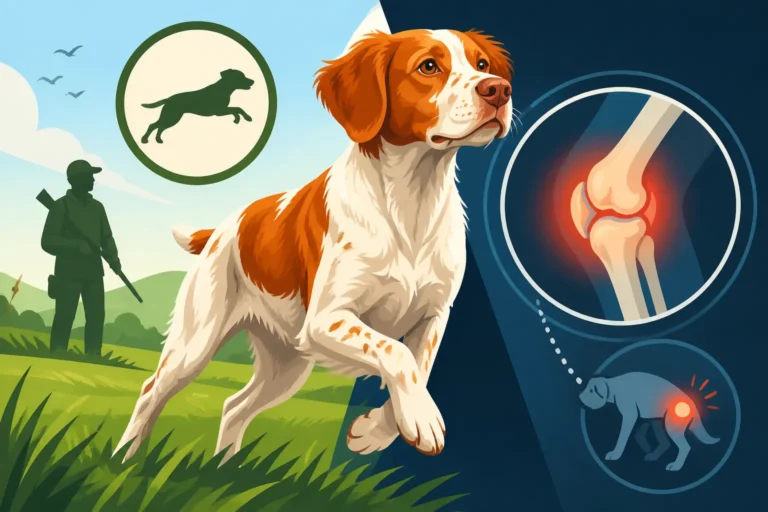
The vibrant, spring-loaded gait of a younger Brittany often gives way to a more measured, stiff movement in their senior years. Getting up from a nap might take a little longer, climbing stairs might become a struggle, and jumping into the truck that was once a joy might now require assistance. This is often due to arthritis, a common ailment in older dogs, where the joints become inflamed and painful. You might notice them favoring a limb, or generally being less enthusiastic about long walks or intense play sessions. It’s a common misconception that if a dog isn't limping severely, they aren't in pain. Brittanys are notoriously stoic, and they often hide pain quite well, so subtle changes in movement or behavior are often the only clues. Regular, moderate exercise, comfortable bedding, and anti-inflammatory medications or supplements prescribed by your vet can make a world of difference. Understanding "How a Brittany Hides Pain" can help you be more observant of these subtle signs.
Changes in Energy and Temperament: A Different Kind of Brittany
Beyond the physical, your senior Brittany's inner world can also undergo changes. Their energy levels, sleep patterns, and even their cognitive function might shift, presenting a different facet of the dog you've known for so long.
Waning Energy and Increased Sleep
Remember those days when your Brittany would run circles around you for hours on end, seemingly powered by an invisible spring? As they age past ten, that boundless energy typically begins to wane. They'll likely prefer shorter, less strenuous walks, and might not be as eager for a full day in the field. Naps become longer and more frequent, and they might seem to sleep more soundly, sometimes even missing household activity they would have instantly perked up for in their younger years. It’s natural to feel a pang of sadness seeing their energy decrease, but it's important to respect their new limits. Pushing an older dog too hard can lead to discomfort or injury. Instead, focus on quality over quantity: shorter, more frequent outings, and perhaps gentler games of fetch. This change in activity levels also often means they require fewer calories, which links to "Whether an Aging Brittany Needs Fewer Calories."
Cognitive Changes and Canine Dementia
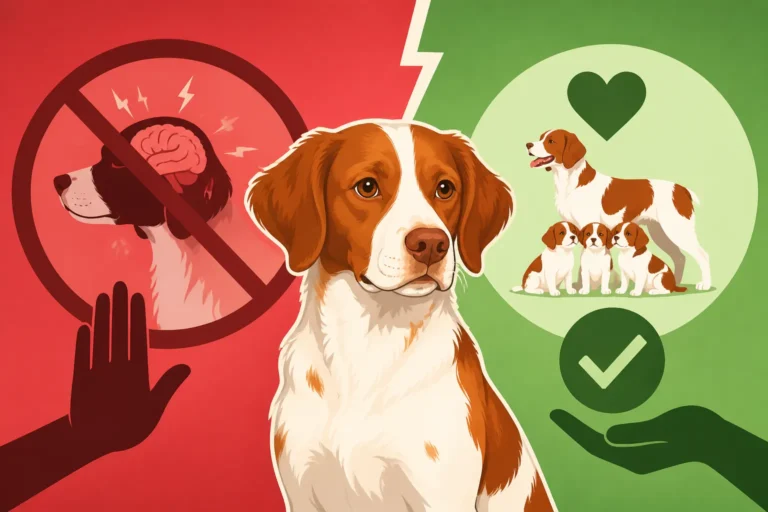
Just like people, dogs can experience cognitive decline as they age. This is sometimes referred to as Canine Cognitive Dysfunction (CCD) or canine dementia. It can manifest in various ways: your Brittany might seem disoriented in familiar surroundings, stare blankly at walls, forget house-training rules, or have altered sleep-wake cycles, leading to restlessness at night. They might also show changes in interaction, becoming more withdrawn or, conversely, more clingy. It’s frustrating and confusing when your dog acts unlike themselves, but remember it’s not intentional. Providing a consistent routine, familiar surroundings, and mental stimulation through puzzle toys or gentle training can help manage CCD symptoms. Certain dietary supplements and prescription medications are also available, so it's worth discussing any concerns with your veterinarian.
A Shift in Social Interaction and Emotional Needs
Some Brittanys become more withdrawn in their senior years, preferring quiet solitude to boisterous play. Others might become clingier, seeking more comfort and reassurance from their human companions. They might also become less tolerant of boisterous young children or other pets, simply because their patience wears thin, or their aches and pains make them less resilient to rough play. This isn't a sign of aggression, but often a plea for peace and quiet. It's crucial to respect these new boundaries and create a safe, calm space for your senior Brittany. They still thrive on companionship and love, but it might be expressed through gentle snuggles on the couch rather than a vigorous game of chase. For more insight into their continued desire for activity, you can check out "Whether an Aging Brittany Still Wants to Hunt."
Navigating Health Challenges in Their Golden Years
As our Brittanys age, the likelihood of various health issues increases. Being proactive and vigilant about their health is paramount. Regular veterinary check-ups become even more critical to catch potential problems early.
The Inevitability of Arthritis and Joint Pain
As mentioned earlier, arthritis is a widespread concern for senior Brittanys. Years of running, jumping, and hunting take their toll on joints. While we can’t reverse aging, we can certainly manage the pain and discomfort associated with arthritis. Your vet might recommend a combination of non-steroidal anti-inflammatory drugs (NSAIDs), joint supplements like glucosamine and chondroitin, physical therapy, or even alternative therapies such as acupuncture. Providing orthopedic beds, ramps to help them get into vehicles or onto furniture, and keeping their weight healthy can all contribute to easing joint stress. This is where financial planning for veterinary care can really come in handy, and many pet parents find peace of mind with options like Healthy Paws pet insurance, which can help cover unexpected costs associated with chronic conditions like arthritis.
Increased Risk of Organ Disease
Kidney disease, heart disease, and liver issues are more common in older dogs. Regular bloodwork and urinalysis during senior check-ups are vital for early detection. Many of these conditions can be managed with specific diets, medications, and lifestyle adjustments, significantly extending your Brittany's comfortable lifespan. For example, a prescription diet can slow the progression of kidney disease, while heart medications can manage cardiac conditions. Monitoring their appetite, thirst, and urination habits can provide crucial early clues. A sudden increase in thirst or urination, for instance, should always warrant a vet visit.
Cancer: A Common Senior Threat
Sadly, cancer is a leading cause of death in older dogs. Brittanys, like many breeds, are susceptible to various forms of cancer. This can include anything from easily visible skin masses to internal tumors. Regular comprehensive physical exams by your veterinarian are your first line of defense, as they can often detect lumps, bumps, or other abnormalities that might not be immediately obvious to you. Learn "How to Check a Brittany for Lumps" to be a proactive partner in their health. Any new lump or bump, changes in existing ones, unexplained weight loss, lethargy, or changes in appetite should be investigated promptly. Early diagnosis and treatment are often key to successful outcomes.
Endocrine Disorders: Thyroid and Adrenal Issues
Hypothyroidism, where the thyroid gland doesn't produce enough hormones, is another condition more prevalent in senior Brittanys. Signs can be subtle: weight gain despite no change in diet, lethargy, a dull or thinning coat, and intolerance to cold. A simple blood test can diagnose it, and medication can effectively manage it. Other endocrine issues, while less common, can also arise. If you notice any unexplained changes in your Brittany's energy, weight, coat, or thirst, discuss it with your vet. Regular monitoring through annual senior blood panels is essential to catch these issues before they become debilitating.
Adapting Your Routine and Environment for a Senior Brittany
Supporting a senior Brittany means making thoughtful adjustments to their daily life. It’s about creating an environment where they can thrive, despite their physical and mental changes.
Tailoring Exercise and Mental Stimulation
While their energy levels might decrease, senior Brittanys still need exercise and mental engagement. The key is adaptation. Replace long, strenuous runs with shorter, more frequent walks. Consider gentler activities like sniffing games in the yard or a slow swim in a warm pool if their joints allow. Mental stimulation is just as important as physical. Continue with short, positive training sessions, teaching new tricks, or practicing old ones. Puzzle toys filled with treats can keep their minds sharp and prevent boredom. Remember, an aging Brittany still needs purpose. If they’re used to hunting, consider whether "Whether an Aging Brittany Still Wants to Hunt" aligns with their current physical capabilities, perhaps scaling back to shorter, less demanding trips.
Adjusting Diet and Nutritional Needs
As your Brittany ages, their metabolism slows down, and their nutritional requirements change. They might need a diet lower in calories to prevent weight gain, especially if their activity levels have decreased. However, if they are losing muscle mass, they might need a diet with appropriate protein levels. Many senior dog foods are formulated with ingredients that support joint health, cognitive function, and organ health. Consulting with your veterinarian about the best diet for your individual Brittany is crucial. They can help you determine if your dog needs a specific senior formula, or if supplements would be beneficial. It's also worth thinking about "Whether an Aging Brittany Needs Softer Food" if they start having dental issues.
Prioritizing Regular Veterinary Care
This cannot be stressed enough: regular, comprehensive veterinary check-ups are the cornerstone of senior Brittany care. Instead of annual visits, your vet might recommend twice-yearly appointments to monitor their health more closely. These visits will typically include a thorough physical exam, bloodwork to check organ function, and urinalysis. Your vet can also assess for signs of arthritis, dental disease, and cognitive decline. This proactive approach allows for early intervention, often leading to better outcomes and a higher quality of life. Thinking ahead about these costs is wise, and many pet insurance plans, like those from Healthy Paws, offer excellent coverage for senior care needs, helping you make the best decisions without financial strain being the primary factor.
Creating a Comfortable and Safe Home Environment
Small changes around your home can make a big difference for your aging Brittany.
- Comfortable Bedding: Provide orthopedic beds in several easily accessible locations, offering support for aching joints.
- Accessibility Aids: Ramps or steps can help them get onto furniture, into the car, or navigate stairs more easily, reducing strain and preventing falls. Consider "Whether an Aging Brittany Needs Help Into the Truck."
- Non-Slip Surfaces: If you have hardwood or tile floors, consider placing runners or rugs to provide better traction, preventing slips and falls.
- Consistent Routine: For Brittanys experiencing cognitive decline, a predictable daily routine can reduce anxiety and confusion.
- Temperature Regulation: "Whether an Aging Brittany Feels the Cold More" is a real concern. Provide extra blankets in colder months and ensure they have access to cool, shady spots in warmer weather, as their ability to regulate body temperature might diminish.
By understanding and adapting to these changes, you can ensure your senior Brittany continues to feel loved, safe, and comfortable, enjoying their golden years right by your side.
| Common Senior Brittany Changes | What You Might Observe | Potential Action/Consideration |
|---|---|---|
| Physical | Greying muzzle, coarser/thinner coat | Gentle grooming, vet check for skin issues |
| Cloudy eyes, reduced response to sound | Vet check for cataracts/glaucoma, use hand signals/louder voice | |
| Stiffness, slower movement, difficulty rising | Vet for arthritis diagnosis/management, orthopedic beds, ramps | |
| Weight changes (gain or loss) | Discuss diet changes with vet, monitor caloric intake | |
| Behavioral | Increased sleeping, less enthusiasm for activity | Shorter, more frequent walks, respect limits |
| Disorientation, house-soiling, altered sleep | Vet for CCD diagnosis, consistent routine, mental stimulation | |
| More withdrawn or clingy | Provide quiet space, extra comfort, gentle interaction | |
| Health | New lumps/bumps, persistent cough, changes in appetite | Prompt vet visit for evaluation, regular health screenings |
| Increased thirst/urination, lethargy | Vet check for kidney disease, diabetes, or other organ issues | |
| Dull coat, unexplained weight gain/loss | Vet for thyroid check, discuss full senior blood panel |
Disclaimer
This article is for general informational purposes only and does not constitute professional advice. Laws, prices and regulations vary by location and change over time. Consult a qualified professional for guidance on your specific situation.