Why a Brittany Cuts Its Pads on Stubble
There's nothing quite like watching your Brittany, a picture of boundless energy and grace, cover ground in a stubble field. But that heart-stopping moment when they suddenly pull up, favoring a paw, or you notice a tell-tale smear of red on their track, fills every bird dog owner with dread. Stubble fields, while prime habitat for game birds, are also notorious for tearing up our beloved dogs' sensitive paw pads. This guide will walk you through why these seemingly innocuous fields cause such damage, how to prevent it, and what to do when your Brittany inevitably suffers a cut.
The Unseen Dangers of Stubble Fields for Brittany Paws
Stubble fields, for all their hunting potential, are veritable minefields for canine paws. What might look like harmless, dried-out plant matter to us can become razor-sharp obstacles for a fast-moving Brittany. Understanding why these fields are so dangerous is the first step in protecting your hunting partner.
The Abrasive Nature of Post-Harvest Terrain
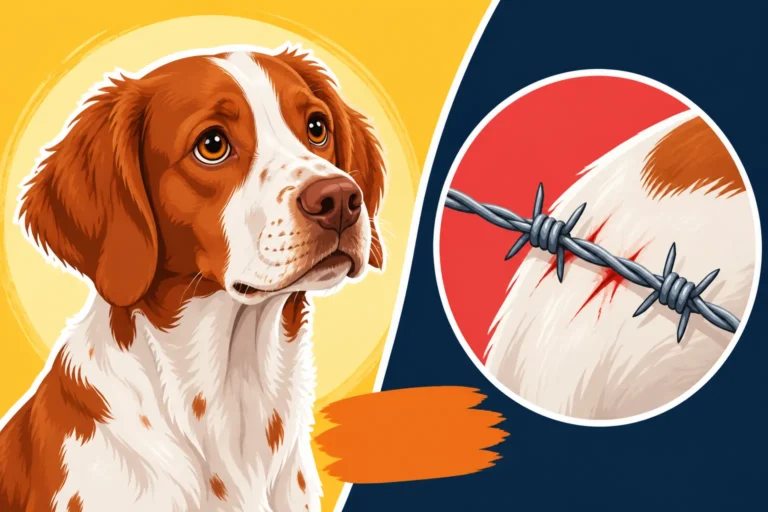
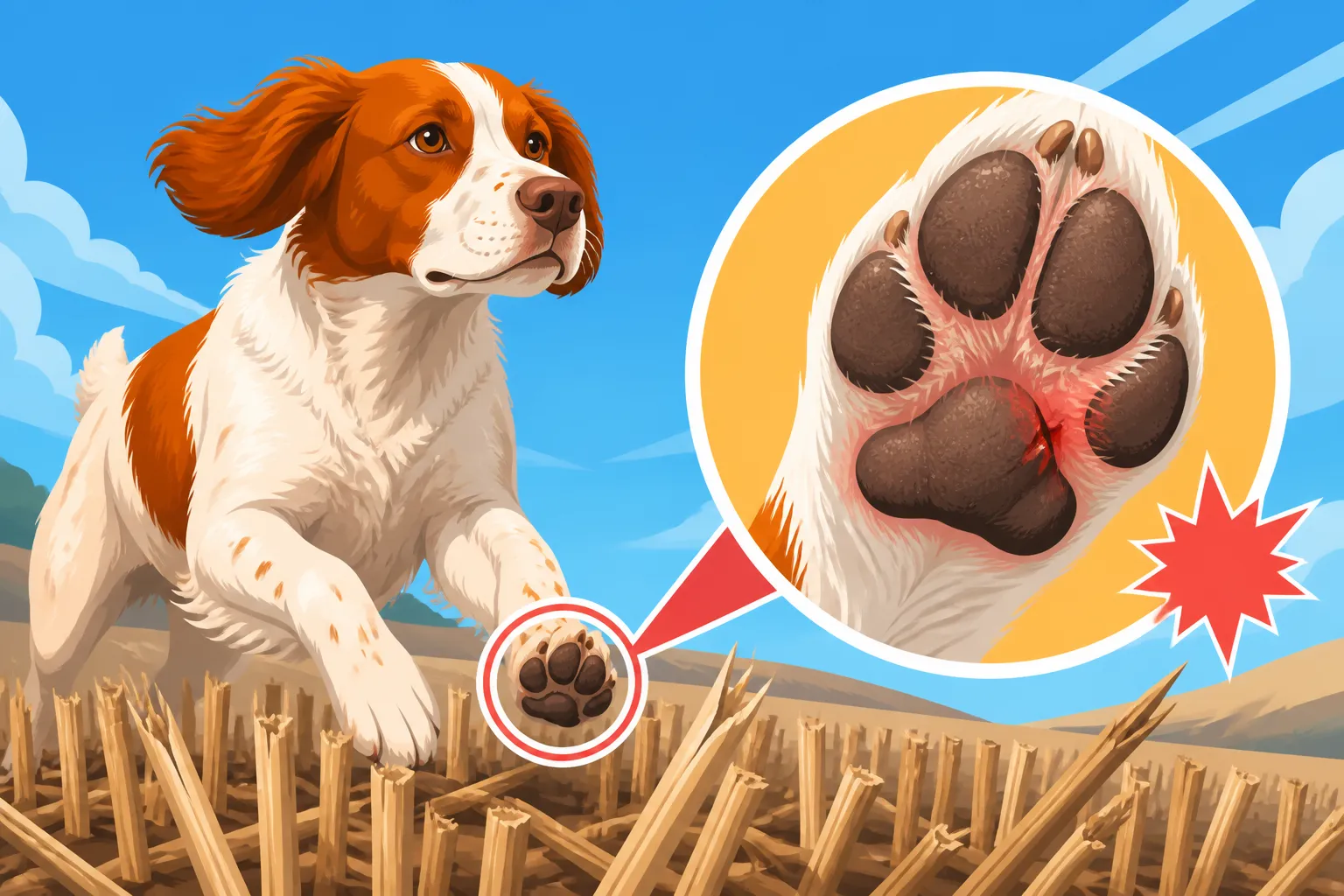
After crops like corn, wheat, or soybeans are harvested, what's left behind isn't soft earth. Instead, you get a field littered with tough, desiccated stalks and plant remnants. Imagine walking barefoot across a field of broken toothpicks and tiny knives – that's often what your Brittany's pads are contending with at speed.
These stubble pieces are typically rigid and sharp, especially the remnants of corn stalks or thick wheat stems that have dried and hardened in the sun. As your Brittany covers ground, their pads are subjected to constant friction and impact from these unyielding materials. It's not just sharp points, either; the abrasive texture can simply wear down the protective outer layer of the pad over time, making it more susceptible to cuts and tears. On top of that, the ground itself can be harder than usual after a dry spell, offering less cushioning and increasing the force of impact on each stride. A Brittany's natural enthusiasm means they often don't slow down, even as their paws take a beating, driven by their intense bird drive.
Specific Culprits: Corn, Wheat, and Soybean Stubble
While all stubble presents a risk, some types are definitely worse than others. Each crop leaves behind a unique kind of danger for our dogs' feet.
- Corn Stubble: This is often the worst offender. Corn stalks are thick, woody, and shatter into incredibly sharp, jagged pieces when broken or cut by harvesting machinery. These shards can be like daggers, easily puncturing or lacerating a paw pad. Even if they don't cause a deep cut, the sheer size and rigidity of corn stubble can lead to deep bruises or significant abrasions.
- Wheat and Other Small Grain Stubble: While not as thick as corn, wheat stubble can be extremely dense and surprisingly sharp, especially at an angle. The sheer volume of sharp, fine stalks can cause a multitude of small nicks and cuts, which can add up to a very sore, irritated paw. These fields also tend to harbor more insidious threats like foxtails, which can burrow between toes and cause abscesses.
- Soybean Stubble: Soybean stubble tends to be shorter and less woody than corn or wheat, but it can still be quite tough and abrasive. The smaller, stiffer stems can act like tiny, blunt knives, causing significant wear and tear, and sometimes even sharp cuts if a stalk catches the pad just right.
Knowing what kind of field you're heading into can help you prepare. If it's a freshly cut corn field, you know you're in for a high-risk situation for those precious paws. It’s also important to remember that these fields often have hidden rocks or other debris that harvesting equipment might have unearthed, adding another layer of danger.
Common Paw Pad Injuries from Field Work
When your Brittany is ranging through dense cover or galloping across a stubble field, their paws are constantly exposed to potential injury. These aren't just minor scrapes; they can range from painful surface abrasions to deep, debilitating lacerations.
Superficial Cuts and Abrasions
These are probably the most common types of injuries you'll see. A superficial cut might just be a small nick or a thin slice on the pad's surface. Abrasions are more like road rash, where the rough stubble has rubbed away layers of skin.
Think of it like this: your Brittany is tearing through a field, full of focus. Suddenly, a sharp piece of wheat stubble, or perhaps a particularly abrasive corn stalk, scrapes across their pad. It might not be deep, but it's enough to break the skin. You might not even notice it immediately, especially with an enthusiastic dog determined to find birds. Later, back at the truck, you might see a tiny smear of blood or a pinkish-red raw spot on the pad. These kinds of injuries, while not as dramatic as deep lacerations, are still painful. They can lead to limping, make your dog hesitant to put weight on the paw, and, if not cleaned properly, can become infected. Moreover, repeated superficial trauma over a season can lead to toughened, but also often cracked, pads, which are even more prone to deeper injuries. For this reason, it's vital to know How Often a Brittany's Pads Should Be Checked after every outing.
Deep Lacerations and Punctures
These are the injuries that truly cause alarm, demanding immediate attention. A deep laceration is a significant cut that goes through multiple layers of the pad, potentially exposing deeper tissues or even tendons. Punctures occur when a sharp object, like a piece of stiff stubble or a hidden nail, pierces deep into the paw.
Imagine your Brittany making a hard turn at speed, planting a paw on a particularly sharp, jagged piece of corn stalk. The force and sharpness combine, and instead of a scrape, the pad is sliced open. You'll likely see more significant bleeding, and your dog will almost certainly be limping severely, possibly holding the paw completely off the ground. These cuts can be surprisingly wide and deep, gape open, and be extremely painful. Punctures are tricky because the entrance wound might be small, but the foreign object could have traveled deep into the paw, introducing bacteria and potentially causing internal damage that isn't immediately visible. Removing How to Find a Foxtail on a Brittany is one example of dealing with a hidden foreign object, but other things can embed themselves. Both deep lacerations and punctures carry a high risk of infection and can take a considerable amount of time to heal properly, potentially sidelining your Brittany for weeks. How to Close a Brittany's Field Laceration outlines emergency steps for more serious cuts.
Proactive Measures to Safeguard Your Brittany's Paws
Preventing paw pad injuries is always better than treating them. As dedicated Brittany owners, we want our dogs in peak condition and safe in the field. There are several proactive steps you can take to minimize the risk of cuts and abrasions.
Conditioning and Toughening Paw Pads
Just like a human athlete prepares their body, a working Brittany needs its paws conditioned for the rigors of hunting season. Strong, resilient paw pads are your first line of defense.
Start conditioning your Brittany's paws well before opening day. Gradually introduce them to varied terrains, including gravel roads, concrete, and rough fields. Don't go from zero to sixty; a sudden increase in hard-surface activity can do more harm than good, causing cracks or immediate injury. Short walks on tougher surfaces, slowly increasing duration and intensity over weeks, will help pads thicken and toughen naturally. Think of it as building calluses. Ensure your Brittany maintains a healthy weight; excess weight puts more strain on their pads. Good nutrition, including adequate protein and healthy fats, also plays a role in overall skin and pad health. Supplements like fish oil (omega-3 fatty acids) can improve skin elasticity and reduce inflammation, contributing to healthier, more pliable pads. Even with conditioning, a very hard season can lead to How Much Weight a Brittany Drops in a Hard Season, so keep an eye on their overall condition.
Utilizing Protective Gear: Boots and Balms
Even the toughest pads sometimes need extra help, especially in notoriously rough terrain or for dogs prone to paw issues. This is where protective gear comes in.
Dog boots are perhaps the most direct way to protect paws. There's a wide range available, from lightweight, breathable options for mild conditions to heavy-duty, reinforced boots for extreme stubble or icy conditions. Brands like Ruffwear and Muttluks are popular choices known for their durability and fit. The key is to introduce boots gradually, starting with short periods indoors to get your Brittany accustomed to them before hitting the field. Many dogs initially walk funny, like they have clown shoes on, but with patience and positive reinforcement (treats!), most will adapt. A snug, but not too tight, fit is crucial to prevent rubbing and ensure they stay on during vigorous activity. Consider a brand like Lewis Dog Boots for something specifically designed for hunting conditions.
Paw balms and waxes, such as Musher's Secret or Bag Balm, offer another layer of protection. These products create a breathable barrier on the paw pads, helping to moisturize, prevent cracking, and provide some protection against abrasions and extreme temperatures. Apply them regularly, especially before and after hunts, massaging them into the pads. While they won't stop a deep laceration from a corn stalk, they can significantly reduce friction burns and prevent the small cracks that can escalate into larger problems. They also help keep the pads supple, which can make them more resilient. Applying a good paw balm can be a great routine during What to Do With a Brittany After Every Hunt.
Here's a comparison table for common paw protection methods:
| Protection Method | Pros | Cons | Best Use Case |
|---|---|---|---|
| Paw Conditioning | Builds natural resilience, cost-effective | Time-consuming, not 100% protective, requires consistency | Long-term paw health, mild to moderate terrain |
| Paw Balms/Waxes | Moisturizes, prevents cracks, light abrasion protection, easy to apply | Not effective against deep cuts/punctures, needs frequent reapplication | Preventing chapping, minor abrasion, hot/cold weather |
| Dog Boots | Excellent physical barrier against cuts/punctures, protects from extreme temperatures | Can be cumbersome, dogs may resist, fit issues, can wear out | Heavy stubble, rocky terrain, snow/ice, known hazards |
Field Inspection and Route Planning
Sometimes, the best protection is smart planning and vigilance. Before you even unleash your Brittany, take a moment to assess the field.
Walk a small perimeter of the area if possible. Look for particularly dense patches of sharp stubble, discarded farm equipment, or other obvious hazards. If you see areas that are clearly high-risk, consider adjusting your hunting route to avoid them. Sometimes, a field might have different harvest methods or crop types in different sections, leading to varying levels of stubble severity. A short, five-minute scout can save your Brittany from a significant injury. This is especially true for How Grass Seeds Get Into a Brittany's Ear and Where a Foxtail Lodges in a Brittany. After the hunt, always perform a thorough check of your Brittany's paws, between the toes, and up their legs for any signs of injury or embedded debris. This diligence is part of The Gear a Brittany Needs Before Its First Bird – a good first-aid kit is essential.
First Aid and Ongoing Care for Cut Pads
Even with the best preventative measures, a working Brittany might still suffer a paw pad injury. Knowing how to react quickly and provide appropriate care is crucial for their comfort and rapid recovery.
Immediate Field Treatment for Minor Cuts
When you notice your Brittany favoring a paw or see blood, don't panic. Take a deep breath, call your dog to you, and assess the situation.
For minor cuts or abrasions – those that aren't gushing blood or gaping open – the first step is to clean the wound. Carry a small bottle of saline solution or clean water in your field first-aid kit. Gently rinse away any dirt, debris, or dried blood. If you have antiseptic wipes, carefully clean around the wound. A small, clean cloth or gauze pad can be used to apply gentle pressure if there's minor bleeding. Once clean, you can apply a thin layer of an antiseptic ointment (like Neosporin, but ensure it's safe for dogs if ingested) to help prevent infection. Finally, protect the wound by wrapping the paw. A non-stick sterile pad over the cut, secured with a self-adhering wrap like VetWrap, works well. Don't wrap too tightly, as this can restrict blood flow; you should be able to slide a finger easily under the wrap. The goal here is to keep the wound clean and protected until you can get back home for a more thorough examination. If the bleeding doesn't stop, or the cut is deeper than it initially appeared, it’s time for an immediate trip to the vet. For more severe injuries, How to Close a Brittany's Field Laceration provides useful first aid.
When to Seek Veterinary Attention
Not all paw injuries can be handled with home first aid. Recognizing when professional veterinary care is needed can prevent complications and ensure proper healing.
You should head to the vet if:
- The cut is deep or wide open: If you can see multiple layers of tissue, fat, or muscle, or if the wound is gapping significantly, it likely requires stitches to heal properly and prevent infection.
- Bleeding is profuse or doesn't stop with pressure: If you've applied direct pressure for 5-10 minutes and the bleeding continues to soak through the bandage, there might be a deeper vessel involved, or the cut is more severe than it appears.
- There's a foreign object embedded: If you suspect a piece of stubble, glass, or other debris is lodged deep in the paw, don't try to remove it yourself. You could push it deeper or cause more damage. A vet can safely extract it and ensure no fragments are left behind.
- Your Brittany is in extreme pain or can't bear weight: Significant lameness or vocalization of pain suggests a more serious injury, possibly involving bone, tendons, or a severe infection.
- Signs of infection appear: Even a minor cut can become infected. Watch for swelling, redness, heat, pus, or a foul odor coming from the wound in the days following the injury. Fever or lethargy can also indicate systemic infection.
Timely veterinary intervention can make a huge difference in healing time and outcome. What a Brittany's Torn Pad Costs to Treat can vary widely based on the severity and required treatment, so having pet insurance from a provider like Healthy Paws can be a huge relief in these unexpected situations.
Managing Recovery and Preventing Re-Injury
Once the initial treatment is done, whether at home or the vet, the recovery period is critical. This is often the hardest part for an active Brittany, who just wants to get back to running!
Keep the wound clean and dry. This often means changing bandages daily, or as advised by your vet. If your Brittany is prone to licking the wound, an Elizabethan collar (the "cone of shame") or a comfortable recovery suit will be necessary. Licking can introduce bacteria, pull out stitches, and prevent healing. Rest is paramount. While your Brittany might beg to run, restricting activity to short, leashed potty breaks is essential until the pad is fully healed. Jumping, running, and playing can re-open the wound or strain the healing tissue. This can be challenging with a high-energy breed, but patience now prevents longer setbacks later.
During recovery, regularly inspect the healing pad. Look for any signs of swelling, redness, discharge, or separation of the wound edges. Follow your vet's instructions meticulously regarding medication, bandage changes, and recheck appointments. Once the pad is healed, gradually reintroduce activity, starting with soft surfaces, and slowly build back up to tougher terrains. Consider using paw balm regularly even after healing, and invest in good quality dog boots for future hunts in risky stubble fields. Remember, a fully healed, resilient paw is key to a long and happy hunting career for your Brittany. Sometimes, pet insurance like Healthy Paws can help cover the cost of follow-up visits and medications, easing the financial burden during recovery. The broader financial impact is also explored in What a Hunting Season Costs a Brittany Owner.
Disclaimer
This article is intended for informational purposes only and is not a substitute for professional veterinary advice. Always consult with a qualified veterinarian for any health concerns or before making any decisions about your Brittany's medical care.