The Age Spinal Muscular Atrophy Shows in a Brittany
Discovering that your lively Brittany Spaniel puppy might be struggling with a debilitating genetic condition like Spinal Muscular Atrophy (SMA) is a truly heartbreaking prospect for any devoted owner. This comprehensive guide aims to shed light on the typical age of onset for SMA in Brittanys, detailing what to look for and how to navigate this challenging diagnosis.
Understanding Spinal Muscular Atrophy (SMA) in Brittanys
Spinal Muscular Atrophy, often simply referred to as SMA, is a devastating inherited neuromuscular disorder that specifically impacts the Brittany breed. It's a condition that directly affects the nerve cells responsible for controlling voluntary muscle movement, leading to progressive muscle weakness and eventual atrophy. Imagine having a dog that, despite its incredible spirit and desire to run and play, finds its body increasingly unable to keep up. That's the cruel reality of SMA.
What SMA Means for a Brittany's Body
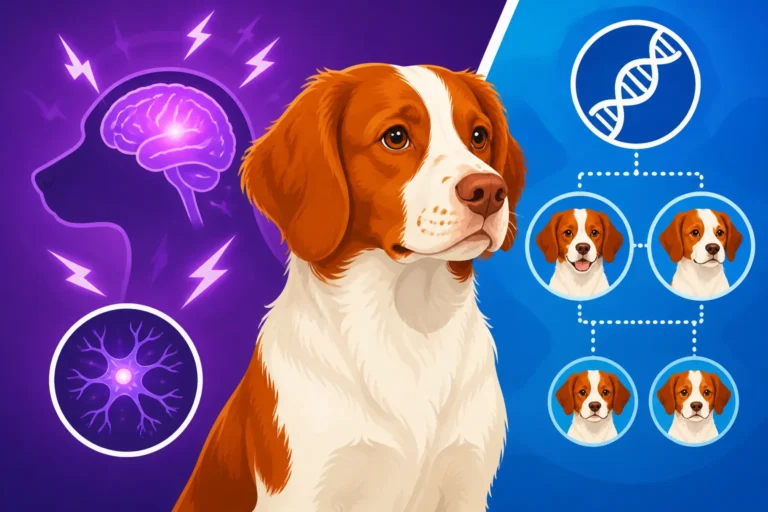
At its core, SMA results from the degeneration of motor neurons in the spinal cord and brainstem. These motor neurons are like the electrical wiring connecting the brain to the muscles. When they fail, the signals don't get through, and muscles begin to waste away from lack of use. For a Brittany, a breed renowned for its athletic prowess and tireless energy in the field, this is particularly tragic. Owners often first notice a decline in coordination or strength, which can be baffling and frustrating until a diagnosis is made. It’s not just a minor limp or an off day; it's a fundamental breakdown of the systems that allow a Brittany to be itself. If you've ever wondered How Spinal Muscular Atrophy Weakens a Brittany, it's through this direct attack on the motor neuron pathways, leaving muscles without the vital signals they need to function.
The Genetic Basis of Brittany SMA
The heartbreaking truth about SMA in Brittanys is that it's an inherited condition, passed down through generations. It's an autosomal recessive disorder, meaning a puppy must inherit two copies of the faulty gene – one from each parent – to develop the disease. If a dog inherits only one copy, it becomes a carrier, perfectly healthy itself but capable of passing the gene on. This is why responsible breeding practices, including genetic testing for potential parents, are absolutely critical. Without such precautions, unsuspecting breeders can inadvertently continue to propagate the gene, leading to more affected puppies. Knowing What a Brittany Spaniel Breeder Should Have Tested is paramount to minimizing the incidence of such diseases. This genetic component underscores the importance of thoroughly vetting any breeder you consider, ensuring they are doing their due diligence to screen for known breed-specific health issues.
Pinpointing the Onset: When SMA Symptoms Typically Emerge in Brittanys
One of the most defining characteristics of Spinal Muscular Atrophy in the Brittany is its early age of onset. Unlike some other degenerative conditions that might appear in middle or senior years, SMA typically makes its presence known during puppyhood or early juvenile stages. This makes the diagnosis particularly difficult for new owners who are just starting their journey with a young, energetic dog.
The Typical Window for Symptom Manifestation
For most Brittanys affected by SMA, the first noticeable symptoms usually emerge between 3 to 17 weeks of age, with many cases being observed around 4 to 8 weeks. This is a crucial developmental period for puppies, where they are rapidly growing, learning to coordinate their movements, and exploring their world. Instead of gaining strength and agility, an affected puppy will start to show subtle signs of weakness and incoordination. You might notice them struggling to keep up with littermates, exhibiting an unusual gait, or even having difficulty standing for prolonged periods. It's a stark contrast to the vigorous, playful nature typical of Brittany puppies.
Sometimes, the onset might be a bit later, extending into the early juvenile period, but it's rare for a Brittany to suddenly develop SMA symptoms as an adult dog. If you're seeing signs in a much older dog, it's more likely to be a different condition, but always consult your veterinarian to be sure. The early onset means that by the time many puppies are going to their new homes, the initial signs might already be present, albeit perhaps overlooked or attributed to clumsiness if the new owners aren't specifically looking for them.
Variability in Onset and Severity
While the 3 to 17-week window is common, it's important to understand that there can be some variability. Some puppies might show very mild, almost imperceptible signs initially, with the condition progressing more slowly, while others might exhibit a more rapid and severe decline. The severity of symptoms at onset and the rate of progression can differ between individual dogs, even within the same litter. This makes it challenging, as a breeder might miss the very earliest signs if they aren't extremely vigilant or if the affected puppy is one of the less severely impacted ones.
Factors that might influence this variability aren't fully understood, but genetics certainly play the primary role. Environmental factors or differing levels of physical activity in very young puppies might also subtly affect how quickly symptoms become obvious, but they do not cause the disease. This is where vigilant observation is key; any persistent wobbliness, muscle tremors, or inability to stand firm should raise a red flag. Owners often ask Whether a Brittany With Muscular Atrophy Can Walk, and the answer is that initially, they often can, but with increasing difficulty and an abnormal gait. The progression varies, but eventually, many do lose the ability to walk normally or at all.
Recognizing the Early Signs of SMA in Brittany Puppies and Juveniles
Catching the early signs of Spinal Muscular Atrophy is paramount, not just for a diagnosis, but for understanding and managing your Brittany's condition. These signs can be subtle at first, easily mistaken for normal puppy clumsiness or a momentary lapse in coordination. However, with a keen eye and awareness of what to look for, you can act quickly.
Subtle Changes in Movement and Posture
In very young Brittany puppies, typically before they reach 4 months of age, the first clues of SMA often appear in their gait and overall movement. You might notice a tremor, particularly when they are standing still or trying to hold a position. They might seem weaker in their hindquarters, having trouble getting up from a lying position, or they might walk with a wobbly, uncoordinated movement, almost like they're "dancing" or perpetually off-balance. Imagine a healthy puppy bounding across the yard versus one that seems to drag its feet or has difficulty navigating uneven terrain. They might struggle more with stairs than their littermates, or seem unusually tired after short bursts of play. These aren't just one-off incidents; they are consistent patterns.
Another subtle sign can be in their posture. An affected puppy might stand with its hocks (ankles) closer together, or exhibit a peculiar crouch as if trying to stabilize itself. Muscle wasting, or atrophy, will eventually become noticeable, particularly in the hind limbs, leading to a visibly thinner appearance in the leg muscles compared to a healthy littermate. It can be hard to spot in a fluffy puppy, but running your hands over their legs might reveal a lack of muscle mass. Early intervention and recognizing these signs are crucial steps in providing appropriate care and support, and potentially discussing quality of life with your veterinarian.
Observable Difficulties and Behavioral Changes
As SMA progresses, these subtle signs become more pronounced. Affected Brittany puppies may develop a bunny-hopping gait, where they move both hind legs together, much like a rabbit. They will have increasing difficulty jumping, climbing, or even standing. You might observe a tendency for them to stumble and fall more often, especially during periods of excitement or rapid movement. Their ability to recover quickly from a stumble might also be compromised. They may also show signs of fatigue much more quickly than their healthy littermates, preferring to lie down rather than engage in prolonged play.
It's not uncommon for an affected puppy to show discomfort or even pain as their muscles weaken and their joints are put under strain. They might whine or cry when trying to stand or move. In some cases, respiratory muscles can also be affected, leading to labored breathing or a weakened bark. While it's relatively How Rare Spinal Muscular Atrophy Is in Brittanys, its impact is profound. It’s important to distinguish these symptoms from other general health issues. For example, Signs a Brittany Puppy Has an Immune Problem might overlap with general malaise but won't typically present with the specific motor neuron degeneration symptoms seen in SMA. If you observe any of these persistent signs, especially in the crucial early weeks, prompt veterinary consultation is essential.
Navigating Diagnosis, Prognosis, and Support for a Brittany with SMA
Receiving a diagnosis of Spinal Muscular Atrophy for your Brittany is undoubtedly a difficult moment, but understanding the diagnostic process, potential prognosis, and available support systems can help you navigate this challenging journey. While SMA is a serious condition, knowing what to expect can empower you to make the best decisions for your beloved dog.
The Diagnostic Process for Suspected SMA
When you bring a Brittany puppy with suspected SMA symptoms to the veterinarian, the diagnostic process will likely involve several steps. Initially, your vet will conduct a thorough physical and neurological examination, looking for muscle atrophy, tremors, gait abnormalities, and depressed reflexes specific to motor neuron disorders. They'll ask detailed questions about the onset and progression of symptoms, as well as the puppy's lineage if known.
To confirm an SMA diagnosis and rule out other conditions that might present similarly, genetic testing is the definitive method. Reputable veterinary diagnostic labs offer DNA tests that can identify the specific genetic mutation responsible for SMA in Brittanys. This usually involves a simple cheek swab or blood sample. This test is crucial for confirming the diagnosis and is also the same test used by responsible breeders to screen their breeding stock. Additionally, your vet might recommend other tests like blood work to rule out metabolic issues, or imaging studies, though these are typically to exclude other possibilities rather than directly diagnose SMA. For instance, What a Brittany's Yearly Bloodwork Should Cover might be part of a general check-up, but specific genetic testing is needed for SMA.
Prognosis and Management of SMA in Brittanys
The prognosis for Brittanys diagnosed with SMA is unfortunately guarded, as it is a progressive and currently incurable disease. The severity and rate of progression can vary, but generally, affected dogs experience a decline in muscle function. In severe cases, the muscle weakness can become so profound that the dog loses the ability to stand or walk, leading to a significantly reduced quality of life and often a shortened lifespan. Many affected Brittanys do not reach adulthood or require substantial supportive care throughout their lives.
Management of SMA is primarily supportive, focusing on maintaining comfort and mobility for as long as possible. This can include:
- Physical Therapy: Gentle exercises, massage, and hydrotherapy can help maintain muscle mass, flexibility, and improve circulation.
- Nutritional Support: A balanced diet is essential, and your vet might recommend supplements to support muscle health.
- Mobility Aids: For dogs with significant weakness, assistive devices like slings, harnesses, or even wheelchairs can help maintain some independence and allow them to enjoy outdoor activities.
- Pain Management: If discomfort arises from muscle strain or secondary joint issues, pain medication may be prescribed.
- Environmental Adjustments: Modifying your home environment with ramps, non-slip flooring, and easy-access resting spots can make a huge difference in their daily life.
It's a testament to their spirit that even with SMA, many Brittanys maintain their loving and eager-to-please personalities. Owners committed to providing extensive care can greatly enhance their dog's quality of life. This is where pet insurance, like plans offered by Healthy Paws, can become incredibly valuable. Comprehensive policies can help offset the significant costs associated with ongoing physical therapy, veterinary visits, medications, and specialized equipment needed for an SMA-affected Brittany, allowing you to focus on care rather than financial stress.
The Emotional and Financial Impact on Owners
Living with a Brittany diagnosed with SMA presents significant emotional and financial challenges. The deep bond we form with our dogs makes it incredibly painful to watch them struggle with a condition that limits their joy and natural instincts. The constant care, the emotional toll of witnessing their decline, and the difficult decisions about their quality of life can be overwhelming. Seeking support from veterinary professionals, breed clubs, or online communities of owners facing similar challenges can be incredibly helpful.
Financially, the costs can be substantial. Regular veterinary check-ups, specialized diets, physical therapy sessions, medications, and potential mobility equipment add up quickly. This is precisely why considering pet insurance early in your dog's life is a wise decision. Companies like Healthy Paws, for example, often offer robust coverage for accidents and illnesses, which can be a lifesaver when dealing with chronic conditions. While SMA is a serious concern, it's also worth remembering that The Brittany Is One of the Healthiest Sporting Breeds overall, and the incidence of SMA is still relatively low compared to other common issues. However, preparedness for any health challenge is always key.
Understanding SMA in Brittanys
| Characteristic | Description | Key Takeaway |
|---|---|---|
| Disease Type | Inherited neuromuscular disorder | Affects nerve cells controlling voluntary muscle movement, leading to weakness. |
| Genetic Basis | Autosomal recessive; requires two copies of the faulty gene. | Responsible breeding practices and genetic testing are crucial. |
| Typical Onset Age | 3 to 17 weeks, commonly 4 to 8 weeks. | Symptoms appear in puppyhood or early juvenile stage. |
| Early Symptoms | Tremors, wobbly gait, difficulty standing/getting up, hindquarter weakness, bunny-hopping, easy fatigue. | Subtle at first, then progressive; easily mistaken for clumsiness. |
| Diagnosis | Neurological exam, confirmed by genetic DNA test. | Genetic testing is definitive for diagnosis and breeder screening. |
| Prognosis | Progressive, currently incurable; severity varies, often leads to reduced mobility and shortened lifespan. | Focus on supportive care, comfort, and quality of life. |
| Management | Physical therapy, nutritional support, mobility aids, pain management, environmental adjustments. | A multi-faceted approach to maintain comfort and function. |
| Financial Impact | Significant, due to ongoing care, therapies, and equipment. Pet insurance (e.g., Healthy Paws) can help manage costs. | Plan for potential expenses and explore pet insurance options early. |
While SMA in Brittanys is a serious condition, it's important for potential owners and current Brittany families to be informed and prepared. Organizations dedicated to the breed, like the American Brittany Club, often provide resources and support for owners dealing with health challenges. If you're looking into adding a Brittany to your family, researching ethical breeders who perform all recommended health clearances, including genetic testing for conditions like SMA, is your first and most important step. Don't hesitate to ask for proof of parentage and health certifications; a good breeder will be transparent and proud to share this information. This proactive approach helps ensure you bring home the healthiest, happiest puppy possible, ready to enjoy The Twelve to Fourteen Years a Brittany Gets as a cherished companion and hunting partner.
Disclaimer
The information provided in this article is for general informational purposes only and does not constitute veterinary advice. Always consult with a qualified veterinarian for any health concerns or before making any decisions about your pet's health or treatment.