Why a Brittany’s Feathering Hides Skin Trouble
That gorgeous, flowing feathering on your Brittany Spaniel? It's one of their most defining and attractive features, isn't it? But as much as we adore its beauty, it's also a sneaky little trickster, perfectly designed to hide all sorts of skin issues beneath its elegant facade. This guide will walk you through why that beautiful coat can be such a challenge and how you can become a detective for your dog's skin health.
The Allure and Downside of Brittany Feathering
Brittany Spaniels are truly stunning dogs, with their expressive eyes, athletic build, and that hallmark coat. It's a coat designed for function in the field, providing protection from brambles and weather, but it also boasts those lovely, longer fringes of hair – the feathering – on their legs, belly, chest, and ears. This feathering is part of their charm, yet it creates a unique challenge for us owners when it comes to monitoring their skin health.
The Double-Edged Sword of Their Beautiful Coat
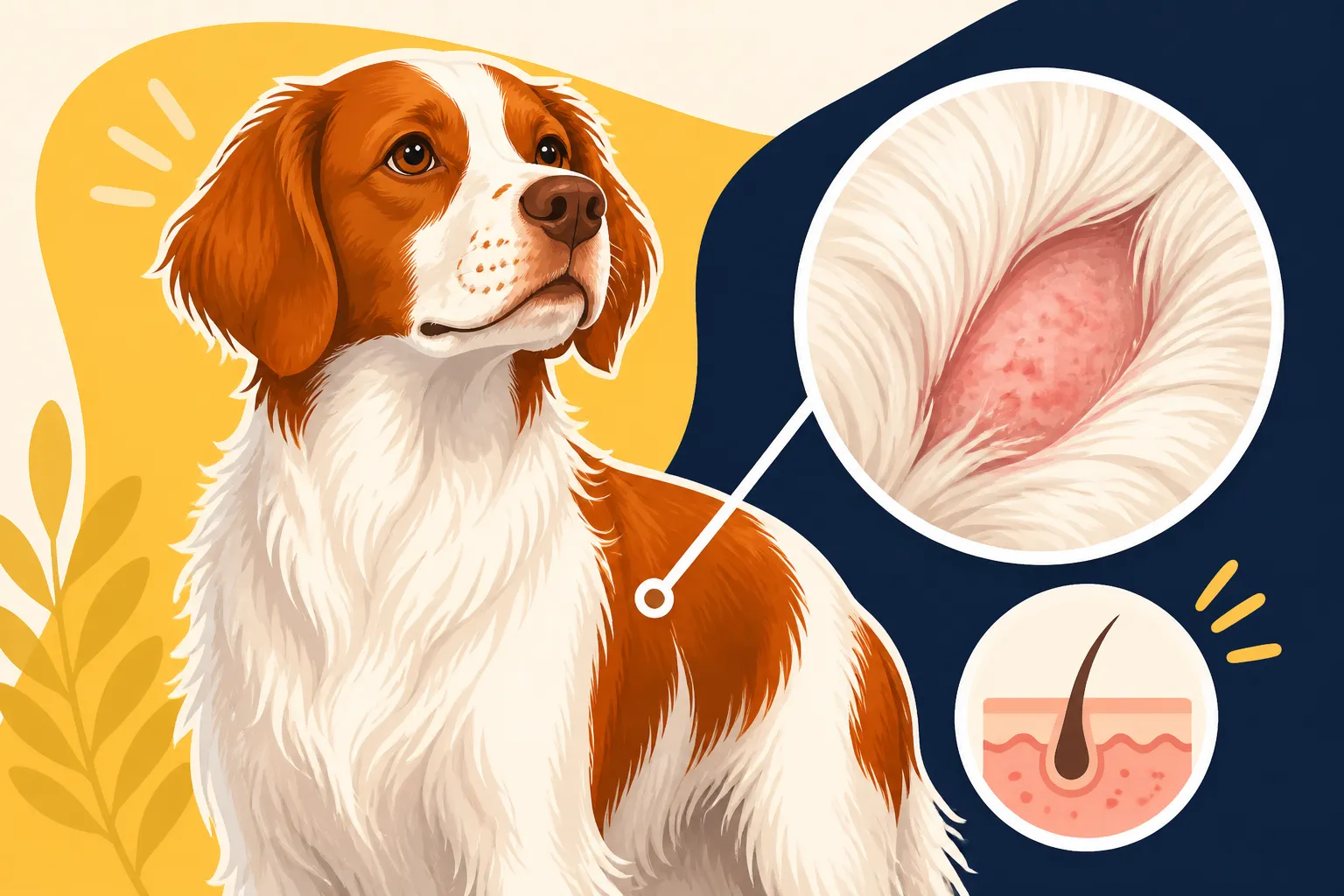
Think about that dense, often slightly wavy feathering. It's like a natural camouflage suit. On a daily basis, we might glance over our Brittanys, give them a quick pat, and assume all is well because nothing obvious is showing. But underneath those longer hairs, particularly in areas like the 'armpits,' groin, between the paw pads, and especially inside and around those floppy ears, a whole ecosystem can be brewing unseen. A tiny rash, a subtle bump, a small patch of dry skin – these are all easily swallowed up and obscured by the volume and texture of their coat. You might not notice something until it's become much larger, more inflamed, or even infected, simply because the feathering acted as a perfect curtain, concealing the early warning signs. This can be incredibly frustrating, especially when you pride yourself on being an attentive dog parent.
Why Early Detection is Crucial but Difficult
The unfortunate truth is that many minor skin irritations can escalate rapidly in dogs, and Brittanys are no exception. What starts as a small itch from an insect bite or a patch of dampness from splashing in a puddle can quickly turn into a full-blown hot spot or a painful bacterial infection if not addressed promptly. Because their feathering makes visual checks inherently harder, we often miss these initial, subtle cues. Imagine a tiny flea bite on your Brittany's belly, hidden under a thick layer of soft hair. Your dog might scratch at it, but you won't see the tiny red bump. If the scratching continues, the skin barrier breaks down, bacteria move in, and suddenly, you have an angry, oozing lesion that could have been prevented if only you'd spotted that first almost-invisible red mark. The longer a problem goes unnoticed, the more discomfort your dog endures, and the more complex and costly the treatment can become. It's a classic case where a stitch in time really does save nine, but finding that stitch is the tricky part with a Brittany.
Common Skin Issues Masked by Feathering
Brittanys, like many active breeds, are prone to certain skin conditions. When these conditions develop under their dense feathering, they become particularly challenging to spot. Knowing what to look for, even if you can't see it, is half the battle.
Hot Spots and Moist Dermatitis
Ah, hot spots. Every dog owner dreads these, and Brittany owners have a particular reason to be vigilant. A "hot spot," or acute moist dermatitis, is essentially a localized skin infection that appears suddenly and spreads alarmingly fast. It's usually triggered by something that causes your dog to persistently lick, chew, or scratch at an area – a flea bite, an allergy flare-up, or even just trapped moisture after a swim. With their thick feathering, especially on their flanks, neck, and behind their ears, Brittanys provide a perfect incubator for these lesions. The long hair traps heat and moisture against the skin, creating an ideal environment for bacteria to multiply.
You might not see the initial redness or even a small scab because the hair is so thick. Instead, you might first notice a matted, sticky patch of hair, perhaps with a foul odor, and by then, the underlying skin will likely be raw, inflamed, and painful. Your Brittany might seem restless, constantly trying to scratch or rub the area, but without parting that dense hair, you'd never know the extent of the problem until it's quite advanced. It's truly startling how quickly these can go from zero to a full-blown crisis, all while being hidden from plain sight.
Allergies and Irritations Hidden Beneath the Fluff
Brittanys can be quite susceptible to allergies, whether they're environmental (like pollen, dust mites), food-related, or contact allergies (from certain plants or chemicals). When an allergic reaction strikes, the most common symptom is intense itchiness. On a short-haired dog, you'd quickly see the tell-tale redness, bumps, or flaky skin. On a Brittany, however, that feathering acts as a perfect shield.
Your dog might be incessantly scratching their flank, chewing at their paws, or rubbing their face, but when you look, all you see is a beautiful, fluffy coat. The subtle inflammation, the tiny hives, or the dry, irritated patches are all obscured. This means your Brittany could be suffering from constant, maddening itchiness for days or even weeks before you notice any visible skin changes. Often, by the time you do spot something, it's because the persistent scratching has led to secondary issues, like those aforementioned hot spots or yeast infections, which become much harder to ignore. It’s a classic frustration for many owners; you know something is bothering them, but you just can't pinpoint it. For managing unexpected veterinary costs related to allergies or any other health concerns, knowing about pet insurance options like Healthy Paws can provide immense peace of mind.
Parasites and Fungal Infections
Few things send a shiver down a dog owner's spine like the thought of parasites, but on a Brittany, these unwelcome guests can be particularly stealthy. Ticks love to burrow deep into dense fur, making them incredibly difficult to find on your Brittany's heavily feathered legs, belly, or behind their ears. You might only discover a tick after it's engorged and much larger, or worse, after it's transmitted a disease. Fleas, too, can live and breed within the luxurious feathering, causing irritation and potentially allergic reactions without a single flea or flea dirt being immediately visible.
Fungal infections, such as ringworm, also thrive in hidden, moist environments. Ringworm might start as a small, circular patch of hair loss or flaky skin, which is practically invisible when tucked away under a dense layer of feathering. By the time you notice hair loss or scabbing, the infection might be more widespread and require more aggressive treatment. Mites, which cause conditions like sarcoptic or demodectic mange, create intense itching and skin irritation, but again, the initial signs are often hidden. The insidious nature of these issues, cloaked by your Brittany's coat, makes diligent, hands-on checks absolutely essential.
Practical Strategies for Uncovering Hidden Skin Trouble
Given how easily skin issues can hide beneath a Brittany's feathering, proactive measures are key. It’s not enough to just look at your dog; you need to engage all your senses and make inspection a regular part of your routine.
The Art of the Thorough Daily Check
This is probably the single most important habit you can cultivate as a Brittany owner. A quick pat isn't enough; you need to get your hands dirty, so to speak, and conduct a detailed, systematic inspection of your dog's skin daily, or at least every other day, especially during hunting season or warmer months.
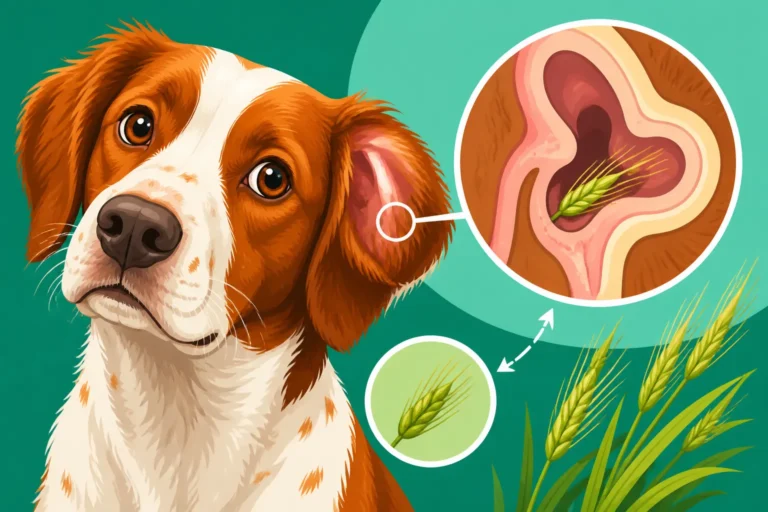
Start with their face and ears. Those floppy ears are prime real estate for moisture and debris, so gently lift and check the inside flap. Part the hair around the ear canal, looking for any redness, discharge, or foul odor. Knowing how often a Brittany's ears need cleaning can help prevent issues before they start. Then, move to their neck and chest, running your fingers deep into the fur, feeling for any bumps, scabs, or areas of tenderness. Pay particular attention to their armpits and groin area – these are spots where moisture can get trapped, and skin can rub, making them susceptible to irritation.
Next, examine their belly and flanks. Lie your Brittany on their back if they're comfortable, and use both hands to systematically part the feathering, moving inch by inch. Look for any discoloration, tiny red spots, rashes, or any unusual textures. Run your fingertips over the skin, feeling for any lumps, bumps, or areas that feel warmer than the surrounding skin.
Finally, tackle the legs and paws. Work your way down each leg, parting the feathering. Don't forget to check between the toes, as this is a common spot for foreign objects like foxtails, burrs, or small cuts to hide, which can lead to significant pain and infection. Learning how to check a Brittany between the toes is vital, especially after outdoor activities. As you move along, run your hands through the tail feathering and check the skin at the base of the tail. This thorough approach, making it a calm and positive experience for your dog with praise and treats, will significantly increase your chances of catching problems early. And while you're at it, don't forget to learn how to check a Brittany for ticks, as those little critters can burrow deep into that lush coat.
Grooming Routines to Aid Detection
Regular grooming isn't just about keeping your Brittany looking handsome; it's a critical tool for skin health surveillance. A consistent grooming routine helps you get hands-on with your dog's skin more often and makes it easier to spot issues.
Brushing, for instance, should be a daily or every-other-day affair, particularly if your Brittany spends a lot of time outdoors. Use a good quality slicker brush and a metal comb. Start by gently brushing through the feathering on their legs, belly, and tail. This helps remove loose hair, tangles, and prevents mats from forming, which can themselves hide skin problems and pull uncomfortably on the skin. While brushing, you’re not just detangling; you're also visually inspecting the skin as you part the hair. Pay attention to any resistance from the brush, which might indicate a mat or a tender spot. A helpful guide like which brush suits a Brittany can make a big difference in effective grooming.
While the Brittany standard dictates a natural appearance, strategic trimming can be incredibly beneficial for hunting dogs, or those prone to skin issues. Trimming the longer feathering around the armpits, groin, and paw pads can improve airflow, reduce the chances of matting, and make these high-risk areas much easier to inspect. You're not shaving your dog, but rather tidying up for health and hygiene. For instance, knowing whether a hunting Brittany should be trimmed shorter can make fieldwork much safer and reduce the chances of burrs and foxtails getting embedded. Remember, the goal is always function and health first. By making a habit of knowing how often a Brittany needs brushing, you integrate health checks seamlessly into their routine.
Recognizing Subtle Behavioral Cues
Sometimes, your Brittany will tell you something is wrong even before you can see it with your eyes. They are masters at hiding pain or discomfort, especially if they are stoic hunting dogs, but subtle changes in behavior can be huge indicators of underlying skin trouble hidden by their feathering.
Keep an eye out for excessive licking or chewing at specific body parts. If your Brittany is constantly licking their paws, even when they appear clean, it could signal an allergy, irritation between the toes, or even a hidden wound. Persistent scratching, even if you can't see a rash, is another major red flag. They might scratch with their back leg, or rub against furniture or the ground in an attempt to alleviate an itch. Head shaking or ear scratching can point to an ear infection that’s not yet visible inside the ear canal, as detailed in signs a Brittany's ear is infected. You might also notice them rubbing their face against carpets or furniture, indicating an irritation around their muzzle or eyes.
Even more subtle cues can include restlessness, irritability, or reluctance to be touched in certain areas. A dog that is usually happy to have their belly rubbed but suddenly flinches or snaps might have a hidden skin issue there. A change in their sleeping position, perhaps favoring one side, could indicate discomfort on the other. It’s important to remember why a Brittany's feet itch after a hunt, as environmental irritants are common. These behavioral changes are often the very first indicators of a problem brewing beneath the surface, especially since a Brittany can be quite stoic and good at hiding pain until a problem becomes severe. Being attuned to these non-visual signals allows you to investigate further and catch issues before they become full-blown medical emergencies.
When to Call the Vet and What to Expect
Even with the most diligent home care and inspection, there will be times when you need professional help. Knowing when to call your veterinarian is crucial for your Brittany's well-being.
Knowing When Professional Help Is Needed
It can be tempting to try and manage minor skin irritations at home, but with a Brittany’s propensity for hidden problems, it’s often best to err on the side of caution. If you notice any of the following, it's time to pick up the phone and schedule an appointment with your vet:
- Persistent or Worsening Itching/Licking/Chewing: If the scratching, licking, or chewing doesn't stop or gets worse after a day or two, or if it's disrupting your dog's sleep or daily life, it's definitely vet-worthy.
- Visible Skin Changes You Can’t Explain: Any redness, scabs, pustules, open sores, or significant hair loss that you discover, even if it’s small, warrants a check-up.
- Foul Odor: A strong, unpleasant smell emanating from your dog’s coat or skin, particularly from a specific area like the ears or armpits, is almost always a sign of infection.
- Pain or Tenderness: If your Brittany cries out, flinches, or avoids being touched in a particular area, there’s likely an underlying issue causing discomfort.
- Swelling: Any unexplained swelling, especially localized, could indicate anything from an insect bite reaction to an abscess.
- Lethargy or Loss of Appetite: If a skin issue is severe enough to affect your dog’s overall demeanor, making them tired or uninterested in food, it's a clear sign they need immediate veterinary attention.
- Recurring Issues: If your Brittany seems to get the same skin problems over and over again, your vet can help you get to the root cause, whether it's allergies, environmental factors, or something else. For instance, if you suspect whether a Brittany gets skin allergies, your vet can run tests to narrow down triggers.
Remember, early intervention can prevent minor issues from becoming major, painful, and expensive problems.
Preparing for a Vet Visit and Discussing Options
When you head to the vet for a skin issue, come prepared. The more information you can provide, the better equipped your veterinarian will be to diagnose and treat your Brittany effectively.
- Symptoms Timeline: Note down exactly when you first noticed the problem, how it has progressed, and what behavioral changes you've observed. Did the itching start after a particular outing? Did it get worse after a new food?
- Dietary Changes: Inform your vet about your Brittany's current diet, any recent changes, and if they've had any new treats or chews.
- Environmental Factors: Mention any new cleaners, detergents, plants, or changes in their outdoor routine.
- Previous Treatments: If you've tried any over-the-counter remedies, medicated shampoos, or home care, let your vet know what you used and if it had any effect.
Your vet will likely start with a thorough physical examination, which might involve clipping some of that beautiful feathering around the affected area to get a clear look at the skin underneath. Don't be alarmed by this; it’s often essential for proper diagnosis and treatment. They might also perform diagnostics such as:
- Skin Scrapes: To check for mites.
- Cytology: Examining cells from the skin under a microscope to identify bacteria or yeast.
- Fungal Cultures: To diagnose ringworm.
- Allergy Testing: If allergies are suspected, they might recommend blood tests or intradermal skin tests.
- Biopsy: In more complex cases, a small tissue sample might be taken for histopathology.
Treatment options will vary widely depending on the diagnosis. They could include:
- Topical Medications: Medicated shampoos, sprays, or ointments.
- Oral Medications: Antibiotics for bacterial infections, antifungals for yeast or ringworm, anti-inflammatories or steroids for severe itching, or antihistamines for allergies.
- Dietary Changes: For food allergies.
- Flea and Tick Prevention: To rule out parasites as a cause.
Navigating vet visits for persistent skin issues or unexpected injuries, like what a Brittany's field injuries cost in a season, can certainly add up. This is where comprehensive pet insurance like Healthy Paws can be incredibly helpful, providing coverage for accidents, illnesses, and even hereditary conditions, helping you focus on your Brittany's health without financial stress. For specific autoimmune conditions, understanding how a Brittany with discoid lupus is treated also highlights the importance of timely and consistent veterinary care.
Here’s a quick summary of common hidden skin issues, their subtle signs, and recommended actions:
| Hidden Skin Issue | Subtle Behavioral/Physical Signs | Recommended Action |
|---|---|---|
| Hot Spots / Moist Dermatitis | Localized licking/chewing, matted fur, slight odor (later stage), restlessness. | Part fur daily; if suspected, gently clean, apply vet-approved antiseptic. Vet if spreading or painful. |
| Allergies | Excessive scratching, paw licking, rubbing face/body, generalized restlessness. | Daily thorough checks; consider diet analysis or environmental changes. Vet for diagnosis & management. |
| Parasites (Fleas/Ticks) | Scratching, skin twitching, small red bumps (if visible), "flea dirt" on comb. | Regular tick checks (especially after outdoors); consistent flea/tick prevention. Vet if infestation or symptoms persist. |
| Fungal Infections | Mild itching, subtle changes in hair texture, small flaky patches or areas of mild hair loss. | Daily body checks; monitor for any spreading. Vet for diagnosis (e.g., fungal culture) and medication. |
| Minor Cuts/Scrapes | Limping, tenderness when touched, localized licking, matted fur with dried blood. | Inspect paws/legs thoroughly after outings; clean small cuts. Vet if deep, gaping, or signs of infection. |
| Ear Infections | Head shaking, ear scratching, rubbing ear on ground/furniture, redness inside ear flap, odor. | Daily ear checks (lift flap, smell); gentle cleaning. Vet immediately if odor, discharge, or pain. |
Disclaimer
The information provided in this article is for general informational purposes only and is not a substitute for professional veterinary advice. Always consult with a qualified veterinarian for any health concerns or before making any decisions related to your pet's medical care.