Whether a Brittany Breeder Screens for C3
It can be incredibly disheartening, even scary, to discover a genetic health condition lurking in the background of your beloved Brittany Spaniel's lineage. One such concern that frequently pops up is C3 deficiency, a serious immune system disorder that can leave our active, adventurous companions vulnerable. This comprehensive guide aims to shed light on C3 deficiency, explain why thorough screening by a reputable breeder is so vital, and empower you with the knowledge to make informed decisions for your furry family member.
Understanding C3 Deficiency and Its Impact on Brittanys
When you bring a Brittany into your home, you're not just getting a dog; you're welcoming a vibrant, energetic companion with a rich history of athleticism and loyalty. The last thing any owner wants is to face a chronic health issue that could have been avoided with proper breeding practices. C3 deficiency is one of those concerns, a hereditary condition that directly impacts a Brittany's ability to fight off infections, turning what should be minor ailments into significant health risks.
What C3 Deficiency Does to a Brittany's Immune System
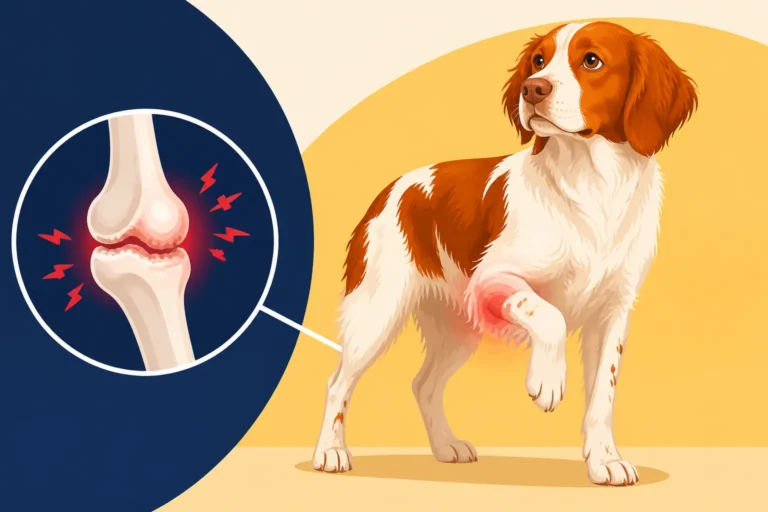
Imagine having a weakened immune system, unable to effectively fight off the everyday pathogens that most individuals shrug off. That's essentially what a Brittany with C3 deficiency experiences. C3, or complement component 3, is a crucial protein in the canine immune system. It plays a central role in activating the complement cascade, a complex series of protein interactions that help identify and eliminate foreign invaders like bacteria and viruses. When a Brittany is C3 deficient, this critical part of its immune defense is compromised, leaving it susceptible to recurrent, severe infections. You might be wondering, What C3 Deficiency Does to a Brittany specifically. Without enough C3, the body struggles to flag pathogens for destruction, making even common bacteria a formidable threat.
These aren't just minor sniffles or superficial skin issues. C3 deficient Brittanys often suffer from profound and life-threatening bacterial infections, particularly those affecting the kidneys, joints, and skin. We're talking about conditions that require aggressive, often prolonged, antibiotic treatments and can lead to organ damage if not managed meticulously. The constant battle against infection can significantly diminish a dog's quality of life, leading to chronic pain, lethargy, and a shortened lifespan. Owners of C3 deficient dogs often find themselves on a first-name basis with their vet, facing frequent emergency visits and considerable emotional and financial strain.
How C3 Deficiency is Inherited and the Role of Carriers
C3 deficiency in Brittanys is an autosomal recessive genetic disorder. This means that for a puppy to be affected by the condition, it must inherit two copies of the faulty gene – one from each parent. Dogs that carry only one copy of the faulty gene are called "carriers." These carriers typically don't show any symptoms themselves; they live perfectly healthy, normal lives, unaware that they could pass this genetic predisposition to their offspring. This is a crucial point because, as we explore How C3 Deficiency Is Inherited in Brittanys, it highlights why screening seemingly healthy breeding stock is absolutely essential.
The implications for breeding are profound. If two carriers are bred together, there's a 25% chance with each puppy that it will inherit two copies of the faulty gene and be affected by C3 deficiency. There's also a 50% chance it will be a carrier like its parents, and a 25% chance it will be clear of the gene altogether. This genetic roulette is why responsible breeders take C3 screening so seriously. They understand that even though a carrier dog appears healthy, breeding it without careful consideration can unwittingly perpetuate and spread this devastating condition within the breed. It’s a silent threat that can easily go unnoticed without specific genetic testing.
The Crucial Role of C3 Screening in Responsible Breeding
For any prospective Brittany owner, understanding a breeder's commitment to health screening is paramount. A good breeder isn't just selling you a puppy; they're providing a foundation for a healthy, happy life for that animal, and by extension, for your family. When it comes to C3 deficiency, screening isn't just a suggestion; it's a moral imperative.
The C3 DNA Test Explained
Thankfully, science has provided a clear path to identifying C3 deficiency. There is a specific DNA test available that can accurately determine a Brittany's C3 status. This test, often performed by reputable veterinary genetic testing laboratories, typically requires a simple cheek swab or blood sample from the dog. The process is non-invasive and provides definitive results: clear, carrier, or affected. This means breeders no longer have to guess or rely solely on family history; they can get concrete answers about their dog's genetic makeup. You can delve deeper into Whether a DNA Test for Brittany C3 Deficiency Exists to understand its availability.
These tests are generally affordable in the grand scheme of breeding costs, and the peace of mind they offer is immeasurable. Labs like those at the University of Pennsylvania (who were instrumental in identifying the C3 deficiency gene in Brittanys) or other commercial labs specializing in canine genetics, offer this specific assay. A responsible breeder will not only be aware of these tests but will actively use them for all their breeding stock. They'll have certificates or documentation proving their dogs' C3 status, which they should be transparently willing to share with potential puppy buyers. The cost of these tests is a small investment compared to the potential veterinary bills and heartbreak associated with an affected puppy.
Interpreting C3 Test Results for Breeding Decisions
Understanding the results of a C3 DNA test is straightforward, but the implications for breeding require careful thought. The results will typically classify a dog into one of three categories:
- Clear (or Normal): This dog does not carry the C3 deficient gene and cannot pass it on to its offspring. It is genetically free of the condition.
- Carrier: This dog carries one copy of the C3 deficient gene but is not affected by the condition itself. It can pass the gene to approximately 50% of its offspring.
- Affected: This dog has two copies of the C3 deficient gene and will likely suffer from the immune system disorder. It will pass one copy of the gene to 100% of its offspring.
A responsible breeder's primary goal is to avoid producing affected puppies. This means that mating two carrier dogs together is considered irresponsible due to the 25% risk of affected offspring. The most responsible approach is to breed clear dogs to clear dogs, ensuring no affected or carrier puppies are produced. If a breeder wishes to use a carrier in their program (perhaps because the dog has exceptional conformation, temperament, or hunting ability), they must only breed that carrier to a dog that has tested clear. In such a pairing, there's a 50% chance of producing carrier puppies and a 50% chance of producing clear puppies, but zero chance of producing affected puppies. This strategic breeding allows valuable genetic lines to continue while actively preventing the birth of sick dogs. For more on this, consider reading Whether Two Brittany C3 Carriers Should Be Bred.
| C3 Test Result | Genetic Status | Health Status | Breeding Implications |
|---|
Disclaimer
This article is for general informational purposes only and does not constitute professional advice. Laws, prices and regulations vary by location and change over time. Consult a qualified professional for guidance on your specific situation.