Whether Two Brittany C3 Carriers Should Be Bred
Finding the perfect Brittany Spaniel puppy is often filled with excitement, but for responsible breeders and prospective owners, the joy can be tinged with anxiety about genetic health. One particular concern that causes a lot of confusion and heartache is Complement 3 (C3) deficiency. Many people wonder if it's ever okay to breed two Brittanys who are both carriers of this serious genetic condition, and frankly, it's a question that deserves a thorough, honest answer. This guide will walk you through the realities of C3 deficiency, its inheritance patterns, and the critical decisions breeders must make to protect the future health of our beloved breed.
The Shadow of C3 Deficiency in Brittany Spaniels
It’s truly disheartening when a vibrant, playful Brittany puppy starts showing signs of a serious health issue. C3 deficiency is one of those conditions that can turn a family’s dream into a nightmare, and understanding what it entails is the first step toward preventing it.
What is C3 Deficiency and How it Affects Our Dogs
Imagine your dog’s immune system as a finely tuned orchestra, with each instrument playing a crucial role in fending off invaders. Complement 3, or C3, is like the lead violin – absolutely vital for the whole system to function properly. In simple terms, C3 is a protein that plays a central role in the complement system, which is a part of the innate immune system. Its job is to help identify and destroy harmful bacteria, viruses, and other pathogens, and also to clear away cellular debris.
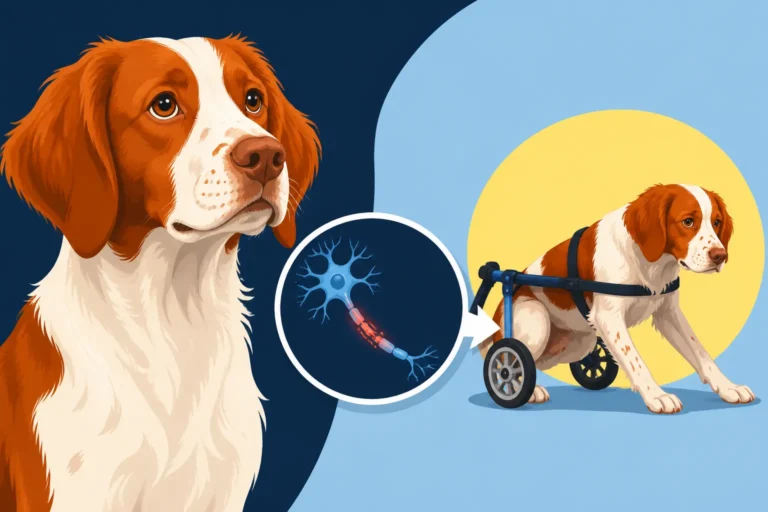
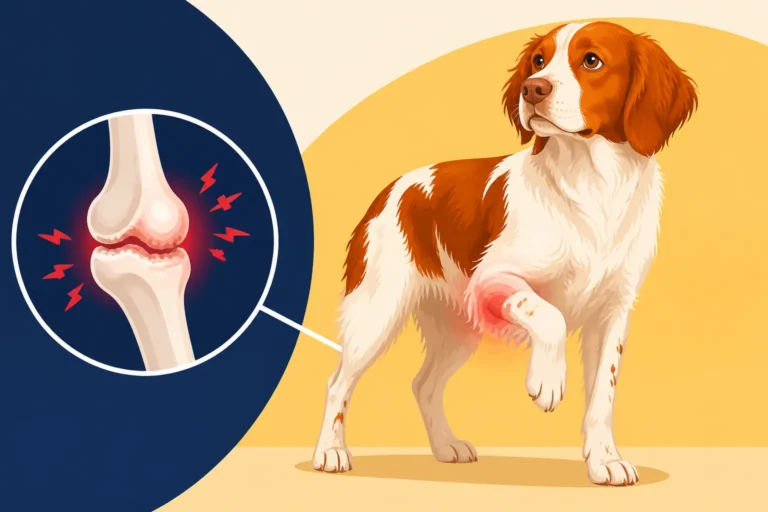
When a Brittany Spaniel is deficient in C3, their immune system is severely compromised. These dogs are unable to mount an effective immune response against common infections, leaving them highly vulnerable to a range of illnesses. We're not talking about minor sniffles here; these can be severe, life-threatening bacterial infections. Pups with C3 deficiency often suffer from recurring bacterial infections, particularly in their joints, skin, and respiratory tract. They might develop persistent fevers, painful swelling, and just generally fail to thrive. It’s heartbreaking to witness a young dog struggle with chronic health problems from such an early age. If you're wondering about the specifics, you can learn more about exactly What C3 Deficiency Does to a Brittany. They’re also prone to developing kidney disease later in life, adding another layer of complexity to their care. These dogs are essentially living with a constant uphill battle against germs that healthy dogs would easily shrug off. The type of infections can be varied and severe, and it's worth understanding Which Infections a C3 Deficient Brittany Gets.
Understanding the Genetics: Carriers and Inheritance
Now, let's talk about how this deficiency finds its way into a litter. C3 deficiency in Brittanys is an autosomal recessive genetic disorder. If you’re not a genetics expert, don’t worry, I’ll break it down without a textbook. "Autosomal" simply means the gene isn't located on a sex chromosome (like X or Y), so it affects males and females equally. "Recessive" is the key part here. It means a dog must inherit two copies of the faulty gene – one from its mother and one from its father – to actually have the disease.
Dogs can be categorized into three groups regarding this specific gene:
- Clear (Homozygous Normal): These dogs have two normal copies of the gene. They won't develop C3 deficiency, and they can't pass the faulty gene on to their offspring.
- Carrier (Heterozygous): These dogs have one normal copy and one faulty copy of the gene. Crucially, they do not show any symptoms of C3 deficiency themselves. They are healthy, active dogs, just like any other Brittany. However, they can pass that single faulty gene copy to their puppies. This is where the term "carrier" comes in – they carry the gene without being affected by it. Many wonderful Brittanys are carriers, and you'd never know it without a genetic test.
- Affected (Homozygous Affected): These dogs have inherited two faulty copies of the gene, one from each parent. They will develop C3 deficiency and exhibit the severe health problems we discussed earlier.
Understanding How C3 Deficiency Is Inherited in Brittanys is paramount for any breeder dedicated to the health of their lines. The existence of carriers is why this condition can silently persist in a breed for generations until proper testing brings it to light.
The Risky Math of Breeding Two C3 Carriers
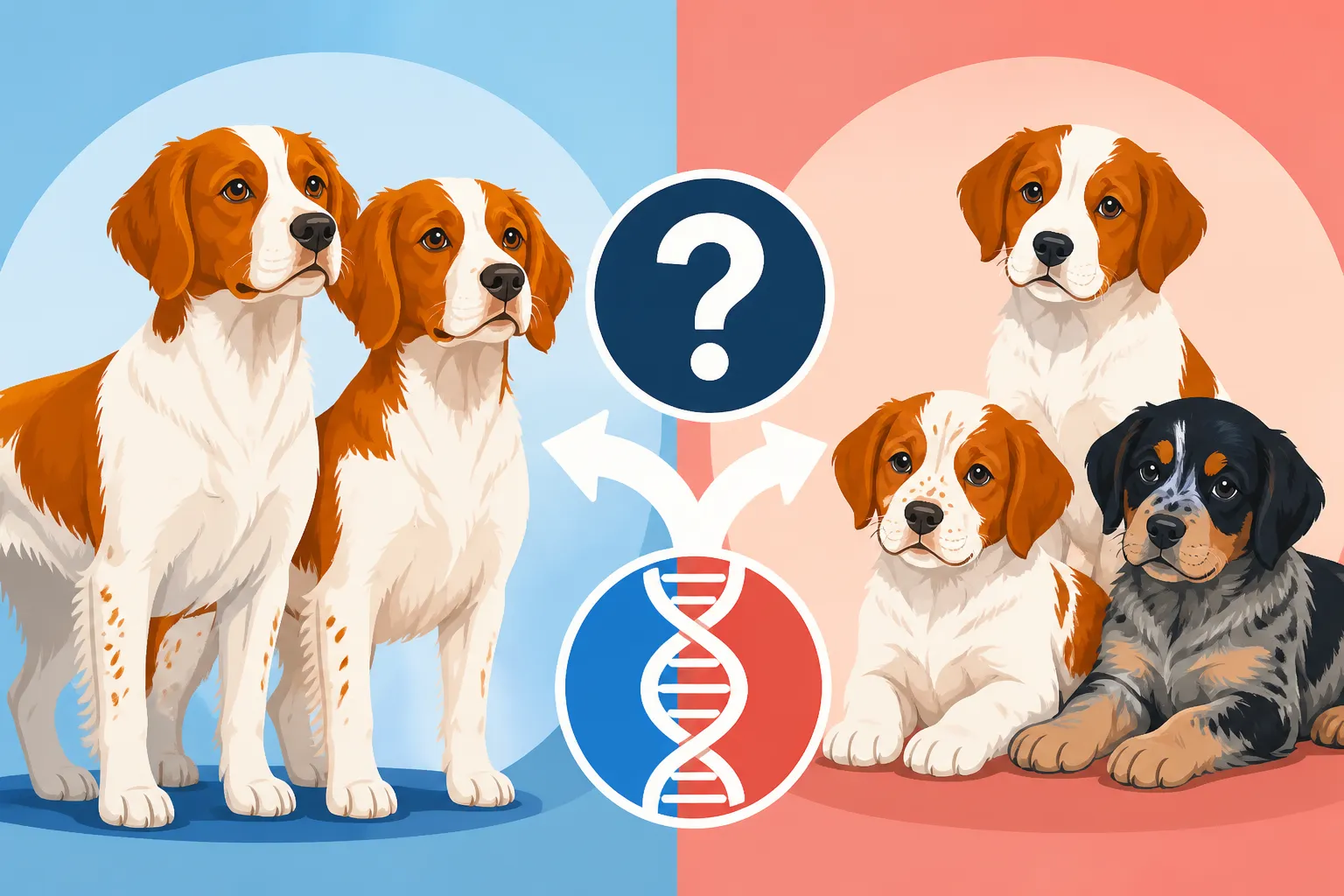
This brings us to the core question that weighs heavily on the minds of many: is it acceptable to breed two Brittanys if both are known carriers of C3 deficiency? The straightforward answer, from a health and ethical standpoint, is generally no, and here’s why the genetics simply don't lie.
Unpacking the Punnett Square: What Happens Genetically
For those of you who remember biology class, the Punnett square is a simple tool to predict the outcomes of genetic crosses. Let’s imagine we have two carrier parents. We’ll use 'N' for the normal gene copy and 'c' for the faulty C3 deficiency gene copy. Both parents are 'Nc'.
When you breed two carriers (Nc x Nc), here's what the genetic possibilities for each puppy look like:
| N (from Parent 1) | c (from Parent 1) | |
|---|---|---|
| N (from Parent 2) | NN (Clear) | Nc (Carrier) |
| c (from Parent 2) | Nc (Carrier) | cc (Affected) |
Looking at this, you can see the probabilities for each puppy:
- 25% chance of being genetically clear (NN) – inheriting two normal genes. These pups are free of the disease and won't pass on the faulty gene.
- 50% chance of being a carrier (Nc) – inheriting one normal and one faulty gene. Like their parents, they will be healthy but can pass the faulty gene to their offspring.
- 25% chance of being affected (cc) – inheriting two faulty genes. These puppies will develop C3 deficiency, with all the associated health problems.
This isn’t a small risk; it's a 1 in 4 chance that any puppy born from such a pairing will suffer from a debilitating, potentially life-threatening genetic disease. For a typical litter of eight puppies, this means, on average, two puppies would be affected. This genetic roulette is precisely why breeding two carriers is so strongly discouraged by ethical breeders and veterinary geneticists.
The Ethical Imperative: Why Avoiding Carrier-to-Carrier is Key
When you consider the 25% chance of producing an affected puppy, the ethical implications become stark. No responsible breeder wants to bring a litter into the world knowing there's a significant chance some of those puppies will face severe health challenges. It’s not just about the monetary cost – though that can be substantial for owners, even with good pet insurance like Healthy Paws – it’s about the emotional toll on the puppy, its eventual owners, and the breeder themselves.
The commitment of a breeder goes beyond simply producing puppies; it extends to ensuring those puppies have the best possible start in life, free from preventable genetic diseases. Purposely breeding two carriers, knowing the predictable outcome, can be seen as irresponsible and damaging to the breed's overall health. It shows a disregard for the well-being of the individual dogs produced and contributes to the perpetuation of the faulty gene in the broader gene pool, making it harder to eliminate in future generations.
Ethical breeders understand their responsibility to improve the breed, not just reproduce it. This means making tough decisions based on genetic health testing. A cornerstone of responsible breeding is minimizing the risk of producing affected offspring for any known genetic disease. The Brittany community has made great strides in understanding and testing for conditions like C3 deficiency, and part of that progress involves making informed choices about breeding pairs. For a deeper dive into the expectations, consider reading What a Brittany Spaniel Breeder Should Have Tested.
Building a Responsible Breeding Program
So, if breeding two carriers is generally off the table, what should responsible Brittany breeders do to manage C3 deficiency within their lines? It all comes down to proactive testing and thoughtful pairing strategies.
The Non-Negotiable Role of Genetic Testing
Genetic testing is the single most powerful tool a breeder has in their arsenal against C3 deficiency. There’s a specific DNA test available that can definitively determine if a Brittany is clear, a carrier, or affected by C3 deficiency. This test is simple, usually involving a cheek swab or blood sample, and it's inexpensive compared to the potential costs and heartache of dealing with an affected dog.
Every single dog intended for breeding should be tested for C3 deficiency before any breeding decisions are made. This isn't just a recommendation; it's an essential practice for preserving the health of the breed. Without knowing the genetic status of your breeding stock, you’re essentially breeding blind, and that’s a gamble no responsible breeder should take. It's truly amazing that Whether a DNA Test for Brittany C3 Deficiency Exists, giving us the power to make these informed decisions. This allows breeders to identify carriers, manage them appropriately in their programs, and avoid tragic outcomes. It’s important to confirm Whether a Brittany Breeder Screens for C3 as a non-negotiable part of their health protocol.
Smart Pairing: Mating Strategies to Reduce Risk
Once you know the C3 status of your breeding dogs, you can implement smart pairing strategies. The goal is always to avoid producing affected puppies while still maintaining genetic diversity within the breed.
Here's a breakdown of responsible pairings:
- Clear (NN) x Clear (NN): This is the ideal pairing. All puppies will be clear (NN). No risk of C3 deficiency, and no carriers produced.
- Clear (NN) x Carrier (Nc): This is a perfectly acceptable and often recommended pairing if a carrier dog possesses other valuable traits (e.g., exceptional hunting ability, temperament, conformation) that warrant its inclusion in a breeding program. The genetic outcome is:
- 50% chance of clear puppies (NN)
- 50% chance of carrier puppies (Nc)
- 0% chance of affected puppies (cc)
In this scenario, you never produce an affected puppy. You will produce carriers, but these puppies can then be tested, and if they are later considered for breeding, they too must be paired with a clear dog. This strategy allows breeders to continue using valuable carrier lines without producing affected offspring, gradually reducing the prevalence of the faulty gene over generations. It's a pragmatic approach to managing genetic conditions responsibly, and gives insights into How Many Brittanys Carry C3 Deficiency.
- Carrier (Nc) x Carrier (Nc): As discussed, this pairing carries a 25% risk of producing affected (cc) puppies, and is therefore strongly discouraged.
- Clear (NN) x Affected (cc): This would produce 100% carrier (Nc) puppies. While no puppies would be affected by the disease itself, all would be carriers, further spreading the gene. An affected dog should ideally not be bred due to the severe health implications it faces.
- Carrier (Nc) x Affected (cc): This pairing would result in 50% carrier (Nc) and 50% affected (cc) puppies, making it highly irresponsible.
- Affected (cc) x Affected (cc): This would produce 100% affected (cc) puppies and is completely unacceptable.
By choosing pairings wisely, breeders can maintain healthy lines and contribute to the long-term health of the Brittany breed. It’s about being deliberate and prioritizing health above all else.
Living with C3 Deficiency: The Real-World Impact
While proactive breeding aims to prevent C3 deficiency, sometimes affected pups are born, whether due to accidental pairings or a lack of testing. It's crucial for both breeders and potential owners to understand the profound challenges associated with these dogs.
The Challenges Faced by C3 Deficient Pups
A puppy born with C3 deficiency faces an incredibly tough road from the moment they enter the world. These are not dogs that will lead a normal, robust life. Instead, they are typically prone to chronic and often severe infections that can strike early. We’re talking about persistent skin infections, recurring respiratory issues, and debilitating joint infections that cause pain and lameness. These infections can be difficult to treat, often requiring long courses of antibiotics, and sometimes hospitalization.
The quality of life for a C3 deficient pup is significantly compromised. They often have a frail constitution, struggle to gain weight, and lack the boundless energy that Brittanys are famous for. Their immune system simply can't keep up with the demands of a normal life, making them vulnerable to pathogens that healthy dogs easily overcome. The age at which these issues typically present can be very young, and it's painful to see puppies struggle. Understanding The Age C3 Deficiency Shows in a Brittany highlights how early these struggles can begin. Sadly, many affected puppies do not live to adulthood, and their short lives are often marked by pain and illness. For those who do, their lifespan is significantly reduced. You can gain more insight into Whether a C3 Deficient Brittany Reaches Adulthood and the prognosis.
The financial burden for owners of C3 deficient dogs can be overwhelming. Regular vet visits, diagnostic tests, specialized medications, and potentially emergency care can add up to thousands of dollars over a dog's lifetime. Even with comprehensive pet insurance, like a policy from Healthy Paws, which can certainly help mitigate some of these costs, the emotional and time commitments are immense. This is why prevention through responsible breeding is so incredibly important; it spares both the dog and its family from this difficult journey. There's also the risk of secondary health problems, such as Whether Kidney Disease Follows C3 Deficiency in a Brittany, further compounding their health issues. It's also worth noting Whether a C3 Deficient Brittany Responds to Vaccines, as their compromised immune system can make even routine preventative care more complex.
The Lifelong Commitment of Care and the Breeder's Responsibility
For owners who unknowingly acquire a C3 deficient pup, the situation quickly shifts from joyful anticipation to a desperate fight for their dog’s health. It becomes a lifelong commitment to managing chronic illness, which requires immense patience, financial resources, and emotional resilience. These owners often develop a deep bond with their fragile dogs, but the journey is undeniably challenging.
This is where the breeder’s responsibility truly comes into play. An ethical breeder stands behind the health of their puppies. If, despite best efforts, an affected puppy is born and sold, the breeder should have a robust health guarantee in place to support the new owner. This might include financial assistance for veterinary care, offering a replacement puppy, or taking the puppy back and refunding the purchase price. While no amount of money can replace the emotional investment, a responsible breeder will always strive to do right by their dogs and their clients. The goal is not just to sell a puppy, but to ensure that every Brittany they produce lives a full, healthy life.
Responsible breeders are a lifeline for the future of the breed. They invest in health testing, meticulously plan pairings, educate prospective owners, and provide ongoing support. Their dedication helps ensure that the overall health of the Brittany continues to improve, one healthy generation at a time. This commitment is reflected in the breed's generally good health and How Long a Brittany Spaniel Lives on Average.
Best Practices for Breeders and Prospective Owners
To summarize the journey of understanding and preventing C3 deficiency in Brittanys, here are the key takeaways for both breeders and prospective owners:
For Breeders:
- Test All Breeding Stock: Before any mating, ensure both male and female dogs are tested for C3 deficiency (and other prevalent genetic conditions). Knowing their status as clear, carrier, or affected is non-negotiable.
- Prioritize Clear-to-Clear or Clear-to-Carrier Pairings: Never knowingly breed two carriers together. Focus on pairings that guarantee no affected puppies are produced.
- Educate and Be Transparent: Share health testing results openly with prospective puppy buyers. Explain C3 deficiency and your breeding practices to ensure they understand the commitment to health.
- Offer Comprehensive Health Guarantees: Stand behind the health of your puppies, especially concerning genetic conditions, and be prepared to support owners if issues arise.
For Prospective Owners:
- Ask About Genetic Testing: Always inquire about the C3 deficiency status of both parents before committing to a puppy. A reputable breeder will have this information readily available and be happy to share it.
- Understand the Implications: If a puppy’s parent is a carrier, ask about the other parent's status. Ensure the pairing was responsible (carrier x clear).
- Choose a Reputable Breeder: Seek out breeders who prioritize health, perform all recommended genetic tests, and offer solid health guarantees. Don't be swayed by lower prices from breeders who cut corners on health.
- Consider Pet Insurance: Even with the most responsible breeding, unforeseen health issues can arise. Pet insurance from providers like Healthy Paws can provide peace of mind and financial support for your Brittany's health needs throughout its life.
By working together – with breeders committed to rigorous health standards and owners making informed choices – we can continue to protect the health and vitality of the Brittany Spaniel breed for generations to come.
| Parental Mating | Offspring Genetic Probability | Risk of Affected Puppy |
|---|---|---|
| Clear x Clear | 100% Clear | 0% |
| Clear x Carrier | 50% Clear, 50% Carrier | 0% |
| Carrier x Carrier | 25% Clear, 50% Carrier, 25% Affected | 25% (High Risk) |
| Clear x Affected | 100% Carrier | 0% (but spreads gene) |
| Carrier x Affected | 50% Carrier, 50% Affected | 50% (Very High Risk) |
| Affected x Affected | 100% Affected | 100% (Certainty) |
Disclaimer
The information provided in this article is for educational and informational purposes only, and does not constitute veterinary advice. Always consult with a qualified veterinarian for any health concerns or before making any decisions about your pet’s health or treatment.