What PennHIP Tells a Brittany Owner
It's incredibly stressful when you start thinking about the potential health challenges your beloved Brittany might face, especially when it comes to something as debilitating as hip dysplasia. You hear all sorts of advice, and sometimes it feels like navigating a dense fog of acronyms and medical jargon, trying to figure out the best way to ensure your active companion lives a long, comfortable life. This guide is here to cut through that confusion, focusing specifically on PennHIP, an evaluation method that offers a deeper, more predictive insight into your Brittany's hip health, empowering you with knowledge to make truly informed decisions.
Understanding the PennHIP Philosophy and Its Differences
When it comes to assessing canine hip health, many owners are familiar with the Orthopedic Foundation for Animals (OFA) evaluation, which has been a long-standing method in the dog world. However, PennHIP offers a distinctly different, and for many, a more comprehensive and predictive, approach. It's not just another option; it's a paradigm shift in how we understand and evaluate hip joint integrity.
Beyond a Simple Pass/Fail: Measuring Hip Laxity
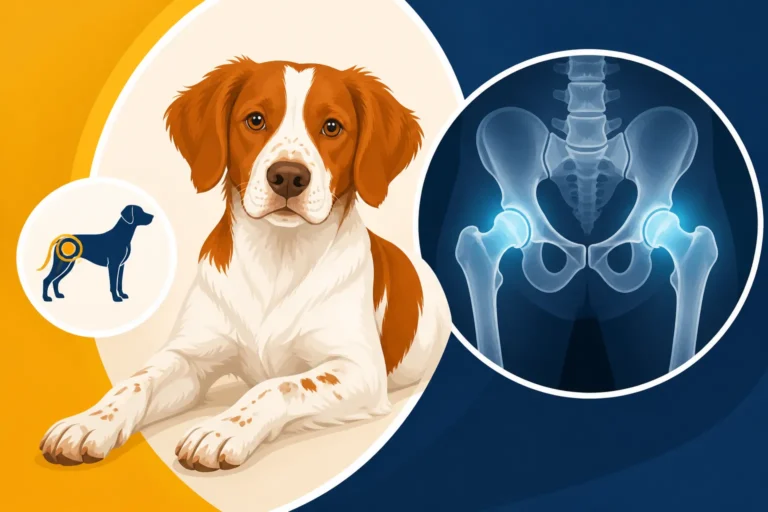
The fundamental difference lies in what PennHIP measures. While OFA primarily evaluates the "conformation" or shape of the hip joint through a single, extended-leg X-ray view, assigning subjective ratings like "Excellent," "Good," "Fair," or "Dysplastic," PennHIP dives into the laxity of the joint. Hip laxity refers to the degree of looseness within the hip joint. It’s essentially how much the femoral head (the ball) can move away from the acetabulum (the socket). This laxity is the primary risk factor for developing hip dysplasia and subsequent osteoarthritis.
PennHIP doesn't just look at how the hip looks when it's perfectly positioned; it actively assesses how much the joint can move apart under controlled stress. This objective, quantitative measurement means you get a number, not just an opinion. This is a critical distinction, especially for a breed like the Brittany, which is known for its incredible athleticism and requires sound joints for a lifetime of activity. For a deeper look into the efforts made to improve this, consider reading about what hip screening did for the Brittany Spaniel.
| Feature | OFA (Orthopedic Foundation for Animals) | PennHIP (University of Pennsylvania Hip Improvement Program) |
|---|---|---|
| Age for Eval | Minimum 24 months (2 years) for final certification. Preliminary evaluations possible earlier. | Minimum 16 weeks (4 months). |
| Primary Focus | Hip joint conformation (shape, fit, evidence of degeneration). | Quantifies passive hip joint laxity (looseness) and congruity. |
| Methodology | Single, extended-leg X-ray view. Evaluated by 3 radiologists. Subjective rating. | Three X-ray views: distraction, compression, and hip-extended. Objective, quantitative measurement. |
| Results | Phenotypic grade (Excellent, Good, Fair, Borderline, Mild, Moderate, Severe). Pass/fail at 24 mos. | Distraction Index (DI) from 0 to 1. Reports breed-specific percentile. |
| Predictive Power | Less predictive for future hip dysplasia, primarily describes current state at time of evaluation. | More predictive for the future development of osteoarthritis associated with hip dysplasia. |
| Breeding Tool | Used to screen dogs suitable for breeding at 24 months. | Can be used as an early selection tool for breeding stock from 16 weeks. |
The Science Behind Laxity: Predicting Future Osteoarthritis
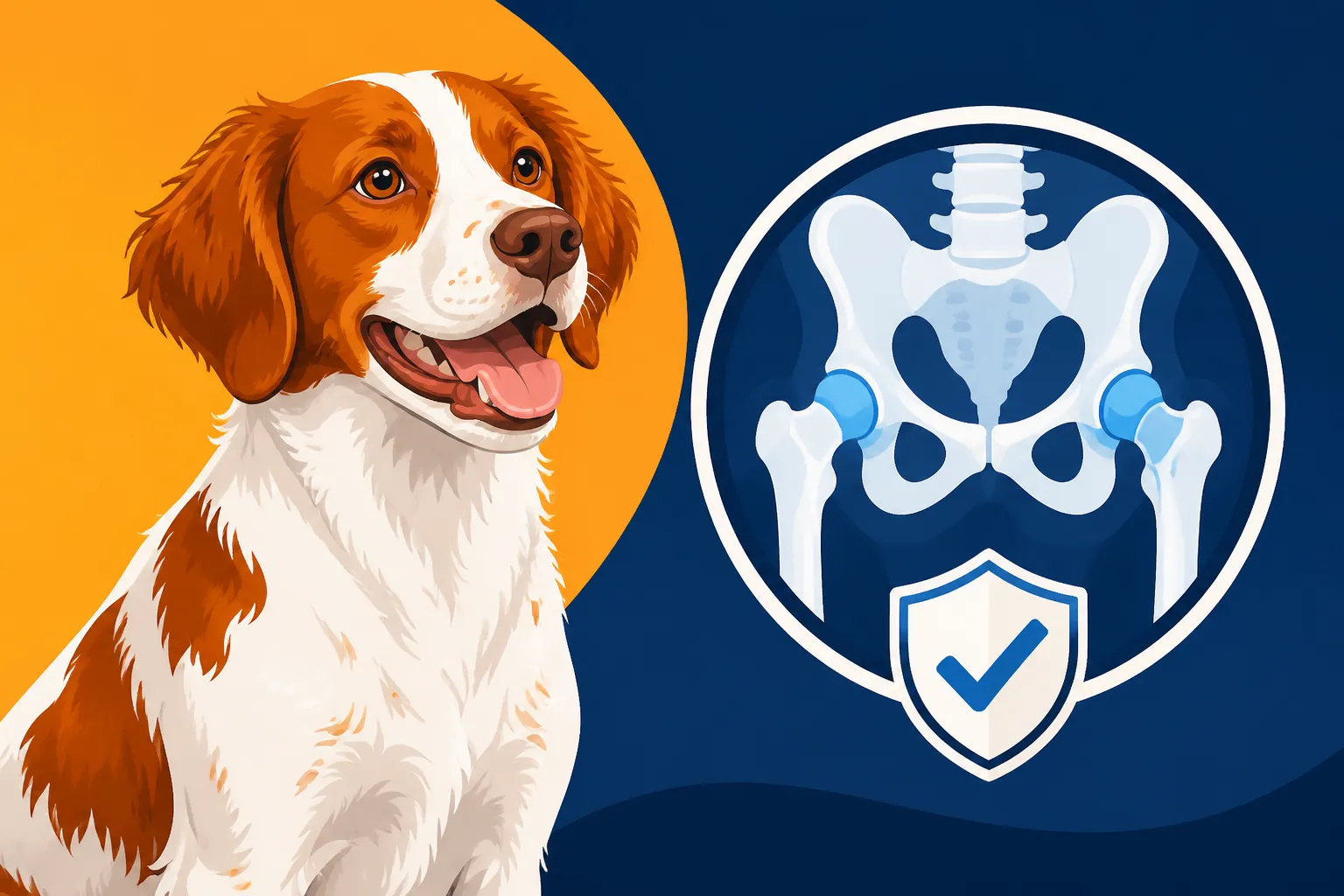
PennHIP's strength lies in its ability to quantify joint laxity, a trait that is highly heritable and directly correlated with the likelihood of developing osteoarthritis (OA) later in life. A loose hip joint experiences more abnormal movement and stress, leading to cartilage wear, inflammation, and eventually, the painful bone changes characteristic of OA. By measuring this distraction – how far the ball can be pulled out of the socket – PennHIP gives you a glimpse into your Brittany's genetic predisposition for hip issues, even before any clinical signs of lameness or discomfort appear.
This early insight is invaluable. Imagine being able to understand your Brittany's inherent risk factors when they are still a puppy. This proactive knowledge allows both breeders to select appropriate pairings to reduce the incidence of hip dysplasia across generations, and for pet owners, it enables early lifestyle adjustments to potentially mitigate the progression of the disease. For example, if you know your Brittany has looser hips, you might adjust their exercise regimen, nutritional support, or even consider joint supplements earlier. This forward-thinking approach can significantly impact their long-term comfort and mobility, helping to avoid or delay the need for intensive interventions. Knowing how common hip dysplasia is in Brittany Spaniels makes this early assessment even more critical.
The PennHIP Procedure for Your Brittany
Undergoing a PennHIP evaluation is a different experience compared to a standard X-ray or OFA screening. It's a specific set of diagnostic images that require precise positioning and, importantly, specific training for the veterinarian performing the procedure. This isn't something every vet offers, so finding a certified PennHIP veterinarian is your first step.
Early Screening: A Game-Changer for Breeders and Owners
One of the most compelling advantages of PennHIP is that it can be performed on puppies as young as 16 weeks old. Think about that for a moment: you don't have to wait two years, hoping and wondering if your energetic Brittany will develop hip problems. This early screening is a true game-changer. For breeders, it means they can make informed decisions about potential breeding stock much earlier, selecting individuals with tighter hips to improve the genetic health of their lines. This aligns perfectly with the goals of responsible breeding programs, which aim to produce healthy, functional dogs.
For pet owners, even if you don't plan to breed, early screening provides invaluable information. If your young Brittany shows a predisposition to hip laxity, you can start implementing preventive measures right away. This could include controlled exercise regimens to build strong supportive musculature without overstressing the joints, careful nutritional management to prevent excessive weight gain, and potentially joint support supplements. Knowing when a Brittany's hips should be X-rayed, and having the option to do it early, gives you a significant head start in managing their joint health throughout their life.
The Sedation and Specific Imaging Views
To get accurate PennHIP measurements, your Brittany will need to be sedated. This isn't just to keep them still; it's crucial for relaxing the muscles around the hips, allowing the veterinarian to get the precise, standardized X-ray views necessary for evaluation. There are three distinct radiographic views taken:
- Distraction View: This is the hallmark of PennHIP. The veterinarian uses a specialized device to gently apply pressure, pushing the femurs together and then pulling them apart. This distraction allows the measurement of passive hip laxity – how much the femoral heads can be distended from the acetabula. This is the core measurement that predicts the likelihood of developing hip dysplasia.
- Compression View: For this view, the veterinarian pushes the femoral heads into the acetabula. This helps assess the "congruity" or fit of the joint when it's naturally seated. It's a key component in understanding the overall joint health.
- Hip-Extended View: This view is similar to the standard OFA positioning, with the legs extended straight back. While OFA relies solely on this view, for PennHIP, it serves as a complementary image to evaluate the joint for existing signs of osteoarthritis or any bone remodeling.
These three views, taken under sedation by a trained professional, provide a comprehensive picture of your Brittany's hip health. The images are then sent to a central PennHIP analysis center, where specially trained radiologists perform precise measurements using a calibrated ruler. The data is then compiled, and a detailed report is generated for your veterinarian, which you will then receive.
Deciphering Your Brittany's PennHIP Scores
Once your Brittany has undergone the PennHIP evaluation, you'll receive a detailed report. Unlike a simple "pass" or "fail," this report provides quantitative data, which can feel a bit daunting at first. But understanding these numbers is key to making the most of the information for your Brittany's health.
The Numeric Score: Distraction Index
The most important number you'll see on your PennHIP report is the Distraction Index (DI). This is a numerical measurement that quantifies the degree of hip laxity. The DI ranges from 0 to 1, where a DI of 0 indicates perfectly tight hips (no laxity) and a DI of 1 indicates extremely loose hips.
Here's a general breakdown of what the numbers mean:
- Lower DI (closer to 0): This indicates tighter hips. Tighter hips have a lower risk of developing hip dysplasia and subsequent osteoarthritis.
- Higher DI (closer to 1): This indicates looser hips. Looser hips have a higher risk of developing hip dysplasia and osteoarthritis.
It's important to understand that no dog will have a DI of 0, as there's always some degree of laxity. What you're looking for is a DI that falls within a healthy range for the Brittany breed, or even better, on the tighter side of that range. This information is crucial, especially for breeders who are striving to improve the breed's health. For example, if you're looking at what a Brittany Spaniel breeder should have tested, PennHIP's DI is a paramount piece of information.
Understanding Breed-Specific Percentiles
What truly makes PennHIP valuable is its comparative aspect. Your Brittany's DI isn't just an isolated number; it's compared against the collective data of thousands of other Brittanys in the PennHIP database. The report will tell you your dog's DI and then provide a percentile ranking within the Brittany breed.
For instance, if your Brittany has a DI that places them in the 80th percentile, it means that 80% of Brittanys in the database have hips looser than your dog's, and only 20% have hips tighter. Conversely, if your dog is in the 20th percentile, it means 80% of Brittanys have hips tighter than your dog's, indicating a higher degree of laxity for the breed.
This breed-specific percentile ranking is incredibly insightful because it tells you exactly where your Brittany stands relative to its peers. A DI that might be considered "okay" for a breed with generally looser hips could be considered "poor" for a breed like the Brittany, which ideally should have reasonably tight hips for its active lifestyle. This comparison helps you gauge the actual risk. It’s a powerful tool, providing a factual, data-driven assessment that can guide decisions about everything from exercise routines to breeding plans. While PennHIP offers valuable insights, proactive health management often involves planning for the unexpected. Services from companies like Healthy Paws can provide peace of mind by helping cover veterinary costs, especially for a breed as active as the Brittany.
Making Informed Decisions with PennHIP Results
Receiving your Brittany's PennHIP report provides a wealth of information, but the real value comes from knowing how to use that information to benefit your dog, whether you're a breeder or a loving pet owner.
Breeding Considerations: Shaping Future Generations
For responsible Brittany breeders, PennHIP results are an indispensable tool in the fight against hip dysplasia. Unlike OFA, which requires dogs to be two years old for final certification, PennHIP's ability to assess hip laxity as early as 16 weeks means breeders can make more informed decisions about which puppies to retain for future breeding stock, long before they reach maturity. This greatly reduces the emotional and financial investment in raising a dog for breeding only to find out at two years old that they have unacceptable hip conformation.
The goal for breeders is to select dogs with tighter hips (lower DI scores) than the breed average. By consistently breeding individuals with DIs in the top 50% (meaning their hips are tighter than at least half of the Brittanys tested), breeders can actively improve the genetic quality of the breed over time. It's a powerful genetic selection tool that allows for a measurable impact on reducing the incidence of hip dysplasia across generations. This meticulous approach to breeding is a testament to dedication and helps ensure that the future of the Brittany breed maintains its reputation for being The Brittany Is One of the Healthiest Sporting Breeds. This careful consideration ties directly into "What a Brittany Spaniel Breeder Should Have Tested" to ensure the healthiest progeny.
Proactive Management for Pet Owners: Mitigating Risk
Even if your Brittany isn't destined for a breeding program, understanding their PennHIP results is incredibly valuable for their overall well-being. If your dog's DI indicates a higher degree of hip laxity, it means they are at a statistically higher risk of developing osteoarthritis later in life. This knowledge empowers you to implement proactive management strategies to help delay or even prevent the onset of painful symptoms.
These strategies can include:
- Weight Management: Keeping your Brittany at a lean, healthy weight is paramount. Excess weight puts additional strain on joints, accelerating wear and tear.
- Controlled Exercise: While Brittanys are energetic, high-impact activities, especially during puppyhood, should be managed. Focus on strengthening exercises that build muscle support around the hips without excessive jarring. Swimming and leash walks on soft surfaces are excellent choices. Consider how whether a working Brittany wears its joints out, and tailor their activity.
- Nutritional Support: A balanced diet is essential. Your veterinarian might recommend joint supplements containing ingredients like glucosamine, chondroitin, and omega-3 fatty acids, which can support cartilage health and reduce inflammation.
- Environmental Adjustments: Providing orthopedic beds, using ramps for cars or furniture, and ensuring non-slip surfaces at home can make a significant difference in comfort and prevent injury.
Early intervention and a vigilant approach can significantly impact your Brittany's quality of life, potentially warding off early signs like what hip surgery costs on a Brittany. Having a plan for long-term health, and even looking into pet insurance options from providers like Healthy Paws, can help manage potential future veterinary expenses associated with joint care.
The Long-Term Outlook: A Lifetime of Mobility
PennHIP offers a predictive measure of hip health, allowing you to anticipate potential challenges and intervene early. While a higher DI indicates a greater risk, it doesn't guarantee that your Brittany will develop severe hip dysplasia or debilitating arthritis. Instead, it provides a roadmap for personalized care. By taking a proactive stance, you can greatly influence your Brittany's long-term mobility and comfort.
This foresight allows you to work closely with your veterinarian to monitor their joint health, catch early signs of discomfort (such as signs a Brittany's hips hurt), and adjust their care plan as needed throughout their life. This is especially relevant as your Brittany ages, and you begin caring for a Brittany past ten, when arthritis and joint stiffness naturally become more common. Knowing their predispositions from a young age allows for a lifetime of tailored care, helping your Brittany enjoy many more years of happy, active life in the field and at home. Peace of mind comes from knowing you've done everything possible to support their joint health, and a good pet insurance plan, like those offered by Healthy Paws, can alleviate financial worries should more intensive treatments be needed down the line.
Disclaimer
The information provided in this article is for general informational purposes only and does not constitute veterinary advice. Always consult with a qualified veterinarian for any health concerns or before making any decisions related to your Brittany Spaniel's health and treatment.