Signs a Brittany Puppy Has an Immune Problem
Bringing a new Brittany puppy home is filled with joy and excitement, but it can quickly turn into a stressful experience if your little companion isn't thriving. Many new owners feel a pang of worry when their puppy seems constantly unwell, battling infection after infection, or just not bouncing back like a typical, robust pup. It's a truly disheartening situation when you suspect something deeper might be going on, and this guide is here to help you recognize the signs that your Brittany puppy might be grappling with an immune problem, and what steps you can take to support their health.
Understanding the Brittany's Immune System
The immune system is a complex network designed to protect your Brittany puppy from disease. It's their body's personal defense squad, always on alert for invading bacteria, viruses, fungi, and even abnormal cells. When it's working properly, it tackles these threats efficiently, allowing your puppy to grow, play, and explore without constant illness. However, sometimes this intricate system can falter, leading to a range of health issues.
How a Healthy Immune System Works in Puppies
A healthy puppy's immune system is constantly developing, learning to recognize threats and build defenses. Think of it like a brand new army receiving its training. Initially, they receive crucial passive immunity from their mother's colostrum – that rich, first milk – which provides antibodies to protect them in their earliest weeks. This maternal protection wanes over time, coinciding with their first series of vaccinations, which then stimulate their own immune system to produce antibodies against specific diseases. It's a delicate balance, and any interruption in this natural progression can leave a puppy vulnerable.
When a puppy's immune system is functioning optimally, they'll typically recover quickly from minor scrapes, sniffles, or transient tummy upsets. Their energy levels will be high, their coat will be shiny, and their eyes bright. They'll be curious, playful, and growing steadily. You might see a mild, temporary reaction to vaccines, but nothing prolonged or severe. This robust response is what every new puppy owner hopes for, as it signifies a strong foundation for a healthy life. Any deviation from this picture can be a cause for concern, hinting that their internal defense system isn't quite up to par.
Genetic Predispositions in the Brittany Breed
While Brittanys are generally considered a healthy breed, like all purebreds, they can have certain genetic predispositions that can impact their immune system. Responsible breeders work tirelessly to screen for these, but awareness is key for owners. Understanding these potential inherited weaknesses isn't about casting blame; it's about being informed and proactive in your puppy's care. It’s a harsh reality that even with the best intentions, some genetic traits can lurk in the background.
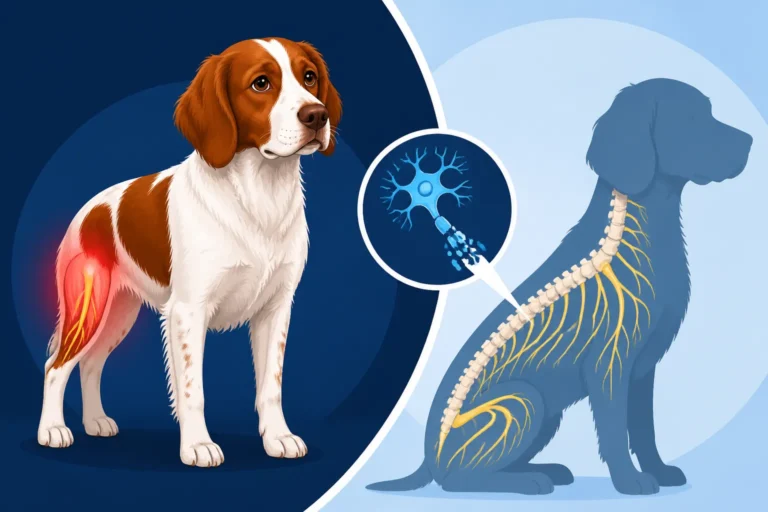
One of the most notable immune-related genetic issues in Brittanys is C3 Deficiency, a primary immunodeficiency disorder. This condition means the puppy lacks a vital protein (C3) in their complement system, a crucial part of the innate immune response. Without C3, their body struggles to identify and destroy pathogens, making them highly susceptible to recurrent bacterial infections. It’s important to understand "How C3 Deficiency Is Inherited in Brittanys" to appreciate why careful breeding is so vital. Another concern can be the potential for various autoimmune diseases, where the immune system mistakenly attacks its own healthy cells. These conditions can sometimes manifest early in life, presenting a unique challenge to puppy owners.
Early Warning Signs of Immune Problems
Catching an immune problem early can make a significant difference in your Brittany puppy's prognosis and quality of life. It’s not always about dramatic symptoms; sometimes it’s a subtle pattern of recurring issues that just feels “off.” As a vigilant pet parent, you're often the first to notice these subtle cues that indicate their body isn't fighting off threats as it should. Don't second-guess your intuition if you feel something isn't quite right.
Persistent or Recurrent Infections
One of the most common and frustrating signs of a compromised immune system in a Brittany puppy is a history of persistent or recurrent infections. This isn't just a one-off ear infection; we're talking about a puppy that seems to be constantly battling something. It might be repeated trips to the vet for ear infections, skin infections that never quite clear up, or lingering respiratory issues like chronic coughs or runny noses. These infections might respond to antibiotics or other treatments, but they tend to return shortly after medication is stopped, or they require unusually long courses of treatment to resolve.
Imagine your puppy, full of zest, suddenly developing another bout of bacterial skin infection just weeks after clearing up the last one. Or perhaps they're always dealing with gooey, inflamed ears, despite diligent cleaning. This pattern signals that their body's natural defenses aren't strong enough to keep these common pathogens at bay. These aren't just minor inconveniences; they can cause significant discomfort for your puppy and indicate a deeper underlying issue like a weakened immune response. If your vet is constantly prescribing antibiotics or antifungals, it's worth discussing whether an immune problem could be the root cause. A puppy with C3 Deficiency, for example, will struggle to fight off many common bacterial invaders because their body literally cannot tag them for destruction, leading to "Which Infections a C3 Deficient Brittany Gets".
Unusual Skin and Coat Issues
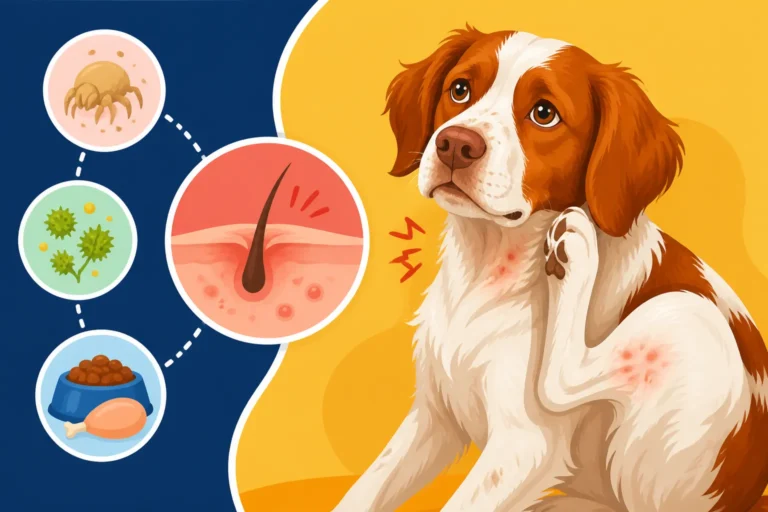
The skin and coat are often mirrors of internal health, and unusual issues in these areas can be strong indicators of an immune problem. Beyond simple fleas or dry skin, watch for signs like persistent itching and scratching without an obvious external parasite cause. You might notice areas of redness, inflammation, or sores that don't heal well or keep coming back. A dull, sparse, or brittle coat, even with proper nutrition, could also be a red flag.
More specific to immune-mediated conditions, look for changes in pigmentation, especially around the nose, lips, or eyelids. One condition that can manifest this way is Discoid Lupus Erythematosus (DLE), which can cause depigmentation and crusting on the nose. Early signs might include the loss of the normal black pigment on the nose, often referred to as "snow nose" or "Dudley nose," but in DLE it's typically accompanied by inflammation, scaling, and sometimes ulceration. For more details, you might explore "What Discoid Lupus Does to a Brittany's Nose." These issues aren't just cosmetic; they can be painful and lead to secondary bacterial infections if left unaddressed.
Gastrointestinal Upset and Poor Growth
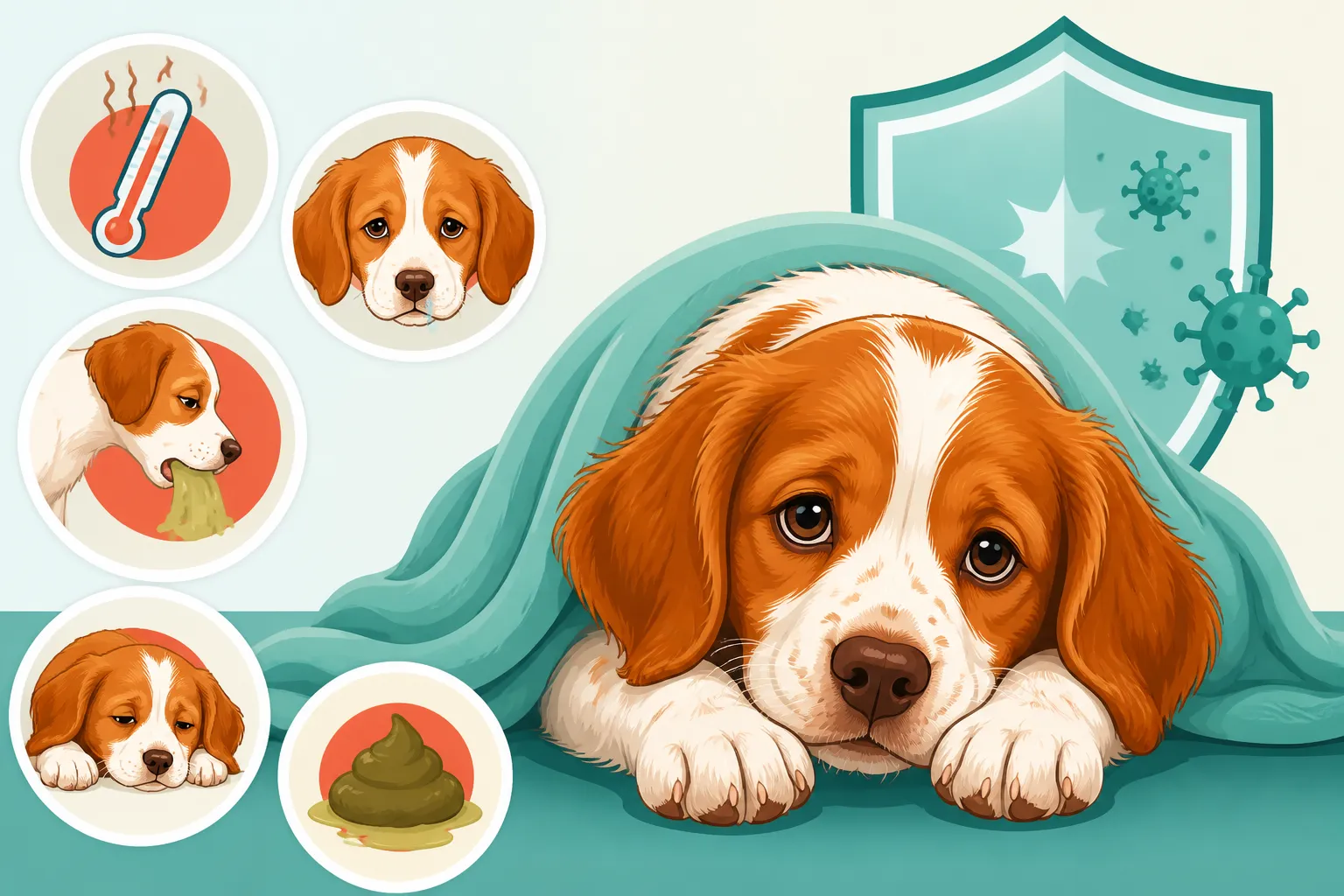
A healthy immune system plays a crucial role in maintaining gut health, so persistent gastrointestinal upset can sometimes be linked to an underlying immune problem. If your Brittany puppy frequently experiences diarrhea, vomiting, or shows signs of chronic abdominal discomfort, despite dietary adjustments and routine deworming, it warrants investigation. These symptoms can prevent proper nutrient absorption, which in turn can lead to poor growth and development.
A puppy that isn't growing at the expected rate for its breed, or one that looks noticeably smaller or frailer than its littermates, could be struggling to process nutrients due to ongoing inflammation or malabsorption issues stemming from a compromised immune system. They might have a ravenous appetite but still appear underweight, or they could simply lack the robust energy of their peers. This failure to thrive is a serious symptom that demands attention. It could be related to conditions where the immune system attacks the gut lining, or simply an inability to effectively combat common gut pathogens that a healthy immune system would easily clear. For a puppy with C3 Deficiency, for instance, a constant battle with bacterial infections could easily impact their digestive system and overall development, affecting "The Age C3 Deficiency Shows in a Brittany" and ultimately whether "a C3 Deficient Brittany Reaches Adulthood".
Specific Immune-Mediated Conditions in Brittanys
While many immune problems are general, the Brittany breed has a known susceptibility to certain specific immune-mediated conditions. Being aware of these can help you and your veterinarian narrow down possibilities and get to a diagnosis faster. It's a testament to how unique each breed's genetic blueprint truly is, and why breed-specific knowledge is so incredibly valuable for responsible pet ownership.
C3 Deficiency and Its Impact
As mentioned earlier, C3 Deficiency is a primary immunodeficiency specific to the Brittany. This genetic condition results in the inability to produce functional C3 protein, which is essential for the activation of the complement system. The complement system acts as a frontline defense, marking pathogens for destruction and coordinating other immune responses. Without C3, your Brittany puppy's body is essentially missing a critical early warning and attack mechanism against common bacteria.
The impact of C3 Deficiency can be profound. Puppies affected by this condition are prone to severe, recurrent bacterial infections, particularly of the skin, respiratory tract, and urinary tract. These infections can be life-threatening and may require aggressive, prolonged antibiotic therapy. Owners often report a puppy that is "always sick," never quite shaking off one infection before another takes hold. Early detection through genetic testing is vital, and thankfully, "Whether a DNA Test for Brittany C3 Deficiency Exists" is a question with a positive answer. Understanding "Why a C3 Deficient Brittany Cannot Fight Infection" truly highlights the severity of this condition and the importance of screening, especially for breeders. If you suspect C3 Deficiency, prompt veterinary care and management are crucial for your puppy's survival and long-term well-being.
Discoid Lupus Erythematosus Early Manifestations
Discoid Lupus Erythematosus (DLE) is another immune-mediated condition that can affect Brittanys, though it's typically less severe than systemic lupus. DLE is an autoimmune disease primarily affecting the skin, particularly on the face. While it can appear in adult dogs, early manifestations can sometimes be seen in younger Brittanys. It’s a frustrating condition because it often mimics other, less serious skin issues, making diagnosis challenging without specific tests.
The most common early signs of DLE include depigmentation, redness, scaling, crusting, and ulceration of the nasal planum (the black part of the nose). The normally textured, pebbled surface of the nose can become smooth, shiny, and then cracked or eroded. Sunlight often exacerbates these lesions, making them worse during warmer months or after prolonged sun exposure. You might notice your puppy pawing at their nose or showing discomfort when touched there. While DLE isn't typically life-threatening, it can be quite uncomfortable and requires lifelong management. For more specific visual cues and details on how it progresses, "Signs a Brittany Has Discoid Lupus" can provide further insight. Catching these changes early means you can start treatment sooner, which often involves topical steroids and sun protection, as detailed in "How a Brittany With Discoid Lupus Is Treated."
Other Autoimmune Concerns to Be Aware Of
Beyond C3 Deficiency and DLE, Brittanys can, like any breed, be susceptible to a range of other autoimmune diseases, though these might not be as breed-specific or common in puppies. Autoimmune diseases occur when the immune system mistakenly attacks the body's own tissues, leading to inflammation and damage. These conditions can affect almost any organ system, from joints to glands to blood cells.
For instance, immune-mediated polyarthritis can cause painful, swollen joints. Immune-mediated hemolytic anemia (IMHA) involves the destruction of red blood cells, leading to severe anemia. Hypothyroidism, while often seen in adult dogs, can occasionally have an autoimmune component and affect growth and energy levels, though true autoimmune hypothyroidism in puppies is less common. If your Brittany puppy presents with unexplained lameness, lethargy, pale gums, or dramatic weight changes, and other more common causes have been ruled out, your veterinarian might consider looking into autoimmune panels. It’s always worth asking "Whether a Brittany Gets Autoimmune Disease" if you're facing puzzling, persistent symptoms. Early diagnosis and appropriate immunosuppressive treatment are often critical for managing these conditions and improving your puppy's quality of life.
When to Seek Veterinary Attention and What to Expect
It can be overwhelming trying to decide when a symptom is just "puppy stuff" and when it's a genuine red flag. Trusting your gut instinct is paramount, but knowing what symptoms truly warrant an immediate trip to the vet can prevent a minor issue from escalating into a serious health crisis. Dealing with a sick puppy is emotionally taxing, and having a plan can bring a sense of control.
Recognizing Red Flags and Emergency Situations
While minor issues can often wait for a routine vet appointment, certain symptoms in a Brittany puppy indicate an emergency and require immediate veterinary attention. These include:
- Severe Lethargy: A puppy that is unresponsive, unusually quiet, or struggles to stand or move.
- Persistent Vomiting or Diarrhea: Especially if accompanied by blood, extreme weakness, or signs of dehydration (sunken eyes, dry gums, loss of skin elasticity).
- Difficulty Breathing: Labored breathing, gasping, blue-tinged gums, or persistent coughing.
- High Fever: A rectal temperature above 103°F (39.4°C), especially if unresponsive to basic cooling.
- Pale Gums: Indicates severe anemia or shock.
- Sudden Swelling: Localized swelling that appears rapidly, or generalized swelling.
- Neurological Signs: Seizures, disorientation, sudden blindness, or loss of balance.
- Non-Healing Wounds or Abscesses: Infections that are spreading rapidly or causing systemic illness.
If your puppy exhibits any of these signs, don't delay. An immediate visit to an emergency veterinary clinic is crucial. For less severe but persistent issues, like recurrent infections or skin problems, schedule an appointment with your regular veterinarian as soon as possible. Jot down notes about when symptoms started, how often they occur, and any treatments you've tried. This detailed information will be invaluable to your vet, and potentially to your pet insurance provider like Healthy Paws, who might require a detailed history of symptoms and care.
Diagnostic Tests for Immune Problems
Once you're at the vet, they'll start with a thorough physical examination and discuss your puppy's history in detail. For suspected immune problems, a range of diagnostic tests might be recommended. These aren't always quick or cheap, but they are essential for getting to the bottom of the issue.
- Bloodwork: A complete blood count (CBC) can reveal signs of infection, inflammation, or anemia. A biochemistry panel assesses organ function.
- Urinalysis and Culture: To check for urinary tract infections.
- Skin Scrapes, Fungal Cultures, and Biopsies: To diagnose skin infections, parasites, or autoimmune skin conditions like DLE. A skin biopsy is often definitive for DLE, helping "How Discoid Lupus Is Diagnosed in a Brittany".
- Bacterial Cultures: From any infected site (skin, ears, urine, wounds) to identify the specific bacteria and guide antibiotic choice.
- Genetic Testing: For breed-specific conditions like C3 Deficiency, a DNA test is the gold standard. Breeders should be able to provide documentation, but if you're unsure, you can often arrange for your own testing. "Whether a Brittany Breeder Screens for C3" is a question every potential owner should ask.
- Immunology Panels: More specialized blood tests can measure specific immune components (like C3 levels) or screen for antinuclear antibodies (ANA), which can indicate systemic autoimmune disease.
- Imaging: X-rays or ultrasound may be used to assess internal organs if systemic issues are suspected.
This process can feel like a maze, especially when you're worried about your puppy. Don't hesitate to ask your vet to explain each test and its purpose. It's an investment in your puppy's future health, and services from pet insurance providers like Healthy Paws can often help manage the costs associated with these extensive diagnostic workups, allowing you to focus on your puppy's care without undue financial strain.
Supporting Your Brittany Puppy's Immune Health
Beyond specific treatments for diagnosed conditions, there's a lot you can do as an owner to support your Brittany puppy's overall immune health. A holistic approach focusing on good nutrition, a low-stress environment, and diligent preventive care can make a world of difference.
Nutrition and Lifestyle Factors
Good nutrition is the bedrock of a strong immune system. Your Brittany puppy needs a high-quality, balanced diet specifically formulated for puppies of their size and activity level. Look for foods with easily digestible proteins, essential fatty acids (like Omega-3s), and appropriate levels of vitamins and minerals. Some premium dog food brands, like Purina Pro Plan Sport or Eukanuba, offer excellent formulations that support a healthy immune system with ingredients rich in antioxidants and prebiotics. Avoid frequent diet changes, which can upset a sensitive digestive system, and ensure they always have access to fresh, clean water.
Lifestyle factors also play a critical role. Stress can suppress the immune system, so strive to provide a stable, loving, and predictable environment for your puppy. Ensure they get adequate rest; growing puppies need a lot of sleep. While Brittanys are energetic, over-exercising a puppy can also be detrimental. Tailor their activity to their age and development, providing plenty of mental stimulation alongside physical activity. Regular, moderate exercise can boost circulation and overall health, but avoid exposing a young puppy to overly crowded or unsanitized environments where they might pick up infections more easily, especially if their immune system is already compromised.
Proactive Care and Prevention Strategies
Preventive care is crucial for any puppy, but even more so for one with a suspected or diagnosed immune problem. Staying on top of vaccinations (as advised by your vet, especially if there are immune concerns, as "Whether a C3 Deficient Brittany Responds to Vaccines" is a valid question) and parasite control (fleas, ticks, worms) reduces the burden on their immune system. Regular veterinary check-ups are non-negotiable. Your vet can monitor their health, perform routine bloodwork, and catch potential issues before they become severe. It’s also important to understand that "How Often a Brittany Needs a Wellness Exam" might be more frequent if immune issues are present.
For puppies with specific immune conditions like DLE, prevention might involve avoiding direct sunlight during peak hours and using veterinarian-approved pet sunscreen on affected areas. Maintaining excellent hygiene, including regular grooming and ear cleaning, can prevent secondary infections, especially with those floppy Brittany ears. Always dry their ears thoroughly after swimming or bathing. Beyond these specifics, consider investing in pet insurance from providers like Healthy Paws early in your puppy's life. This foresight can be a lifesaver, covering a significant portion of the unexpected costs associated with diagnosing and managing chronic immune conditions, giving you peace of mind to provide the best care without financial worry.
| Symptom Category | Signs of Normal Puppy Illness | Signs Suggesting Immune Problem in Brittany Puppy |
|---|---|---|
| Infections | Occasional ear infection, single skin rash, mild cough, clears up quickly with treatment. | Frequent, recurrent ear/skin infections, chronic respiratory issues, slow to respond to antibiotics, infections return after treatment stops. |
| Skin & Coat | Occasional itch, minor shedding, healthy coat texture. | Persistent itching, non-healing sores, recurrent hot spots, dull/brittle coat, sudden loss of nasal pigment, crusting/ulceration around nose. |
| Gastrointestinal | Occasional mild diarrhea (diet change, stress), transient vomiting, recovers quickly. | Chronic diarrhea/vomiting, poor appetite despite hunger, consistent lack of weight gain despite adequate food, failure to thrive. |
| Energy/Growth | Energetic, playful, steady growth, occasional naps. | Persistent lethargy, unusually quiet, noticeably smaller than littermates, poor muscle development, generally "unthrifty" appearance. |
| General Well-being | Bright eyes, moist nose, resilient. | Dull eyes, persistent discharge, recurring fever, pale gums, general "unwell" appearance over extended periods. |
Disclaimer
The information provided in this article is for general informational purposes only and is not intended as a substitute for professional veterinary advice. Always seek the advice of your veterinarian or other qualified health provider with any questions you may have regarding a medical condition or treatment for your Brittany Spaniel puppy. Never disregard professional veterinary advice or delay in seeking it because of something you have read in this article.