What the Peasants of Brittany Used the Dog For
Life for the peasants of Brittany, France, centuries ago was a constant dance with survival, where every resource was precious and every living creature had a role to play. In this challenging environment, the early Brittany-type dogs weren't just pets; they were integral members of the family, earning their keep by putting food on the table and providing companionship in a tough world. This guide delves into the indispensable tasks these dogs performed, shaping them into the beloved companions and skilled hunters we know today.
The Daily Struggle and the Dog's Role in Rural Brittany
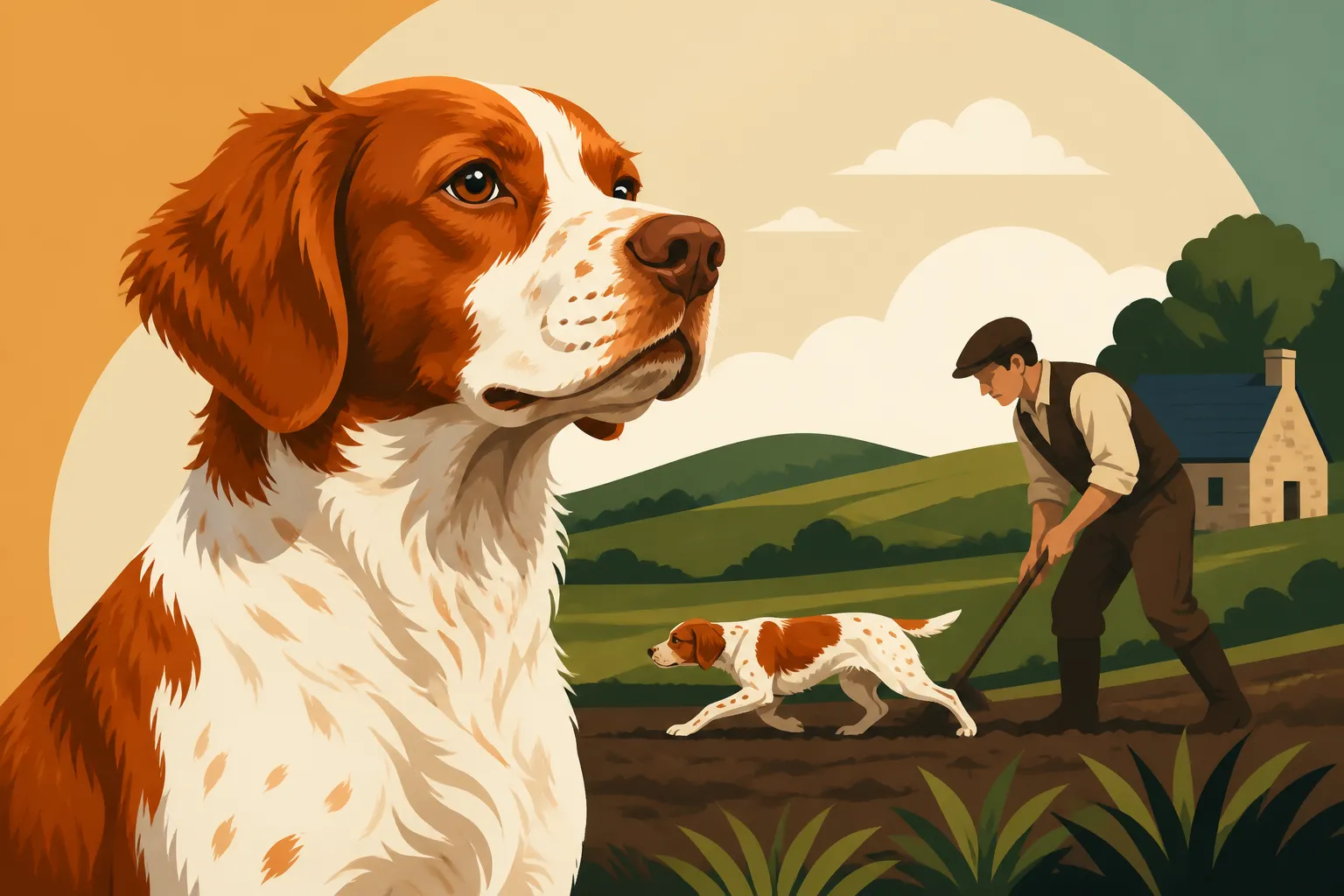
Imagine a time before grocery stores, before readily available doctors, before even basic public services were a given. This was the reality for the peasants living in the rugged, rural landscape of Brittany. Their lives revolved around subsistence farming, hunting, and making do with whatever nature and their own ingenuity provided. In such an existence, an animal's value was directly tied to its utility, and the dogs sharing their humble homes were no exception.
Life on the Edge: Why Every Contribution Counted
For these families, famine was a very real threat. Crops could fail, disease could strike livestock, and harsh winters could isolate them from any form of aid. Every bit of food, every scrap of warmth, every ounce of protection was vital. A dog that simply sat by the fire, no matter how beloved, was a luxury most couldn't afford. This fierce necessity meant that the dogs that survived and thrived alongside these families were those that demonstrated a clear, undeniable benefit to daily life. Their very presence was a testament to their value.
It wasn't just about food, though that was paramount. It was also about resourcefulness and leveraging everything at hand. The land itself was often a mix of dense woodlands, open fields, and marshy coastal areas – perfect habitat for small game like rabbits, hares, and various birds. A peasant family might have a small plot of land, but the surrounding wild areas offered supplementary sustenance if they had the means to acquire it. This is where a dog with exceptional hunting instincts became not just helpful, but truly indispensable.
The Origins of a Working Partnership
The dogs that would eventually become the Brittany breed weren't the result of selective breeding for show or sport in their early days. Instead, they evolved through a natural selection process, favoring traits that made them excellent partners for hunting and general farm life. These were often medium-sized dogs, sturdy and resilient, able to withstand the varied terrain and often damp climate of Brittany. They developed keen senses, a strong desire to please, and an innate understanding of working alongside a human. You can trace these deep roots when you consider Where the Brittany Comes From and how its purpose was born from necessity.
These dogs were essentially living tools, honed by generations of practical application. A good dog could mean the difference between a meager meal and a slightly more substantial one. They weren't pedigree animals with fancy papers, but rather the result of generations of local dogs breeding with the best working individuals, often with an influx of bloodlines from English setters and spaniels left behind by visiting noblemen. This cross-pollination likely contributed to their exceptional bird sense and biddability.
The Versatile Hunter: How Brittanys Provided Sustenance
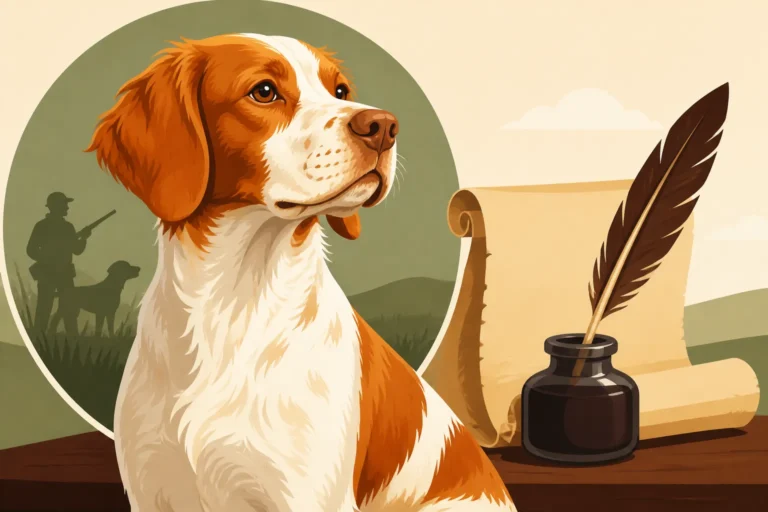
The primary, undeniable contribution of these early Brittany-type dogs was their skill as hunters. They weren't specialized dogs in the way some aristocratic breeds might have been; instead, they were generalists, capable of adapting their hunting style to whatever game was available and whatever method their human partner employed. This versatility made them invaluable.
Hunting for the Pot: Small Game and Birds
The diet of a Breton peasant would have been heavily supplemented by small game. Imagine a family needing to put food on the table every single day. A dog that could reliably find and retrieve a rabbit, or point out a covey of quail, was a lifeline. These dogs were probably used for hunting various types of game, including hares, partridges, pheasants, and woodcock, all common in the region. They weren't just flushing dogs; they were pointing dogs, a crucial distinction that allowed their human companions to approach and capture game more effectively, often with snares, nets, or simple traps rather than expensive firearms.
The ability to point game allowed the hunter to conserve energy and make the most of each opportunity. A dog that would hold a steady point, allowing its owner to sneak up, was far more valuable than one that simply rushed in and scattered the game. This precise pointing instinct, deeply ingrained in the breed, speaks directly to their origins as a means of survival. This tradition of efficient hunting is why The Brittany Points, It Does Not Flush is such a defining characteristic even today.
Methods of Capture: Not Just for Guns
It's a common misconception that all hunting dogs were exclusively used with firearms. For the peasants, guns were expensive, unreliable, and often illegal to possess without noble permission. Instead, they relied on ingenuity and the dog's keen senses. The Brittany-type dog would often be used to locate game, hold a point, and then the peasant would deploy a net, trap, or even a sling. This required a dog that was patient, steady, and entirely focused on its task, understanding that its job was to find the game, not necessarily retrieve it after a shot.
Consider a scenario: a peasant and his dog are walking through a brushy field. The dog suddenly freezes, nose twitching, tail stiff. It's on point. The peasant, understanding the subtle cues, would then cautiously approach, perhaps laying down a fine mesh net over the area where the bird was hidden. The dog’s steady stance would keep the bird pinned, allowing the peasant to capture it alive or dispatch it quickly. This method minimized waste and maximized the chances of a successful hunt.
| Hunting Method | Peasant Era (Approx. 17th-19th Century) | Modern Era (21st Century) |
|---|---|---|
| Primary Tool | Nets, snares, slings, sticks, sometimes primitive firearms | Shotguns, bows, occasionally falconry |
| Dog's Role | Locate, point, retrieve (if possible), distract | Locate, point, retrieve (post-shot) |
| Game Sought | Rabbits, hares, partridges, pheasants, woodcock | Upland birds (pheasant, quail, grouse), waterfowl |
| Purpose | Sustenance, survival, supplementary income | Sport, conservation, occasional food |
| Dog's Training Focus | Steadiness, natural point, quiet work | Steady to wing, shot, and fall; reliable retrieve |
More Than a Hunter: Companion, Alarm, and Helper
While hunting was undoubtedly their most critical role, these early Brittany-type dogs were far more than just hunting machines. They were woven into the fabric of daily peasant life, providing companionship, a sense of security, and even helping with basic chores. Their intelligence and biddability made them adaptable to various needs, solidifying their place in the household.
A Loyal Companion in Harsh Times
Life for a peasant was often solitary and arduous. The bond with an animal, especially one that shared the daily struggles and triumphs, would have been incredibly strong. These dogs were constantly by their owner's side, whether in the fields, on the hunt, or back in the humble cottage. They offered silent companionship, a warm body on a cold night, and an undeniable sense of loyalty. This deep connection forged in adversity is perhaps why The Brittany Is the Pointing Breed You Can Live With is such a common sentiment among owners today; their innate desire to be near their people is a historical trait.
This companionship was not a luxury but a fundamental aspect of their integration. Imagine spending all day working the land, with only your dog as a constant presence. That bond fostered trust and understanding that translated directly into effective teamwork during a hunt. The dog learned to read its owner's subtle cues, and the owner learned to trust the dog's instincts. This mutual respect was essential for their shared survival.
An Early Warning System for the Homestead
In isolated rural areas, a barking dog was often the first and only warning of an approaching stranger or a potential threat. While not bred specifically as guard dogs, their natural alertness and protective instincts would have made them excellent deterrents against petty thieves or dangerous wild animals. A deep, resonant bark could alert the family to trouble long before it arrived, giving them precious time to prepare. This vigilance contributed to the overall security of the peasant's meager belongings and family.
Their senses were also vital for detecting other hazards. The smell of a predator approaching the livestock pens, the sound of an unfamiliar animal in the woods – these were all things a Brittany-type dog would notice and react to, providing an early warning system that was more reliable than any human could be alone. This vigilance, while perhaps not actively trained, was a natural extension of their keen awareness of their surroundings.
Simple Help Around the Farm
Beyond hunting and companionship, these dogs likely assisted with various simple tasks around the farm. While they weren't herding dogs in the traditional sense, their intelligence and willingness to please might have been employed to help move small livestock or alert a shepherd to a stray. They could also have been tasked with keeping varmints away from the garden or granary, a constant battle for any farming family. Their presence alone could deter small rodents and other pests that threatened precious food stores.
For example, a peasant might rely on their Brittany to chase chickens back into their coop at dusk, or to keep a watchful eye on a small herd of goats while they grazed. Their boundless energy, which today's owners often grapple with in providing sufficient exercise (and might lead them to seek active toys or gear from places like Chewy), would have been put to good use in these early settings, constantly moving and observing, ever ready to lend a paw.
The Enduring Legacy: How Peasant Needs Forged a Breed
The tough, practical realities of peasant life undeniably molded the early Brittany-type dogs into the adaptable, intelligent, and biddable creatures we recognize today. Every trait we admire in the modern Brittany—its keen nose, its tireless energy, its eagerness to please, and its compact size—can be traced back to these utilitarian origins.
From Necessity to National Treasure
What started as a working dog for common folk eventually caught the eye of wealthier landowners and eventually became recognized as a distinct breed. The French recognized its exceptional qualities, and through more structured breeding programs, the Brittany (or Epagneul Breton, as it's known in its homeland) began its journey to international renown. The very characteristics that made it perfect for a peasant hunting with snares—its close-working range, its intense point, and its retrieve—also made it ideal for hunters with guns, adapting seamlessly to changing sporting practices.
The focus on utility meant that exaggerated physical traits, which sometimes appear in breeds bred solely for show, were largely absent. Function dictated form. A dog that couldn't perform in the field simply wouldn't be bred, ensuring that the working instincts remained paramount. This is why even today, many Brittanys retain their strong hunting drive and innate abilities, making them popular choices for those who still seek a true working bird dog.
The Modern Brittany: Echoes of the Past
Today, a Brittany might sleep on a soft bed and eat premium kibble, but its heart still beats with the spirit of its peasant ancestors. That boundless energy needs an outlet, whether it's hunting upland birds, competing in agility, or simply going for long runs. Their intelligence means they thrive on mental stimulation, and their desire to please makes them highly trainable, though they do respond best to positive reinforcement due to their sensitive nature. The Brittany Is the Softest of the Pointing Breeds, a trait that makes them delightful companions but requires a gentle hand in training.
When you see a Brittany quartering a field, nose to the ground, or holding a staunch point, you are witnessing an echo of history. You are seeing the culmination of centuries of dogs earning their keep, providing for their families, and developing a partnership that transcended social classes. From the humble cottages of Brittany to modern homes, this breed continues to embody versatility, loyalty, and an unwavering drive to work alongside its human companions. Understanding their origins deepens our appreciation for these incredible dogs.
Disclaimer
This article is for general informational purposes only and does not constitute professional advice. Laws, prices and regulations vary by location and change over time. Consult a qualified professional for guidance on your specific situation.