Which Part of France the Brittany Comes From
Have you ever looked into your Brittany's intelligent eyes and wondered about the lands they sprang from? It's common for owners to know their dogs are from France, but the specific region and its profound impact on the breed often remain a mystery. This guide will take you on a journey to the very heart of the Brittany's ancestral home in northwest France, revealing how its unique geography and cultural history shaped the resilient, biddable, and beloved sporting dog we know today.
The Ancient Roots of the Brittany: A Glimpse into its Geographical Origin
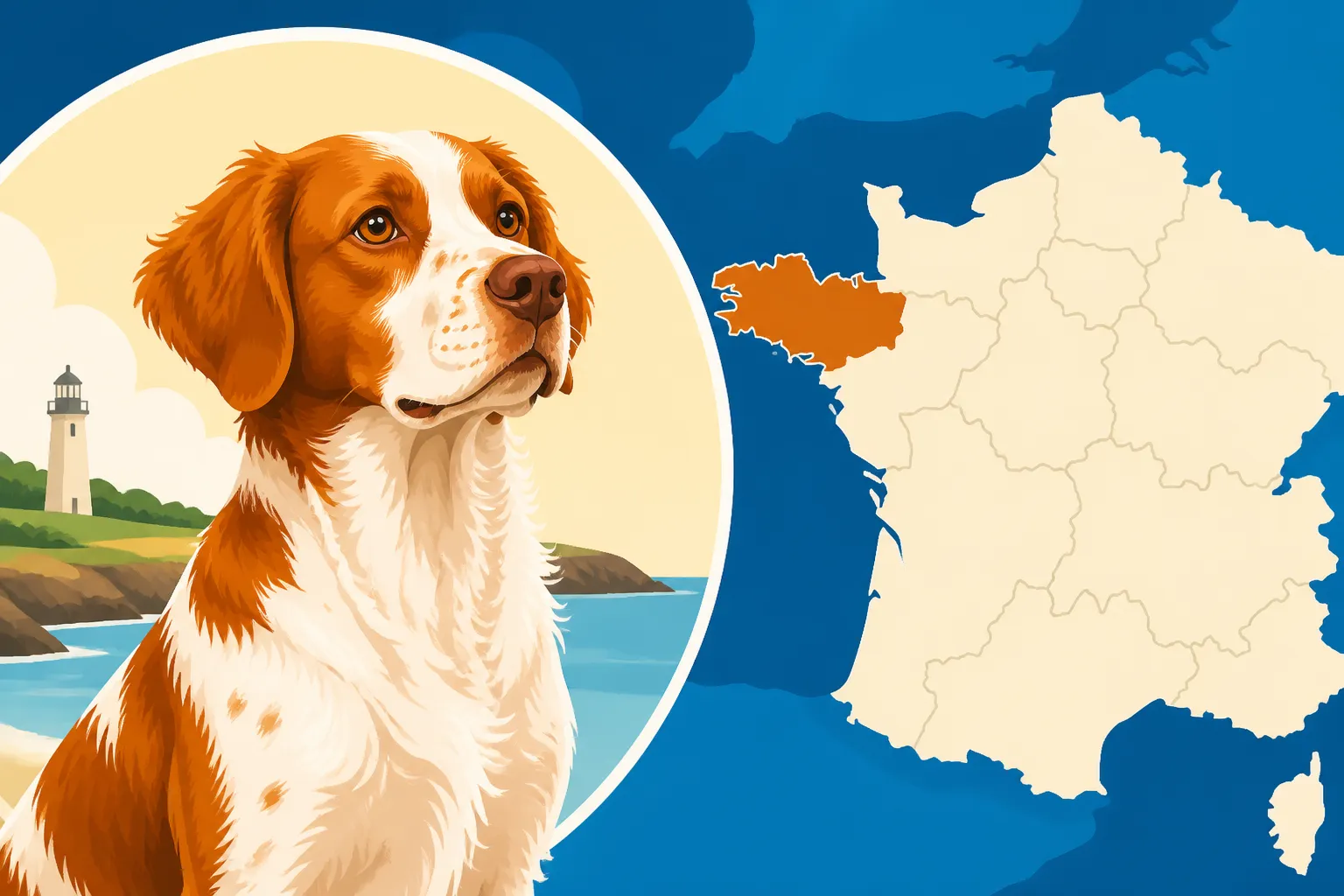
When we talk about the Brittany, we're really talking about a dog intrinsically linked to a specific corner of the world: the historical region of Brittany (Bretagne in French). This isn't just a whimsical name; it's the very cradle of the breed. Understanding this connection helps us appreciate why our Brittanys are the way they are – their drive, their compact size, their incredible intelligence, and their earnest desire to please in the field. This region, distinct in its culture and landscape, forged a dog perfectly suited to its challenges.
The Northwest Corner of France: A Land of Moors and Marshes
Imagine a landscape that is rugged, diverse, and teeming with small game. That's the northwest corner of France, the historical home of the Brittany. This region is characterized by a patchwork of dense hedgerows, open moors, thickets of gorse, and damp marshlands that were, and still are, ideal habitats for birds like partridge, pheasant, and woodcock. Unlike the vast, open plains of other European countries where larger, far-ranging pointers thrived, Brittany's terrain demanded a different kind of bird dog. It required a dog that could work methodically, close to the gun, yet still cover enough ground to find game in varied and often challenging cover.
The proximity of the Atlantic Ocean also means a damp climate, often wet and windy, which surely influenced the development of the Brittany's dense, protective coat. This wasn't a land for delicate creatures; it was a place where hardiness and resilience were paramount. The dog that emerged from this environment had to be tough enough to withstand the elements, yet agile enough to navigate dense undergrowth without getting snagged or slowed down. It's why even today, your Brittany seems to shed water like a duck and can push through almost anything without a second thought.
Peasant Poachers and the Origins of a Versatile Hunter
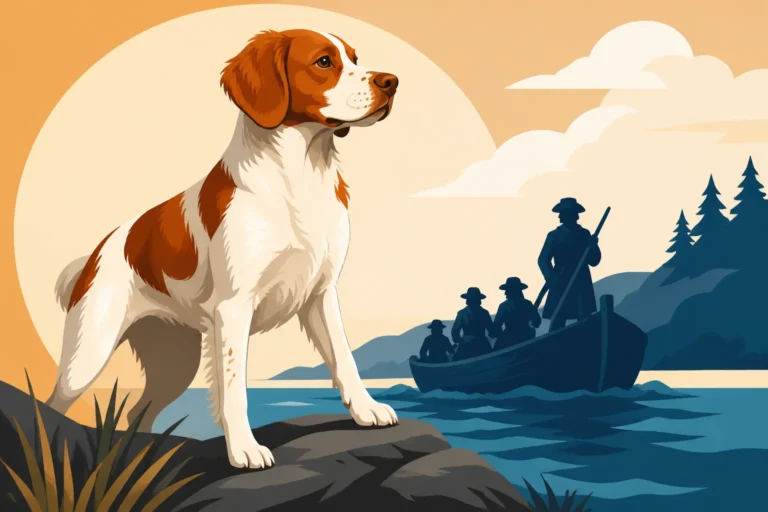
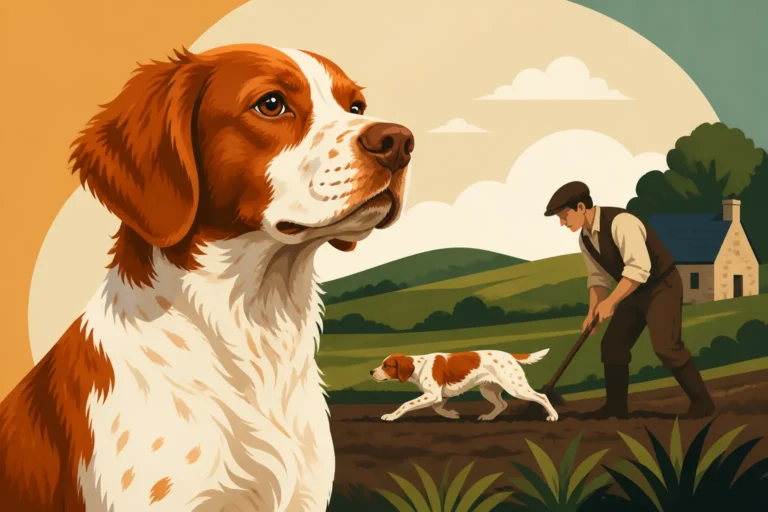
The origins of the Brittany aren't found in the grand estates of nobility, but rather in the hands of the common people. This is a crucial distinction from many other sporting breeds. The Brittany was primarily the dog of peasant farmers and poachers in its native region. These were individuals who couldn't afford to keep large kennels of specialized dogs. They needed one dog, a truly versatile companion, that could perform multiple roles and put food on the table. This dog needed to point, retrieve, and do it all quietly and efficiently, without drawing the attention of gamekeepers.
This necessity fostered the development of a highly biddable and adaptable dog. They weren't just field dogs; they were family members who slept by the fire, often shared meager meals, and had to be good with children and other farm animals. This close bond between dog and owner, born out of shared survival, explains much of the Brittany's famously "soft" temperament and eager-to-please nature. They learned to hunt cooperatively with their human partners, often working within sight and sound, contrasting sharply with the independent, wide-ranging style of some other breeds. The notion that The Brittany Was Bred to Hunt Without a Gun even hints at this stealthy, resourceful nature. For these families, a gun dog was an investment, and having one that was easily trained and didn't waste game was invaluable.
Early Depictions: Hinting at the Breed's Ancestry
While specific written records of the Brittany's early development are scarce, largely due to its humble origins among the rural populace, there are tantalizing hints in historical art. Look closely at seventeenth-century tapestries and paintings depicting rural scenes in France, and you might spot small, bob-tailed, spaniel-like dogs working alongside hunters. These early visual records suggest that a "Brittany type" dog has been present in the region for centuries.
These dogs weren't yet a formally recognized breed with a defined standard, but they were clearly working dogs adapted to the local hunting practices. They possessed the characteristics — compact size, a keen nose, and a willingness to cooperate — that would eventually coalesce into the modern Brittany. These early glimpses underscore the deep historical roots of the breed within its namesake region, long before it gained official recognition. The lack of detailed pedigrees from these times isn't a sign of unimportance, but rather a testament to their utilitarian role in the everyday lives of the Breton people.
From Regional Hunter to International Icon: The Brittany's Journey
The transition of the Brittany from a regional secret to a globally recognized sporting dog is a fascinating tale of evolution, cross-breeding, and dedicated enthusiasts. While its roots were firmly planted in the soil of northwest France, its future lay in its ability to adapt and impress a wider audience.
The Influence of English and Irish Setters: A Cross-Breeding Tale
As hunting became a more organized sport in the 19th century, with gentry and sportsmen traveling across Europe, the local "Brittany type" dogs began to intermingle with other esteemed pointing breeds. English and Irish Setters, known for their elegant style, keen noses, and wider range, were brought to Brittany by visiting hunters. These crosses, far from diluting the local stock, actually enhanced certain traits and refined the Brittany's pointing ability.
The infusion of setter blood likely contributed to the Brittany's distinctive "soft mouth" retrieving style and its famously intense, high-tailed point. However, the essential characteristics — the compact size, the biddable temperament, and the close-working range — remained dominant, thanks to the persistent demands of the Breton landscape and hunting traditions. This period of selective breeding, both intentional and accidental, helped to solidify the traits that would eventually define the modern Brittany. It also helped standardize the appearance and working style to a degree, making the breed more recognizable and consistent.
The Pontou Region and the Modern Brittany Standard
The story of the modern Brittany truly begins to take shape in the mid-19th century. Specifically, the area around Pontou, France, is often cited as a focal point for the breed's refinement. It was here, around the 1850s, that dedicated efforts were made to stabilize the breed's characteristics. The exact details of What Happened at Pontou in the 1850s are somewhat shrouded in the mists of time, but it's understood that a yellow-and-white male named "Boy" is considered one of the foundational dogs, often credited with epitomizing the desirable traits.
This concerted effort led to the creation of the first breed standard in France in 1907, with official recognition following soon after. This standard formalized what had long been an informal, regional type, giving the Brittany its official name, the Epagneul Breton. The name itself, What Epagneul Breton Means, translates to "Breton Spaniel," though the "spaniel" part would later cause some confusion, especially in America, leading to its eventual dropping from the name by the AKC. It was a pivotal moment, taking a beloved local working dog and presenting it to the wider world as a distinct and valuable breed. The establishment of the When the French Brittany Club Was Founded further cemented these efforts.
The Brittany's Arrival and Evolution in America
It didn't take long for the remarkable qualities of the Brittany to catch the eye of American sportsmen. The first Brittanys were imported to the United States in the early 20th century, with enthusiastic hunters quickly recognizing their potential. These early imports quickly proved their worth in the varied American landscapes, from the quail fields of the South to the pheasant covers of the Midwest. The American Brittany Club was founded in 1942, formalizing the breed's presence here. This rapid adoption and subsequent dedicated breeding efforts led to some divergences from their French counterparts.
The American ideal often favored a slightly larger, wider-ranging dog, more suited to the expansive fields and horseback trials prevalent in the US. This evolutionary path eventually led to subtle but distinct differences between the How a French Brittany Differs From an American One. While both are incredible bird dogs, the American Brittany generally covers more ground, while the French Brittany typically hunts closer, often preferred by foot hunters. Regardless of these nuances, the inherent intelligence, eagerness to please, and intense bird drive remained hallmarks of the breed on both sides of the Atlantic. Many modern owners get their supplies for their energetic Brittanys from places like Chewy, making sure their active dogs have plenty of nutritious food and sturdy toys.
Understanding the Enduring Legacy of its French Heritage
Even today, centuries after its initial development, the Brittany's French heritage remains a defining characteristic. It influences everything from its physical appearance to its ingrained hunting instincts and even its biddable nature. To truly appreciate our Brittanys, we must continually acknowledge these deep historical and geographical roots.
The French Brittany Versus the American Brittany: Divergent Paths
While officially the same breed, the American Brittany and the French Brittany (Epagneul Breton) have undeniably followed somewhat different evolutionary paths since their introduction to America. The French ideal generally emphasizes a slightly smaller, more compact dog with a typically closer working range, suited for the "walking hunter" in varied cover. They also allow for a black and white coat, which is not permitted in the American standard.
In contrast, the American Brittany has often been bred for a bit more athleticism and a broader range, excelling in the vast open spaces of American fields and in horseback trials. This divergence isn't about one being "better" than the other; it's about adaptation to different hunting styles and environments. A hunter considering Whether a French Brittany Suits an American Hunter might find the closer working style appealing for certain terrains or if they prefer to hunt on foot. Conversely, someone looking to cover hundreds of acres might prefer an American-bred dog. Both types, however, share that core Brittany essence: intelligence, birdiness, and a strong desire to be with their human.
Here's a quick comparison of general tendencies, though individual dogs will always vary:
| Feature | French Brittany (Epagneul Breton) | American Brittany |
|---|---|---|
| Typical Range | Closer (50-100 yards) | Wider (100-200+ yards) |
| Size | Often slightly smaller/more compact | Often slightly larger/more athletic |
| Coat Colors | Orange/White, Liver/White, Black/White, Roan, Tricolor | Orange/White, Liver/White, Roan, Tricolor (Black is a disqualification) |
| Breeding Focus | Versatile foot-hunting companion | Performance in expansive fields, field trials |
| Ideal Hunter | Walking hunter, dense cover | Horseback hunter, open fields |
It's a testament to the breed's fundamental versatility that both lines have thrived and continue to produce exceptional sporting dogs.
How Regional Purpose Shaped Breed Characteristics
The "purpose" for which a dog was originally bred dictates so much about its inherent traits, and nowhere is this clearer than with the Brittany. As we've discussed, the need for a versatile, biddable, and adaptable dog for the peasant hunters of Brittany meant that certain characteristics were heavily favored and cemented into the breed's genetic makeup.
- Intelligence and Trainability: A dog that needed to learn quickly and respond reliably, often without harsh corrections, was essential. This is why Brittanys are so famously intelligent and eager to please, though they are also known to be quite sensitive. If you've ever found your Brittany sulking after a sharp word, you're seeing a direct link to this heritage.
- Compact Size: The dense cover of Brittany meant a smaller dog could navigate thickets and briars more efficiently than a larger, bulkier breed. This keeps them agile and able to hunt all day without excessive fatigue. This also makes them excellent house companions, easily fitting into homes, and for many owners, this means ordering their dog's food and supplies from retailers like Chewy, knowing it will be delivered right to their door.
- Keen Nose and Quartering Ability: The varied terrain demanded a dog with an exceptional nose to locate game, and an innate quartering pattern (a side-to-side search) to efficiently cover the ground without missing birds.
- Intense Point: The need for a dog to "hold" game until the hunter could arrive, often moving slowly through dense cover, cemented the Brittany's rock-solid point. Teaching a Brittany to Hold Point Until You Arrive is a key training step for any owner.
- Affectionate Nature: Being a true family dog, sleeping indoors, and interacting closely with humans meant that a friendly, affectionate disposition was a must. This is why Brittanys are often described as "Velcro dogs" who thrive on human companionship.
These traits aren't just random; they are direct consequences of the breed's origins in the specific cultural and geographical context of Brittany, France.
Celebrating the Breton Spirit in Our Modern Brittanys
Today, even if your Brittany has never set paw on French soil, that "Breton spirit" runs deep within them. It's in their boundless energy, their unwavering loyalty, their intense focus on a bird scent, and their sweet, often comical personalities that make them such beloved members of our families. Whether you're hunting pheasants in Kansas or going for a hike in the Pacific Northwest, your Brittany is embodying the spirit of its ancestors who roamed the moors and marshes of northwest France.
Understanding this heritage enriches our relationship with these dogs. It helps us appreciate why they need so much exercise, why they are so responsive to positive reinforcement, and why they thrive on being an integral part of our lives, both in the field and at home. When you see your Brittany happily carrying a toy or diligently searching for a hidden retrieve, you're witnessing the continuation of a lineage shaped by centuries of working alongside humans in their homeland. You're seeing the legacy of a truly versatile and devoted companion, born from the unique challenges and beauty of Brittany, France. Knowing their history just makes them all the more special, and it reminds us to provide them with the right care, whether that's top-quality food from Chewy or plenty of opportunities to exercise their innate bird-hunting talents.
Disclaimer
This article is for general informational purposes only and does not constitute professional advice. Laws, prices and regulations vary by location and change over time. Consult a qualified professional for guidance on your specific situation.