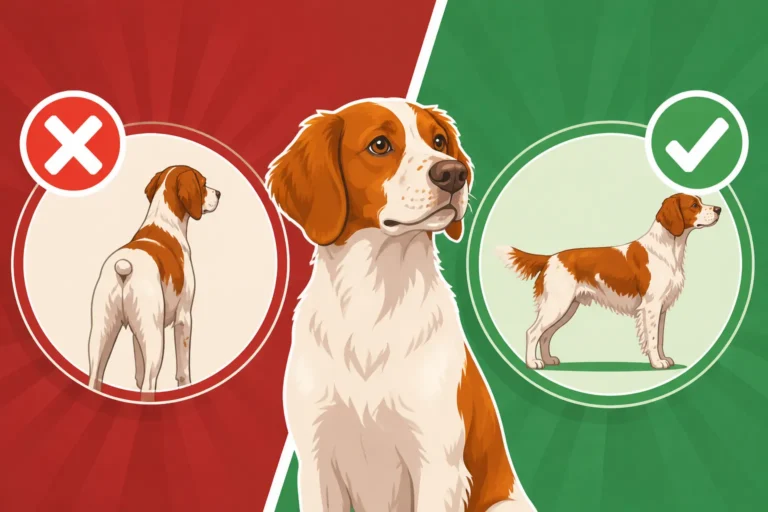
What CEB US Is to Brittany Owners
For many Brittany owners in the United States, especially those passionate about the traditional French lines, navigating the various breed organizations can feel like walking through a dense pheasant field without a clear map. It's a common frustration to wonder where to turn for specific guidance, breed preservation, and events for your Epagneul Breton. This guide will clarify the role of CEB-US, the Club de l'Epagneul Breton des Etats-Unis, explaining its purpose, activities, and its unique significance to Brittany enthusiasts.
Understanding the Landscape of Brittany Organizations
When you first bring home a Brittany, whether it's a rambunctious puppy or a seasoned rescue, you quickly discover there's more than one organization dedicated to the breed. This can be a little bewildering, especially when you're trying to figure out where your dog fits in, what events are available, and how to connect with like-minded owners. It's not just a matter of paper; these organizations often represent different philosophies and historical paths for the breed.
The American Brittany Club's Role
The most widely recognized organization for Brittanys in the United States is undoubtedly the American Brittany Club (ABC), which operates under the umbrella of the American Kennel Club (AKC). For decades, the ABC has been the primary registry and governing body for the breed here, establishing the breed standard, sanctioning conformation shows, obedience trials, and most importantly for many owners, a robust system of field trials and hunt tests. The ABC has played a crucial role in shaping what we generally recognize as the "American Brittany" – often known for its wider range in the field and distinct physical characteristics compared to its French counterpart. If you're looking to participate in a vast network of competitive events and a well-established registry, the AKC and ABC are typically your first stop.
The French Perspective: SCC and CEB
Across the Atlantic, the original home of the Brittany, the breed is known as the Epagneul Breton. In France, the Société Centrale Canine (SCC) is the national kennel club, similar to the AKC. Within the SCC, the Club de l'Epagneul Breton (CEB) is the official parent club for the breed. This French club maintains the original breed standard and is responsible for the breed's development and preservation in its homeland. The focus there has traditionally been on maintaining the breed's original form and hunting style, often emphasizing a closer working dog for walking hunters. This lineage and philosophy are what groups like CEB-US aim to protect and promote here in the States. Understanding How a French Brittany Differs From an American One is key to appreciating these distinct organizational paths.
Why Separate Organizations Exist
The divergence between the American Brittany and the Epagneul Breton isn't just a matter of geography; it reflects different breeding goals and cultural contexts over time. American breeders, particularly those focused on open field trials, selected for dogs with greater range and speed, leading to a slightly taller, leggier dog with a wider-ranging hunt. Meanwhile, in France, the emphasis remained on the original, more compact dog with a closer working style, suited for foot hunters in smaller parcels of land. As a result, breed standards evolved differently. This meant that a French Brittany imported to the U.S. might not perfectly fit the AKC standard, and vice versa. This is precisely why a separate organization like CEB-US became necessary – to provide a home and a future for the true Epagneul Breton in America, adhering to the French standard, without compromising its unique characteristics or hunting style.
What Exactly is CEB-US?
So, amidst these different paths, where does CEB-US fit in? It's a question many new owners ask, especially if they've acquired a Brittany with European lineage or are simply curious about the breed's origins. CEB-US isn't just another club; it's a vital bridge connecting American enthusiasts directly to the heart of the Epagneul Breton's heritage.
Its Origins and Mission
CEB-US, the Club de l'Epagneul Breton des Etats-Unis, was founded to serve as the official representative of the French Club de l'Epagneul Breton in the United States. Its mission is clear: to preserve and promote the Epagneul Breton according to the French breed standard, focusing on its original physical traits and natural hunting abilities. This means maintaining the close-working, intelligent, and biddable characteristics that define the French Brittany, rather than the wider-ranging style that became prevalent in some American lines. For those who cherish the breed's historical integrity and performance in the field as originally intended, CEB-US offers a dedicated community and framework. They aim to foster a community that values the specific nuances of the Epagneul Breton.
Focus on the Epagneul Breton Standard
The core of CEB-US's identity lies in its unwavering adherence to the French breed standard for the Epagneul Breton. This standard dictates everything from physical conformation—size, proportion, head shape, eye color, and coat type—to temperament and hunting style. For example, while the AKC Brittany standard allows for a wider range of sizes, the French standard often specifies a more compact dog. The colors allowed can also differ, with black not being permitted in the French standard. By strictly upholding this standard, CEB-US ensures that breeding efforts in the U.S. produce Epagneul Bretons that are true to their French heritage, both in appearance and in their innate abilities as versatile gun dogs. This dedication helps maintain the characteristics that make the Epagneul Breton unique, such as their intense point and cooperative nature.
Membership and Community
Becoming a member of CEB-US means joining a passionate community of individuals who share a deep appreciation for the Epagneul Breton. Members typically include breeders, hunters, and companions who are committed to the preservation and active use of the breed's natural talents. The club organizes events, provides educational resources, and facilitates networking among owners. It's a place where you can find mentors, discuss training techniques specifically tailored for the French Brittany's style, and connect with people who understand the subtle but significant differences in these dogs. The collective wisdom and shared experiences within the CEB-US community are invaluable, whether you're seeking advice on raising a puppy, refining a dog's field skills, or simply celebrating the joy of owning an Epagneul Breton.
Registration and Pedigrees with CEB-US
One of the primary functions of any breed club is maintaining a robust registry and ensuring accurate pedigrees. For CEB-US, this is crucial for preserving the integrity of the Epagneul Breton lines in the United States, allowing owners to trace their dog's ancestry back to its French roots. This meticulous record-keeping is vital for responsible breeding and for understanding the genetic heritage of each dog.
Registering an Imported French Brittany
If you've gone through the process of importing an Epagneul Breton from France or another country where French standards are upheld, registering with CEB-US is often the natural next step. This process validates your dog's lineage within the French system, ensuring its pedigree is recognized by the Club de l'Epagneul Breton (CEB) in France. It typically involves submitting official registration papers from the country of origin, along with proof of ownership and identification. This step is essential for any owner who intends to breed their imported dog or participate in CEB-US sanctioned events, as it confirms that your dog meets the breed's established international standards. For details on this, you might wonder What Registering a French Brittany With CEB US Costs.
Registering Litters and American-born French Brittanys
CEB-US doesn't just register imported dogs; it also provides a registry for litters produced by CEB-US registered parents within the United States. This is how the bloodlines of the French Brittany are continued and expanded on American soil, while adhering to the French standard. Breeders must follow specific guidelines, including health clearances and adherence to the breed standard for both parents, to ensure that puppies are registered as true Epagneul Bretons. This meticulous process helps maintain the breed's characteristics and genetic health, distinguishing them from American Brittany lines. It also offers assurance to puppy buyers that they are acquiring a dog from proven French stock, bred with specific historical traits in mind.
Maintaining the Integrity of the Breed Standard
The careful registration process and adherence to French standards are fundamental to CEB-US's mission of maintaining the breed's integrity. Unlike organizations that might allow for greater variation, CEB-US prioritizes keeping the Epagneul Breton true to its origins. This means that dogs registered with CEB-US are expected to closely embody the physical traits, temperament, and hunting style described in the French standard. This commitment helps prevent the dilution of the breed's characteristics and ensures that future generations of Epagneul Bretons in America continue to exhibit the qualities cherished by their enthusiasts. This dedication to a consistent breed type is one of the main reasons why Whether a French Brittany Is a Separate Breed continues to be a topic of discussion among owners.
Field Events and Testing Through CEB-US
For many Brittany owners, the true essence of the breed lies in its performance in the field. CEB-US offers a distinct set of field events and tests designed to evaluate the Epagneul Breton's natural hunting abilities according to French tradition. These tests are not just competitions; they are evaluations that help preserve the working instincts that the breed was originally developed for.
The Philosophy Behind CEB-US Field Tests
The philosophy underpinning CEB-US field tests centers on evaluating a Brittany's natural hunting aptitudes, rather than focusing solely on competitive wins. The emphasis is on the dog's innate instinct to seek, find, point, and retrieve game in a cooperative manner, showcasing its intelligence and biddability. Unlike some American field trials that prioritize wide-ranging dogs for open country, CEB-US tests often simulate hunting conditions more typical of France, which might involve closer cover and a more methodical search pattern. This approach is designed to confirm that breeding stock possesses the desired working traits and to celebrate the inherent abilities of the Epagneul Breton. You'll find that these tests truly bring out the natural bird sense in a dog.
Types of Tests Offered
CEB-US offers a variety of tests that mirror those found in France, providing a clear path for evaluation and titling. These can include:
- Brevet de Chasse (Hunting Certificate): Often the first step, this test evaluates a young dog's natural hunting abilities, including its search, point, and retrieve. It's about demonstrating fundamental instincts.
- Trialer Title: This title recognizes dogs that have consistently performed well in field trials, demonstrating advanced hunting skills and a higher level of training and control. It signifies a truly accomplished hunting dog.
- Certificat d'Aptitude Naturelle (TAN – Certificate of Natural Aptitude): This test is crucial for assessing a young Brittany's inherent hunting instincts without extensive training. It's a pass/fail evaluation of their natural bird drive, pointing ability, and gun soundness. A successful TAN is a testament to strong genetics.
These tests are designed to be accessible to a wide range of owners and dogs, encouraging participation and providing valuable feedback on a dog's natural talent. Whether you're purchasing dog food or training equipment from Chewy, preparing for these tests means having your dog in top physical and mental condition.
How These Tests Differ from AKC or NAVHDA
The differences between CEB-US tests and those offered by organizations like the AKC (American Kennel Club) or NAVHDA (North American Versatile Hunting Dog Association) are significant. AKC field trials for Brittanys often favor a dog that covers a vast amount of ground with speed, reflecting the wide-open hunting traditions of North America. While AKC hunt tests also assess natural ability, their emphasis on "range" can sometimes differ from the closer-working style preferred in French trials. NAVHDA, on the other hand, evaluates versatile hunting dogs across multiple disciplines (field, water, tracking) but also has its own standards and traditions.
CEB-US tests, by contrast, specifically focus on the French standard's ideal hunting style, which is typically a more methodical, closer-ranging dog suitable for a walking hunter. The tests emphasize natural aptitudes and a cooperative relationship with the handler, often with less pressure on extreme speed or range. This means that a dog excelling in CEB-US events truly embodies the traits prized in the Epagneul Breton's homeland. For someone interested in Whether a French Brittany Suits an American Hunter and their specific hunting style, these differences are paramount.
| Feature | CEB-US (Epagneul Breton) | AKC (American Brittany) | NAVHDA (Versatile Hunting Dogs) |
|---|---|---|---|
| Primary Focus | French breed standard, natural aptitudes, cooperative hunt | American breed standard, performance in competitive trials | Versatile hunting aptitude (land, water, retrieve, track) |
| Hunting Style | Closer working, methodical search for walking hunter | Wider ranging, faster pace for open country | Versatile, adapting to different hunting scenarios |
| Evaluation Type | Certificates of Natural Aptitude (TAN), Brevets, Trials | Hunt Tests (JH, SH, MH), Field Trials (Derby, All-Age) | Natural Ability (NA), Utility Prep (UP), Utility (UT) |
| Breed Standard | Strict adherence to French standard (no black) | Adherence to American standard (black disallowed) | Evaluates against generic versatile dog criteria, not breed specific |
| Goal | Preserve original French hunting dog | Promote competitive sporting dog | Develop versatile hunting companion |
The Impact of CEB-US on the Breed in America
The existence and work of CEB-US have had a profound impact on the Epagneul Breton breed within the United States, offering a distinct path for owners and breeders who are dedicated to preserving its unique heritage. It's more than just a club; it's a steward of the breed's history and future.
Preserving the Original French Brittany Type
Without CEB-US, the specific characteristics of the Epagneul Breton, as defined by the French standard, might have been overshadowed by the more prevalent American Brittany. CEB-US acts as a vital guardian, ensuring that the original type—a compact, close-working, highly biddable gundog with a particular conformation and temperament—continues to thrive here. This includes preserving the natural bobtail gene in some lines, the specific coat textures, and the cooperative hunting style. For enthusiasts who appreciate the historical context and the breed's origins in France, CEB-US offers the assurance that there is an organization actively working to maintain these defining traits. This contributes to The Brittany Is the Smallest of the Versatile Pointing Breeds while retaining its distinct qualities.
Promoting Responsible Breeding Practices
A key aspect of CEB-US's influence is its strong emphasis on responsible breeding practices that align with the French standard. This goes beyond just physical appearance; it includes encouraging health testing for genetic conditions and evaluating working ability through field tests. By adhering to the comprehensive French guidelines, CEB-US promotes breeding decisions that prioritize health, temperament, and natural hunting instincts. This helps ensure that puppies born under the CEB-US banner are not only physically sound but also possess the inherent abilities and desirable character traits that make the Epagneul Breton such an esteemed hunting companion. It gives breeders a clear framework to work within, and prospective puppy owners confidence in their choice.
Fostering a Dedicated Community
Beyond pedigrees and field tests, CEB-US fosters a unique and dedicated community of Epagneul Breton owners. This group shares a common vision for the breed, one deeply rooted in its French origins and traditional working style. This community provides a network for support, education, and camaraderie, helping owners connect with others who truly understand and appreciate the specific nuances of these dogs. Whether it's discussing training methods, sharing experiences from the field, or offering advice on everything from nutrition to health concerns, the CEB-US community is a valuable resource. It allows owners to find a sense of belonging among those who prioritize the authentic Epagneul Breton experience, enhancing the overall ownership journey. Many of these owners rely on reputable sources like Chewy for their dog's specialized diet or durable field gear.
Navigating the Choice: AKC vs. CEB-US for Your Brittany
If you own or are considering getting a Brittany, you're likely to encounter both the American Brittany Club (AKC-affiliated) and CEB-US. Deciding which path is right for you and your dog depends heavily on your goals, your dog's lineage, and your personal preferences for breed type and activities. It's not necessarily an "either/or" situation for every owner, but understanding the distinctions is crucial.
When AKC Registration Makes Sense
AKC registration makes the most sense if you have an "American Brittany" (regardless of its physical location) and your primary interest lies in participating in the broad range of events sanctioned by the American Kennel Club. This includes conformation shows, where dogs are judged against the AKC Brittany standard, as well as a vast network of obedience, agility, and rally trials. Most importantly for many, the AKC offers a well-established system of hunt tests and field trials that often cater to the wider-ranging style that has become characteristic of the American Brittany. If you're looking for widespread recognition, a large number of accessible events across the country, and involvement in the mainstream American dog world, the AKC is typically the preferred route. It's also worth noting that many American Brittanys have an incredible amount of bird drive and are proven hunters.
When CEB-US is the Right Path
CEB-US is the unequivocally right path if you own an Epagneul Breton that adheres to the French standard, particularly if your dog was imported or bred from French lines in the U.S. It's also the best choice if you are specifically interested in preserving the original French characteristics of the breed, including its more compact size, specific conformation, and traditionally closer working style in the field. If your passion lies in maintaining the historical integrity of the Epagneul Breton and participating in field evaluations that align with French hunting traditions, then CEB-US provides the dedicated framework and community you need. Choosing CEB-US means you value the specific nuances of the breed's French heritage and want to contribute to its continuation here in North America. You might find yourself needing specific gear for these kinds of field tests, which can be sourced from general pet retailers such as Chewy.
The Hybrid Approach: Dual Registration
What if your Brittany has roots in both worlds, or you want to participate in events from both organizations? This is where dual registration comes into play. It is indeed possible for some Epagneul Bretons to be registered with both CEB-US and the AKC, particularly if they meet the requirements of both standards. This offers a unique flexibility, allowing owners to participate in a wider array of events and connect with a broader community of Brittany enthusiasts. For instance, an owner might register their French Brittany with CEB-US to validate its lineage according to French standards and participate in CEB-US field tests, while also registering it with the AKC to compete in local agility trials or more traditional AKC hunt tests. This hybrid approach acknowledges the breed's dual heritage and allows owners to explore all avenues for enjoyment and competition with their beloved dog. However, it’s important to research Whether a French Brittany Registers With the AKC to understand the specific requirements and any potential limitations.
Disclaimer
This article is for general informational purposes only and does not constitute professional advice. Laws, prices and regulations vary by location and change over time. Consult a qualified professional for guidance on your specific situation.