Whether a Brittany’s Ears Should Be Checked Daily in Season
As a Brittany owner who's spent countless hours in the field, I know the sheer joy and boundless energy these dogs bring to a hunt. But I also know the anxiety that comes with their unique needs, especially when it concerns those adorable, floppy ears. Many of us wonder if checking our Brittany's ears daily during hunting season is overkill, a neurotic habit, or an absolute necessity. The truth is, during peak season, those daily ear checks are not just important, they are crucial for preventing painful infections and keeping your dog healthy and happy in the field. This guide will walk you through why this routine is non-negotiable and how to make it effective.
The Unique Vulnerability of Brittany Ears During Hunting Season
Let's be real, a Brittany's ears are one of its most endearing features. That soft, feathered drop ear is part of their charm. But what makes them so cute also makes them a magnet for trouble, especially when they're plunging through brush and water in pursuit of birds.
Why Drop Ears Are a Hotbed for Trouble
Unlike dogs with erect ears, your Brittany's ears hang down, covering the ear canal. This anatomical design creates a warm, dark, and often moist environment within the ear – essentially, a perfect little petri dish for bacteria and yeast to thrive. Air circulation is naturally restricted, which means any moisture that gets in has a hard time evaporating.
Think about it: after a long day of hunting, when your Brittany is panting and their body temperature is elevated, that warmth inside the ear canal can increase even more. Now add in the fact that Brittanys are often in and out of water, whether it's a quick dip in a pond to cool off, retrieving a fallen bird from a marsh, or simply running through dew-soaked grass. Why a Brittany's Drop Ear Traps Water is a key factor here. That trapped water, combined with the lack of airflow, turns a normal ear canal into an ideal breeding ground for microscopic invaders. This predisposition is why many Brittany owners unfortunately become experts at spotting the early signs of an ear infection.
The Environmental Gauntlet: Water, Debris, and Microbes
Hunting season exposes your Brittany to a myriad of environmental challenges that directly impact ear health. It's not just about moisture; it's about everything else that hitchhikes its way into those vulnerable ear canals.
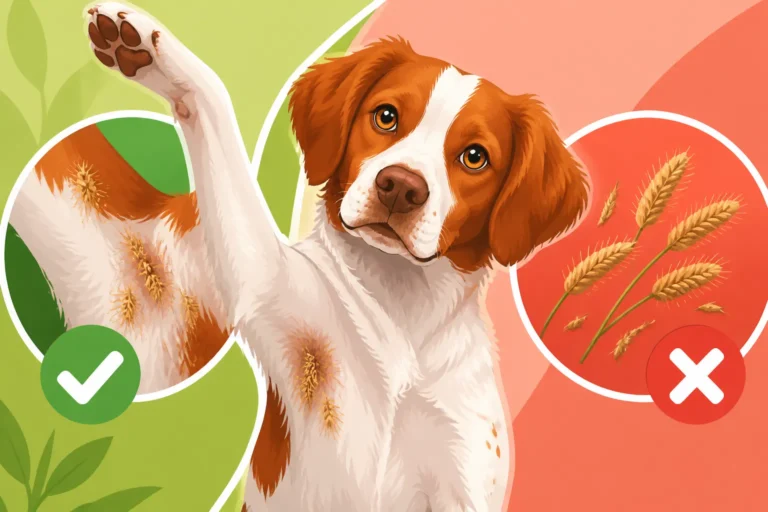
Imagine your Brittany quartering through tall prairie grass, pushing through dense cattails, or navigating a thick hedgerow. Every step brings them into contact with plant material. Burrs, grass awns (like foxtails), seeds, and fine dirt can easily work their way under the ear flap and down into the canal. These foreign bodies act like tiny, irritating splinters, causing scratches, inflammation, and providing entry points for infection. How Grass Seeds Get Into a Brittany's Ear highlights this exact danger. Even seemingly innocuous dust can irritate the delicate lining of the ear.
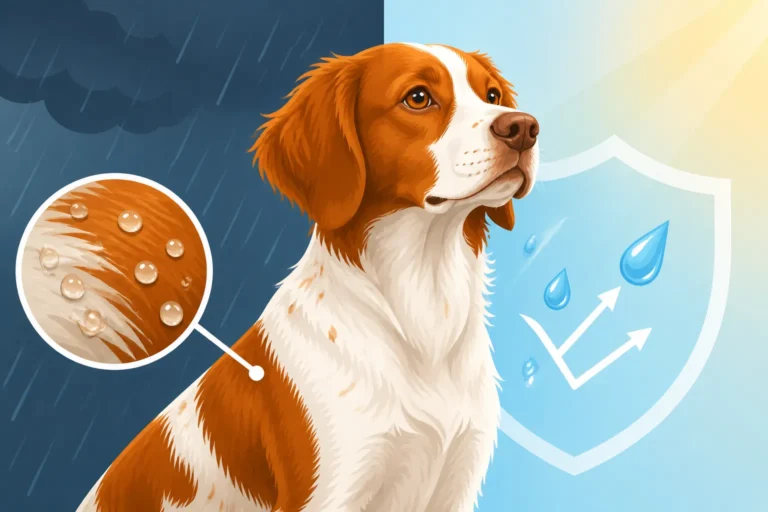
Then there's the water. Brittanys love water; it's part of their sporting heritage. But a retrieve from a cold duck pond or a trek through a marsh means water seeping into the ear. This isn't just about trapped moisture; it's about the bacteria, algae, and other microbes that live in natural water sources. These unwelcome guests can quickly colonize an already damp and irritated ear canal, leading to nasty infections. It’s a relentless assault on those sensitive ears, day in and day out, throughout the season. This constant exposure is why Why a Brittany's Ears Get Infected Every Season is such a common topic among us.
Daily Checks: More Than Just a Quick Glance
Given the gauntlet your Brittany's ears run every hunting day, a superficial check simply won't cut it. A proper daily inspection is a cornerstone of preventative care.
What You're Looking For Beyond Obvious Dirt
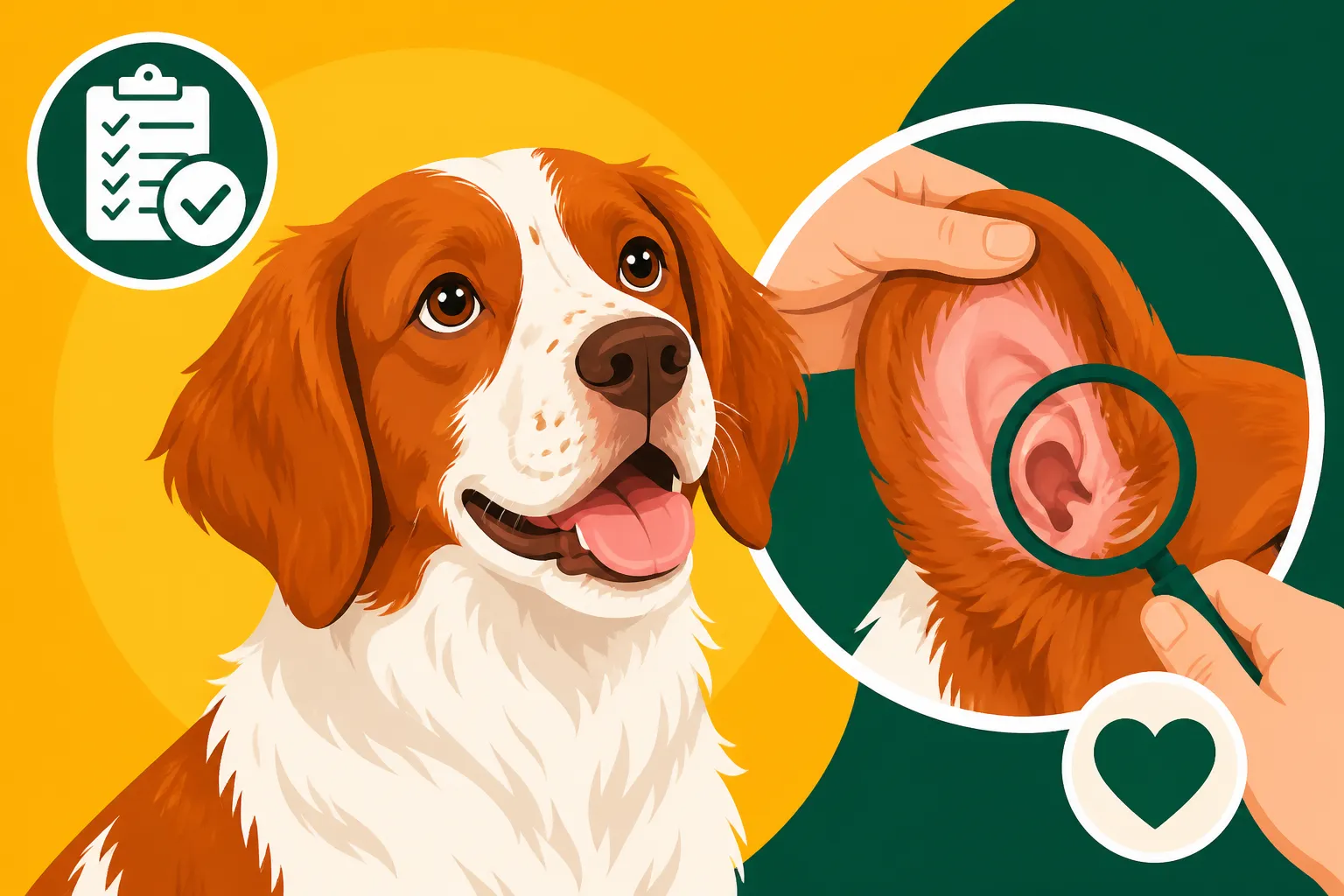
Most owners know to check for large burrs or visible ticks after a hunt. But preventing ear trouble means looking for the subtle signs before they become full-blown emergencies. A healthy Brittany ear should be relatively clean, pale pink, and free of strong odor or discharge.
When you lift that ear flap, really look into the opening of the ear canal. Are the tissues redder than usual? Is there any swelling around the opening? Does it feel warmer to the touch than the surrounding skin? These are early indicators of inflammation. Then, take a good sniff. A healthy ear has a mild, clean scent. If you detect a yeasty, sweet, or foul odor, that's a huge red flag for an impending or active infection. Also, check for any discharge. It might be waxy, dark brown, yellowish, or even pus-like. A small amount of dark brown wax can be normal, but excessive amounts, especially if accompanied by odor or redness, are not. Your Brittany might also give you subtle hints, like increased head shaking, scratching at their ears, or rubbing their head against furniture. Recognizing these subtle shifts is crucial for early intervention. Knowing Signs a Brittany's Ear Is Infected can save you a lot of heartache and vet bills.
The Step-by-Step Daily Ear Inspection Routine
Making daily ear checks a consistent part of your post-hunt routine is key. It doesn't have to take long, but it needs to be thorough.
First, find a well-lit area. This could be in your garage, mudroom, or even under a bright lamp indoors. Have some clean cotton balls or gauze handy, and maybe a gentle, vet-approved ear cleaning solution for later if needed.
- Lift the Ear Flap: Gently lift your Brittany's ear flap, holding it up so you have a clear view of the inner surface and the opening of the ear canal.
- Visual Inspection: Examine the visible part of the ear canal. Look for redness, swelling, any unusual bumps or sores, and certainly any foreign bodies like burrs or foxtails. Pay attention to the color of the skin. Is it a healthy pink, or is it inflamed and angry red?
- Check for Discharge: Look for any liquid or debris. Is there excessive dark wax? Is it yellowish or pus-like? A little bit of clean, light-colored ear wax is normal, but anything more or differently colored is a warning.
- Sniff Test: Get your nose close to the ear canal and take a deep sniff. You'll quickly learn what your dog's "normal" ear smells like. Any strong, pungent, or yeasty odor is a sign of trouble.
- Palpate Gently: Gently feel the base of the ear. Does your dog flinch or seem sensitive? Is it unusually warm? This can indicate inflammation deeper in the canal.
- Wipe Visible Debris: If you see any loose dirt or easily accessible debris, gently wipe it away with a dry cotton ball. Never use cotton swabs (Q-tips) deep in the ear canal, as you can push debris further in or damage the eardrum.
This routine, performed consistently after every hunt or substantial outdoor activity, allows you to catch problems at their earliest, most treatable stage. You can usually find great cotton balls and ear wipes on Chewy or Amazon to keep in your gear bag.
The Consequences of Skipping Ear Checks
I get it. After a long day in the field, all you want to do is kick off your boots and relax. Your Brittany probably just wants to collapse into a dog bed. But skipping those ear checks, even for a day or two, can have serious repercussions.
From Mild Irritation to Full-Blown Infection
The beauty of early detection is that you can often address a mild irritation before it explodes into a full-blown, painful infection. A little trapped moisture and a bit of dirt might just cause some minor redness. If left unchecked, however, that damp, warm environment becomes a breeding ground for bacteria (like Staphylococcus or Pseudomonas) and yeast (like Malassezia). These organisms multiply rapidly, leading to otitis externa, which is the medical term for inflammation of the outer ear canal.
Initially, your dog might just shake their head a little more or scratch occasionally. But as the infection takes hold, the inflammation worsens, the pain increases, and the ear canal can become swollen, hot, and emit a truly foul odor. The discharge can become thick and copious. The longer it goes untreated, the more deeply rooted and resistant to treatment the infection can become. It's a quick downhill slide that's entirely preventable with consistent vigilance.
The Pain, Cost, and Frustration of Advanced Ear Problems
When an ear infection becomes advanced, it's not just a minor inconvenience; it's a significant source of pain and distress for your Brittany, and a major headache for you. Imagine having a constant, throbbing ache in your ear, coupled with itching and an unpleasant smell. That's what your dog experiences. They might become withdrawn, refuse to eat, or even snap if you try to touch their head. Severe, chronic infections can lead to permanent damage to the ear canal, affecting their hearing and requiring long-term medication or even expensive surgery.
From your perspective as an owner, the frustration mounts. You have to make an emergency vet appointment, which usually means fitting it into your already busy schedule. The vet will likely need to clean the ears deeply, take samples for cytology (looking under a microscope) or culture (growing bacteria to identify them), and prescribe medications. This could be a combination of topical drops, oral antibiotics, or anti-fungals. These visits and medications aren't cheap. A persistent infection might require multiple follow-up visits, different medications, and constant cleaning, potentially sidelining your dog from hunting for weeks or even an entire season. Wouldn't you rather spend a few minutes each day preventing it than dealing with weeks of treatment? What a Brittany's Field Injuries Cost in a Season definitely includes these types of issues, and they can add up fast.
Proactive Measures Beyond Daily Checks
While daily checks are paramount, a holistic approach to ear care during hunting season involves several proactive steps that complement your inspection routine.
Routine Cleaning and Drying Protocols
Simply removing visible debris isn't always enough, especially after heavy water exposure. Routine cleaning helps flush out microscopic dirt, excess wax, and keeps the ear canal pH balanced, discouraging microbial growth.
After any extensive water work or if you notice even slight moisture in the ears during your daily check, a gentle drying protocol is essential. Start by dabbing the visible parts of the ear with a soft towel or cotton ball. Then, consider using an ear-drying solution specifically formulated for dogs. These solutions typically contain ingredients that help evaporate moisture and acidify the ear canal, creating an environment less hospitable to bacteria and yeast. Simply squirt the recommended amount into the ear canal, gently massage the base of the ear for 10-20 seconds to help distribute the liquid, and then allow your dog to shake their head. Wipe away any excess solution and debris that comes out with a cotton ball. How to Dry a Brittany's Ears After Water is a fantastic resource for this.
It's vital to use products recommended by your vet or reputable pet supply stores like Chewy or Amazon. Avoid alcohol-based solutions, which can be too harsh and irritating. Which Ear Cleaner Suits a Brittany will help you choose wisely. Remember, regular cleaning in season means How Often Ears Need Cleaning in the Middle of a Season might be more frequent than during the off-season.
The Role of Preventative Trimming and Protection
Some owners opt for additional measures to protect their Brittany's ears from the rigors of hunting season. This often involves discussions around ear hair and protective gear.
Trimming Ear Hair: Brittanys often have feathering (longer hair) inside their ear flaps and around the opening of the ear canal. For some dogs, this hair can trap moisture, debris, and create a denser, less airy environment. Gently trimming or thinning this hair (not plucking, which can cause micro-traumas and lead to infection) can improve air circulation and reduce the surface area for debris to cling to. However, this is a debated topic among owners and vets. For some, it helps immensely; for others, it can cause more irritation if not done correctly or if the dog has sensitive skin. Always consult your veterinarian or an experienced groomer before attempting to trim ear hair yourself. Whether a Brittany's Ear Hair Should Be Trimmed dives deeper into this.
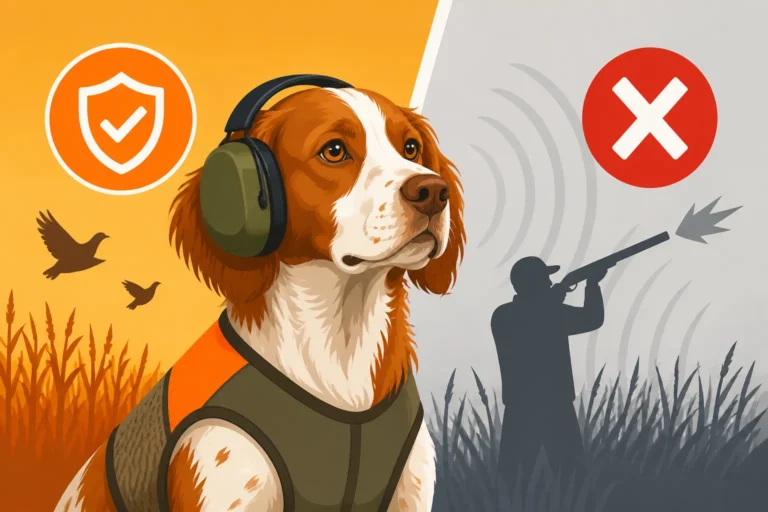
Ear Protection: For Brittanys hunting in extremely dense cover known for burrs, foxtails, or thorny brush, protective gear like snoods or ear wraps can be a game-changer. These fabric coverings essentially "tie up" the ears close to the head or cover them entirely, preventing external debris from getting caught in the feathering or making its way into the ear canal. While they might look a bit silly, they can be incredibly effective at reducing physical trauma to the ears and preventing those irritating foreign bodies that spark infections. They also offer some protection from colder temperatures during late-season hunts.
By combining diligent daily checks with appropriate cleaning, drying, and potentially preventative grooming or protective gear, you can drastically reduce the risk of ear issues and ensure your Brittany stays in peak hunting condition all season long. It's about being proactive, not reactive, when it comes to their health.
| Feature | Healthy Brittany Ear | Infected Brittany Ear |
|---|---|---|
| Appearance | Pale pink, clean, no visible debris | Red, swollen, crusty, visible foreign bodies |
| Odor | Mild, clean, or odorless | Strong, foul, yeasty, or sweet smell |
| Discharge | Minimal light-colored wax | Excessive dark brown wax, yellow pus, or greenish discharge |
| Temperature | Normal, matches surrounding skin | Unusually warm or hot to the touch |
| Pain/Sensitivity | No reaction to touch or palpation | Flips head, whines, scratches, pulls away when touched |
| Behavior | Normal, no excessive head shaking or scratching | Frequent head shaking, pawing at ears, rubbing head |
This article is for general informational purposes only and does not constitute professional advice. Laws, prices and regulations vary by location and change over time. Consult a qualified professional for guidance on your specific situation.