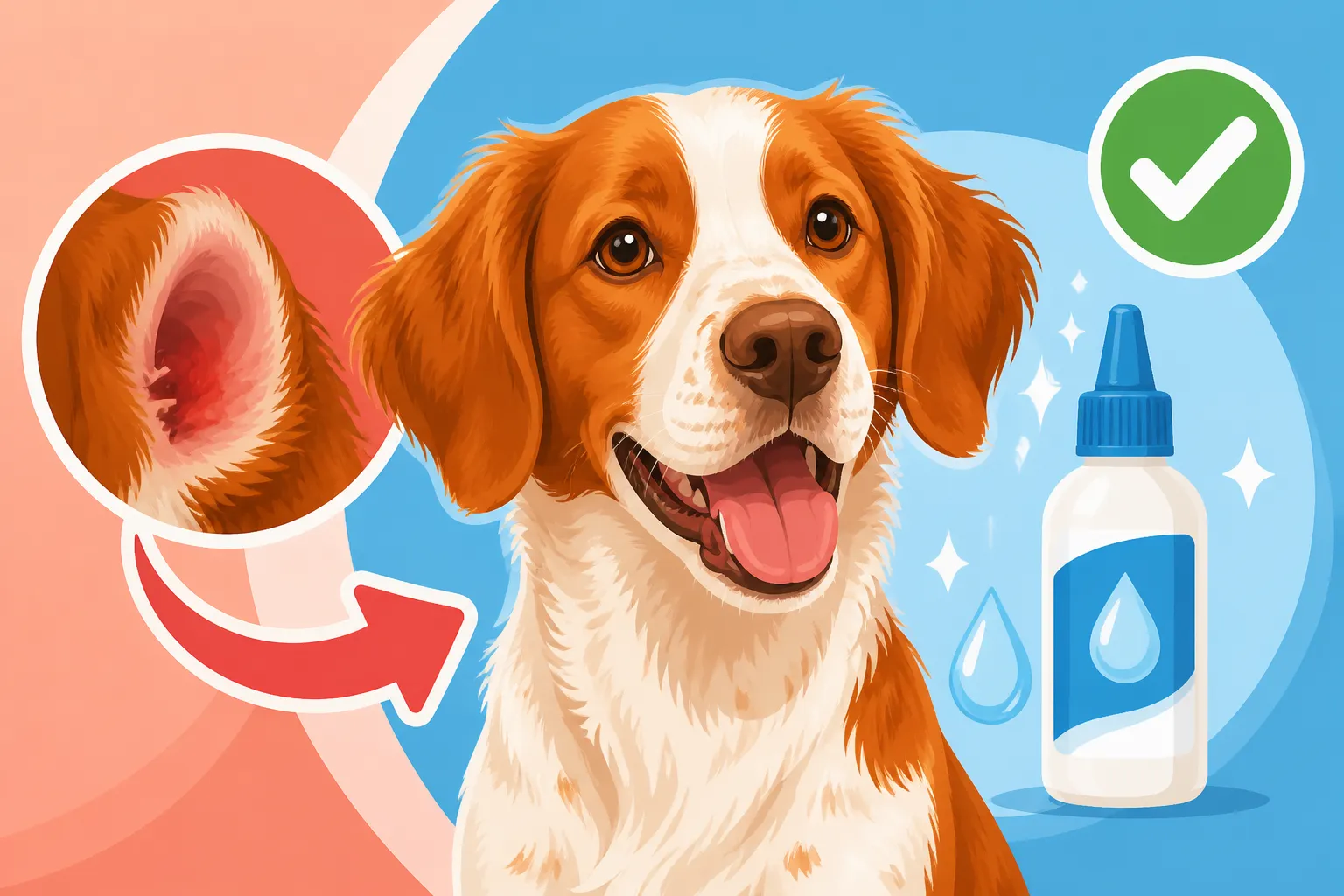
Whether a Drying Solution Helps a Brittany’s Ears
For us Brittany owners, the constant vigilance over our dogs' ears can feel like a never-ending battle, especially after a great day out in the field or a refreshing swim. That damp, warm environment under those beautiful, floppy ears is a breeding ground for trouble, and many of us wonder if there’s a simple solution to keep infections at bay. This guide will dive deep into whether using an ear drying solution truly makes a difference for your Brittany and how to incorporate it safely into your routine.
Why Brittany Ears Are Prone to Trouble
Brittany Spaniels, with their energetic spirit and love for the outdoors, are unfortunately predisposed to ear issues. It's a common frustration among owners to constantly be checking, cleaning, and sometimes even treating ear infections. Understanding why their ears are such a magnet for problems is the first step to effective prevention.
The Anatomy of a Brittany's Ear
Imagine your Brittany's ear, a soft, pendulous flap framing their intelligent face. While lovely, this physical characteristic is actually a primary culprit in ear woes. Unlike dogs with upright ears, the Brittany's drop ear creates a warm, enclosed space. Air circulation is naturally limited, which means moisture, heat, and even microscopic debris tend to get trapped inside. Furthermore, the ear canal itself isn't a straight shot; it's L-shaped, making it harder for water and wax to drain naturally. Many Brittanys also have a decent amount of hair growing inside their ear canals, which can further impede airflow and catch debris. This combination of factors creates a miniature greenhouse, perfectly designed for opportunistic microorganisms. This is why you might constantly be asking yourself, How Often a Brittany's Ears Should Be Checked.
The Role of Moisture and Environment
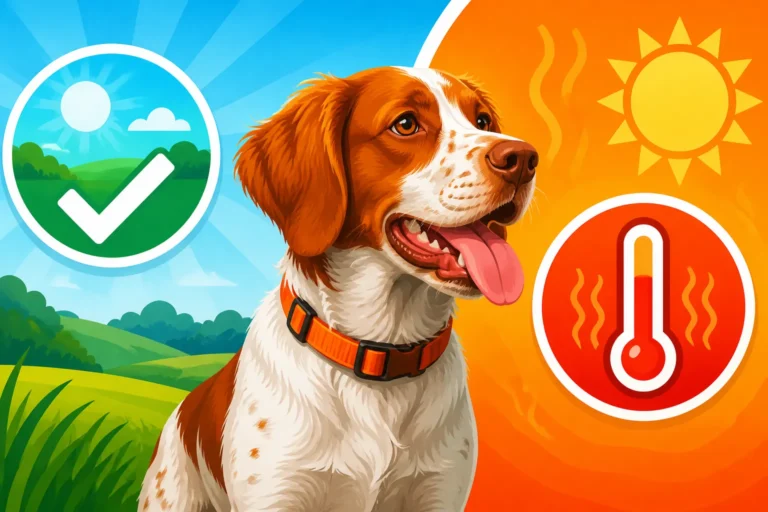
Our Brittanys are sporting dogs, bred to retrieve from water and push through dense cover. This means their ears are constantly exposed to moisture from swimming, dew-laden tall grasses, or even just heavy humidity. Each time their ears get wet, that warm, enclosed environment becomes even more inviting for problems to develop. That lingering dampness, combined with the natural warmth of a dog’s body, creates an ideal incubator for bacteria and yeast to multiply unchecked. It’s not just water, either; pollen, dust, dirt, and even tiny seeds from the field can get lodged in the ear, especially if the ear canal is damp, and these irritants can scratch the delicate lining, opening the door for infection. You'll understand the challenge even better if you read about Why a Brittany's Drop Ear Traps Water.
Common Ear Ailments
Because of these anatomical and environmental factors, Brittanys are prone to a range of ear problems. Otitis externa, or inflammation of the external ear canal, is incredibly common. This can be caused by bacterial infections, yeast infections, or a combination of both. You might notice your dog shaking its head, scratching at its ears, or exhibiting a foul odor. Allergies, either environmental or food-related, can also manifest as chronic ear inflammation, making the ears itchy and red, and thus more susceptible to secondary infections. Sometimes, foreign bodies like grass awns can work their way deep into the ear canal, causing acute pain and severe infection. Recognizing Signs a Brittany's Ear Is Infected is crucial for early intervention.
Understanding Ear Drying Solutions
Given the predisposition of Brittany ears to moisture-related issues, it's natural for owners to seek preventive measures. Ear drying solutions have emerged as a popular option, but it's important to understand what they are and how they actually work.
What Are Ear Drying Solutions?
Ear drying solutions are typically liquid formulations designed to be instilled into a dog's ear canal after exposure to water. Their primary goal is to quickly evaporate moisture and create an environment less hospitable for microbial growth. These solutions are distinct from ear cleaners, although some products combine both functions. Ear cleaners are designed to break down wax and debris, while drying solutions focus specifically on moisture removal. You can often find these products readily available from pet supply retailers like Chewy or Amazon, offering a wide array of choices from different manufacturers.
Common ingredients you might find in ear drying solutions include:
- Alcohol (often isopropyl alcohol): This is a powerful astringent and antiseptic that evaporates quickly, taking moisture with it.
- Witch hazel: Another natural astringent that can help dry and soothe tissues.
- Boric acid: An antiseptic and mild drying agent that can help acidify the ear canal, making it less favorable for yeast and bacteria.
- Acetic acid (vinegar): Can also help acidify the ear canal.
- Aloe vera or other soothing agents: Included in some formulations to counteract potential irritation from drying ingredients.
- Silicone or other hydrophobic agents: These can create a barrier that repels water.
How Drying Solutions Work
The magic of ear drying solutions lies in their ability to disrupt the moist, warm environment that fungi and bacteria love. When applied, the primary drying agents, such as alcohol or witch hazel, quickly draw out and evaporate any lingering water from the ear canal. This immediate removal of moisture is key, as it prevents the prolonged dampness that can kickstart an infection.
Additionally, many drying solutions contain ingredients like boric acid or acetic acid, which help to lower the pH of the ear canal. A slightly acidic environment is generally unfavorable for the growth of many common bacteria and yeast, which prefer a more neutral or alkaline setting. By shifting the pH, these solutions add another layer of protection, making it harder for these opportunistic pathogens to take hold. Think of it as creating a less inviting neighborhood for unwelcome microscopic guests. They also might contain mild antiseptics to further reduce bacterial load.
When to Use a Drying Solution
The crucial thing to remember about ear drying solutions is that they are primarily a preventive tool, not a treatment for an active infection. You should reach for an ear drying solution in specific scenarios:
- After swimming or bathing: This is the most obvious and critical time. If your Brittany has been in the lake, a stream, or even had a bath, their ears are likely to be wet deep inside.
- After playing in wet grass or dense cover: Dew, rain, or even just high humidity can leave enough moisture in the ear canal to warrant a drying solution.
- In humid climates: If you live in an area with consistently high humidity, using a drying solution a few times a week, even without explicit water exposure, might be beneficial for a prone dog.
It is absolutely vital not to use a drying solution if you suspect your dog already has an ear infection. Applying these solutions to an already inflamed or infected ear can cause significant pain and irritation, potentially worsening the condition. If you notice any signs of infection – redness, swelling, discharge, odor, pain, or excessive scratching – bypass the drying solution and head straight to your veterinarian. They need to properly diagnose and prescribe the correct treatment. You should also be aware of Which Ear Cleaner Suits a Brittany for routine maintenance.
Benefits and Considerations of Using Drying Solutions
While ear drying solutions can be a valuable tool in a Brittany owner's arsenal, it’s important to weigh their benefits against potential drawbacks and ensure you're using them correctly.
The Pros: Reducing Moisture and Risk
The most significant benefit of ear drying solutions is their ability to rapidly eliminate moisture from the ear canal. For a Brittany, whose floppy ears naturally trap water, this can be a game-changer in preventing the conditions that lead to painful ear infections. By removing the dampness, you directly hinder the proliferation of yeast and bacteria that thrive in warm, moist environments. This proactive approach can significantly reduce the frequency of ear infections, saving your dog discomfort and you the expense and stress of vet visits.
Regular use, especially after every water exposure, can contribute to a healthier ear microbiome, where beneficial microbes are less likely to be overwhelmed by opportunistic pathogens. This means fewer itchy, smelly ears and a happier, more comfortable dog who can enjoy their swimming and field work without the dreaded aftermath. It's a proactive step in managing your Brittany's overall ear health, making those outdoor adventures much more enjoyable for both of you. You might also want to consider Whether a Brittany Should Be Bathed After Every Hunt to help manage overall dampness.
The Cons: Potential for Irritation and Overuse
Despite their benefits, ear drying solutions aren't without their downsides, especially if misused. The very ingredients that make them effective at drying can also be irritating to a sensitive ear. Alcohol, for instance, can sting, particularly if there are already micro-abrasions or slight inflammation in the ear canal that you might not even be aware of. Over-drying the ear can strip away its natural protective oils and disrupt the delicate balance of the ear's ecosystem, potentially leading to dryness, itchiness, and even making it more susceptible to problems in the long run.
Some Brittanys have more sensitive skin or are prone to allergies, and a strong drying solution could trigger an adverse reaction, resulting in redness, irritation, or an allergic flare-up. It's always a good idea to introduce any new ear product cautiously. Apply a small amount and observe your dog for any signs of discomfort or irritation over the next 24 hours. If your dog shakes its head excessively, scratches, or shows any pain, discontinue use immediately. Always prioritize your veterinarian's advice, especially if your Brittany has a history of chronic ear issues or skin sensitivities. It's also something to consider when you think about How Often Ears Need Cleaning in the Middle of a Season.
Choosing the Right Product
Selecting the right ear drying solution for your Brittany involves a bit of careful consideration. Not all products are created equal, and what works well for one dog might not be suitable for another.
Key factors to look for:
- Ingredients: Opt for solutions with gentle, effective drying agents. Boric acid, acetic acid, and witch hazel are often gentler alternatives to high concentrations of isopropyl alcohol if your dog has sensitive ears. Some formulas also include aloe vera or other anti-inflammatory ingredients to soothe the ear.
- pH balance: Solutions formulated to maintain a slightly acidic pH are generally better, as this discourages yeast and bacterial growth.
- Veterinary recommendation: If your Brittany has a history of ear issues, always consult your vet. They can recommend specific brands or types of solutions that are best suited to your dog's individual needs and sensitivities. They might even have a preferred brand they stock, or suggest a product you can find on sites like Chewy or Amazon.
- Avoidance of strong perfumes or dyes: These can be unnecessary irritants for many dogs.
Always read the labels carefully for usage instructions and ingredient lists. Start with a less potent formula if you're unsure, and observe your dog's reaction. A product designed for regular use on sensitive ears might be a good starting point.
Best Practices for Brittany Ear Care
Beyond just drying solutions, a comprehensive approach to ear care is vital for keeping your Brittany's ears healthy and happy. It's about combining preventive measures with attentive monitoring and timely professional intervention.
Routine Cleaning and Inspection
Regular ear checks are arguably the most important part of your Brittany's ear health routine. Aim to check their ears daily, or at least every few days, especially if they are active outdoors. Lift the ear flap, take a good sniff, and peer down into the canal as best you can. You’re looking for any signs of redness, swelling, discharge (which can be brown, black, yellow, or waxy), or an unusual odor. Healthy ears should smell clean and have only a minimal amount of light-colored wax.
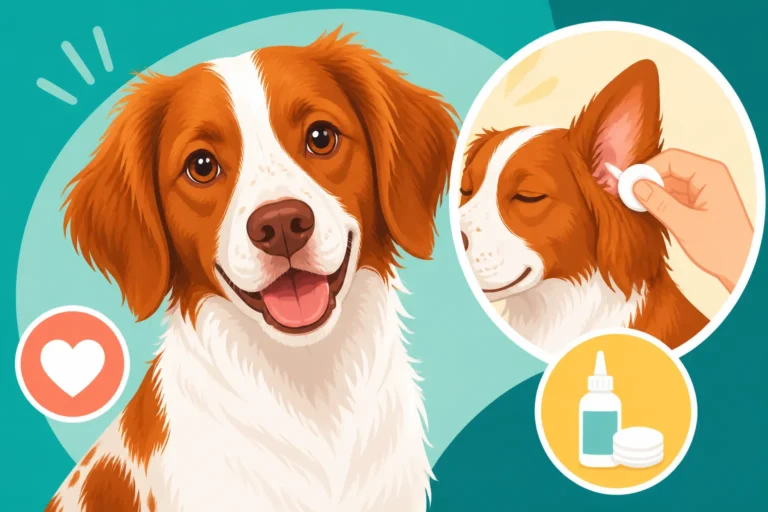
Beyond just looking, a gentle weekly or bi-weekly cleaning with a vet-approved ear cleaner is a great preventive measure. This helps remove any accumulated wax, dirt, and debris before it has a chance to cause problems. When you clean, use a cotton ball or soft cloth on the visible parts of the ear and applicator tips if using a liquid cleaner for the canal, never cotton swabs, which can push debris deeper and potentially damage the eardrum. Always ensure the ear is dry after cleaning. Being diligent here can help you catch minor issues before they escalate, potentially saving your Brittany a lot of discomfort. For tips, see How Often a Brittany's Ears Need Cleaning.
Drying After Water Exposure
This cannot be stressed enough: every time your Brittany’s ears get wet – whether from a swim, a bath, or a run through dewy grass – they need to be thoroughly dried. Start by gently toweling off the external ear flap and the entrance to the ear canal. Then, use your chosen ear drying solution as directed. Typically, this involves applying a few drops or a small squirt into the ear canal, gently massaging the base of the ear to help distribute the liquid, and then allowing your dog to shake their head naturally. This shaking action helps to dislodge excess moisture and solution.
Beyond solutions, ensuring good airflow can help. After drying, try to keep your dog in a well-ventilated area until you're certain their ears are completely dry. Some owners even gently hold the ear flap up for a few minutes to encourage air circulation. This diligent drying protocol is especially important for working Brittanys who spend a lot of time in damp environments or retrieving from water. You can find more detail on How to Dry a Brittany's Ears After Water.
When to Consult Your Vet
Despite your best efforts with drying solutions and routine care, ear problems can still arise, and knowing when to call the vet is crucial. Never try to self-diagnose or treat a suspected ear infection with home remedies or preventive drying solutions. If you observe any of the following signs, it's time to schedule an appointment:
- Persistent scratching or head shaking: More than just an occasional scratch.
- Redness, swelling, or heat in or around the ear.
- Unusual discharge: Yellow, green, brown, or black discharge, especially if it's thick or excessive.
- Foul odor: A yeasty or otherwise unpleasant smell coming from the ear.
- Pain: Your dog cries out, flinches, or avoids you touching its head.
- Reluctance to play or changes in behavior: Indicating discomfort.
- Hearing loss or balance issues: In severe cases, infection can affect hearing or coordination.
Your veterinarian will be able to properly examine the ear canal with an otoscope, collect samples for microscopic analysis (to identify bacteria, yeast, or mites), and then prescribe the most effective treatment, which might include antibiotics, antifungals, or anti-inflammatory medications. Early veterinary intervention is key to preventing a simple ear infection from becoming a chronic, more difficult-to-treat problem.
Comparing Ear Drying and Cleaning Solutions
It’s easy to confuse ear drying solutions with ear cleaning solutions, but they serve distinct purposes. Here’s a quick overview to help you understand when to use each for your Brittany.
| Feature | Ear Drying Solutions | Ear Cleaning Solutions |
|---|---|---|
| Primary Purpose | Remove moisture, create dry environment | Break down wax, remove dirt/debris |
| Best Used When | After water exposure (swimming, bathing, wet grass) | Regular maintenance, before drying solution, mild wax buildup |
| Key Ingredients | Alcohol, boric acid, witch hazel, acetic acid | Salicylic acid, lactic acid, emollients, gentle detergents |
| Action | Evaporates water, acidifies ear canal | Loosens and flushes out debris |
| Frequency | As needed after water exposure | Weekly to bi-weekly for routine care, or as vet advises |
| When NOT to Use | If infection or irritation is already present | If eardrum is ruptured or severe pain/infection is present |
| Overall Goal | Prevent new infections by eliminating moisture | Maintain clean ears and prevent buildup |
Remember, sometimes a product may combine both cleaning and drying properties, so always check the label carefully and consult your vet for personalized advice for your Brittany. The key is knowing which problem you are trying to address.
Conclusion
For the dedicated Brittany owner, managing ear health is an ongoing commitment. Ear drying solutions can absolutely be a helpful tool in your preventive care routine, especially for an active, water-loving dog. They work by tackling the root cause of many ear problems: moisture. By quickly evaporating water and creating a less hospitable environment for opportunistic pathogens, these solutions can significantly reduce the risk of common ear infections.
However, it's crucial to use them wisely. They are a preventive measure, not a cure for existing infections, and overuse or using the wrong product can lead to irritation. A holistic approach combining regular ear inspections, routine cleaning with a suitable ear cleaner, prompt drying after any water exposure, and knowing when to seek veterinary advice is truly the most effective strategy. By being vigilant and proactive, you can help ensure your Brittany's ears stay healthy and allow them to enjoy all their adventures without the discomfort of recurrent ear troubles.
Disclaimer
This article is for general informational purposes only and does not constitute professional advice. Laws, prices and regulations vary by location and change over time. Consult a qualified professional for guidance on your specific situation.