What Hip Screening Did for the Brittany Spaniel
For many Brittany Spaniel enthusiasts and owners, the thought of their energetic, bird-loving companion being hampered by debilitating joint problems is a genuine heartache. These dogs are built for activity, for long days in the field, and for boundless joy in motion. The possibility of hip dysplasia, a condition that can severely limit their mobility and quality of life, was once a widespread concern that cast a long shadow over the breed. This comprehensive guide will explore the pivotal role of hip screening in transforming the health and longevity of the Brittany Spaniel, detailing how proactive measures have safeguarded this beloved breed's future.
The Shadow of Hip Dysplasia Before Screening Became Common
Before the widespread adoption of standardized hip screening protocols, owning a Brittany often felt like a roll of the dice when it came to their joint health. Breeders and owners alike were left to guess, often only discovering severe issues after a dog had already grown and developed, leading to immense emotional and financial strain.
Understanding Hip Dysplasia and Its Impact
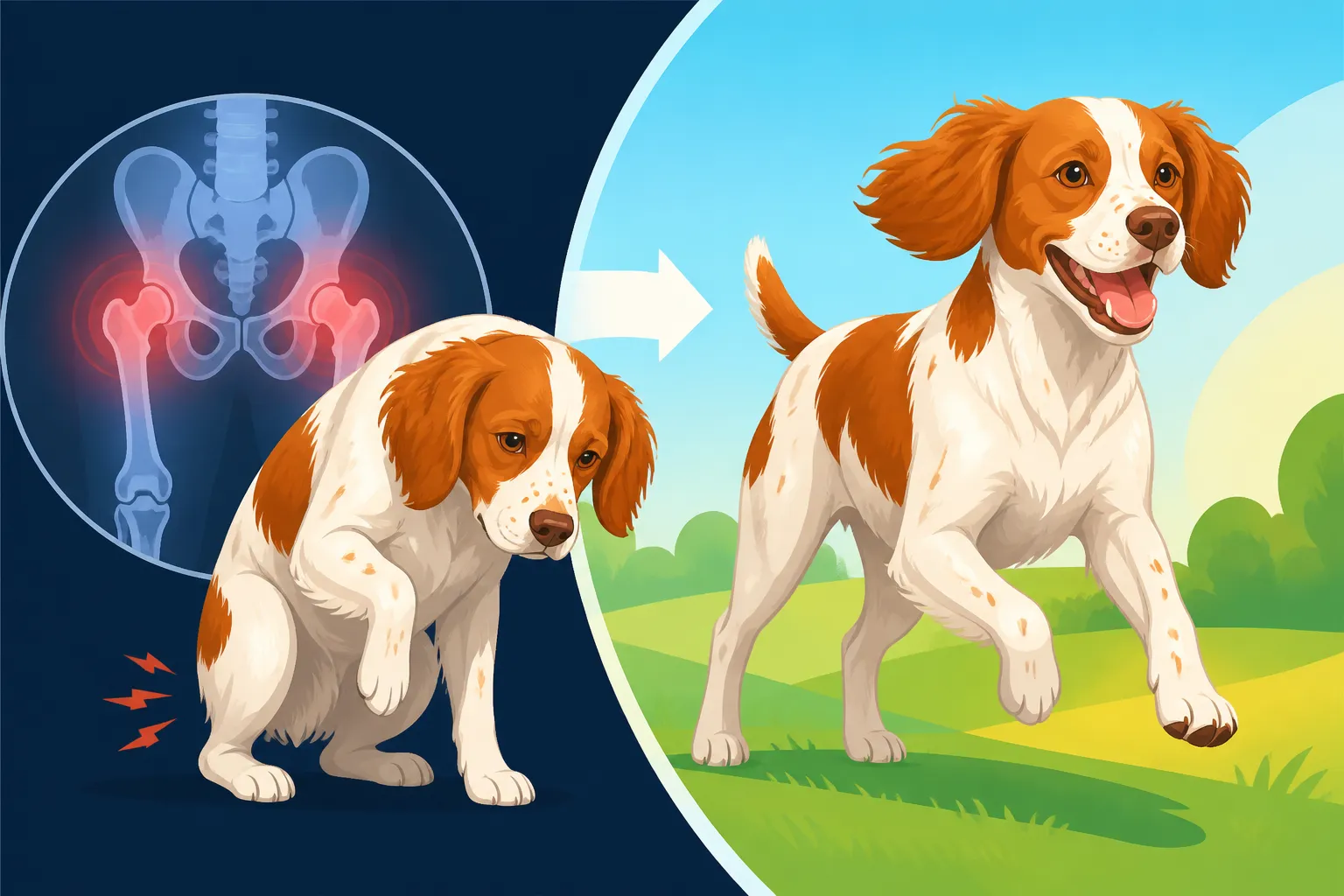
Hip dysplasia, at its core, is a malformation of the hip joint, where the ball (femoral head) and socket (acetabulum) don't fit together snugly. Instead of a smooth, congruent fit, there's looseness, or laxity, which leads to abnormal wear and tear over time. This friction and instability cause the cartilage to break down, eventually leading to painful osteoarthritis, bone spurs, and a severely compromised joint. For a Brittany, a breed renowned for its tireless work ethic and love of running, pointing, and retrieving, hip dysplasia is far more than just a minor inconvenience. It means pain with every movement, a reluctance to jump, difficulty getting up, and ultimately, a tragic loss of their inherent athleticism. A dog bred to cover vast amounts of ground and work with intensity simply cannot fulfill its purpose or find joy in its natural inclinations when plagued by such a condition. Imagine a bird dog, eyes alight with anticipation, suddenly hesitant to leap into a cover or unwilling to retrieve a downed bird – that was the devastating reality for many Brittanys and their owners before intervention became common.
The disease manifests differently in individual dogs. Some might show subtle signs of discomfort, a slight limp after exercise, or a reduced desire to play. Others, however, can be severely affected, struggling with chronic pain that impacts their ability to walk, stand, or even lie down comfortably. The secondary effects, such as muscle atrophy in the hindquarters due to disuse and compensatory strain on other joints, further complicate the picture, creating a cascade of health problems. For a breed like the Brittany, where performance in the field is a hallmark, this condition effectively ends a dog's working career, turning a vibrant, active companion into a suffering one, often needing extensive veterinary care and pain management for the rest of its life.
The Heartbreak for Early Brittany Owners
Before breeders began systematically screening their breeding stock, hip dysplasia felt like an arbitrary stroke of bad luck. Owners would invest their hearts and hopes into a promising young puppy, only to watch as that dog, often in its prime, began to exhibit signs of crippling hip pain. This was particularly devastating for those who relied on their Brittanys as hunting partners, as a dog unable to perform its duties in the field was not just a disappointment but a profound loss of a shared passion and connection. The financial burden was also significant; diagnosing the condition, managing the pain with medications, and potentially facing expensive surgeries like a total hip replacement or femoral head ostectomy could quickly deplete savings.
The emotional toll, however, was often far greater. To see a dog that was genetically predisposed to such a painful condition, through no fault of its own, suffer silently or openly, was heartbreaking. Many owners found themselves in a difficult position, loving their dog deeply but struggling with the reality of its limited mobility and chronic discomfort. They had to make tough decisions about quality of life, pain management, and what was fair to their beloved companion. There was a desperate need for a way to predict and prevent this condition, to ensure that future generations of Brittanys could live out their lives with the robust health they deserved. Without a clear path forward, it was a painful and frustrating reality that many Brittany owners and dedicated breeders had to face, often feeling powerless in the face of this widespread genetic challenge.
The Dawn of Hip Screening and the OFA's Role
The mid-20th century brought a glimmer of hope to breeds struggling with inherited orthopedic issues, marking a turning point that would profoundly impact the Brittany Spaniel. The establishment of formal hip screening protocols ushered in an era of accountability and proactive health management, with the Orthopedic Foundation for Animals (OFA) leading the charge.
The Orthopedic Foundation for Animals OFA Revolution
In 1966, a monumental step forward was taken with the founding of the Orthopedic Foundation for Animals (OFA). This non-profit organization was established with a clear mission: to promote the health and welfare of companion animals through objective evaluation of inherited diseases. For breeds like the Brittany, which faced a significant prevalence of hip dysplasia, the OFA provided a standardized, scientific method to assess hip quality. The process involves taking specific radiographic (X-ray) views of a dog's hips, usually under sedation or anesthesia to ensure proper positioning. These X-rays are then submitted to the OFA, where a panel of three independent, board-certified veterinary radiologists evaluates them against established criteria.
The genius of the OFA system lies in its objective grading. Each hip is assigned a grade, ranging from Excellent, Good, or Fair (considered "passing" or non-dysplastic) to Borderline, Mild, Moderate, or Severe (indicating some degree of dysplasia). This standardized grading system allowed breeders to objectively assess the hip health of their potential breeding stock and, crucially, to make informed decisions about which dogs to pair. For the first time, breeders had a reliable tool to identify dogs with healthy hips and, just as importantly, to avoid breeding dogs with dysplastic hips, thereby reducing the likelihood of passing the condition on to their offspring. This systematic approach, backed by a central database of results, began to slowly but surely revolutionize breed health, including for the Brittany.
Initial Skepticism and the Push for Data
Despite the clear benefits of the OFA program, its widespread adoption wasn't immediate or without its challenges. Like any new initiative, there was an initial period of skepticism within the dog community. Some breeders were hesitant to submit X-rays, perhaps fearing a poor result that would invalidate their breeding plans or concern about the cost and logistics of the procedure. Others simply preferred the old ways, relying on visual assessment or anecdotal evidence rather than scientific rigor. It took persistent advocacy from pioneering veterinarians, responsible breed clubs, and forward-thinking breeders to champion the cause and demonstrate the long-term advantages of hip screening.
The true power of the OFA system lies in its database. The more X-rays submitted, the more comprehensive and reliable the data became, allowing for accurate tracking of hip health trends within specific breeds. This push for data was critical for the Brittany Spaniel. As more breeders embraced the program and consistently submitted their dogs for evaluation, a clearer picture of the breed's overall hip health began to emerge. Over time, the accumulated data started to show undeniable improvements, proving the efficacy of the screening program. It underscored the importance of collective action and commitment from the entire breed community to make real, lasting change, paving the way for healthier generations of Brittanys.
How Brittany Spaniel Hip Health Transformed Over Decades
The commitment to hip screening through organizations like the OFA didn't just provide a snapshot of individual dogs' health; it created a historical record that eloquently tells a story of progress for the Brittany Spaniel. Over the decades, the cumulative data has painted a compelling picture of how dedicated efforts can profoundly shift the genetic landscape of a breed.
Analyzing the Data: A Clear Improvement
When you dive into the extensive archives of the OFA, specifically looking at the Brittany Spaniel, the impact of consistent hip screening is undeniable. Year after year, as more breeders committed to radiography and submitting their dogs for evaluation, the data began to show a remarkable trend. Over fifty years, the percentage of Brittanys receiving "Excellent" or "Good" hip ratings steadily increased, while the incidence of "Dysplastic" (Mild, Moderate, or Severe) ratings saw a significant decline. For instance, early records might show a higher percentage of dogs failing the screening, but as the decades progressed, these numbers steadily improved. This isn't just a statistical anomaly; it represents countless individual dogs spared from pain and suffering, and countless owners spared the heartbreak of a beloved companion hobbled by a preventable condition. You can actually see What the OFA Records Show About Brittany Hips by exploring their public database, which provides a transparent look at breed health over time.
This positive shift wasn't uniform across all breeds, nor was it an overnight miracle. It was the result of sustained effort, scientific scrutiny, and an unwavering commitment from responsible breeders who understood that improving breed health was a marathon, not a sprint. The data served as a powerful feedback loop, showing breeders that their efforts were paying off and encouraging even wider participation. The trend unequivocally demonstrated that selective breeding, guided by objective health screening, was the most effective weapon against inherited diseases like hip dysplasia. For the Brittany, this meant a tangible improvement in the breed's structural soundness, allowing more dogs to enjoy their lives to the fullest, whether in the hunting field, the competition ring, or simply as cherished family members.
The Power of Informed Breeding Decisions
The beauty of hip screening isn't just in diagnosing existing conditions, but in empowering breeders to make truly informed decisions that shape the future of the breed. With an OFA or PennHIP certification in hand, a responsible Brittany breeder can look at a potential sire and dam and understand their hip conformation with a level of detail simply unavailable before these programs existed. This allows them to avoid pairings where both parents might carry a higher genetic risk for hip dysplasia, even if one individual dog appears clinically normal. The goal is not just to breed two "clear" dogs, but to consider the hip health of their ancestors and littermates, creating a deeper pedigree analysis. This is why it's crucial to understand What a Brittany Spaniel Breeder Should Have Tested.
Ethical breeders utilize these results as a cornerstone of their breeding programs. They strive to produce puppies that are not only sound in temperament and type but also possess the best possible genetic health. This means carefully selecting dogs with optimal hip scores and, equally important, choosing dogs whose lines consistently produce healthy hips. It’s an ongoing responsibility, as hip dysplasia is a polygenic trait, meaning multiple genes are involved, and environmental factors can also play a role. However, by consistently choosing breeding stock with certified healthy hips, breeders have dramatically reduced the prevalence of severe hip dysplasia within the Brittany Spaniel population. This responsible approach ensures that when a new Brittany puppy goes home, its chances of a long, active life are significantly higher, allowing families to enjoy their vibrant companions without the constant worry of crippling joint disease.
The Different Methods of Hip Screening for Brittanys
When it comes to assessing a Brittany's hip health, there isn't just one path. Over the years, two primary methods have emerged as reliable standards, each offering a slightly different approach to evaluating the intricate structure of a dog's hip joints. Understanding these methods is key for any current or prospective Brittany owner.
OFA Certification: The Gold Standard for Many
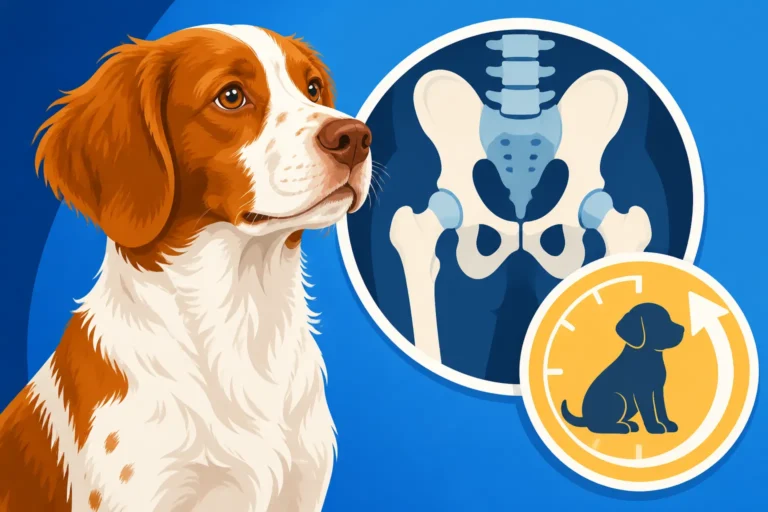
The Orthopedic Foundation for Animals (OFA) certification process has long been considered the traditional "gold standard" for evaluating canine hip health, particularly in the United States. The process begins with a veterinarian taking specific X-ray views of the dog's hips. Crucially, the dog must be at least 24 months old (two years) to receive a final OFA certification. This age requirement is in place because hip joints continue to develop and mature until this point, and earlier evaluations might not accurately reflect the mature joint structure. If you're wondering Why a Brittany OFA Hip Certification Waits Until Two, this developmental factor is the main reason. The radiographs require the dog to be positioned precisely, often under sedation or light anesthesia, to ensure accuracy and minimize movement.
Once taken, the X-rays are sent to the OFA, where they are independently reviewed by three board-certified veterinary radiologists. These experts assess the X-rays for various signs of hip dysplasia, including joint laxity, bone spurs, and evidence of degenerative joint disease. Based on their consensus, the hips are assigned one of seven ratings: Excellent, Good, Fair (all considered "passing" and free of radiographic evidence of hip dysplasia), Borderline, Mild, Moderate, or Severe. A dog receiving an Excellent, Good, or Fair rating is issued an OFA certification number, which is recorded in their public database. This transparent system allows prospective puppy buyers to easily verify the hip health of a potential puppy's parents, adding a layer of trust and accountability to breeding practices.
PennHIP: A More Predictive Approach
While OFA focuses on assessing the conformational quality of the hip joint at maturity, PennHIP (University of Pennsylvania Hip Improvement Program) offers a different, more quantitative, and often more predictive approach. Developed at the University of Pennsylvania, PennHIP's methodology is unique because it specifically measures hip laxity – the degree of looseness in the joint – which is a primary indicator of a dog's susceptibility to developing hip dysplasia and subsequent osteoarthritis. This method involves three distinct X-ray views: a standard extended view (similar to OFA), a compression view, and a distraction view. The distraction view is particularly insightful, as it gently pushes the femoral heads out of the hip sockets, revealing the maximum amount of joint laxity.
One of PennHIP's significant advantages is that it can be performed on dogs as young as 16 weeks (four months), providing an early assessment of hip health, though many practitioners prefer to do it closer to six or eight months. This early screening can give breeders valuable information much sooner than the OFA's two-year requirement. The results are expressed as a "distraction index" (DI), a numerical value between 0 and 1, where lower numbers indicate tighter hips and less laxity. This DI is then compared to the average DIs of other dogs within the same breed, giving a percentile ranking. Dogs with DIs in the tighter half of the breed are considered at lower risk for developing hip dysplasia. Understanding What PennHIP Tells a Brittany Owner can empower them to select puppies with potentially healthier hips from an early age, even if the breeding stock primarily uses OFA. Both methods have their merits, and many responsible breeders choose one or both to gain the most comprehensive understanding of their dogs' orthopedic health.
Understanding the Results and What They Mean for Your Brittany
Navigating the world of hip screening results, whether OFA or PennHIP, can feel a bit like learning a new language. But for your Brittany's long-term health, it’s a language well worth understanding. An OFA certification of "Excellent," "Good," or "Fair" indicates that, at the time of the X-ray (at or after 24 months), the dog's hips were free of radiographic evidence of hip dysplasia. For a working breed like the Brittany, these are the scores you want to see in parent dogs, as they suggest a sound foundation for a life of activity. A "Borderline" score means there are minor irregularities that technically don't qualify as dysplastic but warrant caution, often suggesting a re-evaluation later. Scores of "Mild," "Moderate," or "Severe" clearly indicate hip dysplasia, and dogs with these scores should never be bred.
PennHIP results, on the other hand, provide a numerical "distraction index" (DI), which measures hip laxity. A DI closer to 0 indicates very tight hips, while a DI closer to 1 signifies significant laxity. Generally, a DI below 0.3 is considered very good for most breeds, indicating a low risk of developing osteoarthritis. The report will also show where your Brittany's DI falls within the breed, for example, "tighter than 80% of Brittanys," which is excellent. For a working Brittany, tighter hips are always preferred as they offer more stability under strenuous activity. While a "passing" score from either method is great, it’s important to remember that hip dysplasia is complex. Even dogs from "clear" parents can develop it, as genetics are not 100% predictive, and environmental factors like rapid growth, excessive exercise as a puppy, or poor nutrition can also play a role. However, starting with parents with optimal hip scores significantly stacks the odds in favor of your Brittany living a pain-free, active life.
The Ongoing Benefits and Challenges of Hip Screening
The journey of improving hip health in Brittany Spaniels through screening is not a destination, but an ongoing process. While immense strides have been made, there are continuous benefits to reap and persistent challenges to address to ensure the breed remains robust and agile for generations to come.
The Legacy of Healthier Hunting Partners
The most profound and enduring benefit of widespread hip screening is the legacy of healthier, happier hunting partners. Brittanys born from OFA or PennHIP certified parents have a significantly higher chance of living a life free from the debilitating pain of severe hip dysplasia. This means they can chase pheasants across fields, retrieve ducks from icy waters, and joyfully bound through life with the energy and enthusiasm that is so characteristic of the breed. Their active lives are extended, their comfort enhanced, and their ability to fulfill their natural instincts preserved. For owners, this translates into countless more years of shared adventures, fewer agonizing decisions about pain management, and a reduced likelihood of expensive veterinary interventions. Pet insurance providers, like Healthy Paws, recognize the value of proactive health management and the reduced risk associated with well-bred dogs, often offering more favorable terms for dogs from health-tested lines.
The shift is palpable. Breeders can confidently offer puppies with a stronger genetic foundation, giving new owners peace of mind. Owners can invest in training and field work knowing that their Brittany is physically capable of the demands placed upon it. The breed as a whole has seen a tangible improvement in overall soundness, which contributes not only to their working ability but also to their general well-being as family companions. This proactive approach has allowed Brittanys to continue holding their impressive record as versatile hunting dogs, capable of performing at elite levels without being prematurely sidelined by preventable joint issues. The freedom to run, point, and retrieve without pain is the invaluable gift that hip screening has bestowed upon the Brittany Spaniel.
The Persistent Role of Responsible Breeding
While hip screening has been a game-changer, it's crucial to understand that it doesn't offer a magic bullet solution to eliminate hip dysplasia entirely. Hip dysplasia is a polygenic trait, meaning it's influenced by multiple genes, not just one, and environmental factors also play a part. This complexity means that even breeding two "Excellent" OFA-rated dogs doesn't guarantee every puppy will have perfect hips, though it significantly reduces the risk. Therefore, the role of responsible breeding remains as vital as ever. Breeders must continue to be diligent, not only by screening the parents but also by examining the hip health of previous generations and littermates, looking for patterns and trends. How Common Hip Dysplasia Is in Brittany Spaniels statistics show that while it has decreased, it still exists, underscoring the need for ongoing vigilance.
Responsible breeders go beyond just the minimum requirements. They consider the "whole dog" – temperament, working ability, structure, and overall health, including comprehensive health testing for other conditions prevalent in the breed. They maintain transparency with prospective buyers, sharing all health clearances and being open about any health issues that might have appeared in their lines. They understand that improving breed health is a continuous commitment that requires careful selection, ethical decision-making, and a deep understanding of genetics. This sustained effort from dedicated breeders is the bedrock upon which the health of the Brittany Spaniel breed is built, safeguarding its future and ensuring that the hard-won gains from decades of hip screening are not lost.
Beyond Screening: Maintaining Hip Health in Brittanys
While hip screening is a cornerstone of preventing hip dysplasia, the story of maintaining a Brittany's hip health doesn't end there. Owners play a crucial role in nurturing their dog's musculoskeletal system from puppyhood through their senior years. One of the most critical aspects is proper nutrition during growth. Feeding a high-quality, balanced diet appropriate for their life stage, and avoiding overfeeding, is paramount. Rapid growth from excessive calorie intake in puppies can put undue stress on developing joints, exacerbating any underlying genetic predisposition to hip dysplasia. Controlled exercise for puppies, avoiding high-impact activities like jumping off high surfaces or prolonged, strenuous running on hard surfaces, is also key until their growth plates close and their joints are fully mature.
As Brittanys mature, maintaining a healthy weight becomes incredibly important. Excess weight puts additional strain on the hip joints, accelerating wear and tear and worsening any existing mild dysplasia. Regular, moderate exercise, appropriate for their age and condition, helps to build strong supporting muscles around the hips, providing natural stability. Supplements like glucosamine, chondroitin, and Omega-3 fatty acids (fish oil) can be beneficial for joint health, especially as a dog ages or if they show early signs of stiffness. It's also vital to be aware of the signs of discomfort, such as lameness, stiffness, or reluctance to perform certain movements, and to consult with your veterinarian promptly if you notice any changes. Even if your Brittany is an avid hunter, understanding Whether an Arthritic Brittany Can Still Hunt is crucial for modifying activity and ensuring their comfort. Proactive, holistic care, combined with excellent breeding practices, gives your Brittany the best chance at a long, active, and pain-free life.
What Every Brittany Owner Should Know About Hips Today
Bringing a Brittany into your home is an exciting journey filled with potential adventures, especially in the great outdoors. To ensure those adventures are long-lasting and joyful, understanding hip health, from selecting a puppy to lifelong care, is paramount.
Researching Your Puppy's Pedigree and Breeder
The first and arguably most critical step in ensuring your Brittany has the best chance at healthy hips is doing thorough research before you even bring a puppy home. This means delving deep into the puppy's pedigree and, most importantly, scrutinizing the breeder. A responsible breeder will be completely transparent about the health clearances of the parent dogs, not just saying they've been tested but showing you the actual documentation. For OFA, this means verifiable OFA numbers and certificates for both the sire and dam, showing "Excellent," "Good," or "Fair" hip ratings at 24 months or older. If they use PennHIP, they should be able to provide the distraction index scores and percentile rankings for both parents. Don't be shy about asking to see these documents; it's your right as a prospective owner.
Beyond the parents, a truly ethical breeder will also be aware of the hip health of the grandparents and any littermates from previous breedings. They will be able to discuss any instances of hip dysplasia in their lines, even if rare, and explain how they are working to mitigate those risks. They should welcome your questions, including Which Questions to Ask a Brittany Breeder, and be eager to educate you on their health testing protocols. Be wary of breeders who offer vague assurances, claim their dogs are "vet checked" without specific certifications, or pressure you into a quick decision without providing ample time for research. Your due diligence here is an investment in your future Brittany's health and your peace of mind.
Early Detection and Management of Hip Issues
Even with the most meticulous breeding, it's wise for every Brittany owner to be aware of the subtle signs that might indicate hip discomfort or the early onset of hip dysplasia. Brittanys are notoriously stoic, often masking pain until it becomes quite severe, so keen observation is essential. Early indicators can include a reluctance to jump into the car or onto furniture, a decreased enthusiasm for long walks or runs, stiffness after resting, or a slight change in gait – sometimes described as a "bunny hop" when running. You might also notice them shifting their weight more onto their front legs, or their hind leg muscles appearing to atrophy over time. If you suspect your Brittany's hips hurt, it's imperative to consult your veterinarian promptly. These are all potential Signs a Brittany's Hips Hurt and warrant investigation.
Your vet will likely perform a physical examination, checking for hip laxity and pain response, and may recommend X-rays to confirm a diagnosis. If hip dysplasia is detected, early intervention is key to managing the condition and preserving your dog's quality of life. Management options vary depending on the severity and can range from conservative approaches like weight management, joint supplements, anti-inflammatory medications, physical therapy, and controlled exercise, to surgical interventions in more severe cases. While surgical options like total hip replacement or femoral head ostectomy can be effective, they are also significant undertakings, both medically and financially. Understanding What Hip Surgery Costs on a Brittany will illustrate why early detection and conservative management are often preferred paths if possible. Pet insurance can be an absolute lifesaver in these scenarios, helping to cover the often substantial costs of diagnosis and treatment, ensuring you can make decisions based on your Brittany's needs, not just your wallet.
The Future of Genetic Screening for Canine Orthopedic Health
The world of canine health is constantly evolving, and the future holds even more promise for safeguarding the orthopedic health of breeds like the Brittany Spaniel. While OFA and PennHIP have been instrumental, they rely on phenotypic evaluation – assessing the physical manifestation of the genes (the actual hip structure) through X-rays. The next frontier lies in genetic screening, directly identifying the specific genes or gene markers associated with hip dysplasia. Because hip dysplasia is a polygenic trait, identifying all the contributing genes is a complex puzzle, but researchers are making steady progress.
Imagine a future where a simple DNA test from a puppy's cheek swab could provide a comprehensive risk assessment for hip dysplasia, even before X-rays are feasible. This would allow breeders to make even more precise and informed breeding decisions, potentially eliminating carriers or high-risk individuals from the breeding pool with greater accuracy. Companies like Embark Veterinary are already at the forefront of genetic testing for various inherited diseases, and while a definitive, comprehensive DNA test for hip dysplasia is still under development, the continuous collaboration between veterinary geneticists, researchers, and breed clubs brings us closer to this reality. This ongoing research promises to further enhance our ability to breed healthier Brittanys, ensuring that future generations of these magnificent dogs can run, point, and retrieve with unhindered joy for their entire lives.
| Feature | OFA (Orthopedic Foundation for Animals) | PennHIP (University of Pennsylvania Hip Improvement Program) |
|---|---|---|
| Primary Focus | Phenotypic assessment (visual evaluation of hip conformation) | Quantitative measurement of hip laxity (looseness) |
| Evaluation Age | Minimum 24 months (2 years) for final certification | As early as 16 weeks (4 months) |
| X-ray Views | Standard extended leg view | Extended view, compression view, distraction view |
| Grading System | Descriptive: Excellent, Good, Fair, Borderline, Mild, Moderate, Severe | Quantitative: Distraction Index (DI) (0-1) + breed percentile rank |
| Predictive Power | Assesses current conformational quality | More predictive of future osteoarthritis development |
| Cost | Typically lower per dog | Generally higher per dog due to specialized training and equipment |
| Acceptance | Widely accepted, historical standard in many breed clubs | Growing acceptance, often used in conjunction with OFA or by specific breeders |
| Purpose | Certifies adult breeding stock as free of radiographic HD | Identifies dogs with genetically "tighter" hips and lower HD risk at early age |
Disclaimer
The information provided in this guide is intended for general informational purposes only and does not constitute veterinary advice. Always consult with a qualified veterinarian for any health concerns or before making any decisions related to your Brittany Spaniel's health or medical care. Individual results may vary, and recommendations should be tailored to your specific dog's needs by a professional.