Whether a Show Brittany Is Trimmed
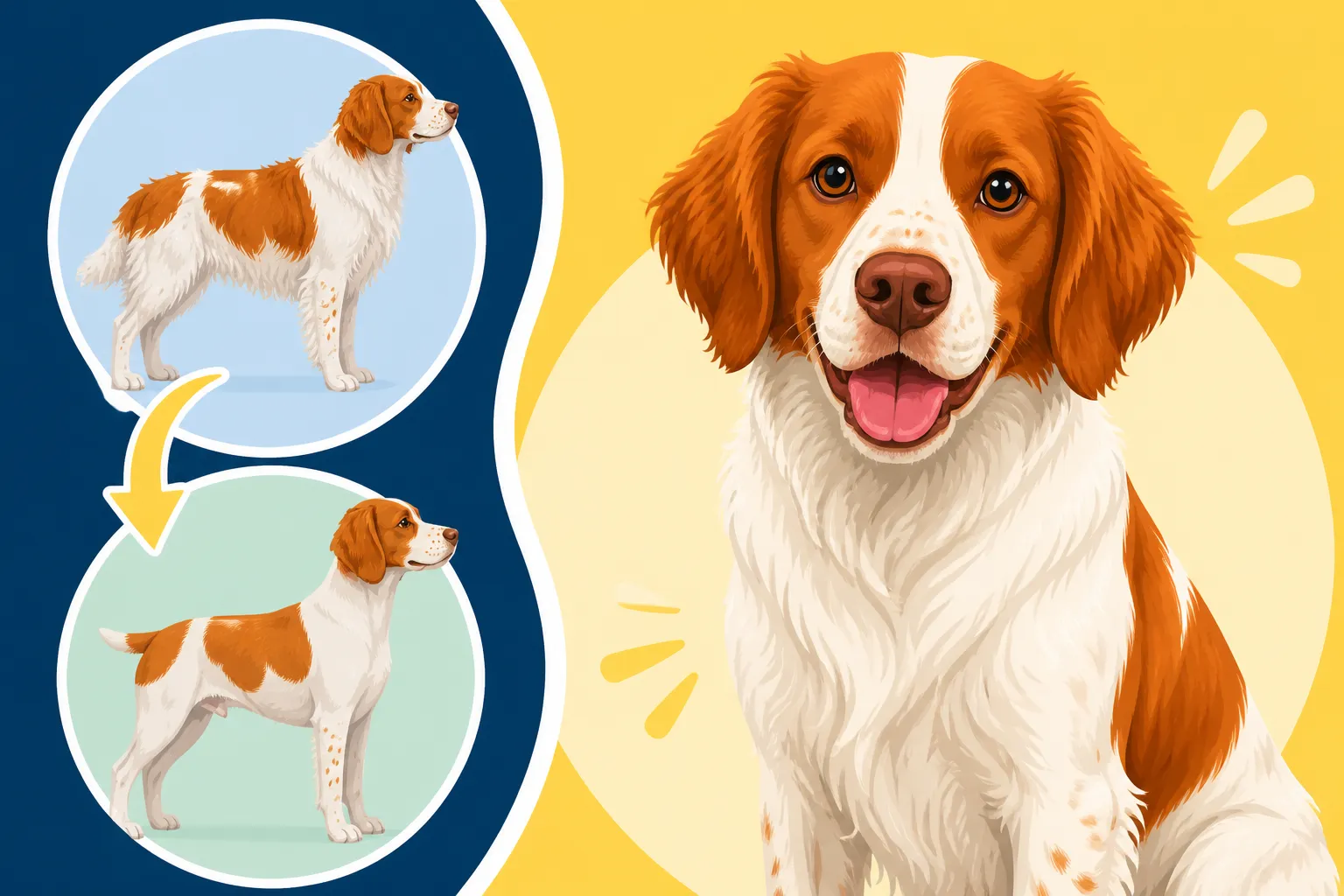
You’ve dedicated time and love to your Brittany, and perhaps you’ve even considered stepping into the show ring. But one of the most common questions that swirls around among Brittany owners is about grooming: just how much trimming is allowed, or even expected, for a show Brittany? You might hear conflicting advice – some say absolutely no trimming, while others seem to have perfectly sculpted show dogs. It’s enough to make you scratch your head. This guide will clear up the confusion, detailing exactly what kind of trimming is accepted and encouraged for a Brittany in the conformation ring, ensuring your dog looks its absolute best without sacrificing its natural gundog charm.
The Show Ring Standard: Embracing Natural Beauty with a Touch of Polish
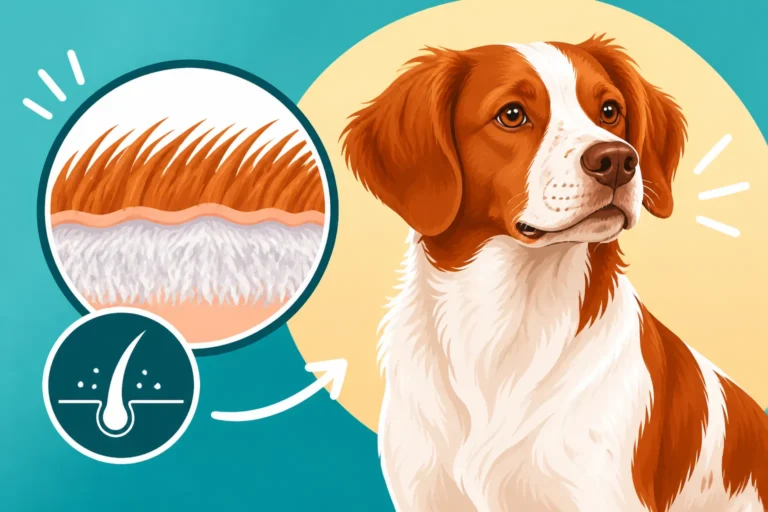
The Brittany breed standard, whether you're looking at the American Kennel Club (AKC) guidelines or those from other organizations, emphasizes a natural, rugged gundog appearance. This isn't a breed meant for elaborate sculpturing or excessive clipping like some other show dogs. However, "natural" doesn't mean "unkempt." It means a presentation that enhances the dog's inherent qualities and outlines, rather than creating an artificial silhouette. The goal is to highlight the Brittany's athletic build and intelligent expression, not hide it under a shaggy coat or over-trimmed lines.
Interpreting "Natural" in the Conformation Ring
When judges evaluate a Brittany in the conformation ring, they are looking for a dog that embodies the breed's purpose: a versatile gundog, capable of working hard in the field. This means the coat should reflect its protective function – dense, flat, or wavy, never curly. The standard explicitly states that "excessive trimming, clipping or shaping of the coat shall be penalized." This sentence often causes new exhibitors a great deal of anxiety, making them believe any trim at all is forbidden. However, the key words here are "excessive" and "shaping." It's about moderation and maintaining the dog's natural outline. Think of it less as a haircut and more as tidying up. You want to present a clean, well-maintained dog, free from distractions that might obscure its true form. A clean outline around the feet, ears, and throat helps the judge see the dog's structure clearly, which is paramount.
Why a Little Tidying Is Essential
Even with the emphasis on natural appearance, certain areas benefit immensely from a bit of tidying. Imagine a working Brittany returning from a long day in the field; its ears might be matted with burrs, its feet packed with mud, and its feathering tangled. While a show dog isn't quite fresh from the briar patch, the principles of cleanliness and neatness still apply. Loose, wispy hairs around the ears can make them look heavy or incorrectly set. Overgrown hair between the pads can collect dirt, interfere with traction, and make the foot look splayed. A neat, clean throat line helps show off the strong, elegant neck. These small adjustments don't change the dog's fundamental structure or coat texture; they simply present it in the best possible light. It's about refinement, not alteration. Many owners worry about whether a Brittany needs a groomer, but with the right tools and knowledge, much of this work can be done at home.
Precision Trimming: Where and How to Achieve the Brittany's Show Look
Achieving that "polished natural" look for a show Brittany requires understanding specific areas where trimming is acceptable and how to execute it with precision. The aim is always to enhance, never to disguise or over-style. The true art lies in making it look like you've done nothing at all, while subtly bringing out the dog's best features.
Ears: Lightening and Defining
The Brittany's ears should be set high and hang flat, but often, the hair on and around them can become thick and unruly. This is a primary area for subtle trimming. The goal is to clean up the edges and thin any excessively thick hair, helping the ears lie correctly and appear lighter.
You’ll want to use thinning shears, not straight clippers, on the body of the ear to reduce bulk without creating harsh lines. Around the edges of the ear leather, carefully use a blunt-nosed shear or stripping knife to neaten stray hairs, following the natural curve of the ear. The hair on the inside of the ear flap should also be lightly thinned to improve air circulation, which can help prevent Why a Brittany's Ears Get Infected Every Season. Always ensure a seamless blend from the trimmed area to the natural coat on the rest of the head. It should look tidy, not clipped.
Feet: Creating a Clean Silhouette
The feet are another critical area. A Brittany's feet should be tight, well-arched, and compact, often described as "cat-like." Overgrown hair between the pads or around the circumference of the foot can make the foot appear larger, flatter, or splayed, detracting from the desired appearance.
For the feet, use small, blunt-nosed shears to carefully trim the hair between the pads, ensuring it's flush with the pads themselves. This not only makes the foot look neater but also improves grip and hygiene. Then, standing the dog on a solid surface, trim any hair extending beyond the natural outline of the foot, giving it a round, tight appearance, much like a well-formed slipper. Again, avoid creating sharp lines; the trim should blend smoothly with the leg feathering. Regular checks on How Often a Brittany's Pads Should Be Checked are crucial, especially for active dogs.
Throat and Neck: Emphasizing Structure
A clean throat and neck line helps to highlight the Brittany's elegant arch of neck and strong, muscular build. This area should appear clean and refined, allowing the judge to appreciate the dog's head carriage and body structure.
For the throat, use thinning shears or a stripping knife to remove any loose, scraggly hairs that detract from a clean line. This extends from just under the jaw down to the breastbone. The aim is to create a neat, tapered look that flows naturally into the chest and shoulders, without creating a sharp "cut" line. Think about how the hair lays naturally and simply clean up the stray, flyaway bits. This isn't about shortening the hair significantly, but about neatening its presentation.
Feathering and Body: Minimal Intervention
The Brittany's feathering on the legs and belly is a hallmark of the breed and should be left as natural as possible. The standard calls for "moderate feathering" on the legs, ears, and underbody. "Excessive trimming" means not touching the length of the main feathering.
However, very light tidying of stray, wispy hairs on the edges of the feathering on the legs is sometimes done, purely to give a clean edge. This is extremely subtle and usually involves just the very tips of the longest, most straggly hairs. The body coat should never be clipped or scissored. Any shedding or dead coat can be stripped out using a stripping knife or stone, which helps maintain the natural texture and prevents matting without altering the coat's length. This attention to detail contributes to A Brittany's Coat Is Low Maintenance Until It Hits Cover philosophy, even in the show ring. For more on the breed's specific coat characteristics, you might find What a Brittany's Coat Is Like helpful.
The Essential Grooming Kit for a Show Brittany
Preparing a Brittany for the show ring means having the right tools on hand. You don't need a massive array of expensive equipment, but investing in quality items specifically designed for dog grooming will make the process much easier and yield better results. Many of these items can be found conveniently on platforms like Amazon or Chewy.
Must-Have Tools for the Show Ring Look
- Slicker Brush and Pin Brush: These are your daily workhorses. A good slicker brush will help remove loose undercoat and small tangles, while a pin brush is excellent for working through the longer feathering gently. Regular brushing, at least How Often a Brittany Needs Brushing, is key to maintaining coat health and preventing mats.
- Fine-toothed Comb and Greyhound Comb: Essential for checking for tangles, especially in the feathering and behind the ears, and for precise work. The greyhound comb often has two sections, one with wider teeth and one with finer teeth, offering versatility.
- Thinning Shears (Blenders): These are perhaps the most crucial tool for a show Brittany. They have one straight blade and one notched blade, which allows you to remove hair without creating sharp lines, blending the trimmed areas seamlessly into the natural coat. They are perfect for tidying ears and thinning dense hair.
- Blunt-nosed Shears/Scissors: Small, sharp scissors with blunt tips are safer for trimming around delicate areas like the feet and the edges of the ears, minimizing the risk of accidental nicks.
- Stripping Knife or Stone: Useful for removing dead or shedding hair from the body coat, especially on the back and neck, without cutting the coat. This helps maintain the natural texture and density.
- Nail Clippers and File: Essential for keeping nails short and neat, preventing them from interfering with gait and foot structure. A Dremel tool can also be a great alternative for smooth, short nails.
- Quality Dog Shampoo and Conditioner: While not a trimming tool, a good bathing routine is part of preparing the coat. Look for shampoos that clean thoroughly without stripping natural oils. You can find a wide selection of grooming products on Chewy, which often includes natural and sensitive skin options.
Learning the Techniques
Learning how to properly use these tools is just as important as having them. Many experienced Brittany breeders and handlers offer grooming clinics or mentorships, which can be invaluable. Watching videos from professional handlers or seeking advice from your breeder can also guide you. Remember, practice makes perfect, and starting with small, conservative trims is always best. You can always take off more hair, but you can't put it back on! Being proficient in these techniques also translates to better care for your dog in the field. Removing burrs and preventing matting is easier when you know how to handle The Feathering on a Brittany's Legs and Ears.
Beyond the Trim: Maintaining Coat Health and Ring Readiness
Presenting a show Brittany isn't just about the trim; it's about the overall health and condition of the dog, which directly impacts coat quality. A healthy dog glows from the inside out, and that radiance is evident in its coat, skin, and demeanor in the ring.
Nutrition and Coat Quality
A high-quality diet is the foundation of a healthy coat. Ensure your Brittany is receiving all the essential nutrients, including sufficient protein, healthy fats (especially omega fatty acids), and vitamins. A dog food brand like Ollie, known for its fresh, human-grade ingredients, can contribute significantly to a lustrous coat and overall vitality. Dry, brittle hair, excessive shedding, or dullness can often be traced back to nutritional deficiencies. Discuss your dog's diet with your veterinarian or breeder, especially if you notice any changes in coat quality. A well-nourished dog will have a coat that lies correctly, has good color, and is resilient, making grooming efforts more effective.
Regular Care and Maintenance
Consistent grooming is far more effective than last-minute cramming before a show.
- Brushing: Daily or every-other-day brushing with a slicker and pin brush helps distribute natural oils, removes loose hair and dirt, and prevents mats. This is especially important for Whether a Brittany Mats.
- Bathing: While not excessive, regular bathing keeps the coat clean. Use a good quality shampoo and conditioner, ensuring all shampoo is thoroughly rinsed out to prevent skin irritation. For sensitive skin or frequent baths, look for mild, pH-balanced formulas.
- Ear Cleaning: Brittany's drop ears are prone to infections, so regular cleaning is vital. Check and clean them regularly, especially after any exposure to water or dirt. How Often a Brittany's Ears Need Cleaning can depend on their activity level.
- Nail Care: Keep nails short enough so they don't click on the floor when your dog walks. This ensures proper foot structure and gait.
- Skin Checks: Regularly check your Brittany's skin for any abnormalities, such as dryness, rashes, lumps, or parasites. Early detection can prevent minor issues from becoming major problems. You can learn how to check for lumps in How to Check a Brittany for Lumps.
Practice and Presentation
Beyond the physical grooming, a show Brittany needs to be mentally prepared. This means practicing stacking, gaiting, and allowing examination by strangers (like judges) calmly and confidently. A dog that is nervous or uncomfortable will not present well, regardless of how perfectly trimmed its coat is. Regular practice sessions, keeping them positive and short, will build your Brittany's confidence in the ring. A confident, happy dog with a well-maintained coat is truly the winning combination.
Show Trim vs. Field Trim: A Quick Comparison
While the show trim for a Brittany focuses on neatness and adherence to the standard for visual presentation, a field trim prioritizes practicality and comfort for a working dog.
| Feature | Show Trim | Field Trim |
|---|---|---|
| Overall Goal | Enhance natural outline, present a polished look | Prevent burrs/debris, improve comfort & hygiene |
| Ears | Lightly thin, neaten edges, clean inside | Often trimmed shorter to prevent burrs/matting |
| Feet | Trim hair between pads and around edges for neatness | Trim hair between pads to prevent debris/ice |
| Throat | Lightly thin and neaten for clean neckline | May be clipped shorter for cleanliness |
| Body Feathering | Minimal tidying of wispy ends on legs | May be substantially trimmed or clipped shorter |
| Body Coat | Stripped for texture, never clipped | Clipped/shaved to prevent burrs and ease cleaning |
| Primary Tools | Thinning shears, blunt shears, stripping knife | Clippers, electric shaver, standard shears |
While a show Brittany is trimmed, it's a far cry from the utilitarian short clip many working Brittanys receive to ease the burden of burr removal after a hunt. It's a delicate balance, one that celebrates the Brittany's natural beauty with a touch of artful refinement.
Disclaimer
This article is for general informational purposes only and does not constitute professional advice. Laws, prices and regulations vary by location and change over time. Consult a qualified professional for guidance on your specific situation.