Whether a Brittany’s Coat Repels Water
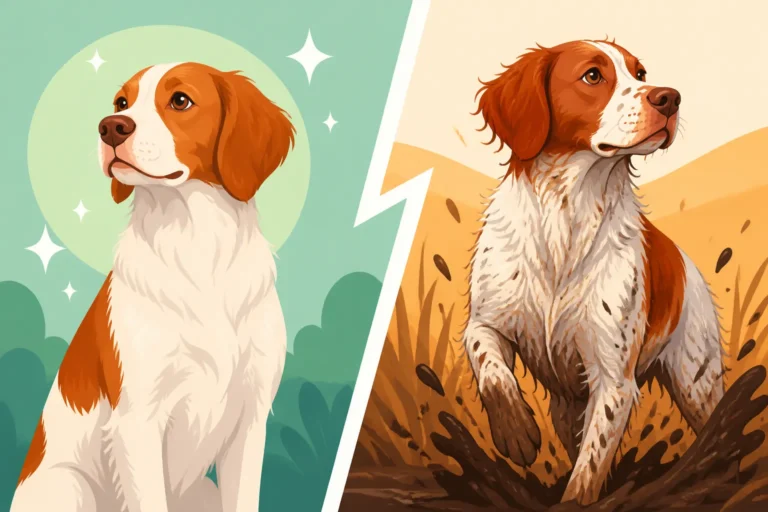
If you've ever owned a Brittany, you know they are drawn to water like a magnet. A puddle, a pond, a stream, or even the dewy grass on an early morning hunt—they'll find it, splash in it, and sometimes even dive headfirst. This often leaves owners wondering if their Brittany's coat is actually designed to handle all that moisture, or if they're destined for a perpetually damp dog. This guide will explore the unique characteristics of the Brittany's coat and its natural ability (or inability) to repel water, helping you understand what to expect and how to best care for your adventurous companion.
Understanding the Brittany's Unique Coat Structure
The Brittany's coat is one of its defining features, and understanding its composition is key to grasping how it handles water. While it might look relatively straightforward, there's a lot more going on beneath the surface that influences its ability to keep your dog dry, or at least mostly dry, in the field and at home. It’s not just about aesthetics; it’s about function and protection in various environments.
The Double Coat: Nature's Insulator
Brittanys possess a double coat, which is absolutely crucial for their working ability and protection against the elements. This isn't just a single layer of fur; it's a sophisticated system designed by nature. The outer layer, known as the guard coat, consists of somewhat coarse, straight or slightly wavy hairs. These hairs are robust and act as a first line of defense against rain, snow, and even abrasive underbrush. Beneath this lies the undercoat, a dense, soft, and much finer layer of hair. This undercoat is what truly provides insulation, trapping air close to the dog's body, which helps regulate temperature in both cold and warm weather.
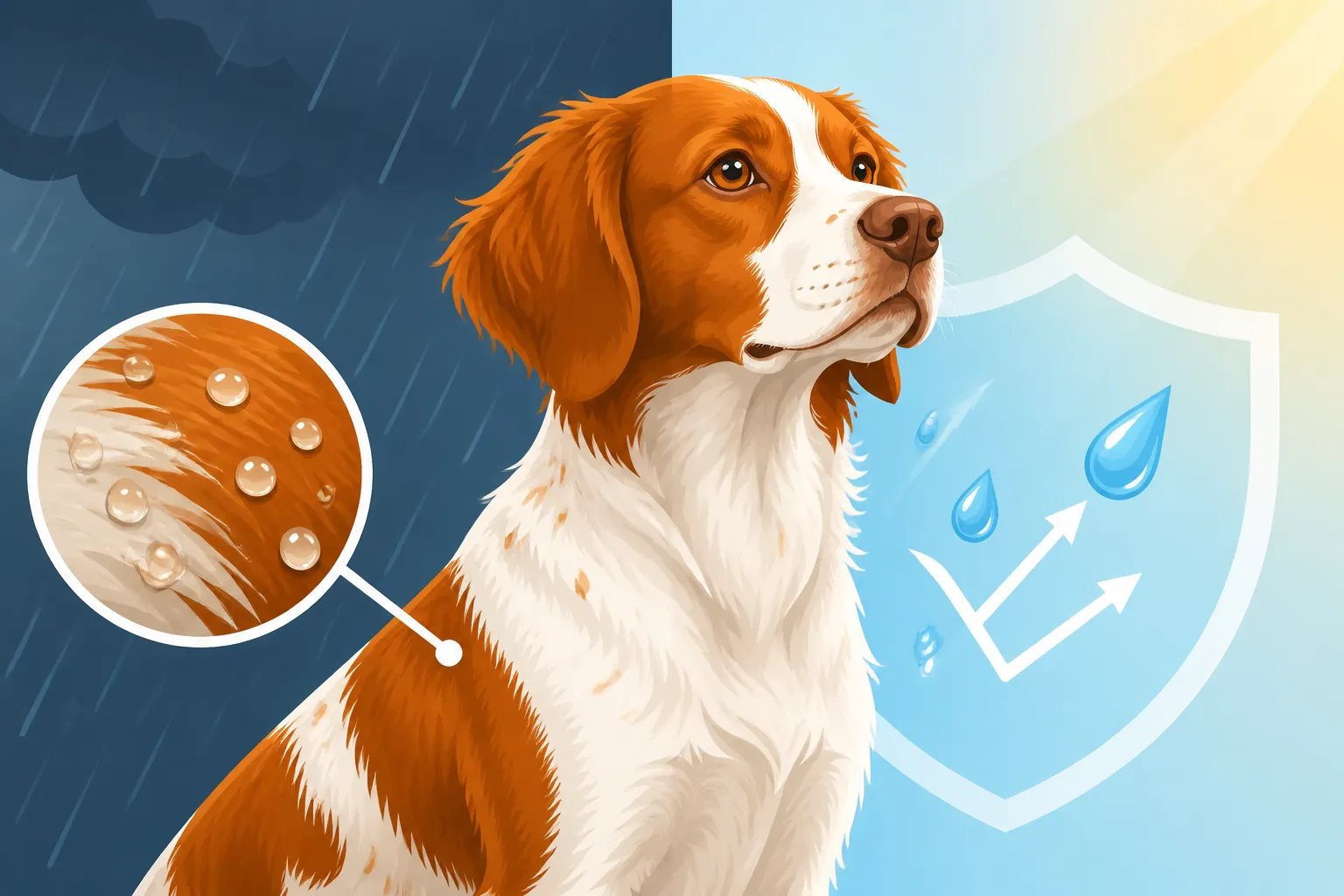
When it comes to water, the guard hairs play a significant role. They are designed to shed water, allowing much of it to bead up and roll off rather than soaking directly into the undercoat. Think of it like a natural raincoat. This doesn't mean the dog emerges completely dry from a heavy downpour or a swim, but it certainly offers a substantial degree of protection that single-coated breeds simply don't have. This double-layered protection helps keep them comfortable during long days afield, even when the weather isn't cooperating.
Texture and Density: More Than Just Looks
The texture and density of your Brittany's coat are direct contributors to its water-repelling capabilities. Unlike some other breeds with very oily or extremely coarse outer coats, a Brittany's guard hairs are generally medium in texture – not wiry, but not silky either. This balance is important. If the coat were too fine, it wouldn't offer enough protection; if it were too coarse, it might become brittle and lose its ability to shed water efficiently. The slight wave in the coat, common in many Brittanys, can also help shed water by preventing it from lying flat and soaking in immediately.
More importantly, the sheer density of the undercoat, combined with the way the guard hairs lie, creates a protective barrier. When a Brittany gets wet, the guard hairs tend to stick together, forming channels that direct water away from the skin. The dense undercoat acts like a hydrophobic mat, making it difficult for water to penetrate all the way through to the skin, especially with quick dips or light rain. This natural barrier means that a quick run through wet grass or a splash in a shallow stream might leave the outer coat wet, but the dog's skin underneath often remains surprisingly dry. This is why you might feel your Brittany's outer coat is soaked, but when you part the fur, the skin is still warm and relatively dry. This is a testament to the effectiveness of their natural coat design. You can read more about What a Brittany's Coat Is Like to get a full picture.
How Water Interacts with a Brittany's Coat
While the Brittany’s coat is wonderfully adapted for active outdoor lives, it’s not entirely waterproof. Understanding the mechanisms by which it handles water, and its limitations, will give you a realistic perspective on just how resilient your dog is to moisture. It’s a delicate balance between natural oils, hair structure, and environmental factors.
Natural Oils: The Unseen Heroes
One of the unsung heroes of a Brittany's water-repellent coat is the natural oil produced by their skin. These sebaceous oils, often referred to as lanolin-like substances, coat each individual hair shaft, adding an extra layer of protection. These oils make the hair slightly greasy to the touch, which helps water bead up and roll off the coat, much like wax on a car. This is particularly noticeable in breeds bred for water work, but Brittanys, as sporting dogs, also benefit immensely from this natural lubrication.
These oils are constantly being produced and distributed through the coat, especially with regular activity and proper grooming. A healthy diet contributes significantly to healthy skin and optimal oil production. If a Brittany's coat is stripped of these natural oils too frequently through harsh shampoos or excessive bathing, its water repellency can be compromised. This is why judicious bathing and choosing the right shampoo are important. A coat that feels dry and brittle might not be shedding water as effectively as a well-conditioned, naturally oily coat.
Shedding and Seasonal Changes: Impact on Water Repellency
A Brittany's coat isn't static; it undergoes seasonal changes, particularly with shedding, which can affect its water-repelling qualities. Brittanys "blow their coat" twice a year, typically in spring and fall, in response to changes in temperature and daylight hours. During these periods, they shed significant amounts of their soft undercoat.
When the undercoat is thick and dense (especially in winter), it offers maximum insulation and water resistance. As the weather warms, this dense undercoat is shed to allow for better air circulation and cooling. During the heavy shedding period, or when the undercoat is thinner in summer, the coat's ability to repel water might be slightly reduced simply because there's less dense insulation. The guard hairs still do their job, but the overall barrier isn't as robust. Therefore, a Brittany might seem to get wetter more quickly during the warmer months when their undercoat is less pronounced. Understanding these cycles helps you adjust your grooming routine and expectations for how your dog will handle various weather conditions throughout the year. For more information on shedding, check out How Much a Brittany Sheds.
When the Coat Fails: Saturation and Cold
While a Brittany's coat is fantastic at shedding light moisture, it does have its limits. No natural dog coat is 100% waterproof, especially under extreme conditions. Prolonged exposure to heavy rain or, more commonly, extended periods of swimming will eventually saturate the coat. Once the guard hairs become completely soaked and the undercoat is fully penetrated, water will reach the skin. At this point, the insulating properties of the undercoat diminish significantly because the trapped air pockets are replaced by water.
When a Brittany's coat becomes fully saturated, especially in cold weather, they can quickly become chilled. This is a serious concern for hunting dogs. A wet dog loses body heat much faster than a dry one, increasing the risk of hypothermia. This is why it's crucial to always have a plan for drying and warming your Brittany after a long swim or a very wet hunt. Even with their excellent coats, common sense and preparation are key to keeping them safe and healthy. Knowing Whether a Brittany Feels the Cold can help you prepare for different conditions.
Maintaining Your Brittany's Water-Resistant Coat
A healthy coat doesn't just happen by itself. While Brittanys are relatively low-maintenance compared to some other long-haired breeds, there are specific steps you can take to ensure their coat remains in prime condition, maximizing its natural ability to repel water and protect your dog. Regular care not only keeps them looking good but also supports their overall well-being and working function.
Grooming Practices: Brushing, Bathing, and Drying
Consistent grooming is paramount for maintaining a healthy, water-repellent coat. Regular brushing is probably the most important aspect. It helps to remove loose hair, prevent mats and tangles, and, crucially, distribute those natural oils evenly across the hair shafts. Mats can trap water and debris, making the coat less effective at shedding moisture and increasing the risk of skin irritation. A good pin brush or slicker brush works wonders for the main body, and a comb is essential for the feathering. Many quality grooming tools can be found on platforms like Amazon or Chewy.
When it comes to bathing, less is often more. Over-bathing, especially with harsh shampoos, can strip the coat of its essential natural oils, thereby reducing its water repellency. Aim to bathe your Brittany only when truly dirty or smelly. Use a mild, dog-specific shampoo that is designed to moisturize and not strip oils. After a bath, thorough drying is critical. Towel dry as much as possible, then use a dog-specific blow dryer on a cool or low-heat setting, working through the coat layer by layer to ensure the undercoat is completely dry. This prevents skin issues like hot spots and helps restore the coat's natural loft and protective qualities. Consider checking out Which Shampoo Suits a Brittany After a Hunt for more specific advice.
| Grooming Task | Frequency | Purpose | Impact on Water Repellency |
|---|---|---|---|
| Brushing | 2-3 times/week (daily in shedding season) | Removes loose hair, prevents mats, distributes oils | Maintains oil distribution, prevents water trapping |
| Bathing | As needed (monthly/bi-monthly) | Cleans dirt, removes allergens | Over-bathing can reduce natural oils |
| Drying | Immediately after bath or heavy swim | Prevents skin issues, restores coat loft | Ensures undercoat insulation and function |
| Checking Ears | Weekly/After water exposure | Prevents infections, removes debris | Direct impact on ear health, not coat repellency |
Nutrition for Coat Health: Fueling from Within
What goes into your Brittany directly impacts the health and quality of their coat. A diet rich in high-quality proteins, essential fatty acids (especially Omega-3 and Omega-6), and vitamins supports healthy skin and a lustrous, functional coat. These nutrients are the building blocks for strong hair shafts and aid in the production of those vital natural oils that contribute to water repellency.
Look for dog foods that list real meat as the first ingredient and contain sources of healthy fats like fish oil or flaxseed. Some owners opt for fresh dog food options, such as those offered by Ollie, believing they offer superior nutrition that can visibly improve coat quality. If your dog's coat seems dull, dry, or unusually brittle, it might be worth consulting your veterinarian or a canine nutritionist about dietary supplements, such as fish oil, to boost coat health. A healthy coat isn't just about external care; it's a reflection of internal well-being. A discussion on What an Adult Brittany Eats can provide further insights into their dietary needs.
Post-Water Care: What to Do After a Dip
Even with a naturally water-resistant coat, proper post-water care is essential, especially after a prolonged swim or a hunt in very wet conditions. The goal is to get your Brittany dry as quickly and thoroughly as possible to prevent chilling and skin problems.
First, a vigorous towel dry immediately after coming out of the water will remove a surprising amount of moisture from the guard hairs. Pay extra attention to the feathering on their legs, chest, and ears, as these areas tend to hold water and mat easily. If you're out in the field and heading home, having extra towels and even a quick-drying coat for your dog in the truck can make a huge difference. Once home, ensure your Brittany is completely dry. This might involve another round of towel drying, followed by air drying in a warm environment, or using a low-heat blow dryer. Remember, the dense undercoat can hold moisture close to the skin for a long time, creating a damp, warm environment perfect for bacterial or fungal growth, which can lead to uncomfortable skin irritations. Regularly checking your dog for moisture, burrs, and cuts after every outing, as outlined in What to Check on a Brittany After Every Outing, is a cornerstone of responsible Brittany ownership. Even if your Brittany is tough, they still need your help to recover and stay healthy.
Disclaimer
This article is for general informational purposes only and does not constitute professional advice. Laws, prices and regulations vary by location and change over time. Consult a qualified professional for guidance on your specific situation.