Whether a Brittany Has an Undercoat
One of the most common questions new Brittany owners, or those simply curious about the breed, have is about their coat. You might hear people talk about double coats, undercoats, and how they relate to shedding and grooming. It can be a little confusing when you're just trying to understand how to best care for your beloved companion and keep them comfortable, especially when they're out doing what they love in the field. This guide aims to clear up the mystery surrounding the Brittany's coat, specifically whether they possess a true undercoat, and what that means for their overall care and grooming routine.
Understanding the Double Coat vs. Undercoat Concept
Before we dive specifically into the Brittany's coat, let's take a moment to understand what people usually mean when they talk about "double coats" and "undercoats" in dogs. It's a fundamental aspect of canine physiology that plays a huge role in how a dog stays warm, cool, and protected from the elements.
What Exactly is an Undercoat and Why Does it Matter?
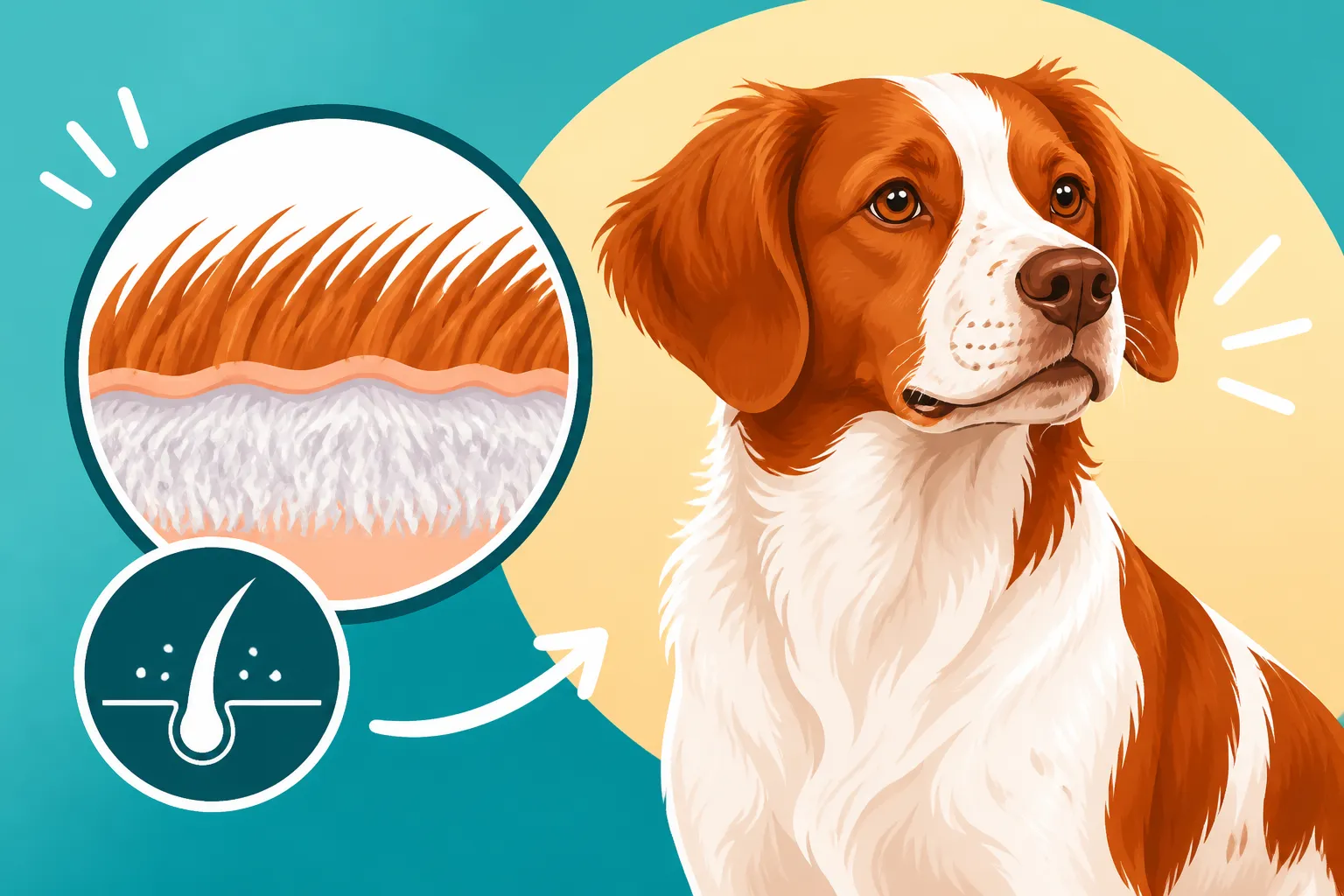
Many dog breeds have what's known as a "double coat." This isn't just one type of hair; it's actually two distinct layers working together. The outer layer consists of what we call "guard hairs" or "primary hairs." These hairs are typically longer, coarser, and more protective. Their job is to shed water, dirt, and thorns, acting like a natural shield against the environment. Think of them as the dog's raincoat and armor all in one.
Beneath this protective outer layer lies the "undercoat," made up of shorter, softer, and much denser hairs, also known as "secondary hairs." This undercoat is all about insulation. In colder climates, it traps air close to the dog's body, keeping them warm. In warmer weather, it helps regulate body temperature by preventing excessive heat absorption and allowing air circulation when shed properly. Breeds like Huskies, German Shepherds, and Newfoundlands are classic examples of dogs with very prominent, thick undercoats. When you see big clumps of fur coming off during shedding season, that's often the undercoat being released. For a Brittany, understanding their coat is key to their comfort, especially when they are Caring for a Brittany Past Ten or going on their first hunt.
The Brittany's Coat: A Blend of Protection and Practicality
The Brittany's coat is truly a marvel of natural engineering, perfectly suited for their role as an active bird dog. The breed standard describes it as dense, flat, or wavy, never curly, and not silky. It's built to withstand the rigors of hunting through various types of cover, from dense brambles to wet marshes. What a Brittany's Coat Is Like is really designed for function.
The texture of the outer guard hairs is moderately coarse, which helps to repel water and prevent burrs and debris from easily penetrating to the skin. This isn't a plush, super-soft coat; it's a working coat. The density is crucial for providing insulation and protection. While it might not be as thick or voluminous as, say, a Siberian Husky's coat, it still offers significant defense against both cold and heat, much like a good quality performance jacket. This thoughtful design helps keep them comfortable and focused on the task at hand, whether that's pointing pheasants in a crisp autumn field or flushing quail on a sunny spring morning.
Does a Brittany Spaniel Truly Have an Undercoat?
This is where the nuance comes in. The short answer is yes, Brittanys typically have an undercoat, but it's not always as pronounced or obvious as in some other double-coated breeds. It's a functional undercoat, designed for their specific needs as a versatile pointing dog.
Deciphering the Brittany Standard
When we look at the official breed standard for the Brittany (like the one set by the American Brittany Club and recognized by the AKC), it describes the coat as dense and either flat or wavy. It specifically states "no undercoat is required but is often present." This is a crucial distinction. It means that while a Brittany's coat isn't defined by a massive, fluffy undercoat, many do possess one to varying degrees.
The presence and thickness of this undercoat can differ based on genetics, individual lines, and even geographic location. A Brittany bred for hunting in colder northern climates might naturally develop a slightly thicker undercoat than one in a warmer, southern region. The key is that it complements the guard hairs, providing that extra layer of insulation without becoming so profuse that it hinders movement or collects excessive debris in the field. It’s part of why A Brittany's Coat Is Low Maintenance Until It Hits Cover.
Practical Observations in the Field
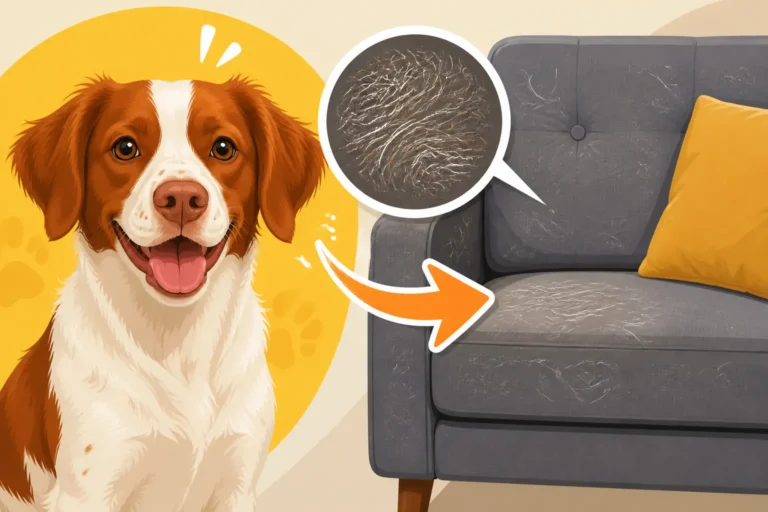
From a practical standpoint, owners of working Brittanys will often notice the presence of an undercoat, especially during seasonal changes. When the weather starts to cool down in the fall, you might find your Brittany's coat feels a bit denser and thicker as the undercoat grows in to provide warmth. Conversely, in the spring, as temperatures rise, you'll definitely notice shedding as they "blow their coat," releasing much of that insulating undercoat to prepare for warmer months. This shedding is a natural process, and managing it is a big part of How Much a Brittany Sheds.
This functional undercoat works in tandem with the guard hairs to help repel water. When your Brittany splashes through a marsh or retrieves from a pond, the outer coat sheds most of the water, and the underlying denser hairs help prevent the cold water from reaching the skin too quickly. This isn't to say they're impervious to cold water, but it's an important layer of defense. However, in truly frigid conditions, even a dense double coat might not be enough, and you might consider whether a Brittany Needs a Neoprene Vest in Cold Water for extended retrieves.
Implications for Grooming and Care
Understanding your Brittany's coat and its undercoat (or lack thereof) is fundamental to establishing an effective grooming routine. It's not just about looking good; it's about comfort, health, and ensuring they can perform their best in the field.
Brushing and Maintenance for the Brittany's Coat
Because Brittanys have a dense coat that often includes an undercoat, regular brushing is essential, even if they aren't heavy shedders year-round. They certainly do shed, and it’s often concentrated in seasonal "blow-outs." How Often a Brittany Needs Brushing really depends on the time of year and how much time they're spending in cover.
A good brushing routine helps remove loose undercoat hairs, preventing mats and tangles, especially in their lovely feathering on the legs, ears, and belly. These longer hairs are prime spots for collecting burrs and developing knots. A slicker brush or an undercoat rake can be incredibly effective in reaching that denser layer and pulling out dead hair without damaging the guard hairs. For general brushing, a pin brush works wonders. Brands like Furminator offer grooming tools specifically designed for undercoat removal, and you can often find a great selection of these on sites like Amazon or Chewy. Regular brushing also distributes natural oils, keeping the coat healthy and shiny. Neglecting this can lead to discomfort, skin irritation, and even hot spots if trapped moisture and debris are allowed to fester.
Table: Brittany Coat Characteristics & Care Implications
| Characteristic | Description | Grooming & Care Implication |
|---|---|---|
| Density | Thick and compact, offering good insulation. | Requires regular brushing to remove loose hair and prevent mats, especially during seasonal shedding. |
| Texture (Guard Hairs) | Moderately coarse, flat or wavy, never curly. | Repels water and debris. Needs regular checks for burrs and thorns. |
| Undercoat (Variable) | Present in most Brittanys, but not always profuse. Soft, shorter hairs. | Primary source of shedding. Needs diligent removal with appropriate brushes (slicker, undercoat rake) to manage seasonal "blows." |
| Feathering | Longer hair on ears, legs, belly, and tail. | Prone to matting and collecting burrs/debris. Requires extra attention during brushing; may need occasional trimming for field dogs. |
| Shedding | Moderate year-round, heavier seasonally (spring/fall). | Consistent brushing helps control hair in the home and keeps the coat healthy. |
Seasonal Changes and Coat Care
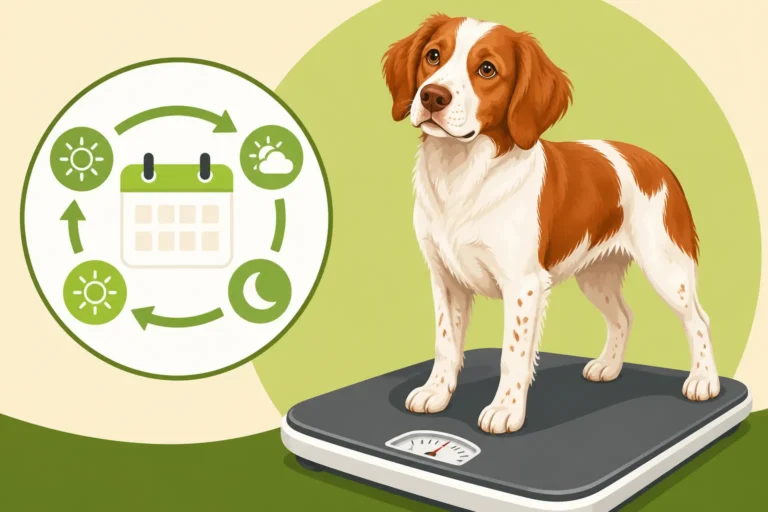
The Brittany's coat, with its undercoat, is a dynamic system. Whether a Brittany's Coat Changes With Age is a definite yes, but seasonal changes are even more pronounced. In cooler months, the undercoat often becomes denser, providing an extra layer of warmth. As spring approaches, that undercoat will start to "blow," meaning it sheds out in large quantities. This is the period when daily brushing might be necessary to help your dog release the old coat and prevent matting.
During these heavy shedding periods, a good bath with a deshedding shampoo can also help loosen dead hair, but always ensure your Brittany is thoroughly dried afterwards, especially around the ears and feathering, to prevent skin issues. In the summer, with less undercoat, the primary guard hairs still offer protection from the sun and minor scrapes, but the overall insulation is reduced, which helps them stay cooler. This seasonal adaptation is truly remarkable, allowing the Brittany to thrive in various outdoor conditions. Whether a Brittany Sheds Year Round will depend on the individual dog, but expect heavier periods.
Protecting the Brittany's Coat in the Field
A Brittany's coat, whether it has a prominent undercoat or a lighter one, is their first line of defense in the field. It protects them from minor cuts, scrapes, and the biting cold. However, it's not invincible. After every hunt, a thorough check and grooming session are critical. Burrs and foxtails love to embed themselves in the dense coat and the feathering. If left unchecked, they can migrate into the skin, causing infections or cysts.
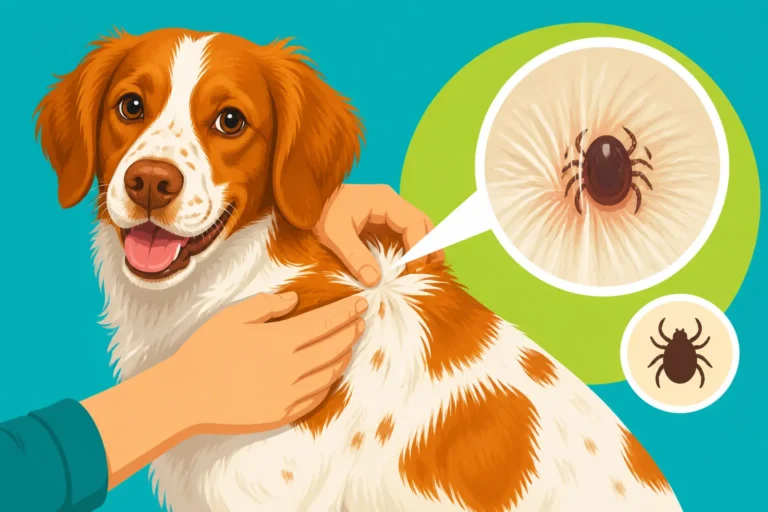
That's why after every outing, you should spend time brushing out your dog, checking their ears (a common place for debris to hide!), and running your hands over their entire body. This also allows you to find any ticks that might have latched on. A well-maintained coat, free of mats, will provide better protection and be easier to clean. It’s worth noting that even with a strong coat, The Feathering on a Brittany's Legs and Ears can get severely tangled. For dogs that hunt in very dense or thorny cover, some owners choose to trim the feathering slightly to reduce the amount of debris collected, though this is a personal choice and not typically done for show dogs.
Common Misconceptions and What to Watch For
It's easy to misunderstand a dog's coat, especially with so much information (and misinformation) out there. Let's clear up a couple of common points and discuss when a coat change might indicate something more serious.
The "Fluffy" Brittany vs. the Working Coat
Sometimes, you might encounter a Brittany with a coat that seems excessively soft, thick, or "fluffy," almost like a Setter. While endearing, an overly profuse or soft coat, particularly with a very heavy undercoat, is generally considered undesirable in the breed standard for a working dog. The ideal Brittany coat is dense and weather-resistant, with flat or wavy guard hairs that do their job of shedding water and protecting from brush. A coat that's too soft or too heavily undercoated can be more prone to matting, collect more debris, and dry slower, which isn't ideal for a dog spending hours in the field.
This isn't to say a slightly fluffier Brittany can't be a wonderful pet or even a good hunter, but it deviates from the practical functionality emphasized by the breed's origins. Reputable breeders strive for a coat that provides maximum protection and minimum maintenance in hunting conditions.
When a Coat Change Might Signal a Health Issue
While seasonal shedding and natural variations are normal, sudden or dramatic changes in your Brittany's coat can sometimes be a sign of an underlying health problem. If you notice excessive shedding out of season, thinning patches, a dull or brittle coat, or unexplained changes in texture, it's always a good idea to consult your veterinarian.
One common condition that can affect a Brittany's coat is hypothyroidism, where the thyroid gland doesn't produce enough hormones. Symptoms often include a dry, brittle coat, hair loss (especially on the flanks), and a dull appearance. If you notice Signs a Brittany's Thyroid Is Low, a vet visit for bloodwork is definitely in order. Other issues like Whether a Brittany Gets Skin Allergies, parasites, or nutritional deficiencies can also manifest through coat problems. Ensuring your dog is on a high-quality diet, perhaps one like Ollie (which focuses on fresh, human-grade ingredients that support skin and coat health), can go a long way in maintaining a healthy, vibrant coat. Regular veterinary check-ups, including a discussion about their coat health, are always recommended.
In conclusion, your Brittany Spaniel most likely does have an undercoat, even if it's not as noticeable as in some other breeds. It's a functional, protective layer that works in conjunction with their dense guard hairs to keep them comfortable and safe while doing what they love. Understanding this will help you provide the best possible care, ensuring their coat remains a healthy, effective shield for years of adventures.
Disclaimer
This article is for general informational purposes only and does not constitute professional advice. Laws, prices and regulations vary by location and change over time. Consult a qualified professional for guidance on your specific situation.