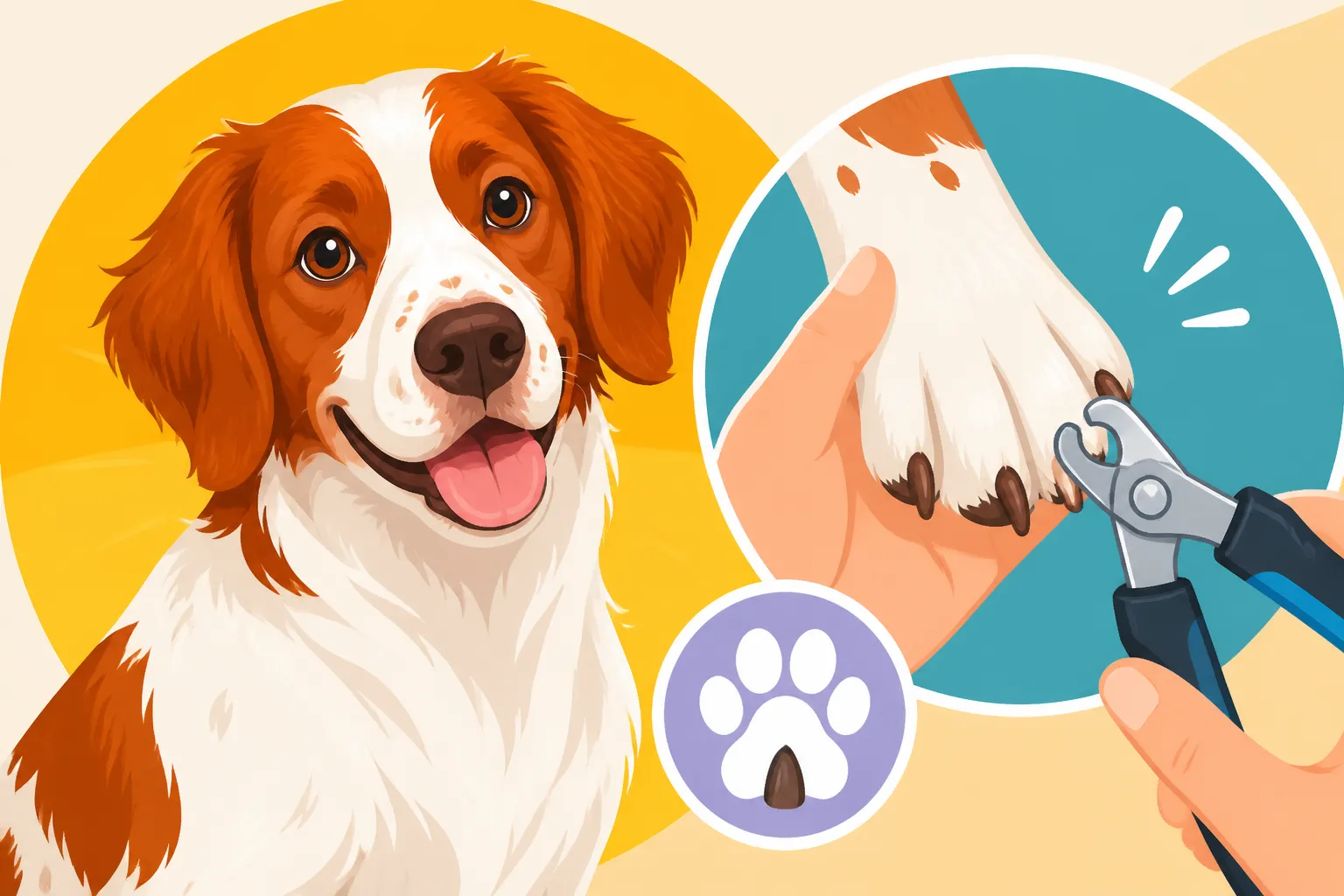
How Often a Brittany’s Nails Need Trimming
It's a common dilemma for every Brittany owner: you hear that tell-tale click-clack on your kitchen floor, and suddenly, you're wondering if your energetic bird dog's nails are getting too long. Neglecting nail care isn't just an aesthetic issue; it can lead to pain, gait problems, and serious health complications for your active companion. This comprehensive guide will walk you through exactly how often your Brittany's nails need trimming, what signs to look for, and how to make the process as stress-free as possible for both of you.
Why Nail Care Is Absolutely Essential for Your Brittany's Well-being
We love our Brittanys for their boundless energy and their incredible drive in the field, but all that running, pointing, and retrieving puts unique demands on their paws. Proper nail care isn't just about aesthetics; it's a fundamental part of maintaining your Brittany's health, comfort, and ability to perform. Ignoring their nails can have a cascading effect on their entire musculoskeletal system.
Understanding Your Brittany's Paw Structure and Nail Anatomy
Your Brittany's paws are marvels of engineering, designed for agility and endurance over varied terrain. They feature strong, padded soles, flexible toes, and tough nails that, in their natural state, would wear down with constant activity on rough surfaces. Each nail is composed of a hard outer shell and an inner core called the "quick." This quick contains blood vessels and nerve endings, which is why cutting into it is painful and causes bleeding.
What many owners don't realize is that the quick actually grows along with the nail. If nails are allowed to become excessively long, the quick will extend further down the nail. This makes it incredibly difficult to trim the nails back to an appropriate length without hitting this sensitive area. The goal of consistent trimming is to encourage the quick to recede, allowing the nails to remain short and functional.
The Hidden Dangers of Overgrown Nails for an Active Gun Dog
When a Brittany's nails are too long, they push up against the ground, forcing the toes to splay and altering the natural alignment of the foot. Imagine trying to walk comfortably in shoes that are too small, constantly pushing your toes back. This unnatural pressure doesn't just feel awkward; it can lead to chronic discomfort, painful corns, and even infections between the toes. Over time, this constant stress on the paw structure can put undue strain on the entire limb, from the pasterns to the elbows and shoulders, potentially exacerbating or even contributing to joint problems like arthritis.
Beyond just discomfort, long nails pose a significant injury risk, especially for a working Brittany. When your dog is tearing through dense cover or scrambling over rocks, those long nails are more prone to catching, tearing, or even getting ripped out entirely. A torn nail is incredibly painful, often requires veterinary attention, and can put your dog out of commission for several days or even weeks. It's not just the acute injury, either; consistent, subtle misalignment caused by long nails can contribute to long-term issues like a changed gait (Whether Long Nails Change a Brittany's Gait) or even make them more susceptible to injuries typically associated with overuse. Protecting their feet is paramount to ensuring your Brittany can enjoy a full, active life and perform well during A Brittany's Feet Over a Long Season.
The Million-Dollar Question: How Frequently Should You Trim?
This is where many Brittany owners get tripped up. There isn't a one-size-fits-all answer, because every dog is a little different, and their lifestyle plays a huge role. However, by understanding the indicators and contributing factors, you can develop a consistent and effective nail care routine for your specific companion.
Reading the Signs: When Your Brittany's Nails Are Too Long
The most unmistakable sign that your Brittany's nails are too long is the sound they make. If you can hear a distinct "click-clack" as your dog walks across hard surfaces like hardwood floors, tile, or concrete, it means their nails are making contact with the ground. Ideally, your dog's nails should not touch the floor when they are standing normally. This sound is your absolute best indicator.
Visually, you can also observe their paws. If the nails appear to push their toes upwards or splay them out, they are definitely too long. When your Brittany stands naturally, their nails should stop just short of touching the ground. You shouldn't see a significant curve in the nail, or a pronounced 'hook' at the end. Ignoring these obvious signs means your dog is constantly bearing weight on their nails instead of their paw pads, which, as we discussed, leads to all sorts of discomfort and potential injury.
Factors That Influence Nail Growth and Wear
The frequency of trimming largely depends on two main factors: your Brittany's activity level and the surfaces they regularly encounter. A Brittany that spends hours hunting in fields with varied terrain, running on pavement, or hiking rocky trails will naturally wear down their nails more than one who primarily enjoys softer surfaces like grass and carpet, or is more of a What an Under Exercised Brittany Does at Home. The friction from hard surfaces acts as a natural file.
Individual genetics also play a role, with some Brittanys simply having faster-growing nails or harder nails that resist wear more effectively. Diet, while less impactful than activity, can also sometimes influence nail health and growth speed. Furthermore, a dog's age can be a factor. Older Brittanys, especially those requiring Caring for an Old Brittany, might be less active, leading to less natural wear, and their nails might become more brittle or thicker, requiring more frequent or specialized care.
The Ideal Frequency: A Balancing Act
Given these variables, a good general guideline for most active Brittanys is to trim their nails every two to four weeks. For some highly active hunting dogs that spend a lot of time on concrete or gravel, you might find they need less intervention. For Brittanys who are more house-bound or primarily on soft surfaces, you might lean towards the two-week mark.
The key is to tailor the schedule to your specific dog. Observe them closely. If you hear the clicking sound after two weeks, then two weeks it is! If they can comfortably go four weeks without clicking, that's fine too. Consistency is absolutely crucial. Regular, small trims are far better than infrequent, drastic ones. Keeping the nails consistently short helps the quick to recede over time, making future trims easier and safer.
Equipping Yourself: The Right Tools for a Stress-Free Trim
You wouldn't head into the field without the right gear, and nail trimming is no different. Having the proper tools can make a world of difference in your confidence and your Brittany's comfort during the process. Skimping on quality here can lead to frustration, pain, and a negative association for your dog.
Choosing the Best Clippers for Brittany Nails
There are generally two main types of nail clippers for dogs: scissor-style (also known as plier-style) and guillotine clippers. For Brittanys, many owners find the scissor-style clippers, which resemble heavy-duty human nail clippers, offer better control and visibility, especially for their medium-sized nails. Guillotine clippers, while effective, can sometimes be harder to position correctly, particularly if your dog is squirming. Whichever style you choose, ensure they are sharp. Dull clippers crush the nail rather than cut it cleanly, which can be painful and lead to splintering.
When selecting clippers, consider a sturdy pair that fits comfortably in your hand. Good grip is essential to prevent slips. You can find a wide variety of highly-rated clippers online from retailers like Amazon or specialized pet supply stores such as Chewy. Don't be afraid to read reviews and invest in a good quality pair – they'll last a long time and make the job much easier. Alternatively, many owners opt for a rotary tool, often called a Dremel, with a sanding drum. This allows you to grind the nail down gradually, offering more control and making it easier to avoid the quick. Grinding also creates a smoother finish, which can be beneficial for active dogs who might snag rough edges.
Essential Safety and Comfort Accessories
Accidents happen, even to the most careful owners. That's why having styptic powder on hand is non-negotiable. This powder quickly stops bleeding if you accidentally nick the quick. If you don't have commercial styptic powder, cornstarch can also work in a pinch. Keeping it within arm's reach will give you peace of mind and allow you to quickly address any minor mishaps. It's a key item to include in What a First Aid Kit for a Brittany Should Hold.
Good lighting is also paramount. Trying to trim nails in dim light is asking for trouble, especially with dogs who have dark nails. Consider using a bright desk lamp, or even a headlamp, to give you the clearest view of the nail and help you identify the quick. Finally, don't forget the treats! High-value rewards are essential for creating a positive association with nail trims. A non-slip mat can also help keep your Brittany steady and comfortable during the process, preventing slips that could make them more anxious.
Mastering the Art of Brittany Nail Trimming: A Step-by-Step Guide
Nail trimming can be a source of anxiety for many dogs and their owners. The key to making it a positive experience lies in preparation, proper technique, and consistent positive reinforcement. With a little practice, you and your Brittany can master this essential grooming task.
Setting the Scene: Preparation for a Successful Session
Before you even pick up the clippers, set yourself and your Brittany up for success. Choose a quiet time when your dog is relaxed, perhaps after a long walk or a vigorous play session. Gather all your tools beforehand: clippers (or Dremel), styptic powder, headlamp (if needed), and plenty of high-value treats. You want everything within easy reach so you don't have to stop mid-trim.
Start by getting your Brittany comfortable. For smaller Brittanys, you might place them in your lap. For larger dogs, having them lie down on a non-slip mat on the floor can work well. The goal is to make them feel secure and prevent them from wiggling too much. Begin associating the tools with positive experiences; let them see and sniff the clippers, then immediately give a treat. Repeat this a few times even before you attempt a trim, building a positive foundation.
The Technique: Clipping Without Hitting the Quick
To begin, gently take one of your Brittany's paws, holding it firmly but not uncomfortably. Push back any fur around the nail to get a clear view. For light-colored nails, you'll be able to see the pink quick through the translucent nail. You want to clip only the white tip, staying a millimeter or two away from the quick. Always cut small amounts at a time. It's better to take off too little than too much.
Black nails are the real challenge because the quick isn't visible. For these, the technique is to make tiny, almost shaving-like cuts. After each small cut, look at the exposed surface of the nail. When you get close to the quick, the center of the cut nail will start to show a small, dark, moist dot – this is the living tissue of the quick. Stop immediately if you see this, or just before you do. Clip at a 45-degree angle, aiming to remove the sharp tip and allow the nail to be flush with the paw pad when standing. If using a Dremel, slowly grind down the tip, watching for the quick to appear as a dark circle in the center.
Post-Trim Care and Reinforcement
Once you've trimmed all the nails, take a moment to smooth any rough edges with a nail file if you've used clippers, or ensure a smooth finish if you've used a Dremel. This prevents snags and split nails. Then, and this is critical, lavish your Brittany with praise and affection, followed by a jackpot of their favorite treats. You want them to leave the experience feeling happy and rewarded, not traumatized.
Inspect each nail one last time for any signs of bleeding. If you've accidentally nicked the quick, don't panic. Apply styptic powder directly to the bleeding nail with firm pressure for a few seconds until the bleeding stops. Reassure your dog and try to remain calm; your anxiety can quickly transfer to them. Ending on a positive note, even after a small mishap, is crucial for building trust and making future trims easier.
When Professional Help Becomes Your Best Friend
Sometimes, despite our best efforts, nail trimming can feel like an impossible task. Whether due to severely overgrown nails, a dog with deep-seated fear, or simply the challenge of black nails, knowing when to call in a professional can save you a lot of stress and keep your Brittany comfortable and healthy.
Tackling Severely Overgrown Nails
Severely overgrown nails aren't just an inconvenience; they can be incredibly painful for your Brittany. When the quick has grown out significantly, getting the nails back to a healthy length often requires a gradual approach, sometimes over several weeks or months, to allow the quick to recede. In some cases, if the nails are extremely long and curling into the paw pads, or if your dog is exhibiting pain and resistance, a vet visit is essential. Your veterinarian might opt for a sedated nail trim to safely cut back the nails without causing undue stress or pain.
Once the initial "reset" is done, a professional groomer can often help maintain the shorter length. Many groomers are experienced with various tools, including high-speed Dremels, which can be very effective at grinding down the nail and gradually pushing the quick back. If you're looking for a professional groomer, many online platforms and pet supply retailers like Chewy offer directories or recommendations for local services, often with reviews from other pet owners. This kind of consistent, careful trimming can eventually shorten the quick, making at-home maintenance much easier.
Navigating the Challenges of Black Nails
As we touched on earlier, black nails present a unique challenge because the quick is entirely hidden from view. This often leads to understandable hesitation and fear of hurting your dog. Even experienced owners can struggle with confidently trimming black nails, especially if their dog is particularly sensitive or has had a bad experience in the past.
Professional groomers and vet techs have developed specific techniques for safely trimming black nails. They often make very small cuts or shaves, checking the cut surface of the nail for changes in color and texture that indicate proximity to the quick. They look for the moist, dark spot in the center that signals living tissue. If you find yourself consistently anxious about trimming your Brittany's black nails, or if you've accidentally cut too far in the past, a professional can provide the expertise and confidence needed to keep your dog's nails healthy. Don't feel like a failure for seeking assistance; it's about prioritizing your dog's comfort and your peace of mind. Whether a Brittany Needs a Groomer is a valid question, and nail care is often a key reason to utilize their services.
Addressing Fear and Anxiety Around Nail Trims
For some Brittanys, nail trimming can become a full-blown battle of wills, often stemming from a previous negative experience (like hitting the quick) or simply a lack of early positive exposure. Dogs with significant fear or aggression around nail trims can be a danger to themselves and their owners. Trying to force the issue can worsen the fear, making future attempts even harder.
In these situations, professional help is invaluable. A veterinarian can not only address the physical act of trimming but also offer advice on behavior modification techniques, such as desensitization and counter-conditioning, to help your dog overcome their fear. They can also assess if underlying pain is contributing to the resistance. A professional can perform the necessary trims safely while you work on building a more positive association for your Brittany through training and patience. Remember, a professional's goal is to work with you and your dog to create a healthier, happier outcome.
Disclaimer
This article is for general informational purposes only and does not constitute professional advice. Laws, prices and regulations vary by location and change over time. Consult a qualified professional for guidance on your specific situation.