When a Brittany’s Thyroid Should Be Tested
Hypothyroidism symptoms and testing timelines for Brittanys help owners detect low thyroid function and manage weight gain.
Know what to watch for.
Breed-specific conditions, screening and DNA tests, what surgery actually costs, and the daily habits that stretch a healthy lifespan.
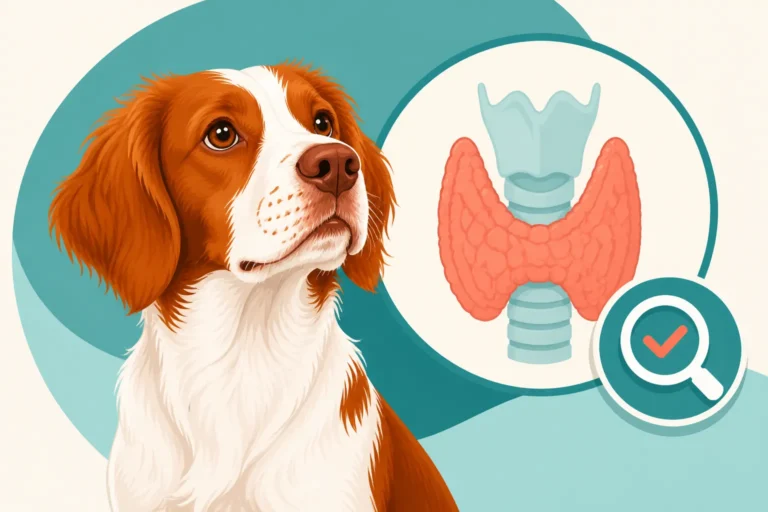
Hypothyroidism symptoms and testing timelines for Brittanys help owners detect low thyroid function and manage weight gain.
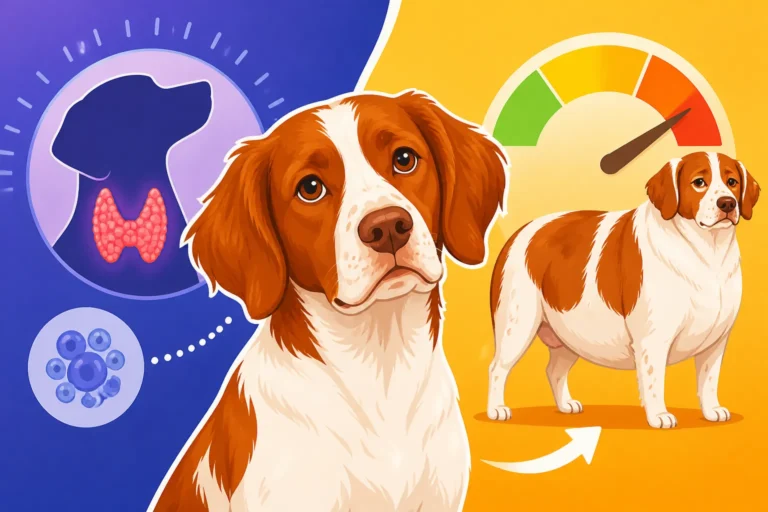
Hypothyroid weight gain in Brittanys stems from thyroid gland failure and explains why stubborn weight and ragged coats develop.
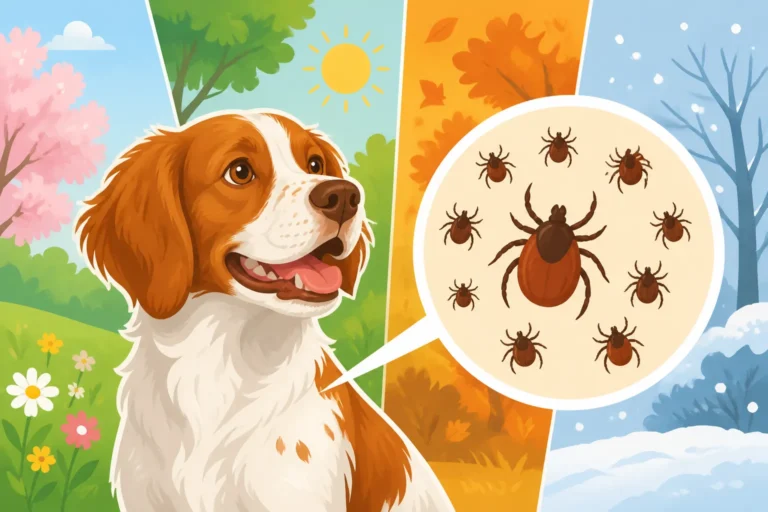
Field-working Brittany spaniels encounter anywhere from a handful to hundreds of ticks in a single hunting season depending on regional variables.
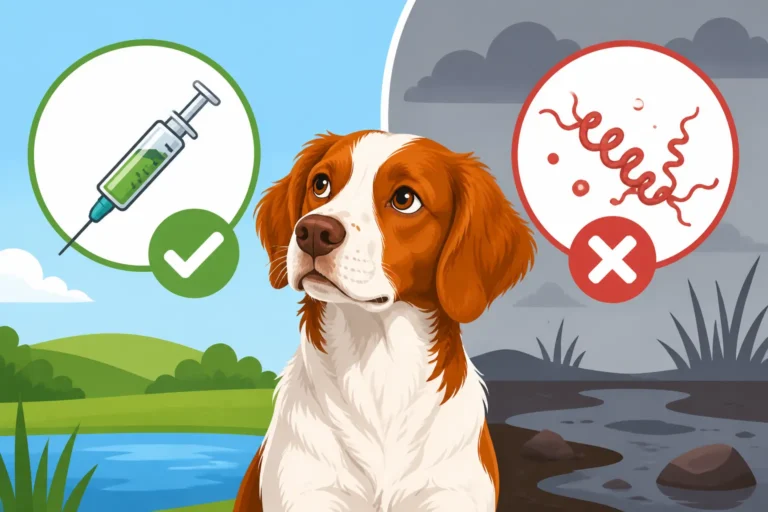
Leptospirosis vaccination for Brittanys helps evaluate infection risks, bacterial exposure, kidney and liver organ damage, and wildlife sources.
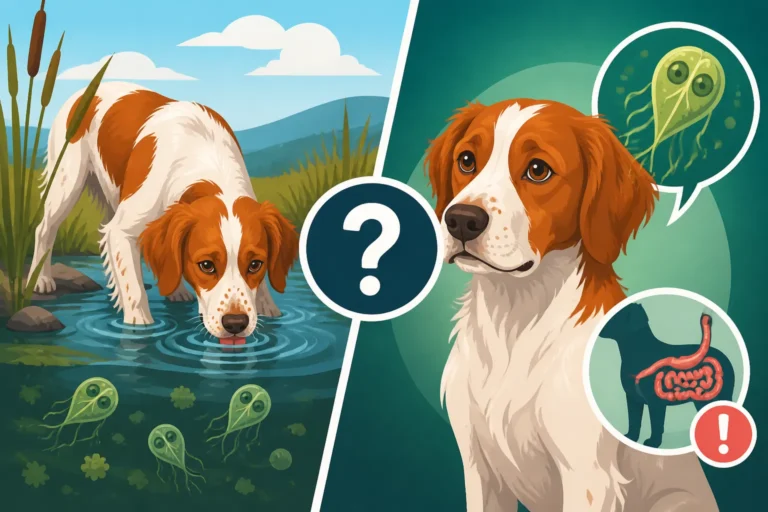
Brittany dogs drinking field water risk contracting Giardia, an intestinal parasite causing discomfort and health issues.
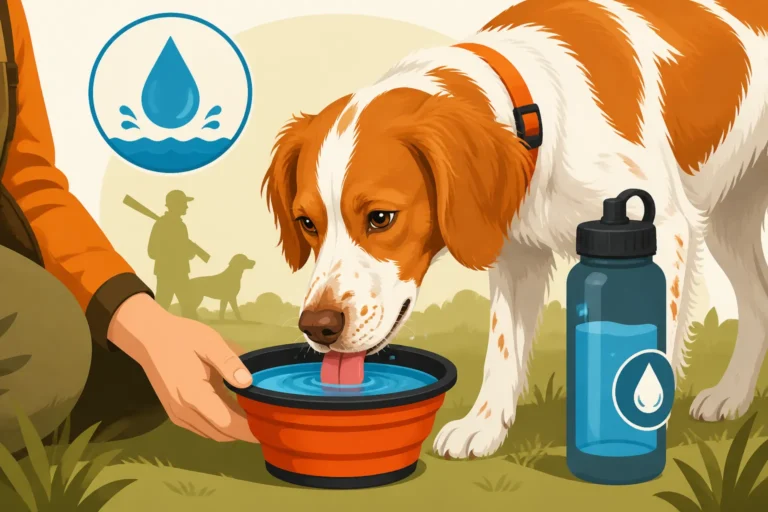
Hunting water requirements for a Brittany depend on ambient temperature, humidity, hunt intensity, and duration.
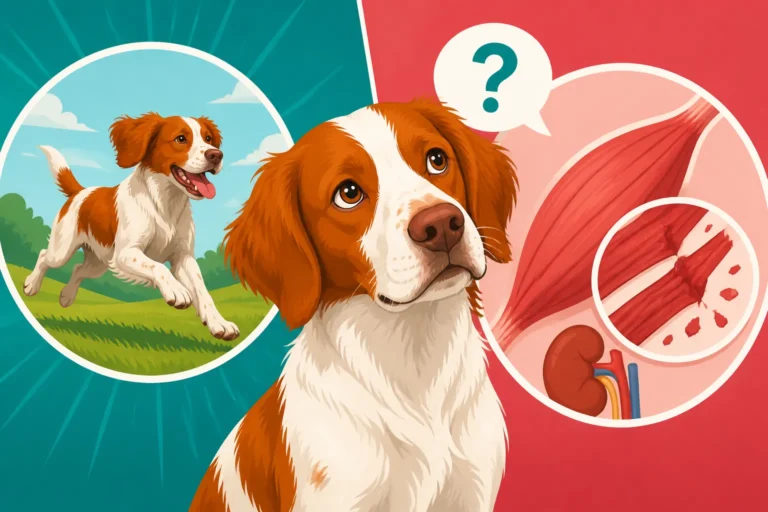
Exertional rhabdomyolysis in Brittanys causes severe muscle breakdown from intense exercise, risking kidney damage and failure.
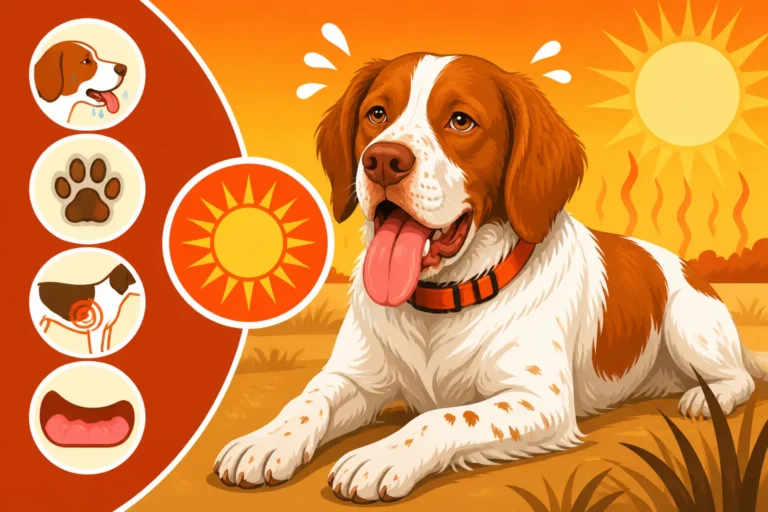
Brittany spaniel overheating signs and field dangers help bird dog owners recognize early heatstroke symptoms during hunts.
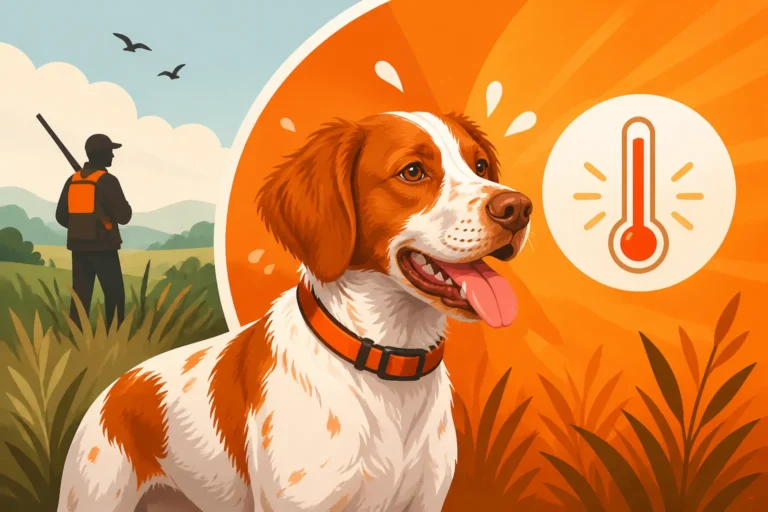
Early season hunts pose overheating risks for Brittanys due to thick coats and high humidity, requiring warning sign awareness.
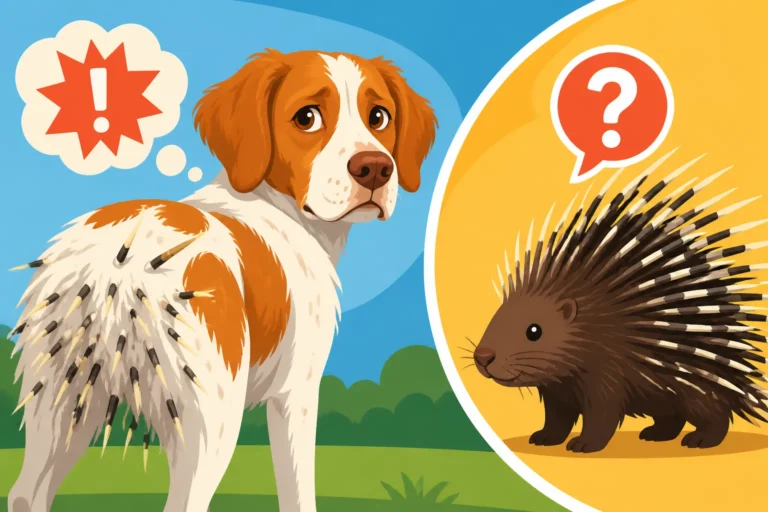
Brittany dogs often encounter porcupines due to high hunting drive, requiring calm immediate action and professional veterinary quill removal.