How Much a Brittany Sheds
Let's be real: living with a Brittany Spaniel means living with hair. While they might not be the shaggiest dogs on the planet, anyone who tells you a Brittany doesn't shed much simply hasn't spent enough time sweeping floors or lint-rolling their furniture. This guide will walk you through the true reality of Brittany shedding, what to expect, and most importantly, how to manage the inevitable hair tumbleweeds that will dance across your living room.
Understanding the Brittany Coat and Why Shedding Happens
When you first welcome a Brittany into your home, especially as a young puppy, their coat might seem fairly manageable. It's often soft, a bit wavy, and not excessively long. But as they mature, that distinctive Brittany coat fully develops, and with it, the shedding routine begins. It's not just about aesthetics; their coat is a marvel of natural engineering, designed to protect them in all sorts of cover and weather conditions while they're out doing what they love best – hunting birds.
The Brittany's Double Coat: A Closer Look
Brittanys possess a double coat, which is a common characteristic among many sporting and working breeds. This isn't just one layer of hair; it's a sophisticated system. The outer coat consists of medium-length, dense hair that can be either flat or slightly wavy, providing a protective barrier against briars, water, and harsh weather. This layer is fairly coarse and resilient. Beneath this, you'll find a softer, much denser undercoat. This undercoat is like a built-in insulated vest, trapping air close to their skin to keep them warm in cold temperatures and cool in hot ones. This dual-layer system is incredibly effective for a dog that spends a lot of time outdoors, but it's also the primary reason for their shedding.
Think about it from a practical perspective: if their coat needs to adapt to seasonal changes, it has to be able to get rid of old hair and grow new. The undercoat, in particular, is responsible for much of the volume of hair you'll find around your house. When it comes to understanding What a Brittany's Coat Is Like, it's important to remember that this functional coat is built for purpose, not necessarily for minimal shedding. It's a trade-off for having such a capable and adaptable companion in the field.
Natural Shedding Cycles: What to Expect Seasonally
Brittanys, like many double-coated breeds, experience seasonal shedding. This means there are specific times of the year when you can expect a significant increase in hair loss. The two major shedding events typically occur in the spring and fall. In the spring, they shed their heavy winter undercoat to prepare for warmer weather. This is often the most dramatic shedding period, as they're literally blowing their coat to lighten up. You'll notice much more hair coming out with every brush stroke, and probably a lot more accumulating on your floors and furniture.
Conversely, in the fall, they shed their lighter summer coat to make way for a thicker, warmer winter undercoat. While still substantial, this shedding period can sometimes be less intense than the spring "blow-out." Outside of these major seasonal shifts, Brittanys shed year-round to a lesser degree, constantly replacing old hairs with new ones. However, the exact timing and intensity can vary based on individual dogs, their living environment (indoor dogs sometimes shed more consistently year-round due to artificial light and climate control), and even their diet. It's a natural process, but one that certainly keeps us busy with the vacuum!
Factors Influencing Shedding Beyond the Norm
While seasonal changes are the primary drivers of shedding, several other factors can influence how much hair your Brittany is losing. Diet plays a huge role; a dog fed a high-quality, balanced diet with adequate protein and healthy fats often has a healthier coat that sheds less excessively and looks glossier. Conversely, a diet lacking essential nutrients can lead to dull, brittle hair and increased shedding. Stress or anxiety can also contribute to hair loss. Just like humans can lose hair during stressful periods, dogs can too. A sudden change in environment, a new pet, or prolonged separation anxiety might manifest as increased shedding.
Hormonal changes, such as those related to spaying or neutering, or even a female dog's heat cycle, can temporarily affect coat condition and shedding patterns. Whether a Brittany's Coat Thins After Spaying is a common question, and indeed, hormonal shifts can lead to changes in texture and density. Lastly, environmental factors like humidity levels and the amount of artificial light exposure can impact their natural shedding cycles. Dogs living predominantly indoors under consistent lighting might not experience the distinct seasonal "blow-outs" as much as outdoor dogs, but instead shed more consistently throughout the year.
Debunking the Myth: Are Brittanys "Low Shedders"?
It's a common misconception that Brittanys are "low shed" dogs. Perhaps it's because their coat is relatively short compared to some other sporting breeds, or maybe because they don't have the heavy, thick fur of a Golden Retriever or a Husky. But let's set the record straight: Brittanys are not low shed. They are moderate to heavy shedders, especially during their seasonal coat changes.
Comparing Brittanys to Other Breeds
When people hear "low shedding," they often think of breeds like Poodles, Portuguese Water Dogs, or certain Terrier types, which have hair that grows continuously and doesn't fall out as readily. These breeds are often marketed as hypoallergenic because they produce less dander, which is often attached to shed hair. Brittanys, with their double coat, are a far cry from this. While their individual hairs might be shorter than, say, an Irish Setter's, the sheer volume of their undercoat means there's a lot of material to shed.
Compared to a Labrador Retriever, another popular sporting breed, a Brittany's shedding might seem a bit less intense on a day-to-day basis, but during the spring and fall, they can easily rival a Lab in terms of the amount of hair they cast off. If you've lived with breeds known for heavy shedding, you'll understand what I mean when I say it's more about the quantity of hair than the length of individual strands. If you're considering a Brittany because you heard they don't shed much, it's time for a realistic adjustment to those expectations.
The Reality of Brittany Hair in Your Home
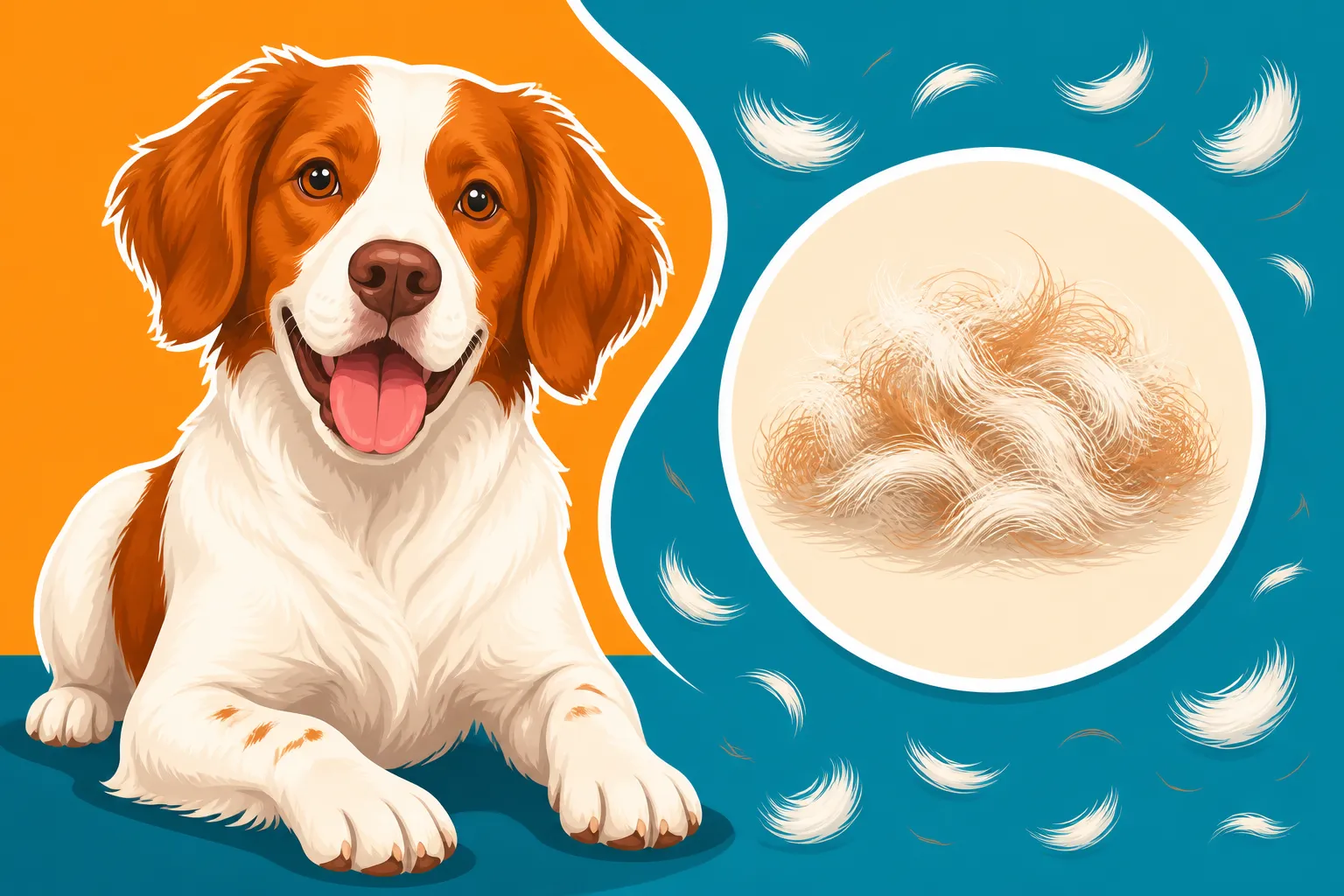
So, what does moderate to heavy shedding actually look like in your home? It means hair on your clothes, hair on your furniture, hair on your floors, and yes, sometimes even hair mysteriously making its way into your food. During peak shedding season, you'll find yourself needing to vacuum daily, or even twice a day, to keep the floating hair tumbleweeds at bay. Your dark pants will become an impromptu lint roller. Your car seats will develop a fine, orange-and-white (or liver-and-white) fuzz.
This isn't to discourage you from owning a Brittany, but rather to prepare you for the reality of living with one. Their hair is often fine and somewhat stiff, meaning it can easily weave itself into carpets and upholstery. This is why tools specifically designed for pet hair, like robust vacuums and good lint rollers, become essential household items. How Much Brittany Hair Ends Up on Furniture can be surprising, especially if you're used to breeds with different coat types. It's a small price to pay for such a wonderful companion, but it's a price nonetheless, measured in time spent cleaning.
Managing Brittany Shedding Effectively
The good news is that while you can't stop a Brittany from shedding entirely (nor would you want to, as it's a healthy, natural process), you can absolutely manage it effectively. A proactive approach to grooming and care can significantly reduce the amount of loose hair floating around your home and keep your dog's coat healthy and comfortable.
Regular Brushing: Your First Line of Defense
This is, hands down, the most crucial step in managing Brittany shedding. Regular, consistent brushing helps remove loose and dead hair before it has a chance to fall out naturally onto your floors and furniture. During non-shedding periods, aiming for 2-3 brushing sessions a week can be sufficient. However, when those seasonal "blow-outs" hit in spring and fall, you'll want to increase that to daily brushing. And I mean daily.
Using the right tools is key here, which we'll dive into shortly. But the technique is also important. You want to brush thoroughly, getting down to the undercoat without irritating the skin. Many owners find that setting up a routine, perhaps while watching TV or after a walk, makes it a pleasant bonding experience rather than a chore. Not only does this reduce shedding, but it also helps distribute natural oils, keeping their skin and coat healthy, and allows you to check for any burrs, ticks, or skin issues, especially after a hunt. This proactive approach significantly cuts down on the amount of hair you find indoors. Don't underestimate the power of regular grooming; it's truly your best defense.
Bathing for Shedding Control
While brushing is your everyday hero, bathing also plays a vital role in shedding management, especially during peak seasons. A good bath can help loosen and remove a significant amount of dead hair from the undercoat. However, you don't want to over-bathe your Brittany, as this can strip their natural oils and lead to dry, irritated skin, which could actually increase shedding or cause other skin problems.
During regular times, bathing every 4-6 weeks might be appropriate, but during heavy shedding, you might find a bath every 2-3 weeks beneficial. Use a high-quality shampoo specifically designed for dogs, and follow up with a good conditioner. Focus on thoroughly rinsing out all shampoo and conditioner to prevent skin irritation. After the bath, a vigorous towel dry followed by a blow-dry (on a cool setting) while brushing can work wonders to literally "blow out" the loose undercoat. Products like a de-shedding shampoo can also be quite effective. Finding Which Shampoo Suits a Brittany After a Hunt is important, as you'll want something that cleans well without being too harsh. You can find a good selection of specialized shampoos on platforms like Amazon or Chewy.
Dietary Support for a Healthy Coat
What goes into your Brittany's bowl has a direct impact on the quality of their coat and, by extension, their shedding. A high-quality diet provides the necessary nutrients for healthy skin and hair follicles, leading to a stronger coat that sheds less excessively and looks much shinier. Look for dog foods where a named meat source (like chicken, lamb, or salmon) is the first ingredient, and that contain balanced omega-3 and omega-6 fatty acids.
These essential fatty acids are crucial for skin health and a lustrous coat. Many premium dog foods, including brands available through Ollie, incorporate these vital nutrients. If your dog's diet is lacking, or if they have particularly dry skin, your veterinarian might recommend a fish oil supplement. Just be sure to consult with your vet before adding any supplements to your dog's diet. Avoiding cheap, filler-heavy foods can make a noticeable difference not just in their overall health and energy levels, but also in how much hair they're leaving behind. A well-nourished Brittany is often a happier, healthier, and less excessively shedding Brittany.
Tools and Techniques for Shedding Management
Having the right arsenal of grooming tools makes all the difference when tackling Brittany shedding. Investing in good quality brushes and other accessories will not only make the process more effective but also more comfortable for your dog.
Essential Brushes and Grooming Tools
For a Brittany, you'll want a few key items in your grooming kit:
- Slicker Brush: Excellent for removing loose hair from the topcoat and getting out minor tangles. The fine, wire bristles are effective for general brushing.
- Undercoat Rake/De-shedding Tool: This is your heavy hitter, especially during seasonal shedding. Tools like the FURminator (widely available on Amazon or Chewy) are specifically designed to reach through the topcoat and pull out loose undercoat without cutting the healthy guard hairs. Use these carefully and follow instructions to avoid skin irritation.
- Pin Brush: Good for longer feathering on legs and ears, helping to prevent mats.
- Rubber Curry Brush/Glove: Great for massaging the skin, stimulating circulation, and collecting loose hair, especially during baths. It's often very comfortable for the dog.
- Fine-toothed Comb: Useful for checking for fleas or getting out small burrs, particularly in the feathering.
When considering Which Brush Suits a Brittany, it's really a combination of these tools that will give you the best results. Start with the slicker or pin brush for general detangling and surface hair removal, then move to the undercoat rake during heavy shedding to extract the bulk of the dead undercoat. Finish with a quick pass of the slicker or a rubber brush to smooth the coat.
Professional Grooming: When to Call for Help
While many Brittany owners handle grooming at home, there are times when a professional groomer can be an invaluable asset. If you're overwhelmed by shedding, or if your dog develops mats or tangles that are difficult to remove, a professional can often tackle these issues efficiently. Groomers have powerful dryers that can literally blast out huge amounts of loose undercoat, which can be particularly helpful during the intense spring and fall shedding seasons.
They also have specialized tools and techniques that can make a big difference, and they can offer advice tailored to your dog's specific coat type and condition. Some owners opt for a professional de-shedding treatment a couple of times a year to kick-start the major shedding cycles, making at-home maintenance much easier afterward. It's an investment, but it can save you a lot of time and effort, and ensure your Brittany's coat remains in top condition.
Dealing with Shedding in the House
Beyond brushing, there are practical steps you can take to minimize the impact of shedding indoors.
- Vacuum Regularly: As mentioned, daily vacuuming during peak shedding is often necessary. Invest in a good quality vacuum cleaner designed for pet hair, as these typically have stronger suction and specialized attachments.
- Protective Covers: Use washable covers or throws on furniture where your Brittany likes to lie. This makes cleanup much easier – simply toss them in the wash.
- Dedicated Dog Bed: Ensure your Brittany has a comfortable, washable dog bed that you clean regularly. This provides a designated shedding zone.
- Air Purifiers: While they won't stop the shedding, air purifiers with HEPA filters can help capture airborne dander and fine hair, improving air quality and reducing allergens.
- Lint Rollers: Keep them handy! They're indispensable for quick clean-ups on clothes, car seats, and smaller upholstered items. Buying in bulk from Amazon is a wise move for any Brittany owner.
| Grooming Tool | Primary Use | Frequency (General) | Notes |
|---|---|---|---|
| Slicker Brush | Topcoat, light tangles, general daily tidying | Daily – Every other | Gentle, good for puppies and sensitive areas |
| Undercoat Rake/De-shedder | Removing dense undercoat, heavy shedding | 1-3 times/week | Use cautiously, can irritate skin if overused |
| Pin Brush | Feathering, longer hair, gentle detangling | 2-3 times/week | Less aggressive than slicker, good for sensitive areas |
| Rubber Curry Brush | Massaging, loose hair collection, bath time | As needed / Bath time | Stimulates skin, dog-friendly, good for short coats too |
| Fine-toothed Comb | Checking for fleas, small debris, feathering | As needed | Essential for detail work and post-field checks |
When Shedding Might Signal a Problem
While shedding is a normal and healthy bodily function for a Brittany, there are times when excessive or abnormal hair loss can indicate an underlying health issue. It's important for owners to recognize the difference between routine shedding and something that warrants a vet visit.
Recognizing Abnormal Hair Loss
How do you tell if your Brittany's shedding is more than just normal? Look for changes in pattern and quantity. If your dog is suddenly losing hair in patches, has bald spots, or if their skin looks red, inflamed, or scaly underneath, that's a red flag. Excessive scratching, licking, or chewing at their coat can also indicate a problem, often leading to secondary hair loss. A healthy shedding coat usually comes out evenly across the body, and the underlying skin appears healthy and clear.
If you notice a sudden, dramatic increase in shedding that isn't tied to a seasonal change, or if their coat seems dull, brittle, and greasy despite good grooming and diet, it's time to be concerned. Sometimes, the change is subtle, like a generally thinner coat all over without obvious bald patches. Trust your gut; if something just doesn't seem right with your Brittany's coat, it's always best to err on the side of caution and consult your veterinarian. Why a Brittany's Feathering Hides Skin Trouble is a good point to remember, as their longer leg and ear feathering can conceal issues that might be more obvious on a short-haired dog.
Common Health Issues Affecting Coat Quality
Several health conditions can manifest as changes in coat quality and shedding patterns.
- Allergies: Environmental allergies (pollen, dust mites), food allergies, or flea allergies are very common culprits. Dogs with allergies often itch intensely, leading to scratching, biting, and subsequent hair loss. The skin can become red, bumpy, or develop secondary infections. Whether a Brittany Gets Skin Allergies is a relevant question, and the answer is yes, they can, just like any other breed.
- Parasites: Fleas, ticks, and mites can cause severe itching and irritation, leading to scratching and localized hair loss. Regular parasite prevention is crucial.
- Nutritional Deficiencies: As mentioned, a poor diet can lead to a dull coat and excessive shedding. Malabsorption issues can also cause this even if the diet is good.
- Hormonal Imbalances: Conditions like hypothyroidism (underactive thyroid) are classic causes of coat problems. Dogs with hypothyroidism often have a dry, brittle, thinning coat, sometimes accompanied by weight gain, lethargy, and skin infections. Signs a Brittany's Thyroid Is Low can include many of these coat issues.
- Skin Infections: Bacterial or fungal infections can cause redness, itching, pustules, and hair loss.
- Stress: Prolonged stress can lead to "stress shedding" or even exacerbate underlying skin conditions.
Understanding these possibilities helps you be a more observant owner. Regularly checking your Brittany's coat, especially after field work when they've been in cover, allows you to catch these problems early. What a Brittany's Yearly Bloodwork Should Cover often includes a thyroid panel for adult dogs, which can catch these hormonal issues.
The Role of Your Veterinarian
If you suspect your Brittany's shedding is abnormal or points to a health issue, your veterinarian is your best resource. Don't try to self-diagnose or treat with over-the-counter remedies without professional guidance, as you might mask a more serious problem. Your vet will perform a thorough physical examination, looking closely at their skin and coat.
They might recommend diagnostic tests such as skin scrapings (to check for mites), blood tests (to evaluate thyroid function or look for underlying systemic diseases), or allergy testing. Based on the diagnosis, they can prescribe appropriate medications, recommend dietary changes, or suggest specific grooming products. Early intervention is always best for these conditions, as it can prevent discomfort for your dog and more extensive treatment down the line. Remember, your vet is your partner in keeping your Brittany happy, healthy, and looking their best, even if that means shedding a bit less!
Disclaimer
This article is for general informational purposes only and does not constitute professional advice. Laws, prices and regulations vary by location and change over time. Consult a qualified professional for guidance on your specific situation.