Whether a Brittany Whines in the Crate
It's a familiar, often heart-wrenching sound that can wear on even the most patient dog owner: the persistent whine from the crate. Many Brittany owners face this struggle, wondering if their energetic, intelligent companion will ever settle quietly when crated. This guide will delve into the common reasons Brittanys might whine in their crates and offer practical, empathetic strategies to help your beloved bird dog become comfortable and quiet in their den.
Understanding Why Your Brittany Whines in the Crate
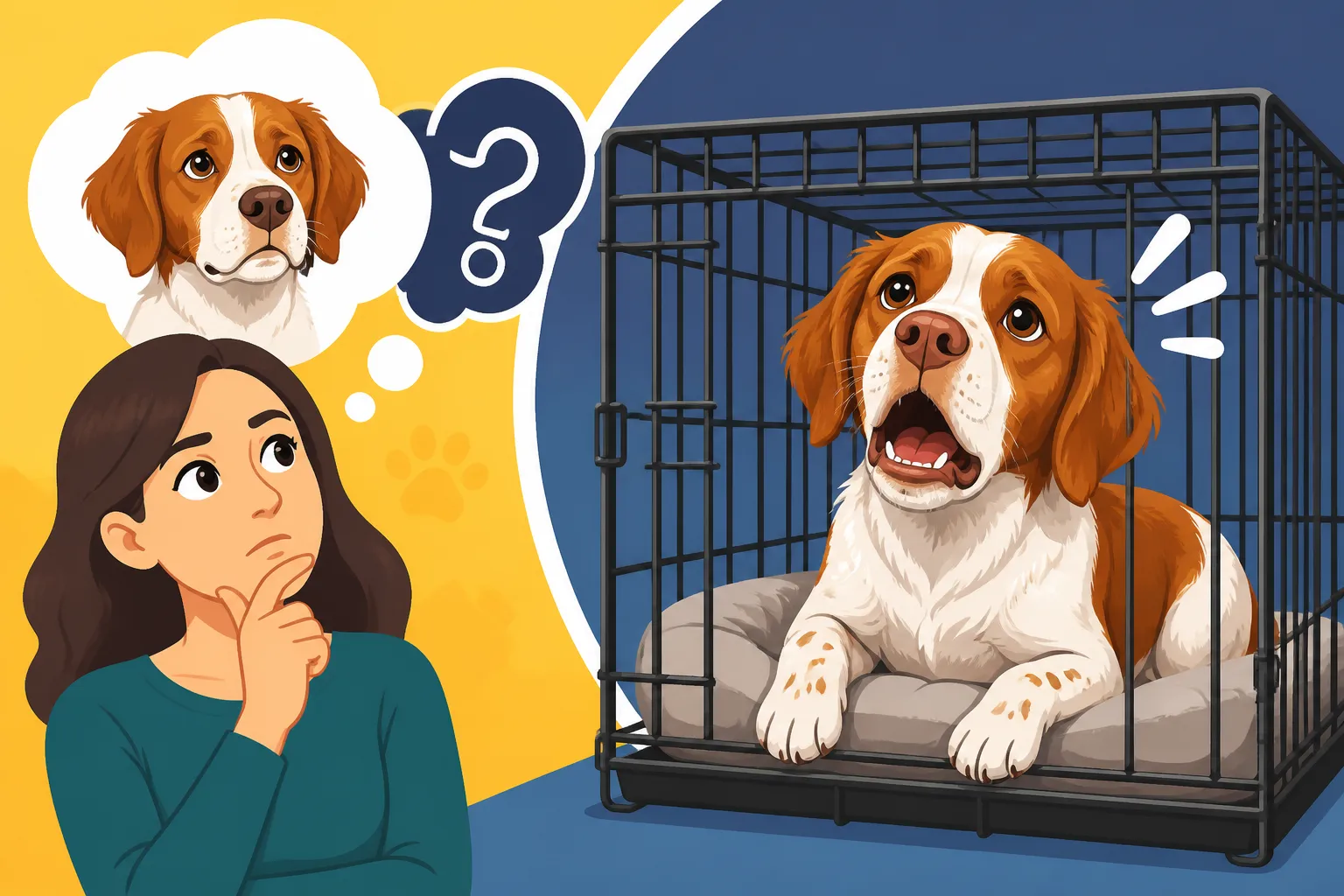
The sound of your Brittany whining in their crate isn't just noise; it's communication. Pinpointing what they're trying to tell you is the first step toward finding a solution. It's rarely out of spite, but rather a reflection of their emotional state, comfort level, or a learned behavior. Brittanys are notoriously sensitive and intelligent, which means their whining can stem from a variety of sources. Why a Brittany Is Called Soft might offer some insight into their general sensitivity.
Separation Anxiety vs. Protest Whining
One of the biggest distinctions to make is whether your Brittany is truly suffering from separation anxiety or if they're simply protesting their confinement. These look and sound very different, and require different approaches.
-
Separation Anxiety: This is a more serious behavioral issue where the dog experiences genuine panic and distress when left alone. The whining associated with separation anxiety is usually intense, high-pitched, and often accompanied by other symptoms like destructive chewing (especially around exits), excessive drooling, house soiling, pacing, or even self-harm. This isn't just about being in the crate; it's about being alone. A Brittany with true separation anxiety might whine even when loose in the house if you're gone. They often begin whining before you've even left, sensing your departure cues. This kind of distress needs a very gentle, gradual approach, often involving professional guidance. Whether a Brittany Gets Separation Anxiety covers this in more detail.
-
Protest Whining (or Attention-Seeking): This is far more common. Your Brittany might whine because they simply don't want to be in the crate. Perhaps they'd rather be with you, playing, or exploring. The whining might be intermittent, less frantic, and usually stops once they realize their efforts aren't yielding results. They might even escalate their whining if they hear you moving around or if they've learned that whining eventually gets your attention. This isn't panic; it's more like a child asking "Are we there yet?" or complaining about bedtime. They're trying to manipulate the situation, not genuinely suffering.
Unmet Needs or Discomfort
Before you assume a behavioral issue, it's absolutely crucial to rule out basic unmet needs or physical discomfort. A Brittany, especially one that's active, has legitimate requirements that, if not met, can lead to vocal protests from their crate.
- Potty Needs: A young puppy, or even an older dog who's had too much water recently, might need to relieve themselves. Their whining could be a desperate plea to be let out before an accident. Never punish a dog for having an accident in their crate if they tried to tell you they needed out.
- Hunger or Thirst: While most crate sessions aren't long enough for a dog to become truly famished, if they haven't eaten recently or if their water bowl was empty for a long stretch before crating, they might be uncomfortable.
- Physical Discomfort: Is the crate too small? Is there enough comfortable bedding? Is it too hot or too cold? Does your Brittany have an itch, a minor injury, or an upset stomach? Imagine being confined when you feel unwell – you'd probably complain too! Given their active lifestyle, a Brittany can pick up minor scrapes or aches that might become more apparent when they're still. Check their paws, ears, and coat for anything that might be causing irritation.
- Lack of Exercise/Mental Stimulation: This is a huge one for Brittanys. These dogs are intelligent, high-energy working breeds. If your Brittany hasn't had adequate physical exercise or mental stimulation before being crated, they're going to have pent-up energy and a restless mind. A tired dog is a quiet dog. A bored, energetic dog is a whiny, destructive dog. What an Under Exercised Brittany Does at Home is a prime example of how lack of activity can manifest.
Learned Behavior Seeking Attention
Dogs are incredibly smart and quick to associate actions with reactions. If whining has, at any point, led to you letting them out, giving them attention, or even just talking to them, they've learned that whining works.
- The Reinforcement Loop: It starts innocently enough. Your Brittany whines, and you, wanting to soothe them, go over and talk to them, or even let them out for a quick cuddle. In that moment, you've accidentally taught them: "Whining gets human interaction." They don't distinguish between positive and negative attention; any attention is a win.
- Escalation: Once they learn this, they'll try it again. If the whining doesn't work, they might escalate to barking or pawing. If that eventually gets a reaction, then they've learned an even more persistent strategy. This cycle can be incredibly frustrating to break, because every single time you give in, you reinforce the behavior.
- Ignoring Can Be Hard: It goes against our nature to ignore what sounds like a distressed animal, but for protest whining, it's often the most effective method. The key is knowing when it's protest and when it's something more serious.
Setting Up the Crate for Success
Creating a positive association with the crate is paramount, especially for a sensitive breed like the Brittany. This isn't just a cage; it's meant to be their safe, comfortable den.
Location, Comfort, and Safety
Think about where you've placed the crate and what's inside it. These factors can significantly impact your Brittany's willingness to settle.
- Strategic Placement: For a dog that craves companionship, placing the crate in a central, busy area of the home (like the living room or kitchen) during the day can help them feel less isolated. At night, placing it in your bedroom can be incredibly comforting, especially for puppies or new dogs, as they can still hear and smell you. As they grow more confident, you can gradually move the crate.
- Comfort is Key: Is the crate a barren metal box, or is it a cozy retreat? Line it with soft, washable bedding. Some Brittanys love a thick, fluffy mat; others prefer a simple blanket they can nest in. Ensure it's not too hot – open-wire crates can be cool, but too much airflow in a cold room might be uncomfortable. During warmer months, ensure good ventilation.
- Size Matters: The crate should be large enough for your Brittany to stand up, turn around, and lie down comfortably. If it's too big, they might designate a "potty corner," which defeats the purpose of crate training for housetraining. If it's too small, they'll feel cramped and uncomfortable. Adjustable dividers are great for puppies to grow into their adult-sized crate.
- Safety First: Remove any toys that could be a choking hazard or easily destroyed and ingested when you're not supervising. Ensure the crate door latches securely and there are no sharp edges or broken wires that could injure your dog.
Positive Associations and Training
The crate should be a happy place, not a punishment. Building positive associations is critical for a Brittany to willingly enter and relax inside.
- Introduce it Slowly: Never force your Brittany into the crate. Start by leaving the door open and tossing high-value treats or favorite toys inside. Let them explore it at their own pace.
- Meals in the Crate: Feeding your Brittany all their meals in the crate (with the door open initially, then latched for short periods) is a fantastic way to build positive associations. Who doesn't love their meal?
- Short, Sweet Sessions: Begin with very brief periods of crating while you're still in the room, then gradually increase the duration. Step out of sight for a few seconds, then return. The goal is for them to associate the crate with good things, even when you're not right there. If your Brittany is generally How Biddable a Brittany Is, they should respond well to consistent, positive training.
- "Crate Games": Make a game out of it! Toss a treat in, say "Crate!" and praise them when they go in. This makes the crate a fun destination rather than a dreaded confinement. You can find many resources for "crate games" online, or through training platforms like BAXTER & Bella.
- Never as Punishment: The crate should never, ever be used for punishment. If your Brittany misbehaves, redirect them or use a time-out in a neutral space, but don't banish them to their crate in anger. This will only foster negative feelings towards their den.
Strategies to Minimize and Stop Crate Whining
Once you've established the foundation of a positive, comfortable crate environment, you can start implementing strategies to address the whining itself. Consistency is your most powerful tool.
Addressing Basic Needs First
Before you even think about putting your Brittany in the crate, run through a mental checklist of their basic needs. Skipping these steps is a recipe for whining.
- Potty Break: Always, always, always give your Brittany a thorough potty break right before crating. Even if they just went 20 minutes ago, give them another chance. For puppies, take them out every hour or two. How Fast a Brittany Housetrains often depends on consistent potty breaks and crate training.
- Adequate Exercise: This cannot be stressed enough for Brittanys. A solid run, a vigorous game of fetch, or a long walk before crating will make a world of difference. A physically tired Brittany is much more likely to settle and sleep. Aim for at least 30-60 minutes of strenuous activity before extended crating, even in the off-season. How Much Exercise a Brittany Needs Off Season is a great reminder of their high energy levels.
- Mental Stimulation: Don't forget their brains! A puzzle toy filled with peanut butter, kibble, or frozen broth can keep them occupied and mentally drained as they work to get the reward. A chew toy like a KONG or a Nylabone can also be a good distraction. Offer these only when they're in the crate to enhance the positive association.
- Food and Water: Ensure they've had their meals at appropriate times and have had access to fresh water beforehand. However, avoid giving a large amount of water right before crating, especially if you're leaving them for more than a couple of hours, to prevent immediate potty needs.
Gradual Crate Training and Desensitization
If your Brittany is already whining, you might need to go back to basics and re-introduce the crate more gradually.
- Supervised Short Stays: Start with very short periods, 5-10 minutes, while you're in the room but not interacting. As soon as they are quiet for a brief moment, open the door and let them out calmly. The key is to release them when they are quiet, never when they are whining.
- Increase Distance and Duration: Once they're comfortable with you in the room, gradually increase the time they spend in the crate. Then, start increasing your distance from the crate – go to another room for a few seconds, then a minute, and so on. Build up to leaving the house for very short periods.
- Random Departures: Don't make your departures a big deal. Pick up keys, put on shoes, open the door, but don't always leave. This desensitizes them to your departure cues, so they don't start whining the moment you grab your jacket.
- White Noise or Music: Some Brittanys benefit from a white noise machine, a fan, or soft classical music playing nearby. This can help mask household noises that might trigger them and create a soothing environment. Many owners find a simple radio set to a talk station on a low volume can also help.
Ignoring the Whining (When Appropriate)
This is the hardest part for many owners, but it's crucial for breaking the attention-seeking whining cycle.
- Wait for Silence: The golden rule: never let your Brittany out or acknowledge them while they are whining. Wait for even a momentary pause in the whining, then, and only then, approach the crate and let them out calmly. This teaches them that silence is what gets results.
- Be Prepared for an Extinction Burst: When you start ignoring whining, it often gets worse before it gets better. This is called an "extinction burst." Your dog is thinking, "My usual strategy isn't working, I'll try harder!" If you give in during this phase, you will have taught them that very persistent whining works best. You must ride it out.
- Manage Your Own Anxiety: Dogs are incredibly adept at reading our emotions. If you're stressed or anxious about leaving them, they'll pick up on it. Project calm confidence, even if you don't feel it.
- Recording Device: Sometimes, it helps to record your Brittany when you leave. You might be surprised to find they only whine for a few minutes and then settle, or that the whining is far less constant than it feels when you're agonizing over it in the next room. This can help you understand the pattern and duration of the whining.
Enrichment and Distraction
Keeping a Brittany's active mind occupied can be the key to a quiet crate.
- High-Value Chew Toys: Offer something your Brittany only gets in the crate. A durable chew toy, a KONG filled with frozen treats, or a puzzle feeder from Amazon can be a fantastic way to make crate time a positive, engaging experience. Make sure it's something safe they can't destroy quickly.
- Chew Variety: Rotate chew toys to keep things interesting. What excites them one day might be old news the next. Having a few favorites on rotation can keep their interest piqued.
- Scent Work (Pre-Crate): Engaging their powerful nose before crating can be mentally tiring. Hide treats around a room and let them sniff them out, or do some brief scent-game training. This kind of mental workout can be just as tiring as physical exercise for a Brittany. How Long a Brittany's Training Session Should Be might be a good read to gauge appropriate mental stimulation periods.
Here's a quick comparison of common whining types and solutions:
| Whining Type | Description | Potential Causes | Recommended Actions |
|---|---|---|---|
| Potty Whine | Urgent, often escalating, may be accompanied by pacing or digging. | Full bladder/bowel. | Immediate, calm potty break. Never punish. |
| Attention-Seeking | Intermittent, stops when you approach, might escalate if ignored. | Boredom, desire for companionship, learned behavior. | Ignore until quiet. Provide pre-crate exercise/enrichment. |
| Discomfort Whine | Constant, restless, trying to adjust position, may lick body parts. | Crate too small/uncomfortable, too hot/cold, minor injury. | Check crate size, bedding, temperature. Inspect dog for injuries. |
| Separation Anxiety | Intense, frantic, often accompanied by drooling, panting, destructive behavior. | Genuine panic when alone. | Consult vet/trainer. Gradual desensitization (even 1-second absences). Medication may be considered in severe cases. |
| Hunger/Thirst | Usually happens if crated around meal times or after long periods. | Empty stomach, dehydration. | Ensure meals/water before crating (but not immediately before). |
When to Seek Professional Help
While many crate whining issues can be resolved with consistent training and attention to your Brittany's needs, there are times when professional intervention is necessary. Don't feel like a failure if you need to call in the cavalry – a good trainer or vet is there to help you and your dog thrive.
Persistent Whining and Destructive Behavior
If your Brittany's whining persists despite your best efforts, or if it's coupled with destructive behavior when crated, it's a clear signal that something more serious might be at play.
- Escalating Whining: If the whining is not decreasing, or is even intensifying over time, it's not simply "protest." There might be an underlying anxiety or discomfort that you haven't identified.
- Crate Destruction: If your Brittany is chewing through the crate, bending bars, or trying to escape, they are in genuine distress. This isn't naughtiness; it's panic. This can lead to severe injuries, from broken teeth to cuts and scrapes. What a Bored Brittany Destroys goes into the general destructive tendencies that can arise from unmet needs, but crate destruction is a specific and dangerous issue.
- House Soiling in the Crate: While accidents can happen, if an otherwise housetrained Brittany is consistently eliminating in their crate, especially when it's clean and appropriately sized, it's a sign of extreme stress or a medical issue. A dog's natural instinct is to keep their den clean.
Consulting a Vet or Certified Trainer
Don't hesitate to reach out to professionals if you're struggling. They have the expertise to diagnose the root cause and provide a tailored plan.
- Veterinary Check-up: Rule out any medical issues first. A urinary tract infection, pain from an injury (especially common for active hunting dogs), or other health problems can manifest as restlessness and whining. Your vet can perform a thorough examination and offer advice on anxiety-reducing supplements or, in more severe cases, discuss anti-anxiety medication if appropriate.
- Certified Professional Dog Trainer (CPDT) or Behaviorist: For behavioral issues, especially separation anxiety, a certified trainer or a veterinary behaviorist is invaluable. They can observe your Brittany's behavior, identify triggers, and develop a step-by-step modification plan. They often work with you on desensitization and counter-conditioning techniques that are difficult to implement effectively on your own. They can help you understand the nuances of How Sensitive a Brittany Is to Correction and ensure your training methods are gentle but effective. Many trainers offer virtual consultations, making it easier to get expert advice from anywhere. Look for trainers who use positive reinforcement methods.
Remember, patience and consistency are your greatest allies when teaching your Brittany to love their crate. It's a journey, not a sprint, and with the right approach, your Brittany can learn to settle quietly and enjoy their safe, cozy den.
Disclaimer
This article is for general informational purposes only and does not constitute professional advice. Laws, prices and regulations vary by location and change over time. Consult a qualified professional for guidance on your specific situation.