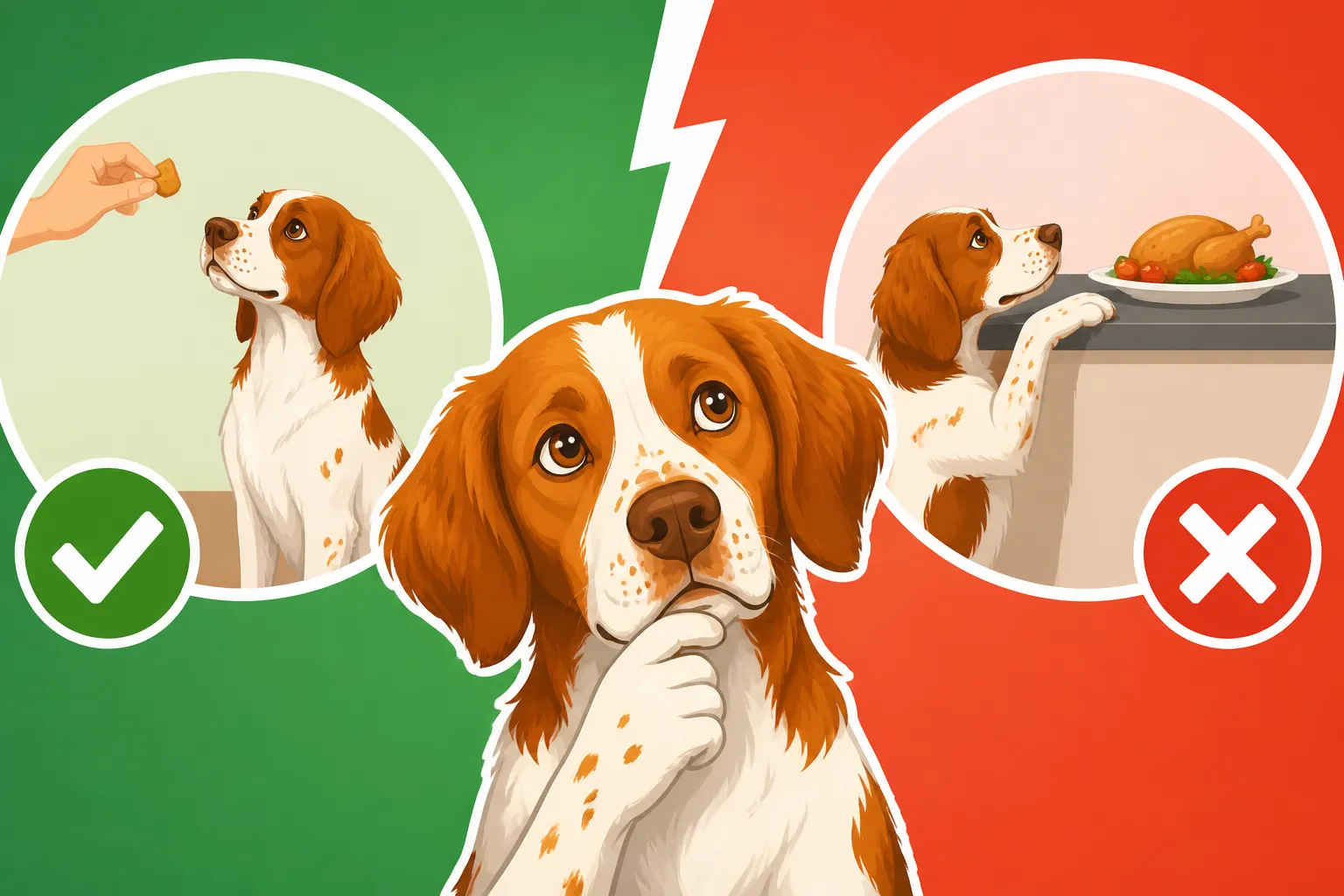
Whether a Brittany Counter Surfs
Oh, the infamous counter surfing! If you've ever walked into your kitchen to find your beloved Brittany with their nose buried in something they definitely shouldn't be, or worse, half a sandwich missing from a spot you swore was safe, you are not alone. It's a frustrating, sometimes dangerous, and all-too-common problem for many dog owners, and Brittanys, with their clever minds and keen noses, can be particularly adept at it. This guide is here to help you understand why your Brittany might be turning into a furry kitchen bandit and, more importantly, what you can do to put a stop to it, saving your sanity and your dog's tummy from trouble.
Understanding the Brittany's Propensity for Counter Surfing
Brittanys are amazing dogs, full of energy, intelligence, and an unparalleled drive to explore the world with their noses. These very qualities, which make them exceptional hunting companions and delightful family members, can also contribute to their knack for counter surfing. It's not usually malicious; it's often a combination of instinct, opportunity, and learned behavior.
Why Brittanys are Natural Scavengers (Driven by Scent and Opportunity)
Think about what a Brittany was bred for: locating birds, sometimes in dense cover, and pointing them out. Their entire being is geared towards using their incredible sense of smell to find things. When they're in the field, this is a magnificent trait, but in your kitchen, that same drive translates into sniffing out every crumb, every stray piece of food, and every interesting smell that wafts from the countertop. To them, your kitchen isn't just a place where you prepare meals; it's a vast, indoor field with potential "prey" scattered about, albeit usually inanimate.
This strong prey drive, combined with an insatiable curiosity, means that if something smells good, a Brittany is going to investigate. They're not just looking for a dropped treat on the floor; they're actively assessing all vertical surfaces. A slight whiff of last night's dinner, the lingering aroma of baking cookies, or even the faint scent of a discarded paper napkin can be an irresistible lure. They operate on the principle of "find it, acquire it," and a counter full of goodies is just a challenge waiting to be conquered.
The Brittany's Intelligence and Problem-Solving Skills
Anyone who lives with a Brittany knows they are incredibly smart dogs. They're quick learners, adaptable, and surprisingly adept at problem-solving. This isn't just about their ability to learn complex hunting commands or navigate challenging terrain; it applies to figuring out how to get what they want in the home environment too. If they see you reaching for something on the counter, they observe the method. If they've managed to knock something off a low counter once, they remember that strategy.
A Brittany will test boundaries. They'll push a chair closer to the counter, stand on their hind legs to see what's up there, or even use their paws to swipe at items within reach. They learn through trial and error, and if an attempt is successful, even once, it becomes a reinforced behavior. It’s their innate intelligence working against your household rules. This is why consistency is so crucial, because even a single success can teach them that counter surfing can work, and a clever dog like a Brittany won't forget that lesson easily. Understanding What a Brittany's Temperament Is Really Like often helps explain these behaviors.
Early Learning and Reinforcement of Bad Habits
Counter surfing doesn't usually start with a full-blown assault on your Thanksgiving turkey. It often begins subtly. Maybe they snagged a forgotten piece of toast from the edge of the table. Perhaps a child left a snack within reach on a coffee table, and the Brittany "found" it. Every time they succeed, even if it's just getting a tiny crumb, their behavior is reinforced. It tells them, "Hey, this works! Keep trying!"
Even accidental reinforcement, like you inadvertently leaving a plate too close to the edge of the counter and your dog managing to snag it, can cement the behavior. They quickly associate the counter with potential rewards. This is especially true if they are not receiving enough mental stimulation or physical exercise, leading to boredom-driven exploration. A bored Brittany is a creative Brittany, and sometimes that creativity manifests as finding new ways to access forbidden treasures. This is a common issue, and if you're wondering What an Under Exercised Brittany Does at Home, counter surfing is definitely on the list!
The Risks and Realities of Counter Surfing
Beyond the sheer annoyance of having your food stolen or your kitchen perpetually needing vigilance, counter surfing poses significant risks to your Brittany's health and can lead to real financial strain. It's not just about a missing cookie; it's about what that cookie might contain, or what other dangerous items might be within reach.
Dangerous Foods and Objects on Counters
Our human food is often not suitable for dogs, and some common ingredients are outright toxic. Chocolate, onions, garlic, grapes, raisins, xylitol (a sugar substitute found in many sugar-free products), and alcohol are just a few examples that can cause severe illness or even be fatal for dogs. Cooked bones from your dinner can splinter and cause internal damage. A dog might also ingest packaging, plastic wrap, or aluminum foil, leading to choking hazards or intestinal blockages.
Imagine your Brittany leaping onto the counter and not only getting that delicious pan of brownies but also knocking over a hot pot, or worse, a knife. The potential for injury from broken glass, spilled cleaning supplies, or even just burns from hot surfaces is very real. The counter isn't just a place for food; it's often where we keep medications, sharp utensils, and other household items that could be disastrous if ingested or interacted with by a curious dog.
To illustrate some common dangers, here's a quick table:
| Item Commonly Found on Counters | Danger to Brittany |
|---|---|
| Chocolate | Contains theobromine, toxic to dogs. Can cause vomiting, diarrhea, tremors, seizures, and heart problems. |
| Grapes/Raisins | Can cause acute kidney failure in dogs, even in small amounts. |
| Onions/Garlic | Can damage red blood cells, leading to anemia. Found in many human dishes. |
| Xylitol | Found in sugar-free gum, candy, peanut butter. Highly toxic, causing rapid insulin release, leading to hypoglycemia, seizures, and liver failure. |
| Cooked Bones | Prone to splintering, can cause choking, internal punctures, or blockages. |
| Human Medications | Can cause severe adverse reactions, organ damage, or overdose depending on the drug. |
| Cleaning Products | Ingestion can lead to chemical burns, internal organ damage, or poisoning. |
| Knives/Sharp Objects | Risk of cuts, punctures, or other physical injury if knocked down. |
| Hot Pots/Pans | Risk of severe burns if they manage to pull something down. |
The Cost of Counter Surfing (Vet Bills, Ruined Food, Frustration)
The immediate cost of counter surfing is often a ruined meal or ingredients. That carefully planned dinner could disappear in moments. But the potentially higher cost comes in the form of veterinary bills. An emergency visit for chocolate toxicity, a foreign body removal surgery for ingested packaging, or treatment for an acute illness from dangerous food can be incredibly expensive. These aren't just minor check-ups; they can be critical care situations that require significant financial outlay.
Beyond the monetary cost, there's the emotional toll. The constant vigilance, the frustration of repeated incidents, and the worry about your dog's safety can be exhausting. It strains the relationship with your pet when you're always on guard. It makes meal preparation and entertaining guests stressful, as you constantly have to monitor both your dog and your surfaces. This ongoing stress can feel overwhelming, especially if you're battling other behavioral issues or concerns about Whether a Brittany Bloats after a large, rushed meal.
How Counter Surfing Becomes a Deeply Ingrained Behavior
When a behavior is "self-rewarding," it becomes incredibly difficult to extinguish. Counter surfing is the epitome of a self-rewarding behavior. The act of getting food is the reward. Unlike training a "sit" where you give a treat, the dog is giving itself the ultimate treat by stealing. This makes it a very powerful habit.
Every successful snatch strengthens the neural pathways in your Brittany's brain, telling them this is a viable and highly rewarding strategy. Even if they only succeed once a week, that one success can be enough to keep the behavior alive. It's like a slot machine: even if you mostly lose, that occasional jackpot keeps you playing. For a Brittany, that occasional jackpot is a forgotten piece of chicken. The longer the behavior is allowed to continue, the more deeply ingrained it becomes, making it harder and more time-consuming to correct.
Strategies to Prevent and Stop Counter Surfing
The good news is that counter surfing is a manageable behavior, but it requires a multi-pronged approach rooted in consistency, management, and positive reinforcement. There’s no magic bullet, but diligent effort can yield excellent results.
Environmental Management: Making Counter Surfing Impossible
The most effective first step is to remove the opportunity entirely. This is often called "management," and it's about setting your Brittany up for success by preventing them from practicing the unwanted behavior.
- The "Nothing on the Counters" Rule: This is paramount. If there's nothing interesting or edible on your counters, there's nothing to steal. Make it a habit for everyone in the household to clear all food, dishes, and tempting items (even mail or keys, which can be fun to chew) immediately after use. This also includes pushing appliances like toasters or coffee makers further back, so they're not a stepping stone.
- Crate Training or Restricted Access: When you can't actively supervise your Brittany, prevent access to the kitchen. This might mean using baby gates to block off the kitchen entrance, or confining your dog to a crate or a designated "dog-proof" area. A quality dog crate can be a safe haven for your Brittany and is a solid investment. Many excellent options are available on Amazon that can keep your Brittany safely contained. This also helps with issues like What a Bored Brittany Destroys if they are left unsupervised.
- Supervised Kitchen Time: Only allow your Brittany in the kitchen when you can actively watch them. If they start sniffing or standing on their hind legs near the counter, immediately redirect them with a verbal "Off" command (see below) or leash them to keep them away.
Training Alternatives: Teaching "Off" and "Leave It"
While management prevents the behavior, training teaches your Brittany what to do instead. These two commands are invaluable:
- "Off" Command: This command teaches your dog to remove all four paws from a surface. Start by luring your Brittany off a low surface (like a coffee table or even just their paws on your leg) with a treat, saying "Off" as they move away. Reward immediately when their feet are on the floor. Practice this repeatedly, gradually increasing the height of the surface and the duration they need to stay "off." The goal is to make "Off" a reflex.
- "Leave It" Command: This teaches your Brittany to ignore a tempting item. Start with a treat in your closed hand. Say "Leave it." When your dog stops trying to get the treat and looks at you (even for a split second), say "Yes!" and reward them with a different, higher-value treat from your other hand. Gradually progress to leaving a treat on the floor, then on a low stool, then a low counter, always rewarding for ignoring the forbidden item. This builds impulse control, which is essential for a dog with a high prey drive. For comprehensive guidance on these techniques, online training platforms like BAXTER & Bella offer structured courses that can walk you through the steps.
Consistent Reinforcement and Dealing with Setbacks
Consistency is the absolute cornerstone of stopping counter surfing. Every person in your household must adhere to the rules. If one person occasionally leaves food out or allows the dog to "get away with it," you undermine all your hard work. Brittanys are smart; they'll quickly learn who the "suckers" are and when the rules are lax.
Setbacks will happen. You'll forget, someone else will slip up, or your Brittany will be particularly clever. Don't get discouraged. When a setback occurs:
- Don't Punish After the Fact: If you find remnants of a counter-surfed meal, cleaning up and reinforcing your management strategies is key. Your dog won't connect punishment with an act that happened minutes or hours ago. They'll just learn to fear you when you come home or enter the kitchen.
- Interrupt, Don't Confront: If you catch your Brittany in the act, a sharp, startling sound (like clapping your hands loudly or a quick "Hey!") might interrupt them, allowing you to give an "Off" command and then redirect. Avoid chasing or yelling, as this can inadvertently turn into a game or create fear.
- Go Back to Basics: If setbacks are frequent, it means your management or training needs to be tightened. Reinforce the "nothing on the counters" rule with renewed vigor. Practice "Off" and "Leave It" more frequently in low-distraction environments before trying them in the kitchen again.
Tools and Resources to Help Your Brittany Stay Off Counters
Sometimes, you need a little extra help to reinforce your training and manage your Brittany's counter-surfing tendencies. There are various tools and resources available, from physical deterrents to professional guidance.
Deterrents and Aversive Methods (Used with Caution)
While positive reinforcement is always preferred, sometimes a gentle deterrent can help break the habit, especially if your Brittany is particularly persistent. Use these with extreme caution and never as a primary training method, but rather as a temporary aid during the training process.
- Motion-Activated Alarms or Sprays: Devices are available on Amazon that emit a loud, startling sound or a puff of air when triggered by motion. Placed strategically on a counter, they can startle your Brittany when they jump up, creating an unpleasant association with the counter. The key is that the deterrent is not you, but the environment itself, so your dog doesn't associate the "punishment" with you.
- Cookie Sheet Stacks: This is an old trick. Stack a few empty aluminum cookie sheets loosely on the edge of the counter, where they'll crash down if disturbed. The noise is usually enough to startle a dog away without causing harm.
- Bitter Apple Spray: While not effective for all dogs, some find the taste of bitter apple spray repulsive. You can spray it on a non-toxic item you leave on the counter (that you don't care about getting chewed) to make the experience of investigating the counter less pleasant.
The goal with any deterrent is to make the counter a consistently unrewarding place. They should be used sparingly and only when you cannot actively supervise, to help your dog generalize the "counters are not fun" rule.
Enrichment and Exercise to Reduce Boredom
A tired Brittany is a good Brittany, and a mentally stimulated Brittany is often less inclined to get into mischief. Brittanys are high-energy dogs, both physically and mentally. If they're not getting enough appropriate outlets for their energy, they'll find their own "jobs," and counter surfing can easily become one of them.
- Ample Physical Exercise: Ensure your Brittany gets plenty of vigorous exercise every single day. This could mean long walks, runs, fetch sessions, or off-leash time in a safe, fenced area. A well-exercised Brittany is more likely to nap peacefully than to plot a counter raid. Check out How Much Exercise a Brittany Needs Off Season for ideas on keeping them fit year-round.
- Mental Stimulation: Puzzle toys, Kongs stuffed with treats (and frozen for a longer challenge), and regular training sessions can engage your Brittany's intelligent mind. Scent work games, where they have to find hidden treats or toys, can also be a wonderful way to tap into their natural hunting instincts in a controlled and appropriate manner.
- Chew Toys: Provide a variety of safe, durable chew toys to satisfy their natural urge to chew. If they have appropriate things to chew on, they might be less interested in chewing on something they've stolen from the counter.
Professional Help and Online Resources
Sometimes, despite your best efforts, the behavior persists, or you feel overwhelmed. Don't hesitate to seek professional help.
- Certified Professional Dog Trainer (CPDT-KA): A local trainer can assess your specific situation, observe your Brittany's behavior, and provide personalized guidance and hands-on coaching. They can help you fine-tune your "Off" and "Leave It" commands and set up an effective management plan.
- Veterinary Behaviorist: If the counter surfing is accompanied by other anxiety-related behaviors, extreme resource guarding, or seems unusually compulsive, a veterinary behaviorist (a DVM with specialized training in animal behavior) can help rule out underlying medical issues or prescribe medication if necessary, alongside a behavior modification plan.
- Online Training Programs: For those who prefer a self-paced approach or live in areas with limited access to trainers, online programs like BAXTER & Bella offer comprehensive resources. These platforms often include video tutorials, written guides, and sometimes even access to trainers for questions, providing structured lessons to tackle common behavioral challenges like counter surfing. These resources can be especially helpful if you're trying to integrate a new puppy into your home and want to prevent problem behaviors from starting, a common concern discussed in Whether a Brittany Needs Puppy Class.
By combining strict management, consistent positive reinforcement training, providing adequate exercise and mental stimulation, and utilizing helpful tools or professional guidance when needed, you can successfully teach your clever Brittany that the counter is off-limits. It takes patience and persistence, but a calm, well-behaved Brittany is a joy, and a safe one is priceless.
Disclaimer
This article is for general informational purposes only and does not constitute professional advice. Laws, prices and regulations vary by location and change over time. Consult a qualified professional for guidance on your specific situation.