Which Brittany Bill Surprises New Owners
Bringing a Brittany Spaniel into your life is an incredible joy. These intelligent, energetic, and affectionate dogs become cherished family members and tireless hunting partners. However, many new owners, full of excitement, often find themselves surprised by certain financial outlays that extend far beyond the initial purchase price of their new companion. This guide will walk you through some of the often-overlooked and surprising bills that can crop up when owning a Brittany, helping you prepare for a truly fulfilling (and financially sound) experience.
The Reality of Routine Vet Care and Unexpected Health Costs
When you first bring home a Brittany puppy, you're usually prepared for the initial vet visits, vaccinations, and maybe the spay or neuter. What often catches owners off guard are the ongoing health needs, especially for such an active and robust breed, and the truly unexpected emergencies that can strike.
More Than Just Annual Shots: Ongoing Preventative Care
Brittanys are generally healthy dogs, but that doesn't mean they don't require diligent preventative care that adds up. Beyond the core vaccinations, you'll need regular parasite control—heartworm prevention, flea, and tick medications are crucial, particularly if your Brittany spends a lot of time outdoors in the field, which most do! These aren't one-and-done expenses; they're monthly or quarterly commitments that can tally up over the year. Then there are routine check-ups, which become even more important as your dog ages. Older Brittanys, much like older people, might start needing more frequent bloodwork or specialized senior diets, which is a different budget line item entirely. Many owners are genuinely shocked when they start calculating the yearly cost of just keeping their dog protected from common pests and diseases. For more on the long-term health, consider exploring The Twelve to Fourteen Years a Brittany Gets.
The Unforeseen: Accidents and Chronic Conditions
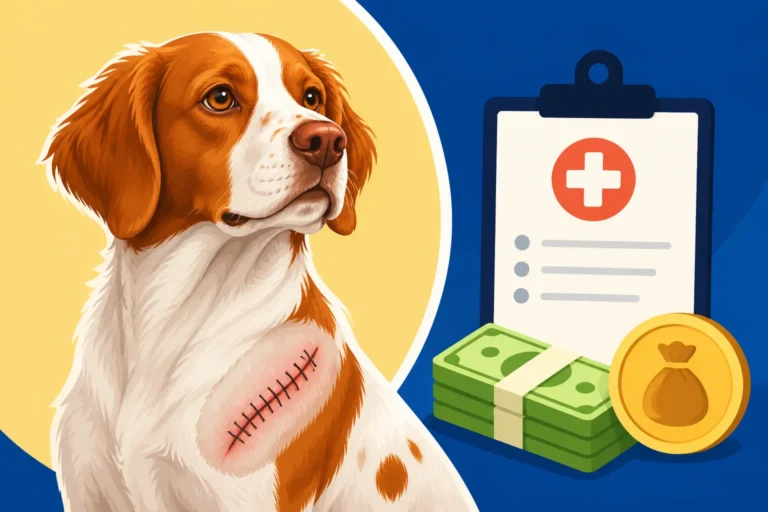
This is where the real surprises hit hard. A Brittany, by its very nature, is a fearless, driven hunting dog. This incredible drive, while a hallmark of the breed, can lead to accidents. A torn paw pad from sharp stubble, a laceration from barbed wire in the field, or an unfortunate encounter with a porcupine are not uncommon scenarios for a working Brittany. These aren't minor scrapes; they often require veterinary attention, stitches, antibiotics, and sometimes even sedation. Beyond acute injuries, Brittanys can also develop chronic conditions, just like any breed. Things like Epilepsy in a Brittany Spaniel or certain allergies can mean lifelong medication or specialized diets. Owners who haven't factored in these potential "what ifs" can find themselves facing significant, sudden expenses. It's not about being pessimistic, it's about being realistic with a breed that lives for adventure.
Training and Gear: Beyond the Leash and Collar
Many new Brittany owners envision a beautifully trained dog, but underestimate the investment—both time and money—it takes to get there, especially if they plan to hunt or participate in dog sports.
Specialized Training Programs
While basic obedience is essential for any dog, a Brittany's high energy and intelligent drive often benefit from more specialized training. If you're hoping for a well-behaved hunting companion, simply teaching "sit" and "stay" won't cut it. Gun dog training, which often involves professional trainers, bird introduction, and field work, can be a substantial expense. Sending your Brittany away to a professional trainer for several weeks or months to learn advanced skills like steady to wing and shot, retrieving to hand, or honoring another dog's point comes with a price tag that many first-time owners hadn't anticipated. Even if you plan to do much of the training yourself, the cost of training birds (pigeons, quail), bird launchers, and field access can add up quickly. It's often a case of "you get what you pay for" in dog training, and quality instruction for a gun dog isn't cheap. Understanding What a Professional Gun Dog Trainer Charges for a Brittany is a critical step in budgeting.
The Gear for a Working Dog Lifestyle
Beyond the basic collar and leash, a working Brittany requires specific gear that can be surprisingly expensive. A high-quality e-collar is often used for off-leash training and safety in the field, and these aren't cheap department store items; reliable models can be a significant investment. GPS tracking collars, essential for keeping tabs on a wide-ranging Brittany in dense cover, are another substantial cost. Then there's protective gear: neoprene vests for cold water retrieves, sturdy orange safety vests for visibility in the field, and even paw boots to protect delicate pads from harsh terrain can become necessary. Don't forget durable dog crates for safe travel in vehicles or overnight stays, and a well-stocked first-aid kit specifically for field injuries. These items, while invaluable, represent a different category of expense than what you might budget for a typical house pet. For a comprehensive overview, check out What a First Aid Kit for a Brittany Should Hold.
Daily Living: The Ongoing Expenses That Add Up
Even the most prepared owner can be surprised by how much the day-to-day care of an active Brittany adds to the monthly budget. These aren't hidden costs, per se, but their cumulative impact often goes underestimated.
Fueling an Active Lifestyle: Food and Nutrition
Brittanys are energetic dogs, and that energy needs to be fueled by high-quality food. A working Brittany, especially during hunting season, often requires more calories and a higher protein/fat content than a sedentary pet. Switching to a performance-formula dog food or even exploring fresh food options like Ollie, can significantly increase your monthly food bill compared to standard kibble. It's not just about quantity, but quality. Owners who prioritize their dog's health and performance quickly realize that skimping on food isn't an option. Furthermore, some Brittanys can have sensitive stomachs, leading to a trial-and-error period with different foods, which can also incur additional costs. Whether a Working Brittany Needs a Performance Food is a question many owners face.
Grooming and Maintenance: More Than Meets the Eye
While Brittanys are considered relatively low-maintenance when it comes to grooming compared to some other breeds, their active lifestyle and feathered coats still require attention. Regular brushing is a must to prevent mats and remove burrs and debris picked up in the field. Depending on your Brittany's coat and activity level, you might find yourself investing in professional grooming every now and then, or at least a good set of grooming tools. Beyond the coat, ear care is paramount. Their drop ears can trap moisture and debris, making them prone to infections. Regular cleaning with specialized solutions is necessary, and sometimes veterinary intervention for stubborn infections is needed, adding another unexpected bill. Understanding Why a Brittany's Ears Get Infected Every Season highlights this common issue.
Here's a quick comparison of common initial and ongoing costs:
| Category | Initial/Expected Costs (General) | Often Surprising/Hidden Costs (Specific to Brittanys) |
|---|---|---|
| Acquisition | Purchase price, initial supplies | Higher cost for proven hunting lines |
| Health | Vaccinations, spay/neuter | Field injury treatments (lacerations, foxtails, quills), chronic disease management, specialized vet visits |
| Preventative Care | Heartworm, flea/tick meds | Specific ear cleaning solutions, joint supplements as they age |
| Training | Puppy classes, basic obedience | Professional gun dog training, bird costs, field fees |
| Gear | Collar, leash, basic crate | GPS collars, e-collars, protective vests, paw boots, specialized dog boxes |
| Food | Standard adult kibble | Performance diets, fresh food subscriptions (e.g., Ollie), allergy-specific foods, supplements |
| Grooming | Brushes, occasional bath | Vet visits for ear infections, professional burr removal, higher quality shampoos after field work |
| Emergency Fund | None planned | Pet insurance premiums (e.g., Healthy Paws), emergency vet visits for unforeseen accidents/illnesses |
| Boarding/Care | Vacation boarding, dog walker | Boarding with specialized facilities for working dogs, dog walkers who can handle high-energy breeds |
The Cost of Convenience: Boarding, Walking, and More
Life happens, and sometimes you need to rely on others to care for your Brittany. The cost of boarding an active, high-energy dog can be more than you'd expect, especially if you seek facilities that offer ample exercise and mental stimulation. Standard kennels might not be sufficient for a Brittany, leading to higher rates at specialized dog resorts or in-home pet sitters. Similarly, if your work schedule means your Brittany needs a dog walker, finding one who can truly give this breed the vigorous exercise it requires might come at a premium. And let's not forget the occasional treat or toy from places like Chewy; while seemingly small, these regular purchases add up to a significant portion of the budget over time.
Planning for the Unplannable: Emergency Funds and Pet Insurance
Perhaps the biggest surprise for new Brittany owners is just how quickly veterinary bills can skyrocket when something truly unexpected happens. This is where proactive financial planning becomes your best friend.
Building an Emergency Fund
No matter how robust and healthy your Brittany appears, accidents and illnesses can strike without warning. A sudden illness requiring diagnostic tests, an overnight stay at an emergency veterinary clinic, or an orthopedic surgery for a torn ligament can run into thousands of dollars. Having a dedicated emergency fund specifically for your dog can alleviate immense stress during these difficult times. While no one wants to think about their dog getting seriously hurt or sick, preparing for such an event is a responsible part of pet ownership, especially with an active breed like the Brittany.
The Value of Pet Insurance
Many new owners dismiss pet insurance as an unnecessary expense, only to regret it deeply when faced with a five-figure veterinary bill. Pet insurance, from providers like Healthy Paws, can be a game-changer for covering unexpected illnesses, accidents, and sometimes even chronic conditions. While it's an ongoing monthly premium, it can provide invaluable peace of mind, allowing you to make medical decisions based on what's best for your Brittany, rather than solely on your immediate financial capacity. It's an investment in your dog's future health and your financial stability, and for a breed prone to field injuries or with known genetic predispositions like How Common Hip Dysplasia Is in Brittany Spaniels, it's a consideration worth making from day one. You might be surprised at What Insuring a Brittany Costs a Month, but it's often less than one emergency vet visit.
Owning a Brittany is an incredibly rewarding experience, filled with loyalty, joy, and adventure. However, being prepared for the full financial scope of that ownership, including the sometimes surprising bills, will ensure that you can provide your beloved companion with the best possible care throughout their happy, active life.
Disclaimer
This article is for general informational purposes only and does not constitute professional advice. Laws, prices and regulations vary by location and change over time. Consult a qualified professional for guidance on your specific situation.