What a Brittany’s Leptospirosis Shot Costs
One of the biggest worries for any devoted Brittany owner is keeping their energetic companion healthy, especially when their lifestyle involves romping through fields and splashing in ponds. Among the myriad of preventive measures, the leptospirosis vaccine often comes up, bringing with it questions about necessity and, naturally, the cost. This guide will walk you through what the leptospirosis shot entails for your Brittany, why it's a crucial consideration, and what you can expect financially.
Understanding Leptospirosis and Why Your Brittany Needs Protection
Leptospirosis is a nasty bacterial disease, and for a breed as active and outdoorsy as the Brittany, it's a genuine concern. We want our dogs to be out there, doing what they love, but that very joy can expose them to unseen threats. Knowing what you're up against is the first step in effective protection.
What is Leptospirosis and How Do Brittanys Get It?
Leptospirosis is caused by spiral-shaped bacteria, called leptospires, that thrive in wet environments. Think stagnant water, muddy puddles, wet soil, and even slow-moving streams. These bacteria are shed in the urine of infected wildlife such as deer, raccoons, skunks, possums, and rodents. When your Brittany is out exploring, sniffing, or taking a refreshing drink from a puddle, they can easily come into contact with contaminated water or soil. The bacteria can enter their body through mucous membranes (like the mouth, nose, or eyes) or through cuts and abrasions on their skin.
For a Brittany, whose very nature calls them to dense cover and water sources in pursuit of birds, the risk is inherently higher than for a couch potato pup. They're constantly pushing through brush, dipping into creeks, and investigating every scent, which means more opportunities for exposure. This isn't just a concern for dogs in rural areas; even suburban ponds and parks can harbor infected wildlife.
The Risks of Leptospirosis for Hunting Dogs
Our Brittanys are bred for the field, and that's where their heart truly lies. However, this active lifestyle directly increases their vulnerability to diseases like leptospirosis. Imagine your Brittany eagerly diving into a cattail-lined ditch to retrieve a fallen bird, or splashing through a marshy area during a hunt. These are prime habitats for wildlife that can be carriers of leptospires. The disease can cause severe kidney and liver damage, leading to symptoms like fever, lethargy, vomiting, diarrhea, loss of appetite, and jaundice (yellowing of the skin and eyes). In severe cases, it can be fatal.
Beyond the immediate health threat, leptospirosis is also a zoonotic disease, meaning it can be transmitted from animals to humans. So, protecting your Brittany isn't just about their well-being; it's also about safeguarding your family, especially if you have children who interact closely with your dog or if you handle game birds. It's a sobering thought, but one that underscores the importance of preventive measures. You might wonder, Whether a Brittany Needs a Leptospirosis Shot, and for active Brittanys, the answer is often a resounding yes from veterinarians.
Is the Leptospirosis Vaccine Part of Routine Care?
While some vaccines are considered "core" and recommended for all dogs regardless of lifestyle (like rabies, distemper, parvovirus, and adenovirus), the leptospirosis vaccine falls into the "non-core" category. This means its recommendation is based on a dog's risk of exposure. For a Brittany, particularly one that hunts, hikes, or spends a lot of time outdoors in areas with wildlife or standing water, it's almost always considered essential.
Your veterinarian will typically assess your Brittany's lifestyle, geographic location, and local disease prevalence to determine if the leptospirosis vaccine is appropriate. In many areas where Brittanys thrive—places rich in wetlands, forests, and agricultural lands—the vaccine is routinely advised. It's a conversation worth having with your vet every year during your Brittany's annual wellness exam. They can provide the most current information based on regional outbreaks and environmental factors.
Breaking Down the Cost of a Brittany's Leptospirosis Shot
When you're considering preventive care for your beloved Brittany, the question of cost is always at the forefront. It's not just about the single shot; there's a protocol involved, and prices can vary. Let's explore what you can expect when budgeting for your Brittany's leptospirosis vaccination.
Initial Vaccination Series vs. Boosters
The leptospirosis vaccine isn't usually a one-and-done deal, especially for puppies or dogs receiving it for the first time. Typically, there's an initial series of two vaccinations, given about 3-4 weeks apart, to establish a strong immune response. This means you'll have two separate appointments for the initial course.
After the initial series, your Brittany will need annual booster shots to maintain their immunity. This is a common practice for many non-core vaccines, ensuring continuous protection against the disease. So, while the initial year might involve two vaccine costs, subsequent years will typically be a single annual booster. It's part of the ongoing commitment to their health, much like What a Brittany's Yearly Vaccinations Cost in general.
What Factors Influence the Price?
The actual monetary cost of a leptospirosis shot for your Brittany can fluctuate quite a bit, making it hard to pinpoint an exact number without calling your local vet. Several factors play a role in this variation:
- Geographic Location: Veterinary costs can differ significantly between urban, suburban, and rural areas, and even from state to state. Larger cities often have higher overheads, which can translate to higher prices for services, including vaccinations.
- Type of Veterinary Clinic: A small, independent clinic might have different pricing structures than a large, multi-doctor practice or a specialized animal hospital. Some clinics offer more basic services at a lower cost, while others include additional wellness checks or consultations as part of their vaccine package.
- Bundled Services or Packages: Many veterinary clinics offer wellness packages that might include a physical exam, core vaccines, and sometimes non-core vaccines like leptospirosis. These bundles can sometimes be more cost-effective than paying for each service individually. Always ask your vet if they have such options.
- Additional Fees: The vaccine itself is one cost, but it's rarely the only one. There's almost always an examination fee for the vet to assess your Brittany's overall health before administering any vaccine. This ensures your dog is healthy enough to receive the shot and allows your vet to catch any underlying issues.
It's always a good idea to call a few local veterinary clinics and ask for an estimate for the leptospirosis vaccine and any associated exam fees.
Other Associated Costs to Consider
While the vaccine itself is a primary cost, there are other potential expenses to keep in mind:
- Wellness Exam Fee: As mentioned, a physical examination is crucial before vaccination. This cost is usually separate from the vaccine price but is a non-negotiable part of responsible veterinary care.
- Other Vaccinations: If your Brittany is due for other annual shots, these will add to the total bill. A leptospirosis vaccine appointment might be combined with other routine immunizations.
- Medication for Adverse Reactions: While rare, some dogs can experience mild side effects after any vaccination, such as lethargy, soreness at the injection site, or a low-grade fever. In very rare cases, more severe allergic reactions can occur, requiring immediate veterinary attention and medication, which would incur additional costs. Your vet will usually advise you on what to watch for and when to seek further help.
- Travel Costs: Don't forget the cost of gas or public transport to and from the veterinary clinic, especially if you have multiple appointments for the initial series.
Managing Veterinary Costs for Your Brittany's Health
Owning a Brittany is a commitment, not just of time and love, but also financially. Veterinary care, including preventive measures like the leptospirosis shot, is a significant part of that equation. Thankfully, there are ways to manage these expenses proactively.
Pet Insurance and Preventive Care Plans
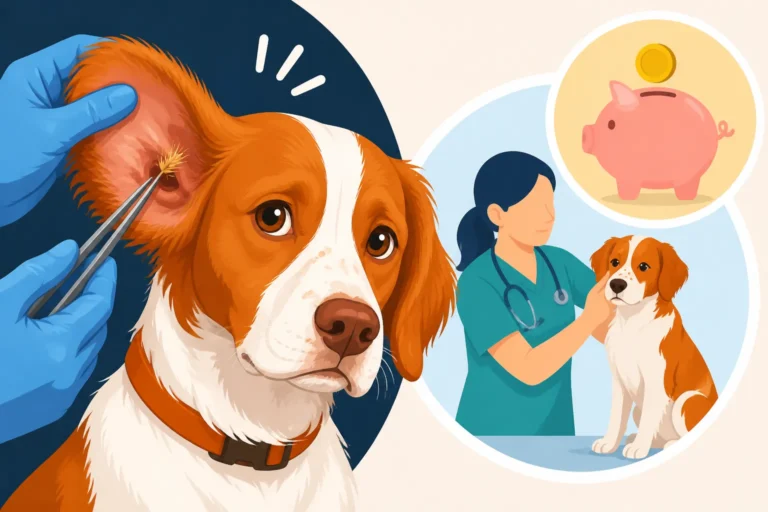
Pet insurance can be a lifesaver when unexpected illnesses or accidents strike. However, it's important to understand what different policies cover. Traditional pet insurance, like those offered by Healthy Paws, often focuses on covering unpredictable medical emergencies, surgeries, and serious illnesses, usually after a deductible is met. Preventive care, such as vaccines, often falls outside the scope of a standard accident and illness policy.
This is where wellness plans or preventive care add-ons come into play. Many insurance providers or veterinary clinics offer these plans as separate packages designed specifically to cover routine care like annual exams, vaccinations (including leptospirosis), deworming, and sometimes even dental cleanings. While these are an additional monthly or annual cost, they can help spread out and budget for predictable expenses, potentially saving you money compared to paying for each service individually. When considering a plan, always check if it includes non-core vaccines that are important for your Brittany's active lifestyle.
Comparing Veterinary Clinics and Services
Just like you'd compare prices for a new appliance or a car, it's perfectly acceptable, and often smart, to compare veterinary clinics in your area. Prices for vaccinations and routine exams can vary, so don't hesitate to call a few different practices and ask for their current fee schedule.
Here's a small table to illustrate factors influencing cost comparisons:
| Factor | Lower Cost Potential | Higher Cost Potential |
|---|---|---|
| Location | Rural or smaller town clinic | Urban or highly populated area clinic |
| Clinic Type | Smaller, independent practice | Large, multi-doctor hospital or specialty clinic |
| Services | Vaccine only (plus exam) | Comprehensive wellness package including other services |
| Competition | Area with multiple vet clinics | Area with limited veterinary options |
| Clinic Amenities | Basic facility | State-of-the-art equipment, extensive staff |
Remember, the lowest price isn't always the best value. Consider factors like the veterinarian's experience, the clinic's reputation, cleanliness, staff friendliness, and how well they communicate. You want a vet you trust and feel comfortable with, as they will be a crucial partner in your Brittany's long-term health. Also, keep in mind What a Brittany Costs Per Month can be significant, so finding a good value is key.
Budgeting for Your Brittany's Annual Wellness
Beyond the leptospirosis shot, there are many other recurring costs associated with keeping your Brittany in peak condition. Being prepared for these predictable expenses can ease financial stress.
- Annual Exams and Core Vaccinations: These are foundational to your dog's health.
- Parasite Prevention: Monthly heartworm, flea, and tick medications are vital, especially for a hunting dog. You can often find these through your vet or reputable online pharmacies, sometimes even larger retailers like Chewy.
- Dental Care: Regular dental check-ups and cleanings, potentially once a year, are important for overall health.
- Nutrition: High-quality food is a significant ongoing expense. For an active Brittany, performance-grade food is often necessary, and if you're exploring options, even specialized brands like Ollie might be on your radar. How Much a Working Brittany Eats in Season can mean a bigger food bill.
- Emergency Fund: Despite all preventive measures, unexpected illnesses or injuries can occur. Having a dedicated savings fund for pet emergencies is highly recommended. The cost of a major illness or injury can be substantial, as anyone who has faced What a Brittany's Final Illness Costs can attest.
By creating a budget that includes these regular veterinary and care expenses, you'll feel much more in control and less overwhelmed when the bills come due.
Important Considerations Beyond the Price Tag
While cost is a valid concern for any Brittany owner, it's important to remember that the leptospirosis shot is more than just a line item on a bill. It's an investment in your dog's health, safety, and your peace of mind. Let's delve into some other crucial aspects.
Discussing Vaccine Schedules with Your Veterinarian
Every Brittany is an individual, and their vaccine schedule should be tailored to their specific needs and lifestyle. This isn't a one-size-fits-all situation. During your regular check-ups—which should happen How Often a Brittany Needs a Wellness Exam—your veterinarian will ask about your Brittany's activities. Do they regularly visit dog parks, hunt in marshy areas, or swim in ponds? Do you live in an area known for leptospirosis outbreaks?
Based on this information, your vet can recommend the most appropriate vaccine protocol for your dog. For some Brittanys, especially those with minimal exposure risks, the vaccine might not be deemed necessary every year, or a different schedule could be suggested. Always have an open and honest conversation with your vet about your Brittany's adventures to ensure they receive optimal, personalized care.
Potential Side Effects and Monitoring Your Brittany
Like any medical procedure, vaccinations carry a small risk of side effects. Most reactions to the leptospirosis vaccine are mild and temporary. You might observe your Brittany being a bit lethargic, experiencing a low-grade fever, or having some tenderness or swelling at the injection site for a day or two. These are generally normal signs that their immune system is responding to the vaccine.
More serious allergic reactions, while rare, can occur. These might include facial swelling, hives, persistent vomiting or diarrhea, difficulty breathing, or collapse. If you notice any of these more severe signs, it's crucial to contact your veterinarian immediately. They will guide you on what steps to take. It's always a good idea to monitor your Brittany closely for the first 24-48 hours after any vaccination.
The Value of Prevention
When you weigh the cost of a leptospirosis vaccine, consider the alternative: the potential cost and heartache of treating a dog that contracts the disease. Treating an active leptospirosis infection can be incredibly expensive, involving multiple veterinary visits, blood tests, intravenous fluids, antibiotics, and potentially hospitalization. The price tag for treatment can easily run into the hundreds or even thousands of dollars, far exceeding the cost of the vaccine.
Beyond the financial aspect, there's the emotional toll of seeing your beloved Brittany suffer, enduring a serious illness that could have been prevented. The leptospirosis vaccine offers an affordable and effective way to protect your dog from a potentially devastating disease, allowing them to continue enjoying their active, outdoor lifestyle safely. It’s a small price to pay for such significant protection and the peace of mind that comes with it.
Disclaimer
This article is for general informational purposes only and does not constitute professional advice. Laws, prices and regulations vary by location and change over time. Consult a qualified professional for guidance on your specific situation.