What a Brittany’s Tick Prevention Costs a Year
For any Brittany Spaniel owner, especially those of us who love to see our dogs doing what they were bred for—ranging through fields and brush—the thought of ticks is a constant, itchy worry. These tiny arachnids aren't just gross; they're carriers of nasty diseases that can sideline your active companion and drain your wallet. This guide is here to break down the real annual cost of keeping your beloved Brittany safe from ticks, exploring the various prevention methods and the associated expenses.
The Ever-Present Threat: Why Tick Prevention is Non-Negotiable for Your Brittany
It’s easy to dismiss a tick as just a minor nuisance, but for a Brittany, it's a serious health hazard. Our dogs are natural explorers, pushing through tall grasses, dense woodlands, and marshy areas—all prime tick habitats. What seems like a fun afternoon romp can quickly turn into a significant health risk if not properly managed.
Understanding the Tick Landscape for an Active Dog
Brittanys are, by nature, high-energy dogs with a strong desire to hunt and explore. This means they spend a lot of time in environments where ticks thrive. A tick doesn't need to be in a deep forest; it can be waiting in your backyard or a local park. Their small size and ability to cling to vegetation mean they're excellent at hitching a ride on your dog's coat, especially within that lovely feathering on their legs and belly. Once attached, they can transmit a host of serious illnesses, like Lyme disease, ehrlichiosis, anaplasmosis, and Rocky Mountain spotted fever. These aren't just minor sniffles; they can lead to debilitating joint pain, kidney failure, neurological issues, and even death. As dedicated Brittany owners, we know the joy of seeing our dogs work, but that joy comes with the responsibility of protecting them from these pervasive parasites.
The Hidden Costs of Tick-Borne Illnesses
While you might be focused on the upfront cost of a preventative product, consider the alternative: the potential cost of treating a tick-borne illness. It's truly a scenario where an ounce of prevention is worth a pound of cure—or, in this case, many pounds of veterinary bills. Diagnosing a tick-borne disease often involves multiple vet visits, blood tests, and sometimes specialized imaging. Treatment can range from weeks of antibiotics to long-term management for chronic conditions that can affect your Brittany's joints, organs, or immune system. Imagine your vibrant, energetic Brittany laid low by lameness or lethargy, requiring extensive medical intervention. These treatments can run into substantial figures, far exceeding any annual prevention cost. Beyond the financial strain, there's the emotional toll of watching your dog suffer and the potential for reduced quality of life, especially for a dog bred to be so active. What a Brittany's Field Injuries Cost in a Season might give you an idea of how quickly medical bills can add up when your dog is out in the field.
Deciphering the Options: Types of Tick Prevention and Their Cost Structures
When it comes to tick prevention, there isn't a one-size-fits-all solution. There are several categories of products, each with its own application method, duration of effectiveness, and cost implications. Understanding these differences will help you choose the best, most cost-effective strategy for your Brittany.
Topical Treatments and Collars: Tried and True Methods
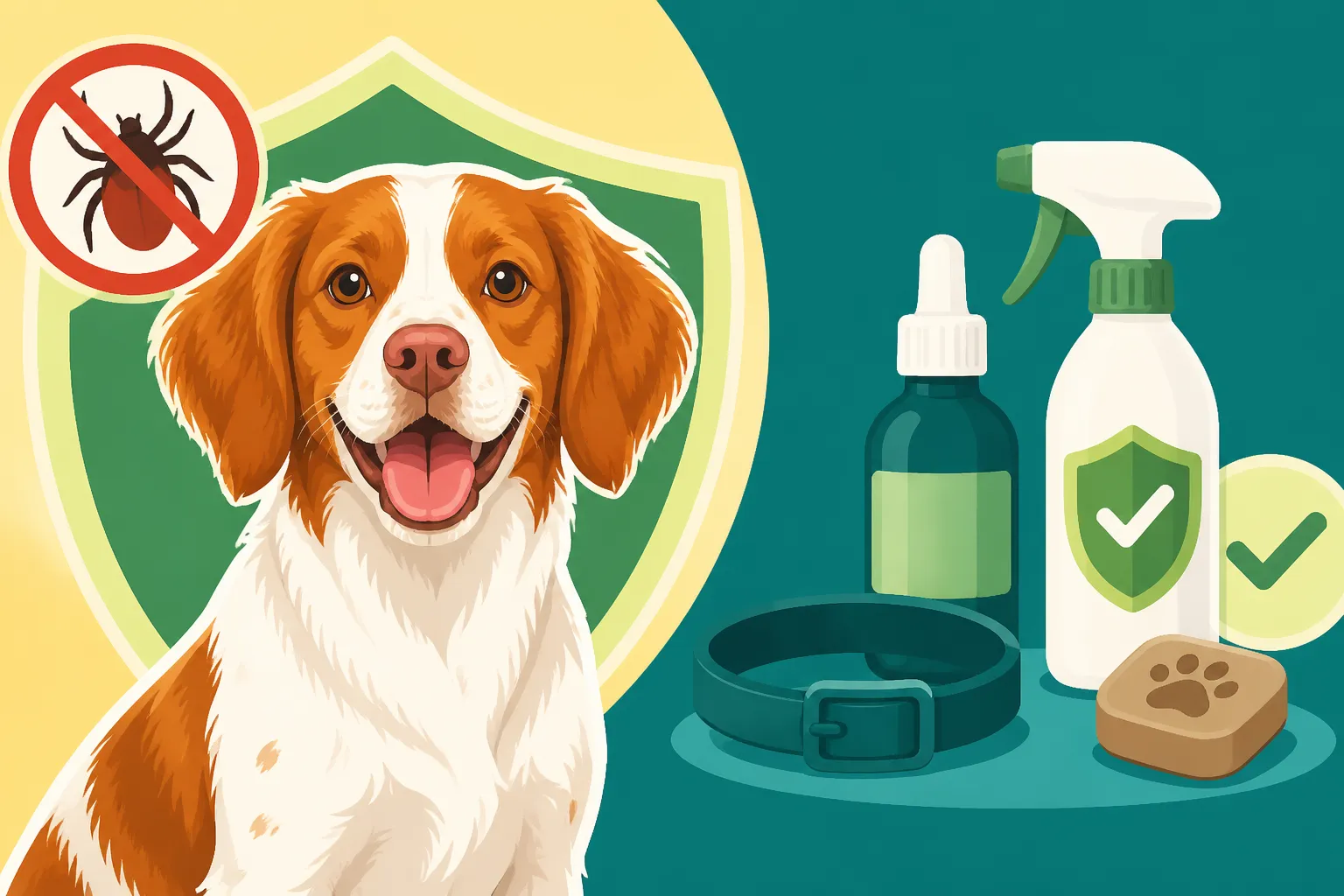
Topical spot-on treatments are applied directly to your Brittany's skin, typically between the shoulder blades, once a month. These liquids spread over the dog's skin and hair follicles, killing ticks that come into contact with them. The cost structure for these products is generally a recurring monthly expense, often sold in multi-dose packs (e.g., a three- or six-month supply). The initial outlay for a multi-pack can feel significant, but it averages out to a monthly rate.
Tick collars are another popular choice. These collars release chemicals that either repel or kill ticks. Some collars are designed to be effective for several months, often up to eight. This means you might buy one or two collars per year. The convenience of not having to remember a monthly application is a big draw for many busy owners. However, you need to ensure the collar fits properly, isn't irritating your dog's skin, and remains effective if your Brittany is frequently swimming or exposed to wet conditions. You can often find a good selection of both spot-ons and collars on online retailers like Chewy, which can sometimes offer subscription discounts.
Oral Medications: Convenience in a Chewable Form
Oral tick prevention has become increasingly popular due to its convenience and often higher efficacy, especially for dogs that swim a lot or have sensitive skin. These medications come in a chewable tablet form and are administered monthly or, in some cases, every three months. Once ingested, the active ingredient circulates in your dog's bloodstream, killing ticks when they bite.
The primary advantage of oral medications is that they aren't affected by bathing, swimming, or rain, offering continuous protection. They also don't leave any residue on your Brittany's coat, which can be a plus for families with small children who frequently interact with their dog. The cost of oral medications can sometimes be higher per dose than topical options, but given their efficacy and longer duration between doses for some products, the annual cost can be comparable. These are prescription-only medications, meaning a visit to your vet is necessary to obtain them, adding a consultation fee to the initial cost. Your vet will also advise on the best product for your Brittany based on their health history and lifestyle.
The Integrated Approach: Combining Prevention Strategies
For Brittanys that are truly in the thick of it—hunting multiple times a week, running in dense cover, or living in areas with extremely high tick populations—a single prevention method might not feel like enough. Many seasoned owners opt for an integrated approach, combining different strategies to create a robust defense. This might involve using an oral medication for systemic protection, coupled with regular checks and topical sprays before heading into particularly challenging environments.
For instance, an oral monthly chew provides excellent baseline protection. But before a big hunt in known tick territory, you might use a repellent spray specifically designed for dogs on their lower legs and belly as an extra deterrent. This multi-layered approach helps reduce the chances of ticks even attaching, minimizing exposure. Of course, combining products means combining costs, so it's a balance between risk, budget, and peace of mind. No matter what method you choose, diligently checking your Brittany for ticks after every outing is paramount. This can be time-consuming, but it’s essential to ensure no tick has latched on unnoticed. You'd be surprised How Many Ticks a Brittany Picks Up in a Season, even with preventative measures in place.
Beyond the Product: Additional Annual Costs for a Tick-Safe Brittany
Tick prevention isn't just about buying a product; it's a holistic approach that includes veterinary care, environmental management, and diligent grooming. These additional aspects contribute to the overall annual cost of keeping your Brittany safe.
Veterinary Consultations and Testing
Every responsible dog owner knows the importance of annual vet visits. For Brittanys, especially those active outdoors, these check-ups are even more critical for tick-related concerns. During your annual wellness exam, your veterinarian will not only assess your Brittany's overall health but also discuss your tick prevention strategy. They'll advise on the most effective products for your region and your dog's lifestyle.
A key component of this annual visit is often a screening test for tick-borne diseases. The most common is the 4Dx test, which screens for heartworm disease, Lyme disease, ehrlichiosis, and anaplasmosis. Even if your Brittany is on a preventative, these tests act as a crucial safeguard, catching potential infections early, often before symptoms become apparent. The cost of this test is an additional expense beyond the preventative medication itself, but it's an investment in early detection and treatment, potentially saving your Brittany from long-term health issues and you from much larger treatment bills down the road. It’s part of the comprehensive annual care. What a Brittany's Yearly Bloodwork Should Cover typically includes these important screenings.
Home and Yard Management
Ticks don't just exist in the wild; they can set up shop right in your backyard. If your Brittany spends a lot of time outside at home, managing your immediate environment is a critical, albeit sometimes overlooked, aspect of tick prevention. This can involve costs related to landscaping and yard treatments. Keeping grass mowed short, clearing leaf litter, and removing brush can significantly reduce tick habitats.
For severe infestations or properties bordering wooded areas, you might consider professional pest control services that specialize in tick control. These services come with their own fee structure, often on a seasonal basis. Alternatively, some owners opt for natural tick repellents or sprays for their yard, though their efficacy can vary, and repeated applications are often necessary. While these aren't direct "dog product" costs, they contribute to a safer environment for your Brittany and reduce their overall exposure.
Grooming and Manual Checks
This might not seem like a direct monetary cost, but the time and tools involved in thorough grooming and manual tick checks are invaluable. After every outing, especially those in tall grass or brush, you need to meticulously check your Brittany from nose to tail. Ticks love to hide in warm, dark places: behind the ears, in the armpits, between the toes, and under the tail. What to Check on a Brittany After Every Outing is a good guide for this process.
You'll need a good quality fine-toothed comb, tweezers or a specialized tick removal tool, and perhaps a magnifying glass for tiny deer ticks. While these are one-time purchases, they are essential tools for effective prevention. The time you spend checking your dog is time you invest in their health. If you find a tick, removing it properly and promptly is crucial to prevent disease transmission. How to Check a Brittany for Ticks outlines the exact process, ensuring you don't leave any parts behind. Neglecting these manual checks, even with preventative products, can leave your Brittany vulnerable and potentially lead to costly vet visits if a tick-borne illness develops.
Budgeting for Tick Prevention: A Yearly Breakdown
Understanding the various elements that go into tick prevention is the first step; the next is figuring out how to budget for it effectively. The annual cost can fluctuate based on several factors, but with a clear picture, you can plan ahead.
Factors Influencing Your Annual Spend
The total yearly cost for your Brittany's tick prevention isn't static; it's a dynamic figure influenced by several key variables:
- Geographic Location: Tick populations and the prevalence of tick-borne diseases vary significantly by region. If you live in an area known for high tick activity, you might opt for stronger, more comprehensive (and potentially more expensive) prevention methods.
- Brittany's Lifestyle: Is your Brittany a dedicated hunting dog spending hundreds of hours in the field each season? Or are they more of a suburban companion with occasional park visits? A field-bred Brittany will undoubtedly require a more rigorous and potentially costlier prevention strategy than a less active pet.
- Product Choice: As discussed, oral medications, topical treatments, and collars have different price points and durations. You might find a monthly topical solution is more budget-friendly than a quarterly oral chew, or vice versa, depending on the brand and your vet's recommendations.
- Veterinary Fees: The cost of annual check-ups, tick-borne disease screenings, and any necessary prescriptions will vary based on your local veterinary practice and geographic area.
- Pet Insurance: While most standard pet insurance plans, such as those offered by Healthy Paws, don't cover routine preventative care like tick medication or wellness exams, they do cover the treatment of illnesses. If your Brittany does contract a tick-borne disease, having pet insurance can significantly offset the cost of diagnosis and treatment, providing invaluable financial protection. It's an indirect but important part of your overall budgeting for potential tick-related issues.
A Sample Annual Cost Table for Tick Prevention
While I can't provide exact figures (prices change, and vary by location and product), this table illustrates the types of costs you might encounter annually for your Brittany's tick prevention. Remember to consult your veterinarian for specific product recommendations and current pricing in your area.
| Category | Frequency | Typical Cost Structure (Shape) | Notes |
|---|---|---|---|
| Preventative Medication | Monthly/Quarterly | Varies by product type (oral/topical/collar) and brand. | Often bought in multi-month packs for a lower per-dose cost. |
| Annual Vet Exam | Annually | Standard consultation fee. | Essential for overall health and prescription refills. |
| Tick-borne Disease Screening | Annually | Separate lab test fee (e.g., 4Dx test). | Crucial for early detection; often done at annual exam. |
| Tick Removal Tools | One-time/As needed | Minimal initial purchase. | Tweezers, tick removers – lasting for years. |
| Yard Treatments | Seasonally/As needed | Varies widely by service, product, and property size. | For high-risk areas, consider professional services. |
| Grooming Supplies | As needed | Minimal annual cost for combs, brushes. | Supports thorough manual checks. |
This table helps visualize where your money might go throughout the year, allowing you to prioritize and plan.
Smart Saving Strategies Without Compromising Protection
Keeping your Brittany safe from ticks shouldn't break the bank, and there are smart ways to manage these costs without cutting corners on protection.
One of the best strategies is to purchase preventative medications in bulk if your vet allows and if the product has a long shelf life. Many veterinary clinics and online pharmacies, including places like Chewy, offer discounts for buying a 6- or 12-month supply. Subscribing to auto-ship programs on sites like Chewy can also provide regular discounts and ensures you never miss a dose, preventing gaps in protection.
Being proactive and consistent with prevention is the ultimate cost-saver. Missing doses or skimping on protection can lead to a tick-borne illness, which, as we've discussed, can lead to far more expensive veterinary treatments than any preventative measure. It's an investment in your dog's long-term health. Consider creating a dedicated "Brittany health" budget line item to mentally prepare for these necessary expenses.
While not directly tick prevention, maintaining your Brittany's overall health through good nutrition can contribute to a robust immune system. Feeding a high-quality diet, perhaps like the fresh options from Ollie, helps support their general well-being, which might aid in their recovery if they ever do get sick. Keeping your Brittany fit and healthy also means they're less likely to suffer from other ailments that could further strain your budget.
Finally, always be on the lookout for promotional offers from your veterinarian or product manufacturers. Sometimes, manufacturers offer rebates for purchasing larger quantities of their products. By combining smart shopping with consistent application, you can significantly reduce the annual financial impact of tick prevention, keeping your beloved Brittany healthy and happy for many years to come. Remember, the goal is to keep them running strong, and part of that is protecting them from unseen dangers. What a Brittany Costs Over Its Lifetime is a big picture, and tick prevention is a small but critical slice of that pie. It’s definitely part of Whether a Brittany Fits a Modest Budget planning!
Disclaimer
This article is for general informational purposes only and does not constitute professional advice. Laws, prices and regulations vary by location and change over time. Consult a qualified professional for guidance on your specific situation.