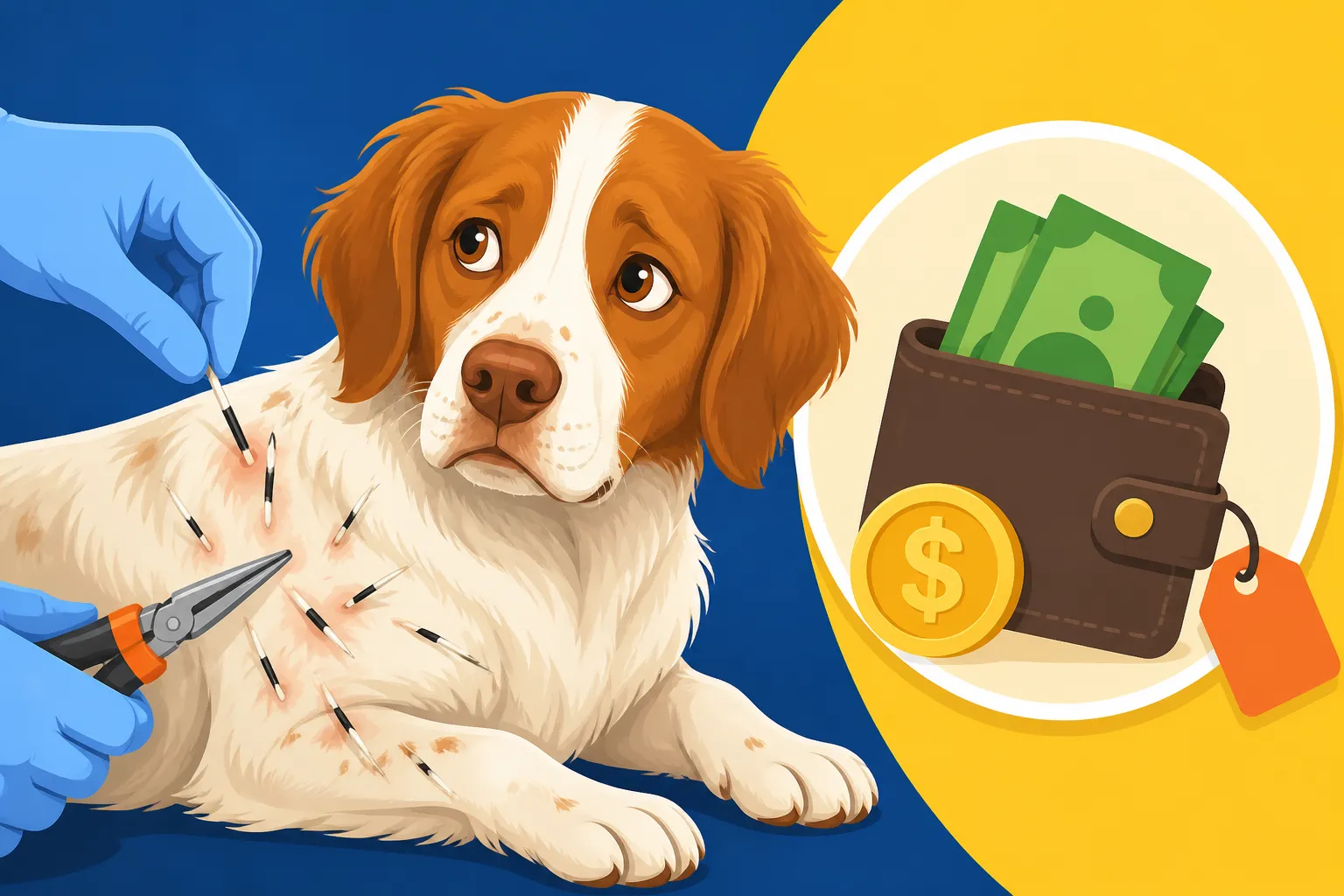
What Removing Porcupine Quills From a Brittany Costs
There's nothing quite like the heart-stopping moment you realize your curious Brittany Spaniel has had a run-in with a porcupine. One minute they're happily working the cover, nose to the ground, and the next they're yelping, pawing at their face, and looking absolutely miserable. The immediate panic isn't just about their pain; it's also about the looming question of what this emergency veterinary visit is going to cost. This guide will walk you through the various financial aspects and care considerations involved in removing porcupine quills from your beloved Brittany, helping you understand the potential expenses and how to best prepare for this unfortunate but all-too-common field injury.
The Immediate Aftermath: Emergency Care and Initial Costs
When your Brittany encounters a porcupine, the first thing on your mind is getting those barbed needles out. It's a shocking sight, and it can be incredibly distressing for both you and your dog. While your instinct might be to pull them out yourself, that's almost always the wrong move and can end up costing you more in the long run, both in terms of your dog's pain and your wallet.
Why Swift Action is Crucial for Your Brittany
Porcupine quills aren't just pointy sticks; they have tiny barbs that act like reverse hooks, designed to penetrate flesh and keep moving deeper into the body. Each movement your Brittany makes, whether it's shaking its head, rubbing its face, or even just breathing, can cause the quills to migrate further. This isn't just about discomfort; migrating quills can travel to vital organs, causing devastating internal damage, infections, or abscesses. Imagine a quill slowly working its way into a lung, the heart, or a major joint – the thought is terrifying, and the medical intervention required for such a scenario becomes significantly more complex and expensive.
Beyond the internal dangers, the sheer pain and stress for your dog are immense. Brittanys are sensitive souls, and this kind of trauma can be overwhelming. The longer the quills are in, the higher the risk of infection setting in, especially if they’ve been broken off or partially pulled. That's why getting to a veterinarian as quickly as possible is paramount. Trying to remove quills yourself at home is a recipe for disaster. The quills are brittle and often break, leaving barbed fragments behind. They can also be embedded deeper, or you might miss some entirely, leading to complications down the line. A broken quill tip, invisible to the naked eye, can still cause significant internal issues.
Initial Veterinary Examination and Quill Removal Basics
Once you arrive at the veterinary clinic, the first step is typically a thorough assessment of your Brittany. The vet will need to determine the extent of the quill embedment, how many there are, and their general location. This initial examination usually involves an emergency exam fee, which is often higher than a regular office visit due to the urgent nature of the problem. Your vet will look for quills not just on the visible surfaces, like the muzzle and paws, but also inside the mouth, under the tongue, in the throat, and even in the delicate eye area. What a Brittany's Field Injuries Cost in a Season highlights the unpredictable nature of these outdoor mishaps.
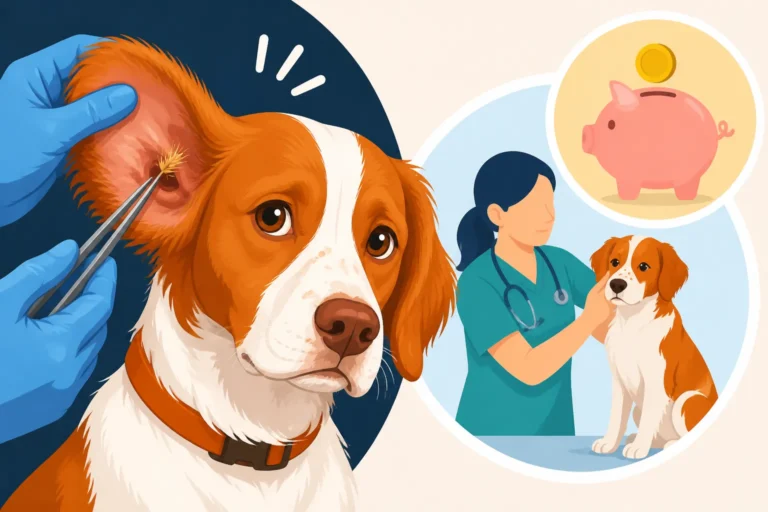
For the actual removal, deep sedation or general anesthesia is almost always necessary. Trying to remove quills from a conscious, terrified, and painful dog is not only inhumane but also incredibly difficult to do thoroughly. Imagine trying to hold your wriggling Brittany still while someone pulls sharp objects from their sensitive skin – it’s a non-starter. Anesthesia ensures your dog is comfortable, calm, and still, allowing the vet to meticulously locate and remove every single quill without causing further trauma or leaving fragments behind. This critical step adds costs for the anesthetic drugs, the time of the veterinary staff to monitor your dog during the procedure, and any necessary pre-anesthetic blood work to ensure your Brittany is healthy enough for sedation. Specialized tools, like forceps, are used to grasp each quill firmly and pull it straight out, minimizing breakage.
Factors Influencing the Cost of Quill Removal
The total bill for a porcupine encounter can vary wildly, from a few hundred dollars to well over a thousand, depending on several critical factors. It's rarely a simple, one-and-done procedure, and Brittanys, with their boundless curiosity and dense coat, can sometimes get into more trouble than other breeds.
Number and Location of Quills
The sheer volume of quills your Brittany has collected plays a massive role in the cost. A curious sniff that results in a handful of quills in the nose and lips is a very different scenario from a full-body confrontation where hundreds of quills are embedded across the face, chest, legs, and even sensitive areas like the armpits or groin. The more quills there are, the longer the removal procedure will take, which directly translates to more time under anesthesia and increased labor costs for the veterinary team.
Location is equally, if not more, important. Quills on the muzzle and outer paws, while painful, are generally easier to access and remove. However, if quills have penetrated inside the mouth, beneath the tongue, into the soft palate, or near the eyes, the difficulty and associated costs skyrocket. Quills in these delicate areas require extreme precision and often specialized instruments to avoid damaging vital structures. A quill near the eye, for instance, might necessitate an ophthalmologist’s expertise, which means additional consultation fees. Quills lodged deep within paw pads can be incredibly stubborn and require careful excavation to ensure no fragments remain, as these can cause chronic lameness and recurrent infections.
The Need for Anesthesia and Specialty Care
As mentioned, sedation or general anesthesia is almost always required for a comprehensive quill removal. This isn't just about making your dog comfortable; it's about making the procedure safe and effective. Imagine trying to remove a quill from a writhing dog's inner cheek without proper sedation—it's nearly impossible to ensure complete removal and avoid injury. The cost of anesthesia includes the drugs themselves, the equipment for monitoring vital signs (heart rate, respiration, oxygen saturation, blood pressure), and the dedicated staff member (often a veterinary technician) whose sole job is to keep your Brittany safe throughout the procedure. Whether a Brittany Tolerates Anesthesia is a relevant consideration, and a good vet will always perform pre-anesthetic checks.
In more severe cases, or when quills are deeply embedded or suspected of migrating internally, specialty care might become necessary. If a quill is suspected to be in the chest cavity or near organs, imaging like X-rays or ultrasound will be crucial. These diagnostic tools add to the cost but are essential for a complete assessment and removal plan. Should a quill truly migrate into a sensitive area like the eye or a joint, your regular veterinarian might refer you to a board-certified specialist – an ophthalmologist for eye issues, or an internal medicine specialist or surgeon for internal quill migration. These specialists often have higher consultation and procedure fees due to their advanced training and specialized equipment, further elevating the overall expense.
Potential Complications and Extended Treatment
The initial quill removal is often just the beginning of the journey. Porcupine quills are notorious for causing complications, even after a seemingly successful removal. The barbs can leave microscopic fragments behind that are impossible to see, or a quill might break during removal without anyone realizing. These fragments can then cause delayed problems, manifesting days, weeks, or even months later. The most common complication is infection. Each quill creates a puncture wound, and if bacteria are introduced or a fragment remains, an abscess can form, requiring drainage, antibiotics, and potentially further surgical intervention.
Migrating quills are perhaps the most frightening complication. They can travel through tissues, sometimes appearing in entirely unexpected locations far from the original entry site. I've heard stories of quills migrating from the face down into a shoulder, or even into the chest cavity, posing a life-threatening risk. Diagnosing and treating these migrating quills often requires advanced imaging like CT scans, which are significantly more expensive than standard X-rays, and complex surgical procedures by a specialist. These extended treatments can include multiple rounds of antibiotics, powerful pain medication, anti-inflammatory drugs, and follow-up veterinary visits to ensure complete healing. Which Cancers a Brittany Spaniel Gets and What a Brittany's Final Illness Costs highlight that dogs can face various health challenges, and quill complications are just one type of unexpected veterinary expense. The table below outlines some typical cost components:
| Cost Component | Description | Influence on Total Cost |
|---|---|---|
| Emergency Exam Fee | Initial veterinary assessment due to urgent nature | Standard base cost, higher than routine exam |
| Sedation/Anesthesia | Medications and monitoring for pain-free removal | Increases with duration and depth of anesthesia required |
| Quill Removal | Vet's time and tools for extraction | Increases significantly with number and difficulty of quills |
| Pain Medication | To manage discomfort post-procedure | Moderate, typically a prescription cost |
| Antibiotics | To prevent or treat infection from puncture wounds | Moderate, course of medication |
| Anti-inflammatories | To reduce swelling and pain | Moderate, course of medication |
| Diagnostic Imaging | X-rays, ultrasound, CT scans for suspected migrating quills | High, especially for advanced imaging |
| Follow-up Visits | Rechecks for healing or addressing complications | Moderate, per visit |
| Specialist Referrals | Consultations with ophthalmologist, surgeon, etc. | Very High, additional fees and procedures |
| Extended Surgery | For deeply embedded or migrating quills | Very High, complex procedures |
Understanding Financial Options and Prevention
The financial burden of a porcupine encounter can be substantial, often hitting you when you least expect it. Knowing your options and, more importantly, focusing on prevention, can make a significant difference.
Pet Insurance and Coverage for Accidents
This is where pet insurance can truly be a lifesaver. Most comprehensive pet insurance policies are designed to cover accidents and unexpected illnesses, and a porcupine encounter definitely falls under the "accident" category. If you have a policy, especially with a provider known for good accident coverage like Healthy Paws, you'll typically pay your vet bill upfront, and then submit a claim for reimbursement. The amount you get back will depend on your specific plan's deductible, reimbursement percentage (often 70-90%), and annual limits.
It’s absolutely crucial to understand the specifics of your policy before an incident occurs. Some policies might have waiting periods for accidents, though this is less common than with illness coverage. Always confirm what your deductible is, what percentage of the bill they reimburse, and if there are any specific exclusions. For instance, while quill removal itself is usually covered, some policies might be very particular about how they handle complications that arise much later if not directly attributed to the initial event. Don't assume anything; read the fine print or call your insurer to clarify. This kind of proactive step can save you a lot of stress and financial strain when an emergency hits.
Managing Unexpected Veterinary Bills
Even with insurance, or if you don't have it, a sudden large vet bill can be a punch to the gut. It's smart to have a plan for managing these unexpected costs. Building an emergency fund specifically for your Brittany is a fantastic idea. Even setting aside a small amount each month can quickly add up and provide a cushion for unforeseen medical expenses. Many veterinary clinics also offer payment plans through third-party financing options, which can break a large bill into more manageable monthly payments. CareCredit is a common option in the veterinary world, offering promotional financing options that can be interest-free if paid within a certain timeframe.
For ongoing medication, if your Brittany needs antibiotics or pain relief for an extended period, remember that many vets are open to writing prescriptions that you can fill at an online pet pharmacy or even your local human pharmacy. Services like Chewy or other online retailers often offer these medications at a lower cost than purchasing directly from the vet clinic, especially if your dog is on them for a while. Of course, always check with your vet if this is appropriate for your dog's specific needs and medication. The key is to explore all avenues and not let financial stress prevent your Brittany from getting the care they need.
Preventing Porcupine Encounters in Your Brittany
While accidents happen, there are definitely steps you can take to minimize the chances of your Brittany having a run-in with a porcupine. Brittanys are naturally curious and driven by their keen sense of smell and prey drive. That little waddle and rustle in the bushes is just too tempting! One of the most important preventive measures is solid training, particularly a rock-solid recall and a strong "leave it" command. If you can call your dog off a scent or tell them to leave something alone from a distance, you can prevent many dangerous encounters. Consistent training, perhaps even with a professional gun dog trainer, can make a huge difference in these situations.
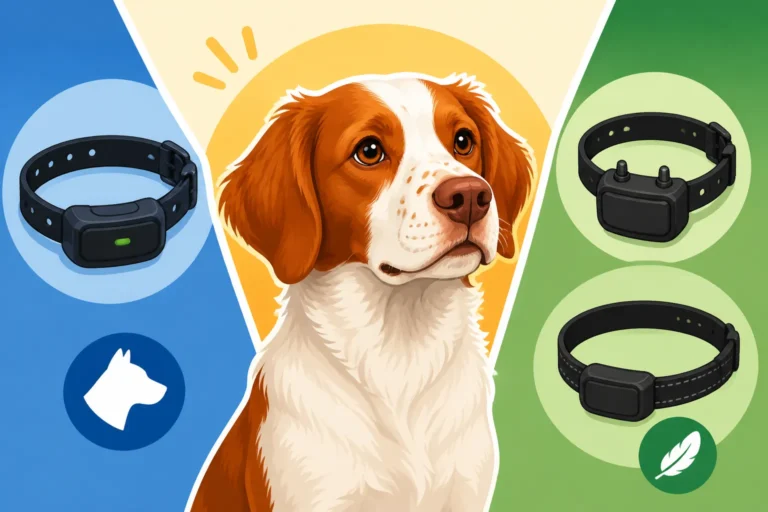
Understanding porcupine behavior and habitats is also key. Porcupines are typically nocturnal, but they can be active during the day, especially in cooler weather or denser cover. They love wooded areas, rocky outcrops, and dense brush. If you're hunting or hiking in an area known for porcupines, keep your Brittany on a closer lead or use a GPS collar to monitor their movements, like those available from reputable brands. Whether a GPS Collar Is Worth It on a Brittany is a question many hunters consider, and for porcupine-prone areas, it can absolutely be worth it for peace of mind and quick intervention. A tracking collar lets you see precisely where your dog is and helps you intervene if they're heading towards dense thickets where porcupines might be hiding.
Finally, maintaining your Brittany's overall health through good nutrition and regular conditioning can contribute to their resilience. A strong, healthy dog is often better equipped to handle stress and recover from injuries. Brands like Ollie offer fresh, nutritious dog food options that can contribute to your Brittany's overall vitality. How Much an Adult Brittany Eats and Whether a Working Brittany Needs a Performance Food both touch on the importance of a well-balanced diet. While no amount of good food will prevent quills, a healthy immune system and strong body can aid in faster recovery from trauma and reduce the risk of complications like infections.
Disclaimer
This article is for general informational purposes only and does not constitute professional advice. Laws, prices and regulations vary by location and change over time. Consult a qualified professional for guidance on your specific situation.