What a Started Brittany Costs
Bringing a new dog into your life is always exciting, but if you're a bird hunter, the idea of getting a "started" Brittany spaniel can feel like a smart shortcut past the most challenging puppy stages. It’s natural to wonder about the financial commitment for a dog that’s already had some foundational training, especially when you compare it to the initial price of a raw puppy. This guide will walk you through what goes into the cost of a started Brittany, helping you understand the value and the investment you're making.
Understanding "Started" vs. "Finished" Brittanys
When you're deep in the world of gun dogs, you hear terms like "started," "finished," or even "titled." These aren't just fancy words; they represent significant stages of training, each carrying a different price tag and level of skill in the dog. It's easy to get confused, so let's clear up what "started" truly means for a Brittany.
What "Started" Really Means
A "started" Brittany is a dog that has moved beyond basic puppy raising and into foundational gun dog work. This isn't a finished hunting companion who will flawlessly handle every bird, every time, but rather a dog with a solid groundwork upon which you can build. Think of it like a high school graduate: they have a strong education and can function independently, but they're not yet a seasoned professional.
Typically, a started Brittany will have a good grasp of basic obedience commands like "sit," "stay," "here" (recall), and "kennel." More importantly for a hunting breed, they've been introduced to birds, often live pigeons or quail, and have usually shown a natural point. They should be accustomed to gunshots, having been introduced to them carefully and positively, so they're not gun-shy. Many will also have had experience on a check cord, understanding how to quarter a field, and will be comfortable in various hunting environments. You're essentially buying a dog that has proven its bird drive and trainable temperament, saving you countless hours of initial socialization and behavioral shaping that can make or break a young gun dog.
The Training Journey a Started Brittany Has Undertaken
The journey from a cute, wiggly puppy to a started gun dog is extensive and requires consistent, knowledgeable effort. A professional trainer or dedicated breeder invests months into shaping these young Brittanys. This isn't just a few weeks of "doggy daycare"; it's a structured curriculum designed to tap into their natural instincts and channel them effectively.
The training begins with consistent socialization, ensuring the puppy is confident and stable around various sights, sounds, and people. Then comes the foundational obedience, taught with patience and positive reinforcement, often building up to longer durations and greater distractions. Bird introductions are a delicate dance, fostering natural pointing instincts without allowing the dog to chase excessively. Gradually, the volume and proximity of gunshots are increased, always ensuring the dog remains calm and focused, rather than associating the sound with fear. They learn to hunt for the gun, understanding that their job is to find birds and hold them until their handler arrives. This entire process, from early puppyhood until they are ready to be called "started" (often between 6 months and a year old), is a full-time job. It’s what lays the groundwork for later advanced training, whether that's for field trials, hunt tests, or just being a fantastic hunting partner. If you’re curious about the early stages, you might find value in understanding What a Brittany Puppy Costs From a Breeder.
Factors Influencing the Cost of a Started Brittany
The price of a started Brittany isn't a fixed figure; it's a dynamic equation influenced by several key variables. Just like buying a car, the make, model, features, and mileage all play a role. For a started gun dog, these factors are even more nuanced, reflecting an investment in both genetics and professional development.
Breeder Reputation and Training Program Quality
The individual or facility behind the started Brittany profoundly impacts its cost. A breeder or trainer with a long-standing reputation for producing high-quality gun dogs and successfully starting Brittanys will command a higher price. Why? Because you're paying for their expertise, their proven track record, and the assurance that your dog has received top-tier instruction.
These reputable professionals often have dedicated facilities, experienced staff, and a well-defined training methodology honed over years. They understand the Brittany's sensitive nature and how to effectively introduce them to the complexities of bird work and gunfire without causing issues. The Brittany Is the Softest of the Pointing Breeds delves into this temperament, highlighting why gentle, skilled training is so crucial. A less experienced or less reputable source might offer a "started" dog at a lower price, but the quality of that foundation could be inconsistent, potentially leading to more work (and cost) for you down the line to fix gaps or bad habits. When considering a started dog, always ask to see the facilities, meet the trainers, and observe the dogs in action if possible.
Age and Level of Training
The age of the Brittany and the specific level of training it has received are perhaps the most direct determinants of cost. A younger "started" dog, perhaps 6-9 months old, might have just begun its bird exposure and gun introduction. It's proven its instincts but still needs significant hands-on work from you. These dogs will generally be less expensive than an older, more advanced "started" dog, say 10-18 months old, who might be steady to wing, have a more polished retrieve, or even be quartering effectively for the gun in varying cover.
As the dog progresses further into "finished" status, meaning it performs reliably and consistently in all aspects of a hunt, the price escalates significantly. A finished gun dog represents a multi-year investment in training, often by a professional, and their price can easily be several times that of a started dog. You're paying for a dog that is essentially ready to hit the field with minimal further intervention from you. A "started" dog offers a middle ground – a solid foundation without the full price tag of a finished dog, allowing you to participate in its final development.
Pedigree and Health Clearances
The genetic background of a Brittany also plays a crucial role in its valuation. Dogs from proven hunting lines, with multiple generations of titled field champions or master hunters in their pedigree, tend to be more expensive. This is because these bloodlines indicate strong natural bird sense, trainability, and conformation suited for rigorous work in the field. You're investing in genetics that predispose the dog to success.
Equally important are comprehensive health clearances. Reputable breeders and trainers will ensure their breeding stock, and subsequently the started dogs they offer, have undergone health screenings for common Brittany ailments. This includes hip screenings (OFA or PennHIP), eye certifications, and sometimes thyroid or C3 deficiency testing. For example, knowing What a Brittany's Hip Radiographs Cost and that the breeder has already covered this expense, reduces your potential future vet bills and provides peace of mind. A dog with excellent health clearances from parents with clear health histories carries less risk of developing hereditary conditions, making it a more valuable investment over its lifetime. This due diligence by the breeder is a cost passed on to you, but it’s an essential one for the longevity and well-being of your future companion. You might also want to look into What the Brittany C3 DNA Test Costs to ensure comprehensive health screening has been done.
Geographic Location and Market Demand
Just like real estate, the cost of a started Brittany can vary based on where you live. In regions with a high concentration of bird hunters and a strong demand for quality gun dogs, prices tend to be higher. Conversely, in areas with less demand or fewer professional trainers, you might find slightly lower prices.
For instance, a started Brittany in the heart of prime pheasant country in the Midwest might fetch a higher price than a comparable dog in a region where bird hunting isn't as prevalent. Travel costs also factor in; if you're importing a specialized dog from another state or region, you'll need to account for transportation expenses, which can be substantial. The overall market for gun dogs, influenced by factors like the popularity of hunting and the availability of qualified trainers, also contributes to the pricing structure. It's always a good idea to research trainers and breeders in your general area, but also be willing to expand your search if you're looking for a very specific level of training or pedigree.
Breaking Down the Value: What You're Paying For
When you invest in a started Brittany, you're not just buying a dog; you're acquiring a package of time, expertise, and mitigated risk. It's crucial to look beyond the sticker price and understand the immense value embedded in a dog that has already received foundational training. This understanding can help justify the higher upfront cost compared to a puppy.
The Time and Expertise of a Professional Trainer
Think about the sheer amount of time a professional trainer dedicates to each dog. From early morning feeding and kennel cleaning to multiple daily training sessions, field trips, and careful socialization, it's an all-consuming commitment. This isn't a hobby; it's their profession, and they bring years, often decades, of experience to the table. They know how to read a Brittany's body language, how to motivate it, and how to gently correct without breaking its spirit. What a Professional Gun Dog Trainer Charges for a Brittany gives you an idea of these ongoing costs.
You are paying for that accumulated knowledge and the countless hours spent instilling core behaviors and hunting instincts. A good trainer can identify and nurture a puppy's natural pointing ability, introduce it to the gun in a positive way, and teach it the discipline needed for successful hunting. This expertise is invaluable, especially for first-time gun dog owners or those with limited time to dedicate to intensive early training. Without this professional guidance, many well-intentioned owners inadvertently create bad habits that are far harder to correct later on.
Avoiding Puppyhood Headaches
Let's be honest, puppyhood, while adorable, can be a major challenge. The incessant potty training, nipping, chewing, sleepless nights, and the general chaos of a young dog exploring its world can be overwhelming. Bringing home a started Brittany largely bypasses these initial hurdles. You're getting a dog that is likely already house-trained, crate-trained, and understands basic manners.
This isn't to say a started dog is maintenance-free; they will still need guidance and consistency in their new home. But the most demanding, labor-intensive phase of puppy raising has been handled. This translates into less stress, less damage to your home, and a much smoother transition into being a companion and hunting partner. For busy individuals or families, the peace of mind that comes from a dog that already knows the ropes can be worth every penny. You can immediately focus on bonding and building upon its existing skills, rather than constantly putting out puppy fires.
Initial Health Investments
Another significant chunk of the "started dog" cost covers the initial health investments made by the breeder or trainer. Puppies require a series of vaccinations, deworming protocols, and regular veterinary check-ups to ensure they are healthy and free from parasites. By the time a Brittany is "started," these crucial first-year veterinary expenses have typically been covered.
This means you won't be paying for the initial puppy shots, fecal exams, or preventative treatments for common puppy ailments. While you'll still have ongoing vet care, getting a started dog means the early, often frequent, vet visits are already done. This can be a substantial saving in both time and money for the new owner. Additionally, a reputable breeder will have provided quality nutrition and a clean, safe environment for the puppy's crucial developmental period, further contributing to its robust health.
Early Bird Exposure and Gun Introduction
For a hunting dog, proving natural bird instinct and being completely steady to gunfire are non-negotiable foundations. A started Brittany has already been through this crucial exposure. They've had repeated, positive experiences with birds, allowing their natural pointing instinct to emerge and solidify. They've also been carefully introduced to the sound of a gun, ensuring they are "gun-broke" and associate the sound with positive outcomes, not fear.
This is a huge advantage. Not every Brittany, despite its breeding, will have a strong natural point or be completely unfazed by gunfire without careful introduction. By acquiring a started dog, you're getting a canine partner whose core hunting instincts have been identified, nurtured, and proven. You avoid the heartbreaking possibility of buying a puppy only to discover later that it lacks the desired bird drive or becomes gun-shy, which can be incredibly difficult, if not impossible, to fully overcome. A professional's meticulous approach to gun introduction, often involving progressive desensitization with starter pistols at increasing volumes and distances, is something many amateur owners struggle to replicate effectively.
| Feature | Puppy (8-12 Weeks) | Started Brittany (6-18 Months) | Finished Brittany (18+ Months) |
|---|---|---|---|
| Cost | Lowest initial price | Mid-range; significant investment over puppy | Highest initial price; reflects extensive professional training |
| Obedience | Learning basic commands, inconsistent | Solid basic commands (sit, stay, here, kennel) | Flawless obedience, reliable in all distractions |
| House-trained | In progress | Typically house-trained | Fully house-trained |
| Crate-trained | In progress | Typically crate-trained | Fully crate-trained |
| Bird Exposure | Minimal or none | Introduced to birds, natural point encouraged | Consistent pointing, steady to wing/shot/fall, retrieves on command |
| Gun Introduction | None | Positive introduction, gun-broke | Fully gun-broke, steady to shot |
| Field Skills | None | Learning to quarter, accustomed to cover, retrieves sometimes | Quarters effectively, retrieves to hand, honors another dog's point |
| Time Investment | Very high for owner (early training) | Moderate for owner (building on foundation) | Low for owner (maintenance, minor adjustments) |
| Risk | Higher (unknown temperament, hunting drive) | Lower (proven instincts, temperament) | Lowest (proven field performance) |
| Health | Initial vaccinations started, deworming | All puppy vaccinations, deworming, initial health clearances done | All routine health maintenance, extensive clearances |
Hidden Costs and Long-Term Considerations
While a started Brittany offers a fantastic head start, it's important to remember that the initial purchase price is just one piece of the financial puzzle. Dog ownership, especially for an active breed like the Brittany, comes with ongoing expenses. Thinking ahead about these long-term costs will help you budget realistically and provide the best possible life for your new companion.
Continued Training and Maintenance
A "started" dog is just that—started. It's not a finished product that you can take straight into the duck blind or pheasant field and expect perfection. You'll still need to dedicate significant time and effort to continue its training, reinforce learned behaviors, and introduce new commands or advanced concepts. This ongoing training is crucial for solidifying its skills and building a strong working relationship with you.
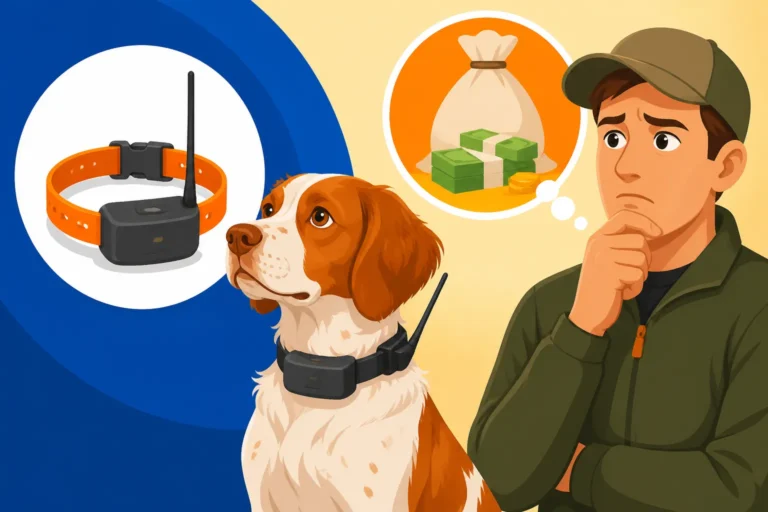
This might mean investing in a good quality e-collar, if you choose to use one, and learning how to use it effectively and humanely. You might also consider attending advanced obedience classes or working with a local professional trainer for specific troubleshooting or to polish certain aspects of its retrieve or steadying. Regular practice in the field, exposing your Brittany to different types of cover and varying bird scenarios, is also a must. The initial "started" price merely gives you a fantastic platform; the real journey of becoming a truly reliable hunting partner is a collaborative, ongoing effort.
Nutritional Needs for a Working Dog
Brittanys are energetic, athletic dogs, especially those that are actively hunted or engaged in demanding activities. Their high metabolism and active lifestyle mean they have significant nutritional requirements that differ from a sedentary house pet. You can't just feed them any generic kibble and expect them to perform at their best.
A working Brittany often thrives on a high-quality, high-protein, and moderate-fat performance dog food designed to support their energy levels and muscle recovery. During hunting season, their caloric intake may need to increase significantly. Regularly evaluating your dog's body condition and adjusting its food intake is essential to maintain optimal weight and stamina. Some owners opt for fresh, high-quality food delivery services such as Ollie, especially for a working dog's demanding nutritional needs, ensuring they get nutrient-dense meals. Investing in proper nutrition is paramount for their health, performance, and longevity, and this will be an ongoing monthly expense. Whether a Working Brittany Needs a Performance Food is a great resource for deeper insights.
Potential for Unexpected Health Issues
Even with excellent genetics and health clearances, any dog can face unexpected health challenges. Accidents happen in the field—a torn pad, a run-in with a sharp stick, or an unfortunate encounter with barbed wire. While a good breeder minimizes the risk of hereditary conditions like hip dysplasia or C3 deficiency, there's no guarantee against all health problems throughout a Brittany's The Twelve to Fourteen Years a Brittany Gets.
This means budgeting for potential veterinary emergencies, ongoing medications, or specialized treatments as your dog ages. Many owners find peace of mind in pet health insurance. Providers like Healthy Paws offer various plans that can help offset the cost of unexpected illnesses or injuries, allowing you to focus on your dog's recovery rather than crippling vet bills. While it's an added monthly expense, it can be a lifesaver in a crisis. Regular wellness exams and preventative care, like tick and flea medications, will also be recurring costs to factor in.
Equipment and Supplies
When you bring home a started Brittany, you'll need a range of equipment and supplies to support its training, safety, and comfort. While a professional might have used some gear during its training, you'll want your own set to ensure consistency and proper fit.
This includes durable leashes and collars, potentially a waterproof or high-visibility vest for hunting season, a comfortable dog crate or kennel for safe travel and containment, and training tools like a check cord or a reliable whistle. If you're planning on covering wide areas, a GPS collar can be an invaluable safety tool. Many owners turn to reputable online retailers like Chewy for a wide selection of these items, from dog beds and food bowls to field vests and training dummies. Remember that some gear, especially for hunting, needs to be rugged and high-quality, which can add up. The Gear a Brittany Needs Before Its First Bird lists many essentials you'll need to consider.
Disclaimer
This article is for general informational purposes only and does not constitute professional advice. Laws, prices and regulations vary by location and change over time. Consult a qualified professional for guidance on your specific situation.