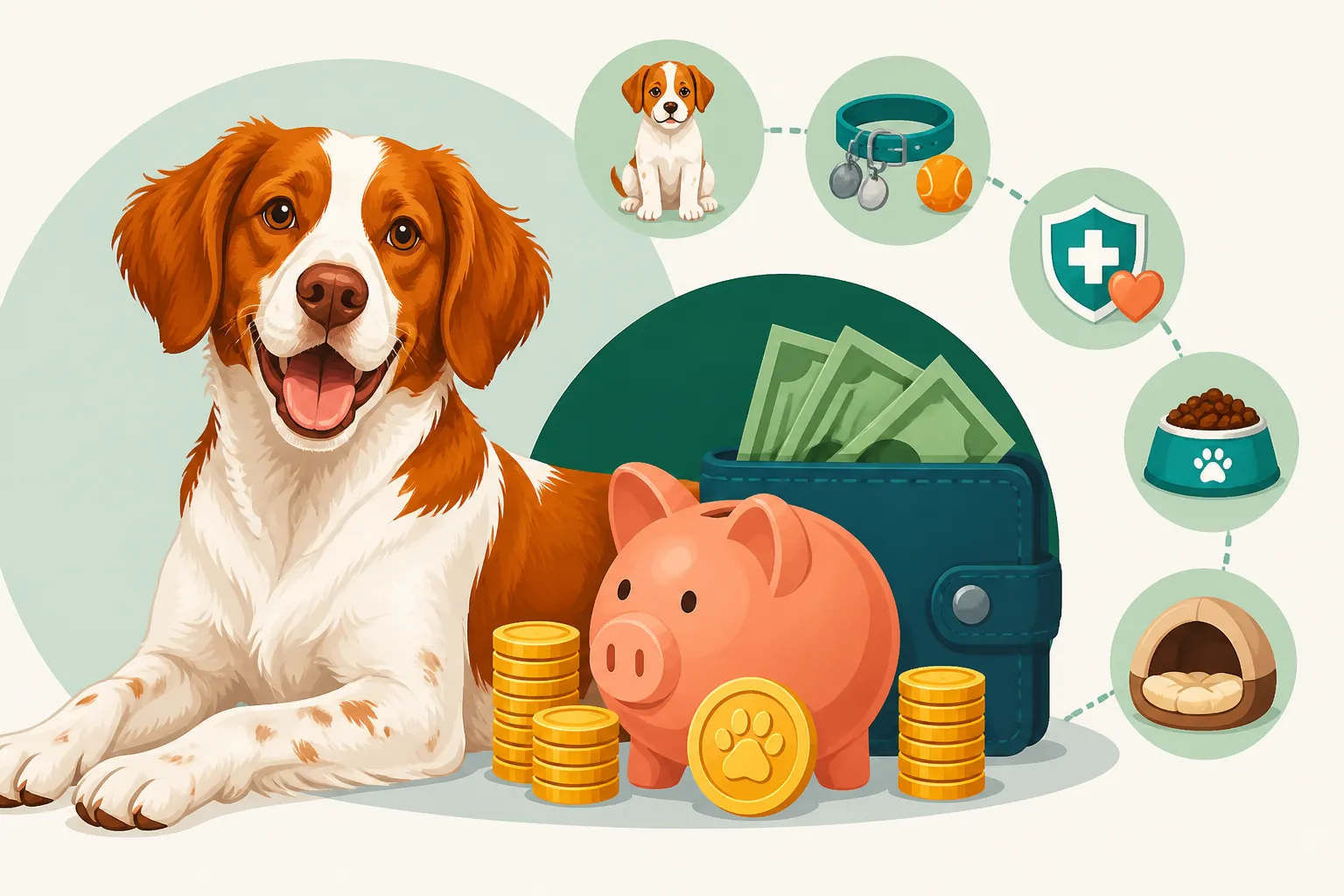
What a Brittany Costs Over Its Lifetime
Bringing a Brittany Spaniel into your life is an incredible joy, a partnership that promises years of enthusiastic retrieves and unwavering loyalty. But let's be realistic: that joy comes with a price tag, and it's far more than just the initial purchase of a cute, freckled puppy. Many new owners find themselves surprised by the true financial commitment involved, from daily kibble to unforeseen emergencies. This comprehensive guide aims to peel back the layers of Brittany ownership costs, giving you a clear, honest look at what you can expect to spend over the entire lifespan of your beloved companion, helping you budget wisely for every stage of their wonderful life.
Initial Investment: Bringing Your Brittany Home
The journey of Brittany ownership begins with the initial outlay, which encompasses not only the price of the dog itself but also all the necessary items to welcome your new family member, along with their crucial first veterinary appointments. These early costs set the foundation for their health and well-being.
The Cost of Bringing a Brittany Puppy Home
When you start looking for a Brittany puppy, you'll quickly notice a significant range in prices. This isn't just arbitrary; it often reflects the breeder's dedication, the quality of their breeding stock, and the health clearances performed. A reputable breeder invests heavily in health testing their breeding dogs, providing early socialization, proper nutrition, and often some initial training for the puppies. They are typically breeding for the betterment of the breed, aiming for sound temperament, health, and working ability. This is why you'll see variations in price, often tied to whether the parents are proven hunters, field trial champions, or have extensive health certifications like OFA hips and elbows, eye clearances, and genetic testing for conditions common in the breed.
A lower-priced puppy, while tempting, can sometimes be a red flag. It might indicate a breeder who hasn't invested in health testing, leading to potential costly health issues down the line. It could also mean less emphasis on proper nutrition and early care for the puppies, which can impact their development. Always do your homework, ask for health clearances, and meet the parents if possible. A good breeder will be transparent about their practices and eager to answer all your questions. It's truly an investment in your future dog's health and disposition. If you're wondering about the specifics, you can dive deeper into What a Brittany Puppy Costs From a Breeder and Why Brittany Prices Range From Eight Hundred to Three Thousand to understand the nuances of this initial investment.
Essential Setup Costs for Your New Puppy
Once you've secured your Brittany puppy, the immediate next step is preparing your home for their arrival. This initial setup phase involves a host of necessary items that contribute to their safety, comfort, and early training. Think of it as creating a complete nursery for your new furry family member. You'll need a good quality crate, one that’s appropriately sized for a growing Brittany, offering a secure den for sleeping and aiding in housetraining. Along with the crate, comfortable bedding is essential – something washable and durable, as puppies are notorious for chewing and accidents.
Food bowls, water bowls, a sturdy leash, and a comfortable collar or harness are also on the list. Don’t forget a supply of high-quality puppy food, as the first few months are crucial for healthy development. Many owners find it convenient to order these essentials from online retailers like Chewy, which often have a wide selection and can deliver right to your door. Chew toys are non-negotiable for a Brittany puppy; they need appropriate outlets for their sharp puppy teeth to prevent them from turning their attention to your furniture. Training treats will also be a valuable tool for early positive reinforcement. These initial purchases, while seemingly small individually, add up quickly, laying the groundwork for a well-adjusted and happy dog.
First Year Veterinary Care
The first year of your Brittany's life is arguably the most intensive and costly in terms of veterinary care. This period is critical for establishing a strong foundation of health that will ideally last them a lifetime. Puppy vaccinations are a series of shots, usually given every few weeks, protecting against common and serious canine diseases like distemper, parvovirus, and rabies. Each visit for these shots also typically includes a thorough physical examination by the veterinarian to ensure your puppy is developing normally.
Deworming is another routine procedure, as puppies are highly susceptible to internal parasites. Most veterinarians will also recommend microchipping your Brittany, a small, relatively inexpensive procedure that can be invaluable for identification if your dog ever gets lost. This permanent ID offers peace of mind, especially with a curious and wide-ranging breed like the Brittany. Finally, the cost of spaying or neutering, typically performed around six months to a year of age, is a significant expense in the first year. This surgical procedure, while a one-time cost, helps prevent unwanted pregnancies, certain health issues later in life, and can sometimes influence behavior. All these vital health interventions contribute significantly to What the First Year With a Brittany Costs.
Ongoing Monthly and Yearly Expenses
After the initial flurry of puppy expenses, Brittany ownership settles into a rhythm of regular, recurring costs. These are the expenses you'll budget for month after month, year after year, forming the backbone of your dog's care.
The Daily Bowl: Food Costs
Feeding your Brittany is a foundational and ongoing expense. The type and quality of food you choose can significantly impact not only your budget but also your dog's health and energy levels. Brittanys are active dogs, and a working Brittany, especially during hunting season, will burn a tremendous amount of calories. This means they often require a high-quality, protein-rich dog food formulated for active breeds. These performance foods, while more expensive per bag, provide the necessary fuel to maintain their stamina and muscle mass.
For owners who prefer more specialized diets, options like fresh-prepared meals or limited-ingredient formulas can also be considered. Services like Ollie, for instance, deliver fresh, human-grade dog food, which some owners opt for to provide what they perceive as superior nutrition. The choice of food will impact how much you spend each month, but investing in good nutrition can often lead to fewer health issues and better overall vitality throughout your Brittany’s life. You can gain more insight into their dietary needs by reading How Much an Adult Brittany Eats and Whether a Working Brittany Needs a Performance Food.
Routine Veterinary Visits and Preventatives
Beyond the extensive puppy care, your Brittany will require consistent routine veterinary attention throughout their adult life. An annual wellness exam is crucial, even for seemingly healthy dogs. During this visit, your vet will perform a comprehensive physical check-up, listen to their heart and lungs, examine their teeth, and discuss any concerns you might have. These annual checks are vital for early detection of potential health issues, which can often be managed more effectively and less expensively if caught early.
Alongside the yearly exam, boosters for certain vaccinations are often recommended to maintain immunity. Additionally, monthly or quarterly preventative medications for heartworm, fleas, and ticks are non-negotiable for a dog that spends time outdoors, especially in areas with high pest populations. These preventative measures protect your Brittany from potentially serious and expensive illnesses. These recurring vet visits and preventative medications make up a significant portion of the yearly budget, ensuring your dog stays healthy and happy year after year. Understanding What a Brittany's Yearly Vaccinations Cost can help you plan for these predictable expenses.
Grooming, Training, and Enrichment
A Brittany's coat, while not requiring elaborate trims, does need regular attention to stay healthy and free of tangles, especially their distinctive feathering. Regular brushing, ideally a few times a week, is essential to remove loose hair, prevent mats, and keep their skin healthy. You'll need a good quality brush, like a slicker brush or an undercoat rake, which is a one-time purchase but will last for years. Occasional bathing with a dog-specific shampoo is also necessary, particularly after muddy adventures or if they've rolled in something unsavory. While some owners opt for professional grooming for nail trims, ear cleaning, or a tidy-up of their feathering, much of a Brittany's grooming can be managed at home. For more detail, you can learn about What a Brittany's Coat Is Like.
Beyond grooming, ongoing training and enrichment are vital for a Brittany's mental and physical well-being. These intelligent and active dogs thrive on having a "job" and regular mental stimulation. This can include anything from basic obedience refreshers, participation in dog sports like agility or scent work, or simply puzzle toys that challenge their minds. While formal obedience classes have an upfront cost, the benefits of a well-behaved dog are immeasurable. Investing in good quality, durable toys, especially those that encourage interaction or problem-solving, is also an important part of enrichment. These aren't just luxuries; they are key components in preventing boredom-related destructive behaviors and fostering a strong bond with your Brittany.
Specialized Gear and Training for a Working Brittany
For many Brittany owners, their dog isn't just a pet; it's a dedicated hunting partner. This working role comes with its own set of specialized equipment and training investments that significantly contribute to the lifetime cost of ownership. These items are designed to enhance safety, communication, and performance in the field.
Equipping Your Field Companion
When you take your Brittany into the field, whether for hunting or training, you're investing in tools that help you manage and protect them in often challenging environments. A high-quality electronic collar, often referred to as an e-collar, is a common piece of equipment used by many gun dog trainers for advanced off-leash communication and reinforcement. It's not a punishment tool, but rather an aid for consistent cues over distance. Similarly, a GPS tracking collar is an indispensable piece of safety equipment, especially for a wide-ranging American Brittany, allowing you to pinpoint your dog's location in dense cover or expansive landscapes. These collars can be a substantial upfront cost, but offer immense peace of mind. For a deeper dive into the cost of these tools, consider reading What a GPS Collar Costs a Brittany Owner.
Beyond electronics, practical gear is essential. A blaze orange vest or bandana for visibility in the field is critical for safety, distinguishing your dog from game and making them easily spotted by other hunters. You can learn more about this by checking out What a Brittany's Orange Vest Costs. Protective boots are often used to safeguard delicate paw pads from abrasive terrain, stubble, or ice during long days afield. A well-stocked first-aid kit specifically for dogs is also a must-have at the truck or in your pack, ready to handle minor cuts, scrapes, or other field injuries. These items represent an ongoing investment as they wear out or need upgrading, but they are vital for the safety and success of your hunting partner.
Professional Training and Field Events
While Brittanys are naturally birdy and biddable, honing their innate abilities into a polished hunting machine often requires professional guidance or significant self-education and time. The cost of sending your Brittany to a professional gun dog trainer can be substantial. These trainers specialize in developing a dog's natural instincts, teaching advanced commands like "whoa," steadying them to wing and shot, and refining their retrieving skills. A typical training program might last several weeks or even months, with costs reflecting the trainer's expertise, facilities, and the duration of the program.
For owners who enjoy competitive outlets, participating in AKC Hunt Tests or NAVHDA (North American Versatile Hunting Dog Association) events incurs additional fees. These events are designed to evaluate a dog's natural abilities and trained skills in simulated hunting scenarios. Each entry fee contributes to the overall cost, along with any travel and lodging expenses if events are held far from home. These events aren't just about winning; they provide a structured way to assess your dog's progress, identify areas for improvement, and enjoy camaraderie with fellow enthusiasts. While not every Brittany owner will pursue formal training or trials, for those who do, these are significant and rewarding investments in their dog's potential. To understand the financial implications, you might find What a Professional Gun Dog Trainer Charges for a Brittany and What an AKC Hunt Test Entry Costs a Brittany Owner particularly helpful.
Healthcare Over a Brittany's Lifespan
Even with the best breeding and preventative care, Brittanys, like all dogs, will face various health challenges throughout their lives. Budgeting for potential accidents, illnesses, and age-related conditions is a crucial part of responsible ownership.
Managing Accidents and Illnesses
Brittanys are active dogs, full of boundless energy, which unfortunately means they are prone to accidents. A torn paw pad from sharp stubble, a laceration from navigating dense cover, or an injury sustained from a fall can all necessitate an emergency vet visit. These situations often come with diagnostic tests, stitches, medications, and follow-up appointments, which can quickly add up. Beyond accidents, Brittanys are susceptible to certain breed-specific health issues. Hip dysplasia, while screened for by responsible breeders, can still manifest, potentially leading to expensive surgical interventions or long-term pain management. For more on this, you can explore How Common Hip Dysplasia Is in Brittany Spaniels.
Ear infections are another common ailment due to their drop ears, which can trap moisture and debris. Recurring infections require veterinary consultation, medication, and sometimes even specialized cleaning or dietary changes. Reading Why a Brittany's Ears Get Infected Every Season offers great preventative advice. Less common but serious genetic conditions, such as C3 deficiency, can compromise their immune system, leading to chronic infections and requiring ongoing veterinary care. Diagnosing and treating these various conditions can range from relatively minor expenses to significant financial burdens, underscoring the importance of preparing for the unexpected.
The Role of Pet Insurance
Given the potential for unexpected accidents and illnesses, pet insurance has become an increasingly popular tool for managing veterinary costs. It works much like human health insurance, where you pay a monthly premium, and in return, the policy helps cover a percentage of eligible veterinary expenses after a deductible is met. The benefits of pet insurance are primarily financial peace of mind. Instead of facing a sudden bill for thousands of dollars for an emergency surgery or a chronic condition, your insurance can significantly reduce your out-of-pocket costs.
However, it's important to understand that policies vary widely. Most plans cover accidents and illnesses, but some also offer wellness add-ons for routine care. Pre-existing conditions are almost universally excluded, which is why it's often recommended to enroll a puppy early. When considering pet insurance, research different providers and plans, look at their coverage limits, deductibles, and reimbursement percentages. Companies like Healthy Paws are well-known, but many others exist. While it's an additional monthly expense, pet insurance can be a literal lifesaver for your budget when serious health issues arise. To help you budget, you might want to look into What Insuring a Brittany Costs a Month.
Senior Brittany Care
As your Brittany enters their golden years, typically around age ten, their healthcare needs will inevitably change and often increase in frequency and cost. Just like humans, senior dogs are more prone to a host of age-related conditions. Arthritis is a very common concern, affecting mobility and comfort. Managing arthritis often involves anti-inflammatory medications, joint supplements, and sometimes even specialized injections or physical therapy, which are ongoing expenses. For insight into senior care, consider reading Caring for a Brittany Past Ten.
Regular veterinary check-ups for senior Brittanys often become twice a year instead of annual, allowing for closer monitoring of their overall health. These visits may include more extensive blood work to check organ function, especially kidneys and liver, and screenings for common senior ailments like thyroid issues or early signs of cancer. Vision and hearing decline are also common, requiring adjustments to their living environment and potentially new medications. Your aging Brittany might also require specialized diets to support joint health, kidney function, or weight management. Understanding What Changes in an Aging Brittany can help you prepare for these shifts in care, which are a true testament to the love and commitment you've given them throughout their life.
Unexpected Costs and Long-Term Considerations
Beyond the predictable annual expenses and even the management of typical health issues, there are other financial aspects of Brittany ownership that can arise unexpectedly or require long-term planning. These are the costs that might not be on your radar initially but are important to consider for truly comprehensive budgeting.
Boarding, Pet Sitting, and Travel
Life happens, and sometimes you need to travel without your beloved Brittany. This is where costs for pet care services come into play. Professional boarding kennels can range significantly in price, depending on the amenities offered, such as private runs, playtime, or specialized care. For a social and active breed like the Brittany, choosing a facility that provides ample exercise and interaction is crucial for their well-being. Alternatively, hiring a pet sitter to come to your home can be another option, offering your Brittany the comfort of their familiar surroundings. This can be particularly beneficial for dogs who experience separation anxiety or are sensitive to new environments.
If you choose to travel with your Brittany, there are also costs associated with that. Many airlines charge fees for pets in the cabin or cargo, and pet-friendly hotels often have additional charges. These costs, whether for professional care or travel logistics, need to be factored into your vacation budget. They might not be daily or monthly, but they are an intermittent expense that can add up over the years. Planning ahead for these situations can save you stress and ensure your Brittany is well cared for, no matter your itinerary. To get a better idea, you might want to check out What Boarding a Brittany Costs.
End-of-Life Care
This is perhaps the most difficult aspect of pet ownership to consider, but it's an essential part of the financial picture for a lifetime companion. As a Brittany ages, they may face a final illness or a decline in health that necessitates difficult decisions and associated costs. Veterinary care during a terminal illness can involve palliative treatments, diagnostic tests to understand their condition, and medications to manage pain and discomfort. This period can sometimes be prolonged, leading to ongoing expenses as you strive to maintain your dog's quality of life.
When the time comes to say goodbye, the process of euthanasia itself has a cost. Beyond that, many owners choose cremation, which can vary in price depending on whether you opt for communal or private cremation and if you wish to receive your Brittany's ashes back. Burial, either at home (where permitted) or in a pet cemetery, also involves specific costs. While emotionally challenging, understanding these potential end-of-life expenses beforehand can help alleviate some of the financial burden during a time of grief. It allows you to focus on providing comfort and companionship to your cherished Brittany in their final moments. For a sensitive discussion around this topic, you can look into What a Brittany's Final Illness Costs.
Understanding the Brittany's Full Financial Picture
Looking at the full spectrum of costs over a Brittany's lifespan can feel overwhelming, but breaking it down helps illustrate the true commitment involved. From puppyhood to their senior years, each stage brings unique financial considerations.
A Lifetime of Love: The Cumulative Cost
When you add up all the initial purchases, the ongoing monthly and yearly expenses, the specialized gear for hunting, and the inevitable veterinary care, the cumulative cost of owning a Brittany Spaniel over their lifetime is a significant sum. It’s not just a few hundred dollars for a puppy; it's a long-term investment.
To provide a clearer picture, here's a simplified breakdown:
| Category | Typical Frequency | Example Costs | Considerations |
|---|---|---|---|
| Initial Purchase | One-time | Puppy price (varies significantly), initial vet visits, spay/neuter, crate, bowls, leash, initial food, toys | Price reflects breeder quality, health clearances, working lines. "Cheap" puppies can lead to expensive health issues. First-year vet care is intense. |
| Annual Routine Care | Yearly/Monthly | Quality dog food, preventative medications (flea/tick/heartworm), annual vet exam, vaccinations, basic grooming supplies | Food cost depends on type (performance vs. regular, fresh options like Ollie). Preventatives are crucial for health. Dental cleanings can be an added annual expense. |
| Specialized Gear & Training | As needed/Optional | E-collar, GPS collar, hunting vests, boots, professional gun dog training, hunt test entry fees | Essential for working Brittanys; not strictly necessary for pet-only dogs, but training is still vital. Costs vary widely based on quality of gear and trainer's rates. |
| Healthcare (Unforeseen) | Variable | Emergency vet visits, surgery for injuries (e.g., torn pad, lacerations), treatment for chronic conditions (e.g., hip dysplasia, allergies), senior care (medications, extra vet visits) | Can be the most unpredictable and highest costs. Pet insurance (e.g., Healthy Paws) can mitigate financial impact. Senior care often involves ongoing medication and more frequent vet checks. |
| Other Expenses | Variable | Boarding/pet sitting, travel costs, training classes, specialized diets, end-of-life care | These are intermittent but necessary for responsible ownership. Boredom-related destruction can also become an "unexpected" cost if enrichment isn't provided. |
This table doesn't list specific dollar amounts because those fluctuate greatly by region, time, and specific choices, but it provides a framework. The overall message is clear: a Brittany is a long-term financial commitment, easily extending into many thousands of dollars over their 12 to 14 years. Considering Fourteen Years of a Brittany, Priced Out will give you an even more comprehensive perspective on these long-term financial implications.
Budgeting for the Unexpected and Planning Ahead
One of the biggest financial pitfalls for pet owners is failing to budget for the unexpected. Emergency veterinary care, sudden illnesses, or even behavioral issues requiring professional intervention can arise at any time. Building an emergency fund specifically for your Brittany is a wise decision. This could be a dedicated savings account, or you might rely on a robust pet insurance policy, as discussed earlier. Having these resources in place means you can make decisions based on your Brittany's health needs, rather than being constrained by immediate financial limitations.
Planning ahead also means considering the cost of care as your Brittany ages. Senior dogs, with their increased need for veterinary attention and potential medications, can become more expensive to care for annually. Thinking about these stages in advance, and perhaps adjusting your savings or insurance plan as they mature, can make the transition smoother. Ultimately, while the financial commitment for a Brittany is substantial, the joy, companionship, and unwavering love they provide are truly priceless. With thoughtful planning and a realistic understanding of the costs involved, you can provide your Brittany with a happy, healthy, and fulfilling life.
Disclaimer
This article is for general informational purposes only and does not constitute professional advice. Laws, prices and regulations vary by location and change over time. Consult a qualified professional for guidance on your specific situation.