What a Check Cord and Whistle Cost a Brittany Owner
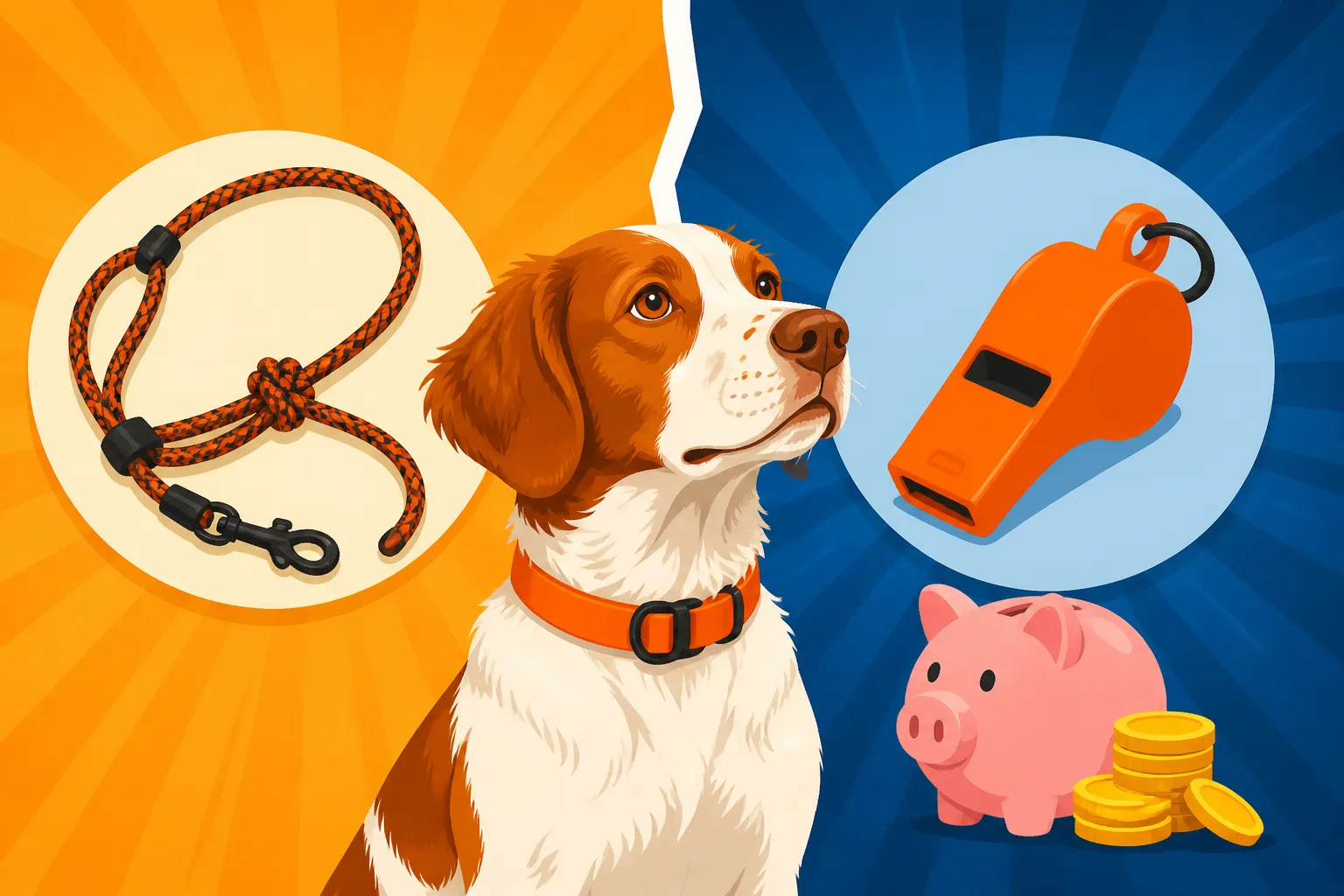
It’s easy to get caught up in the excitement of bringing home a Brittany puppy or starting a new training season, dreaming of those perfect points and retrieves. But sometimes, the foundational tools that make it all happen, like a reliable check cord and a good whistle, get overlooked in the budget planning. Many new owners or even seasoned handlers can be surprised by the range of options and their associated costs for what seem like simple pieces of equipment. This guide is here to break down the real investment behind these essential training aids, ensuring you're well-prepared to equip your Brittany for success in the field and at home.
The Unsung Heroes of Brittany Training: Why You Need Them
Before we dive into the nitty-gritty of what you'll spend, let's talk about why a check cord and whistle are non-negotiable for a Brittany owner. These aren't just accessories; they are fundamental tools that foster communication, instill vital commands, and ultimately keep your energetic companion safe. Brittanys are renowned for their bird drive and enthusiasm, which, while wonderful, also means they need clear boundaries and consistent guidance, especially when they're ranging wide in the field or simply exploring the neighborhood park.
Bridging the Communication Gap
Imagine your Brittany, nose to the ground, locked onto a scent. Their world narrows to that singular purpose, and in that moment, your voice might just fade into the background. This is where a check cord and whistle become indispensable. A check cord provides a physical connection, a silent agreement that you're still part of their journey, even when they're 50 yards out. It's not about constant restraint, but about teaching them the boundaries of their freedom and the meaning of a soft tug. Likewise, a whistle cuts through environmental distractions in a way a human voice often cannot, carrying a consistent tone and command regardless of your breath or the wind's direction. It's a universal signal that your Brittany learns to trust, no matter how exciting the scent trail might be. This consistent, unambiguous communication is key to developing a strong working relationship with a breed known for its intelligence and sensitive nature. If you've ever wondered How Biddable a Brittany Is, you'll find that clear communication tools like these make all the difference.
Safety in the Field and Beyond
The wild beauty of a Brittany working a field is truly something to behold. They are agile, fast, and driven. But that drive, without proper training and control, can put them in harm's way. A check cord is your first line of defense against a curious puppy darting into a busy road or an overzealous youngster pushing too far into unknown territory. It allows you to gently guide them back, reinforce recall, and prevent potentially dangerous situations. Similarly, a whistle, especially for commands like "come" or "whoa," can be a lifesaver. Picture your Brittany hot on a scent near a property line or a dangerous ditch. A shrill, familiar whistle blast can snap them out of their focused hunt and bring them safely back to you. This kind of reliable recall is paramount, as a Brittany's instincts can sometimes override their desire to please. The investment in these tools is really an investment in your Brittany's long-term safety and your peace of mind. Without them, you might constantly worry, "Will my Brittany come back when I call?"—a concern that tools like these are designed to alleviate, dramatically improving How Reliable a Brittany's Recall Is.
Breaking Down the Check Cord Investment
A check cord is much more than just a long rope. It's a critical teaching tool, and its cost can vary widely based on material, length, durability, and special features. Understanding these variations will help you choose the right cord for your Brittany's training stage and your hunting environment.
Types of Check Cords and Their Price Points
When it comes to check cords, you'll generally find them made from nylon, cotton, or sometimes even biothane. Each material has its pros and cons, which directly impact the price and how they perform in the field.
- Nylon Check Cords: These are perhaps the most common. They are durable, relatively lightweight, and resist moisture and mildew fairly well. They come in various widths and lengths, typically ranging from 15 to 50 feet, though longer ones exist. The cost is usually on the lower to mid-range. A basic 30-foot nylon check cord might be quite affordable, while a high-quality, brightly colored, 50-foot cord designed for heavy use could be more. The advantage of nylon is its strength and ease of cleaning, but it can sometimes tangle or cause rope burn if it slips through your hands too quickly. These are excellent all-around options for general obedience and early field work.
- Cotton Webbing Check Cords: Often softer on the hands, cotton cords are less prone to rope burn and can be more comfortable to handle, especially during extended training sessions. However, they absorb water, which makes them heavier when wet and prone to mildew if not dried properly. They also aren't quite as durable against snags and abrasions as nylon. Their price point is often similar to or slightly higher than basic nylon cords. They're a good choice for sensitive hands or for training in drier conditions.
- Biothane Check Cords: These are the Cadillac of check cords. Biothane is a coated webbing material that looks and feels a bit like leather but has all the advantages of synthetic materials. It's waterproof, odor-proof, incredibly durable, and easy to clean – just wipe it down! It's also less prone to tangling and won't absorb burrs or debris like fabric cords. Naturally, these benefits come at a higher cost. A biothane check cord can be significantly more expensive than nylon or cotton, but many handlers find the investment worthwhile for its longevity and performance, especially for a working Brittany that spends a lot of time in varied terrain and wet conditions. If you're serious about extended field work and want a cord that will last season after season, biothane is a strong contender.
Length and Hardware Considerations
Beyond the material, the length of your check cord is a major factor, both in its utility and its cost. Shorter cords, say 15-20 feet, are great for teaching foundational commands in an open area, for working around distractions, or for puppy training. As your Brittany progresses, you’ll likely need longer cords, often 30-50 feet, to simulate real-world hunting scenarios and to teach commands like "whoa" at a distance. A longer cord gives your Brittany more freedom to explore while still allowing you to maintain control and provide guidance. Naturally, the more material, the higher the cost.
The hardware on your check cord also plays a role. Look for solid brass or stainless steel snaps. While these might add a bit to the overall price, they are crucial for durability, especially in wet or muddy conditions, and will resist rust and corrosion much better than cheaper alternatives. A swivel snap can also prevent the cord from twisting and tangling as much as your Brittany moves. Some cords also come with a floating handle or a reflective strip for visibility, adding minor costs but potentially increasing convenience and safety. When considering What a Fifty Foot Check Cord Costs a Brittany Owner, remember that these details significantly impact not just the initial price but the long-term value and usability of the tool.
Decoding the Whistle Options and Their Costs
Just like check cords, dog whistles aren't a one-size-fits-all item. The type of whistle you choose can significantly impact its effectiveness, and of course, its price. From basic plastic models to professional-grade metal whistles, the options are plentiful.
Whistle Materials and Sound Production
The material and design of a dog whistle directly influence the sound it produces, its durability, and ultimately, its cost.
- Plastic Whistles: These are the most budget-friendly option. They are lightweight, generally weather-resistant, and come in a wide array of colors. Plastic whistles produce a clear, sharp sound that can carry well. They are excellent for new handlers or as backup whistles. However, they can be less durable than metal, sometimes cracking or breaking if dropped or subjected to extreme temperatures. Despite their lower price, a good quality plastic whistle from a reputable brand can be very effective for training your Brittany.
- Metal Whistles (Brass, Nickel-Plated, Stainless Steel): Moving up in price, metal whistles offer superior durability and often a more consistent, robust sound. Brass whistles, for example, have a distinct tone and a nice weight to them. Nickel-plated brass is common, offering a good balance of cost and performance. Stainless steel whistles are the most durable and resistant to corrosion, making them ideal for all-weather use. These whistles tend to produce a clearer, more penetrating sound that can travel further, which is crucial when your Brittany is out working cover. The investment in a metal whistle usually means a longer lifespan and more reliable performance over many seasons.
- Acme Whistles: These are widely recognized as a gold standard in dog training, particularly the "Acme Thunderer" or the "Acme Whistle 210.5" and "211.5" for gundogs. Acme offers a range of frequencies, some designed for closer work, others for long-distance calls. They are known for their consistent pitch and reliability, which is vital for a dog that learns to associate a specific sound with a command. While they might be pricier than generic plastic options, their reputation for quality and effectiveness makes them a worthwhile investment for serious Brittany trainers. The precise, consistent tone helps solidify commands, making it easier to teach complex behaviors like Teaching a Brittany Whoa even at a distance.
The Importance of a Lanyard and Consistency
A whistle is only useful if you have it when you need it, and that’s where a good lanyard comes in. While the whistle itself is the primary cost, don't overlook the humble lanyard. A simple nylon lanyard can be very inexpensive, but a more comfortable, padded, or reflective lanyard will cost a bit more. Some professional-grade lanyards come with multiple clips for different whistles or other small training tools. This ensures your whistle is always around your neck, ready for immediate use, preventing it from getting lost in a pocket or dropped in the field.
Beyond the physical cost, there's the cost of consistency. Once you choose a whistle, stick with it. Brittanys thrive on routine and clear signals. Changing whistles frequently can confuse your dog and slow down their training progress, making your initial investment less effective. It's often better to buy one good whistle and lanyard that you're comfortable with and stick to it for the long haul.
Where to Buy Your Training Essentials
Now that you have a better idea of the types of check cords and whistles available, the next question is where to find them. The landscape of pet supplies has expanded dramatically, offering both brick-and-mortar and online options, each with its own advantages and potential cost implications.
Local vs. Online Retailers
When it comes to purchasing training gear for your Brittany, you have a few avenues to explore.
- Specialty Pet Stores and Sporting Goods Stores: Your local independent pet supply store might carry a selection of check cords and whistles, often focusing on quality brands. The staff can be incredibly knowledgeable, offering personalized recommendations based on your Brittany's needs and your training goals. Similarly, sporting goods stores, especially those catering to hunters, will often have a dedicated section for gun dog training supplies. While prices might sometimes be a little higher than online, the advantage of seeing and feeling the product, along with getting expert advice, can be invaluable. Plus, you're supporting local businesses!
- Online Retailers (e.g., Chewy, Amazon): Online giants like Chewy and Amazon offer an enormous selection, often at competitive prices. You can browse countless brands, read reviews from other Brittany owners, and compare features without leaving your home. This can be a great way to find specialized items or simply get a good deal on standard gear. However, the downside is you can't physically inspect the product before buying, and shipping costs can add up if you're only purchasing a few small items. Companies like Chewy often have excellent customer service and fast shipping, which can mitigate some of these concerns. You might even be able to find bundles or sales, especially around popular training seasons.
- Direct from Manufacturers or Specialty Gundog Retailers: Many companies that specialize in gundog equipment sell directly from their websites. These retailers often carry high-quality, professional-grade gear that might not be available elsewhere. If you're looking for very specific types of check cords, such as a particular biothane weight or an exact frequency Acme whistle, these direct-to-consumer options can be your best bet. While prices here might reflect the premium quality, the assurance of getting exactly what you need for advanced training can be worth it.
Considering Second-Hand Options
While new is often best for something as crucial as a check cord that needs to withstand constant use, you might consider second-hand options for certain items to save some money. Online marketplaces or local dog training groups might have used equipment for sale.
- Check Cords: A gently used biothane check cord, for example, might still have plenty of life left and cost significantly less than new. However, always inspect it thoroughly for any frays, weaknesses in the material, or corroded snaps, as you don't want a cord to break when your Brittany is halfway across a field. Nylon or cotton cords are less ideal for second-hand purchase due to potential wear and hygiene concerns.
- Whistles: Whistles, especially metal ones, can often be safely bought second-hand. Just give them a good cleaning and sanitizing before use. The consistency of their sound usually doesn't degrade with use, making them a reasonable item to find pre-owned.
Always prioritize safety and functionality over extreme savings when it comes to training gear. A broken check cord or a faulty whistle isn't just an inconvenience; it can be a training setback or even a safety hazard.
Beyond the Initial Purchase: Maintenance and Upgrades
The cost of a check cord and whistle isn't just about the upfront price. There's a subtle, ongoing investment in maintenance to ensure longevity, and you might consider upgrades as your Brittany's training progresses or as your needs evolve. Thinking about these aspects can help you budget realistically for the long haul.
Keeping Your Gear in Top Shape
Just like any piece of valuable equipment, your check cord and whistle will benefit from proper care. This not only extends their life but ensures they remain reliable training tools.
- Cleaning and Storage: After a romp in the field, especially in muddy or wet conditions, your check cord will need cleaning. Nylon and biothane cords are relatively easy – a quick rinse with water, perhaps some mild soap, and then air drying is usually sufficient. Cotton cords require more thorough drying to prevent mildew. If you consistently neglect to clean and properly store your cord, it will wear out much faster, forcing you to replace it sooner than necessary. Whistles generally just need an occasional wipe down. Proper storage, keeping them untangled and away from extreme temperatures, also helps preserve their integrity. Think of it as protecting your investment; just like you wouldn't leave your hunting boots covered in mud, your training gear needs similar attention.
- Inspection for Wear and Tear: Regularly inspect your check cord for fraying, especially near the snap or where it might have rubbed against harsh terrain. Check the snap itself for any signs of weakness or corrosion. A failing snap can be disastrous in the field. Similarly, ensure your whistle is free of cracks (if plastic) or dents (if metal) that could affect its sound. These routine checks are a small, consistent "cost" in terms of time, but they prevent much larger unexpected expenses and potential training setbacks. Recognizing when a tool is showing its age is important; for instance, if you notice your Brittany's reaction to the whistle isn't what it used to be, it might be the whistle, not the dog. This vigilance is part of the ongoing commitment to your Brittany's training, just as you'd monitor their food intake, like with a service such as Ollie, to ensure they're always in peak condition.
When to Upgrade Your Gear
Sometimes, an initial purchase serves its purpose, but as you and your Brittany grow together, you might find yourselves needing something more.
- Advancing Training Levels: When your Brittany is a puppy, a basic, shorter check cord might be perfect. As you move into more advanced field work, teaching steady-to-wing or long-distance recall, a longer, more durable cord (perhaps biothane) becomes invaluable. A basic plastic whistle might be fine for the backyard, but a professional-grade Acme whistle with a specific, penetrating frequency could be necessary for commanding attention across vast open fields or in windy conditions. You might start with a general purpose whistle, but as you hone your specific commands, you might decide to invest in one that offers a more distinct sound.
- Environmental Needs: If you primarily train in dry, open fields, a nylon or cotton cord might suffice. But if you start hunting waterfowl or spending more time in dense, wet cover, a biothane check cord that resists water, mud, and burrs will save you endless frustration and last longer. Similarly, if you find yourself hunting in heavily forested areas where sound might be muffled, a higher-pitch, more cutting whistle might become a necessary upgrade to ensure your Brittany always hears your command. These upgrades aren't just about luxury; they're about adapting your tools to the specific challenges of your training and hunting environments. Considering the lifetime costs of owning a Brittany, including everything from gear to food and vet care, can feel daunting, but a tool like Healthy Paws can help manage the financial curveballs that life throws at you and your canine companion.
Here’s a simple table to illustrate the general cost comparison for common check cord and whistle types:
| Item Type | Material/Description | General Cost Shape (Low to High) | Durability | Maintenance | Best For |
|---|---|---|---|---|---|
| Check Cord | Nylon, 20-30 ft | Lower | Good | Moderate | Basic obedience, initial field work |
| Nylon, 50 ft | Mid-Low | Good | Moderate | Extended range, recall training | |
| Cotton Webbing, 30-50 ft | Mid | Moderate | Higher | Sensitive hands, dry conditions | |
| Biothane, 30-50 ft | High | Excellent | Low | All-weather, professional field work, longevity | |
| Whistle | Plastic | Lower | Moderate | Low | Beginners, casual training, backup |
| Metal (Brass/Nickel) | Mid | Good | Low | General use, good durability | |
| Acme (Specific Freq.) | Mid-High | Excellent | Low | Serious gundog training, consistent tone | |
| Lanyard | Basic Nylon | Very Low | Good | Low | Keeping whistle handy |
| Padded/Multi-clip | Low-Mid | Excellent | Low | Comfort, holding multiple tools |
Note: Specific prices will vary greatly by brand, retailer, and features. Always check current offerings.
Making Smart Choices for Your Brittany and Your Wallet
Equipping your Brittany for training and hunting doesn't have to break the bank, but making informed decisions is key. It's about finding the right balance between cost, quality, and your specific needs. Remember, these are tools that will help shape your Brittany into a well-behaved, confident companion and a capable bird dog.
Budgeting for Quality
When you first start out, it can be tempting to opt for the cheapest options, especially with all the other expenses that come with a new puppy, such as those initial vet visits or even figuring out What a Brittany Puppy Costs From a Breeder. However, with training equipment like check cords and whistles, quality often pays for itself in the long run. A cheap, flimsy check cord might fray quickly, requiring replacement, or worse, break at a critical moment, undoing weeks of training. A low-quality whistle might have inconsistent sound, confusing your Brittany and making commands less effective.
Instead, think of these items as an investment in your Brittany's education and safety. A mid-range nylon or a good quality plastic whistle will likely serve you well for foundational training. As you progress, or if you immediately know you'll be heavily involved in field work, investing in more robust options like biothane cords or premium Acme whistles from the start can be a smart move. These durable items will withstand the rigors of Brittany training and last for years, ultimately saving you money compared to constantly replacing inferior gear. They also contribute to more effective training sessions, meaning your Brittany learns faster and more reliably, which is invaluable. For more ideas on how to structure your training efforts, you might look into topics like How Long a Brittany's Training Session Should Be.
The Long-Term Value of Effective Tools
The true "cost" of your check cord and whistle isn't just the sticker price; it's the value they bring to your relationship with your Brittany. Effective tools lead to effective training, which in turn means a happier, better-adjusted dog. A well-trained Brittany is a joy to be around, whether they are in the field or relaxing at home. Without these foundational tools, you might find yourself struggling with a dog that doesn't recall reliably or is difficult to control in exciting situations, which can lead to stress for both of you.
Consider the potential costs of not having effective training tools: the stress of a lost dog, the expense of a professional trainer to correct ingrained bad habits, or even the emotional toll of a dog that isn't reaching its full potential. A check cord and whistle are small expenses compared to these larger implications. They are instrumental in teaching vital commands and shaping good behavior. They are also complementary to other training tools, like an e-collar, though it’s worth asking Whether a Brittany Needs an E Collar at All or What an E Collar Costs a Brittany Owner, it's important to realize these tools build the foundation. By choosing wisely and caring for your gear, you’re not just buying equipment; you’re investing in years of successful training, safe adventures, and a strong, trusting bond with your amazing Brittany.
Disclaimer
This article is for general informational purposes only and does not constitute professional advice. Laws, prices and regulations vary by location and change over time. Consult a qualified professional for guidance on your specific situation.